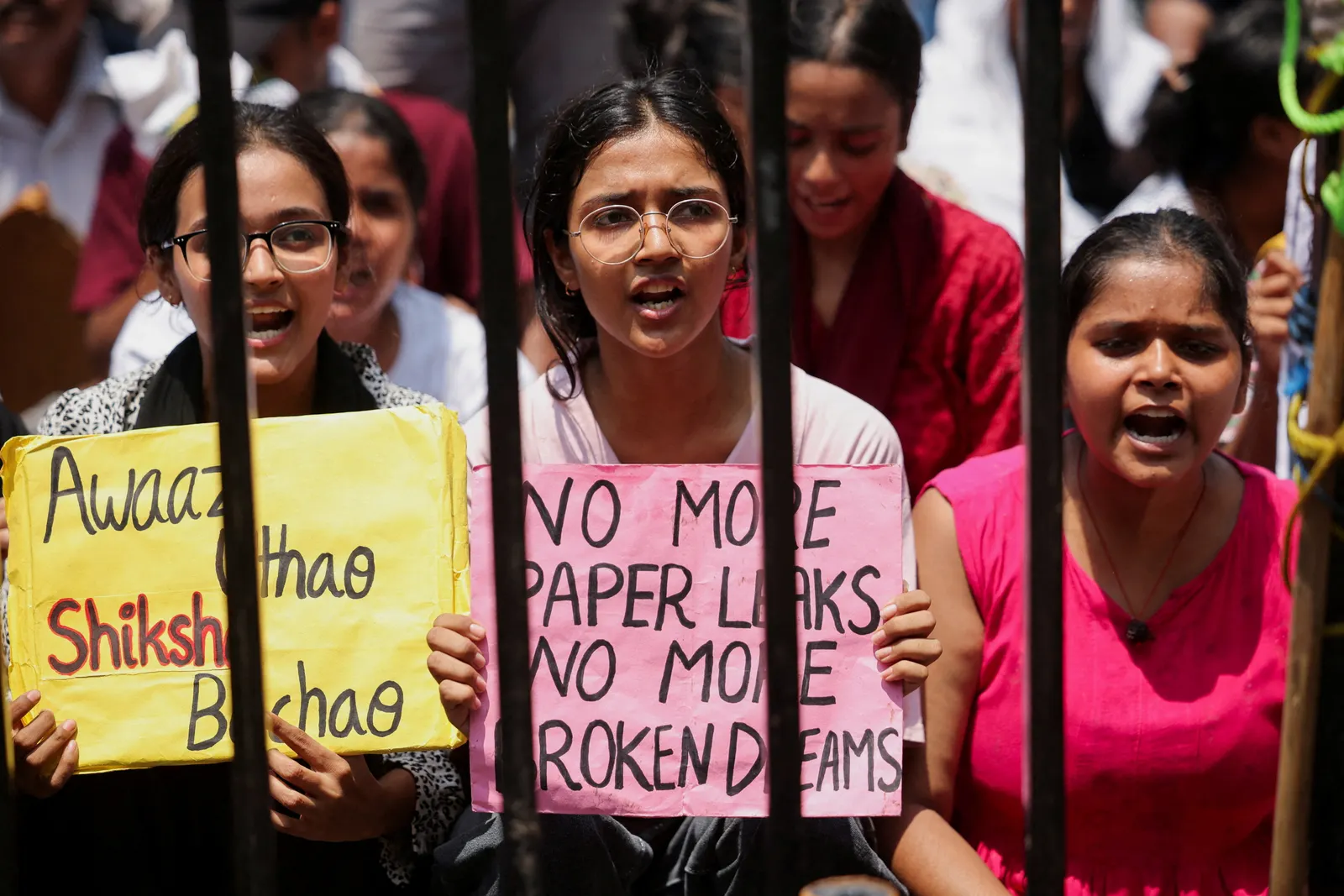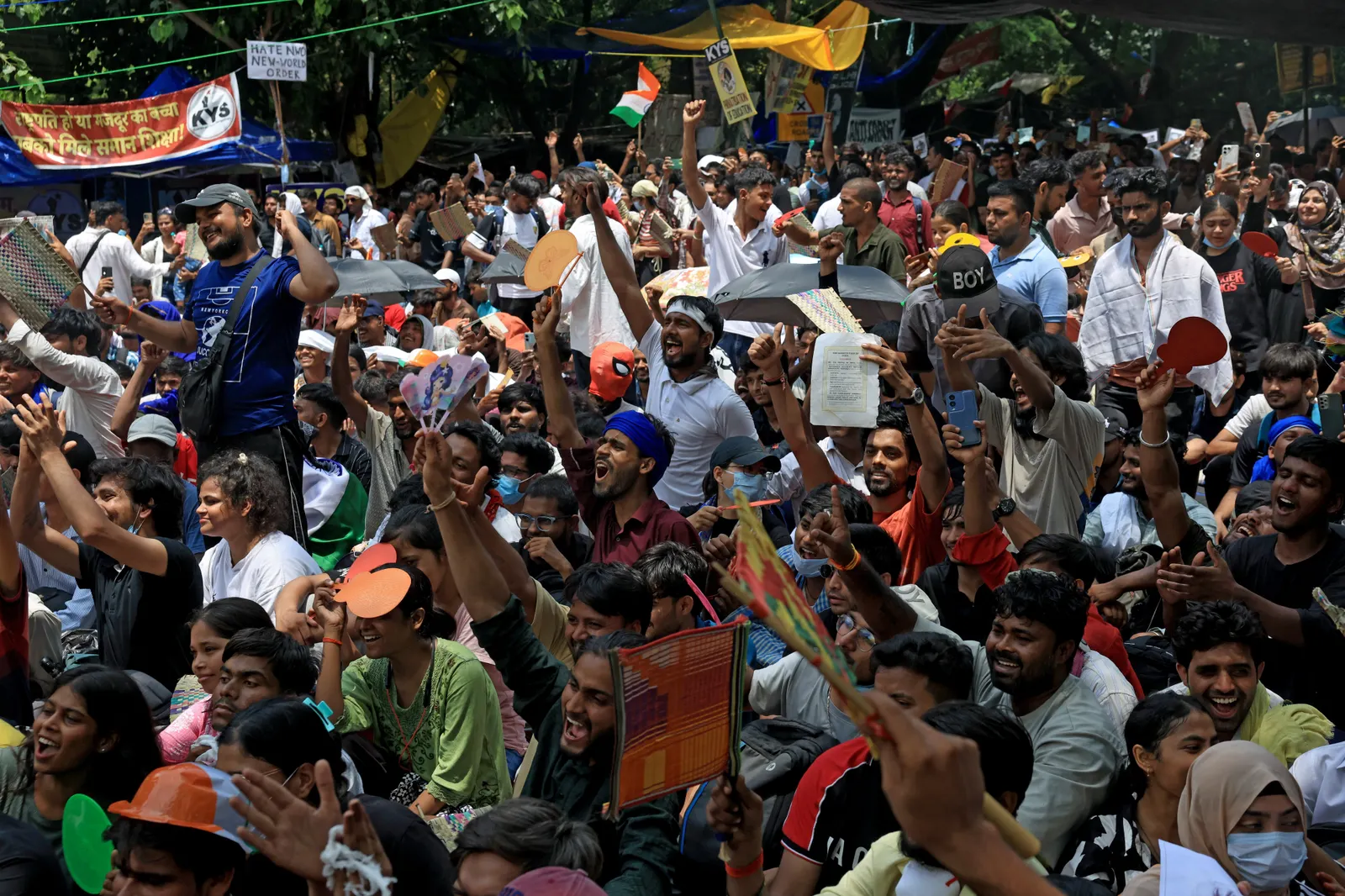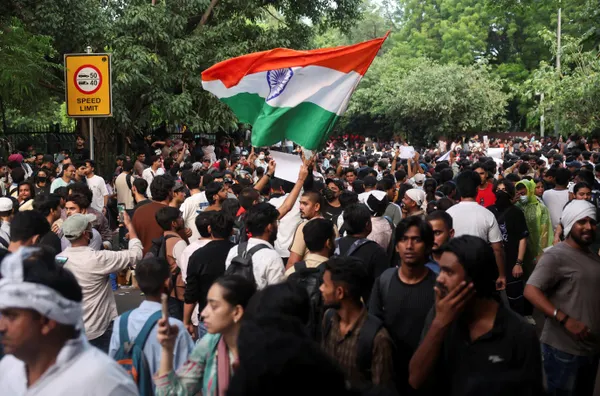
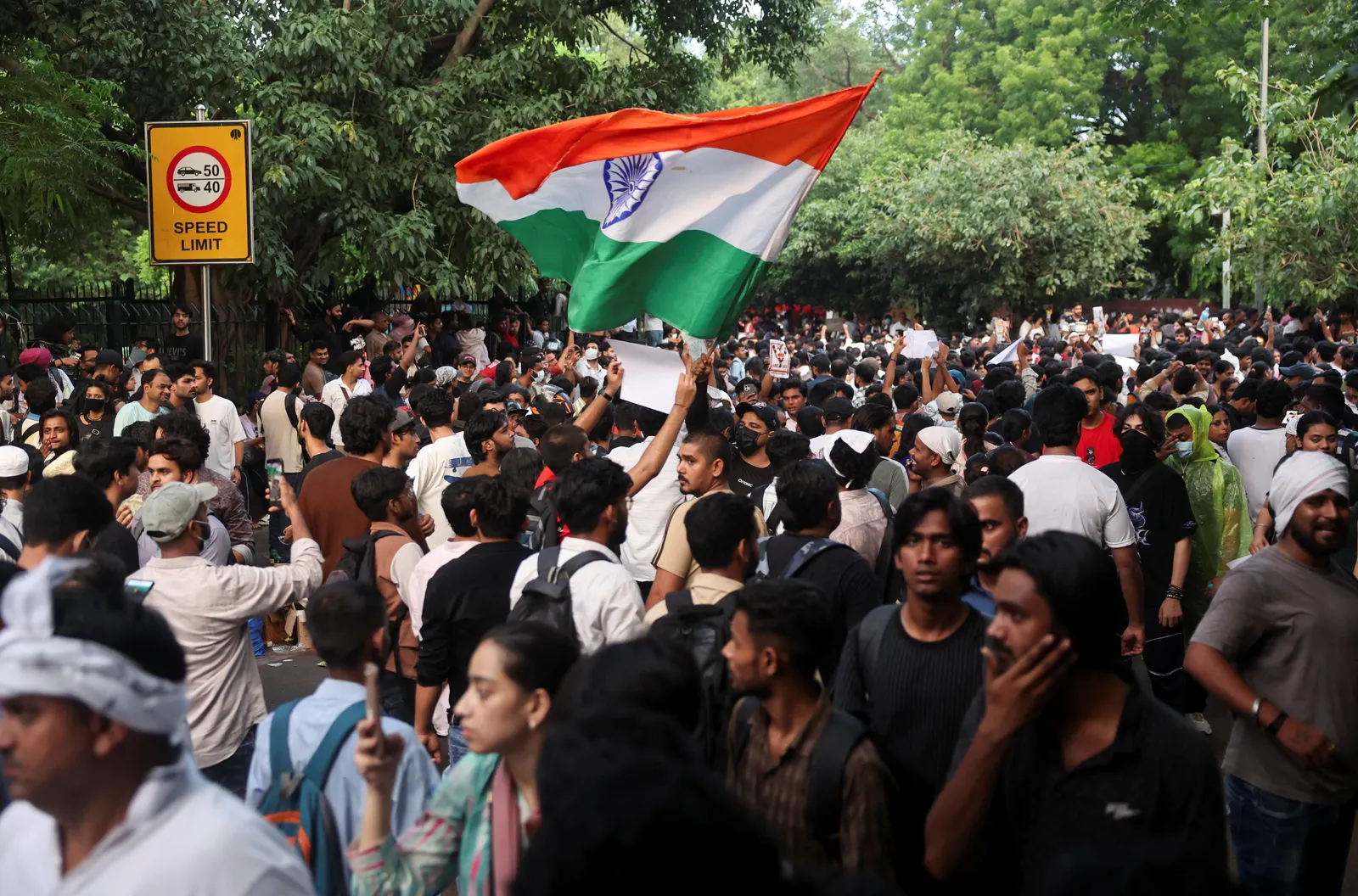
NEW DELHI, July 24 — Leaders of India's youth-led "cockroach" movement will meet the government today to try and resolve a face-off over national examination paper leaks although they will not halt nationwide protests.
The decision was announced hours after activist Sonam Wangchuk ended a 26-day hunger strike overnight, raising hopes that the two sides could be moving toward a breakthrough in the crisis in which tens of thousands of angry youths converged on the capital Delhi to demand the resignation of the Education Minister over the scandal.
The protests represent the biggest youth challenge to Prime Minister Narendra Modi since he came to power in 2014. Opposition parties have echoed the movement's demands and have disrupted the monsoon session of Parliament that began this week.
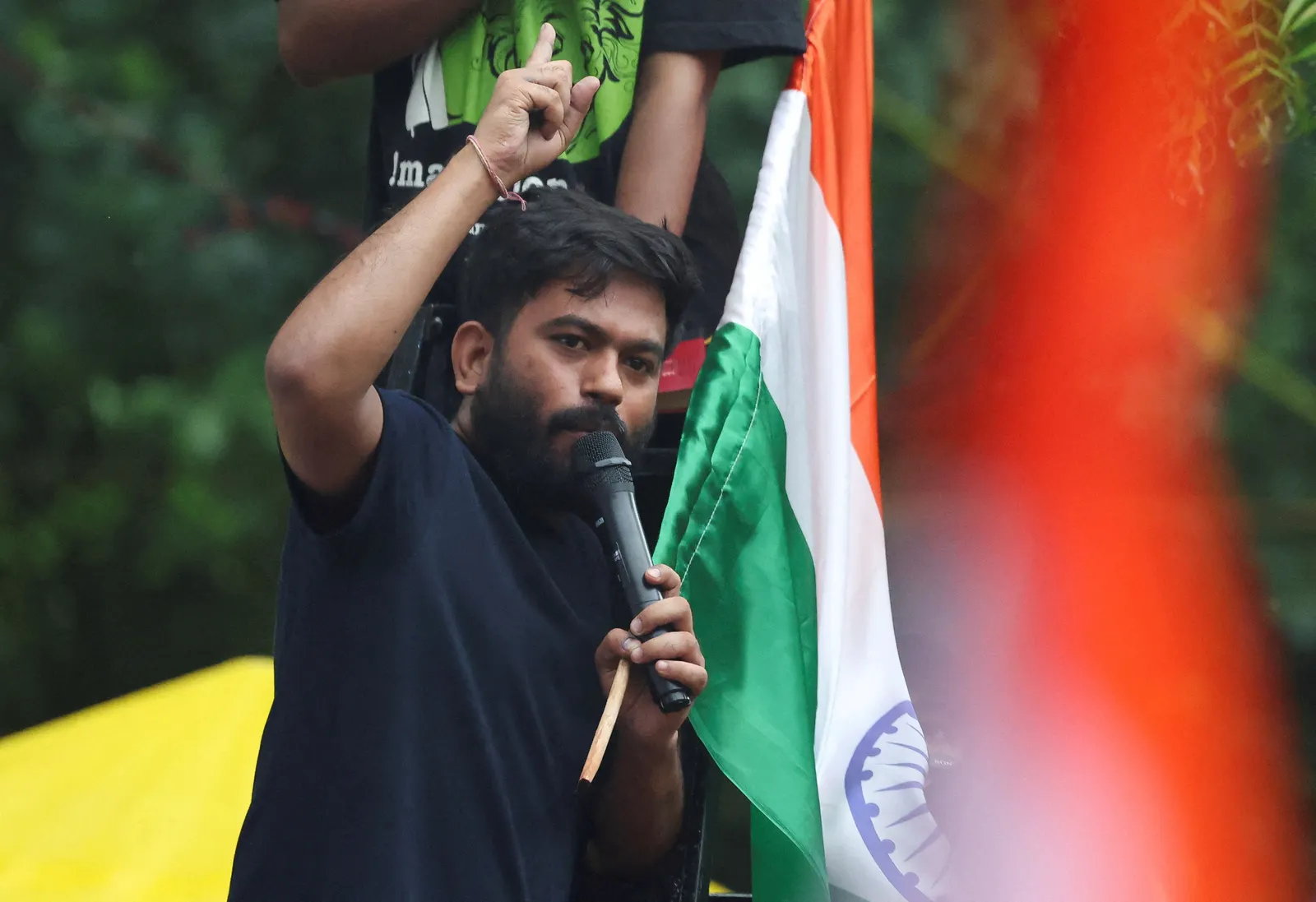
Cockroach Janta Party (CJP) spokesman Saurav Das told the media last night that talks between government ministers and CJP leaders would be held at a neutral venue.
"We hope that the government comes with an open mind and it will listen to the people of this country who have been out on the roads for so long. We will explain our demands to them in greater detail.
"And we hope that the government will listen to us," he said, adding that the nationwide protests will still continue.
"We are not backing out. Because real awakening starts from the grassroots and that is what we really need," Das said.
Delhi Metro shuts stations again
The protests by the CJP began as an online satire and involved only a few hundred young people when they were first launched. But it has grown with the support of millions of online followers, taking the government by surprise.
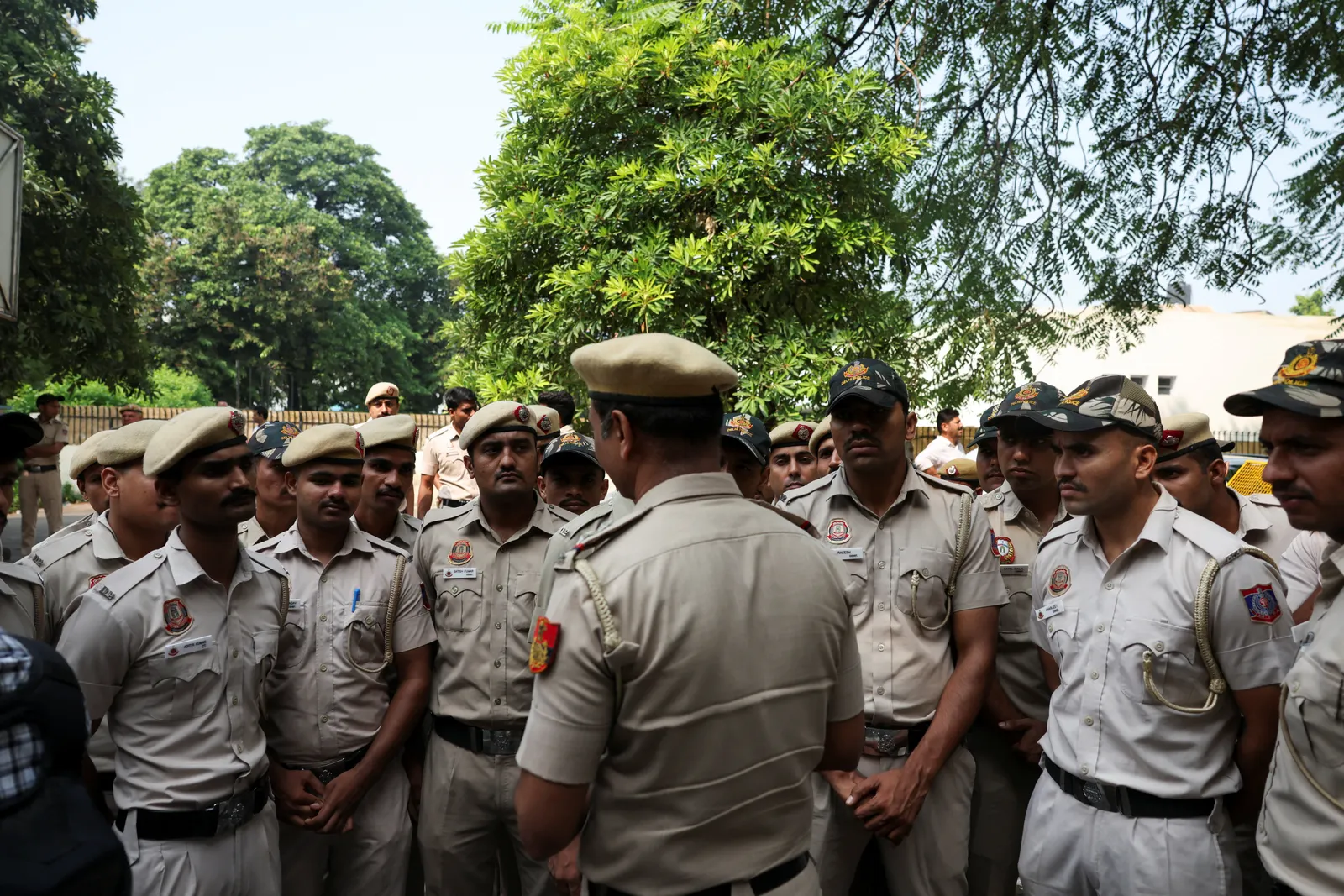
Tens of thousands of supporters of the movement marched on Parliament in violation of a ban on Monday (July 20) and clashed with police when they pushed them back with tear gas and beat them with canes.
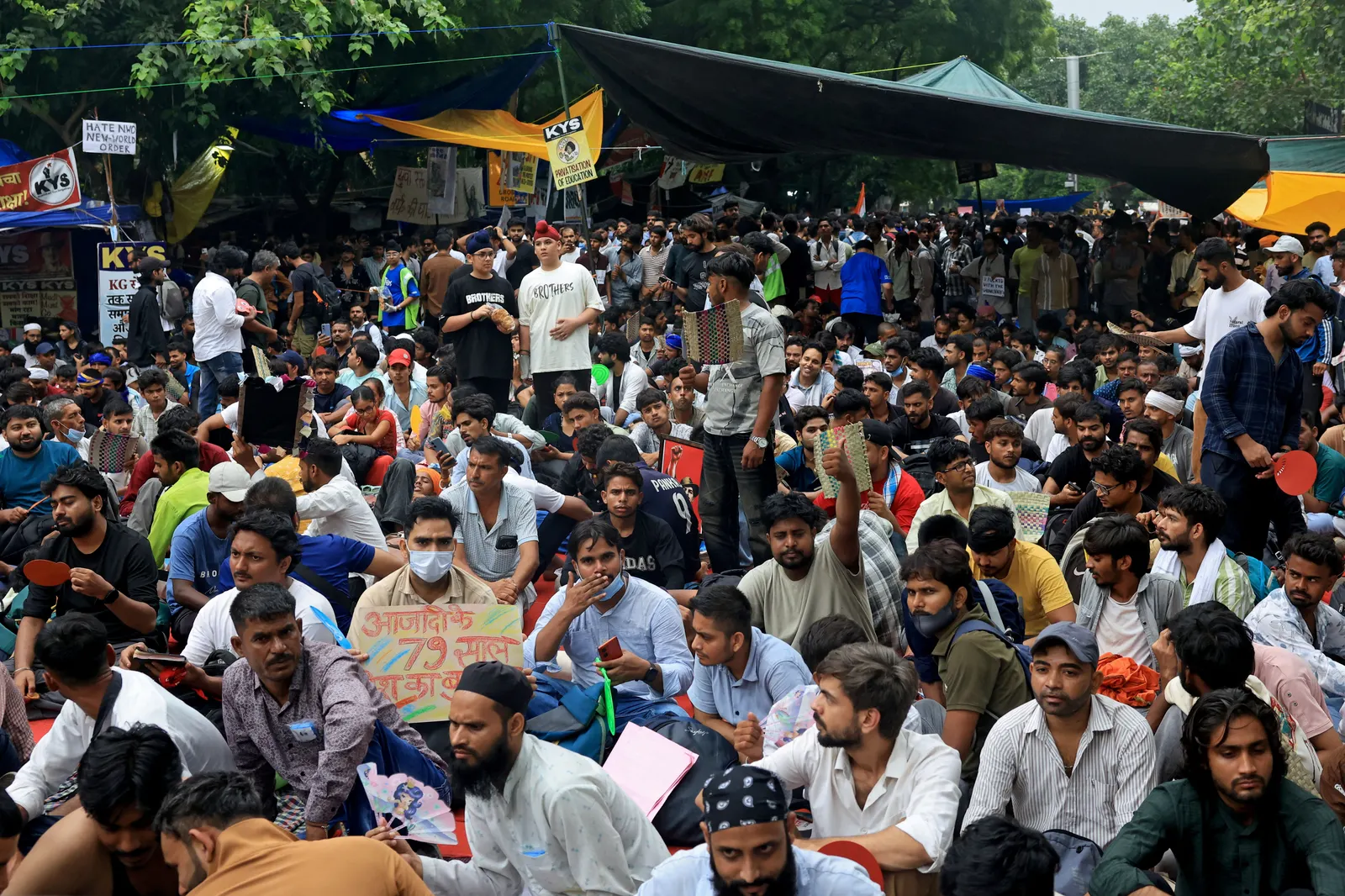
Violence was reported again on Wednesday night (July 22) when more than 10,000 protesters gathered at the Jantar Mantar protest site in central Delhi.
Analysts say the movement's surge in popularity reflects frustrations among young Indians over issues such as job shortages and frequent exam leaks, warning that the government should effectively address the crisis.
On Thursday (July 23), authorities shut 16 metro stations and mobile Internet services and curtailed business in central Delhi, where the protesters have been camped — seen as an attempt to curb the demonstrations — inconveniencing thousands of people.
The Delhi Metro Rail Corp. said it was shutting down 17 stations again from early this morning until further instructions, the third time this week it has resorted to such a large-scale closure of the system, which is the lifeline of the capital.
Last night, Modi said that the federal Cabinet will meet today and discuss a draft to amend laws to punish culprits behind exam paper leaks and get it approved by Parliament at the earliest.
But the protesters have rejected the proposal, saying the examination system should be fixed to prevent leaks in the first place.
Activist Wangchuk is also expected to explain details of his talks with two government ministers in whose presence he broke his fast, through a video likely today.