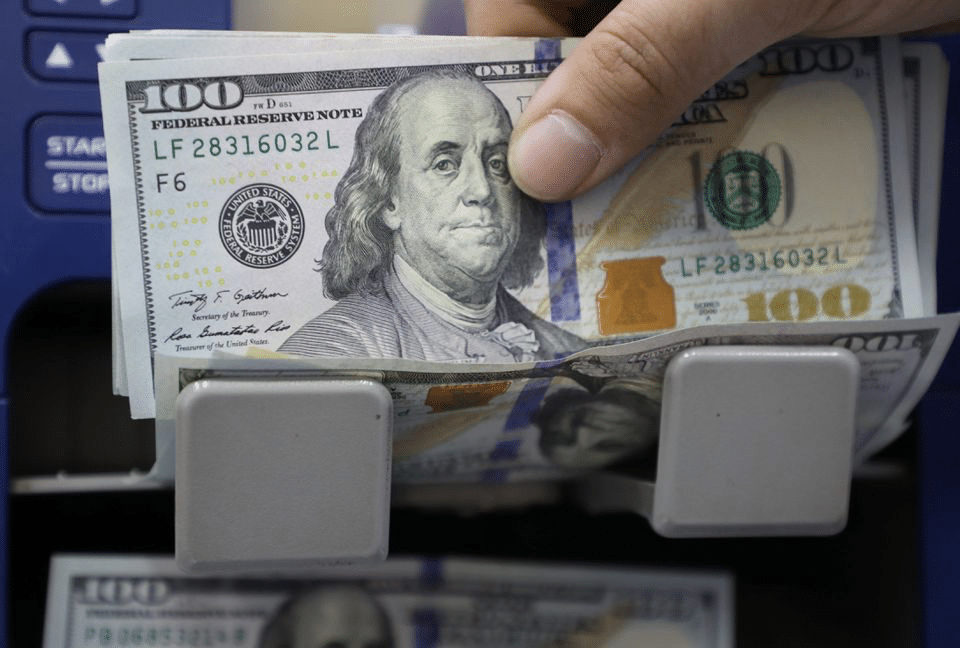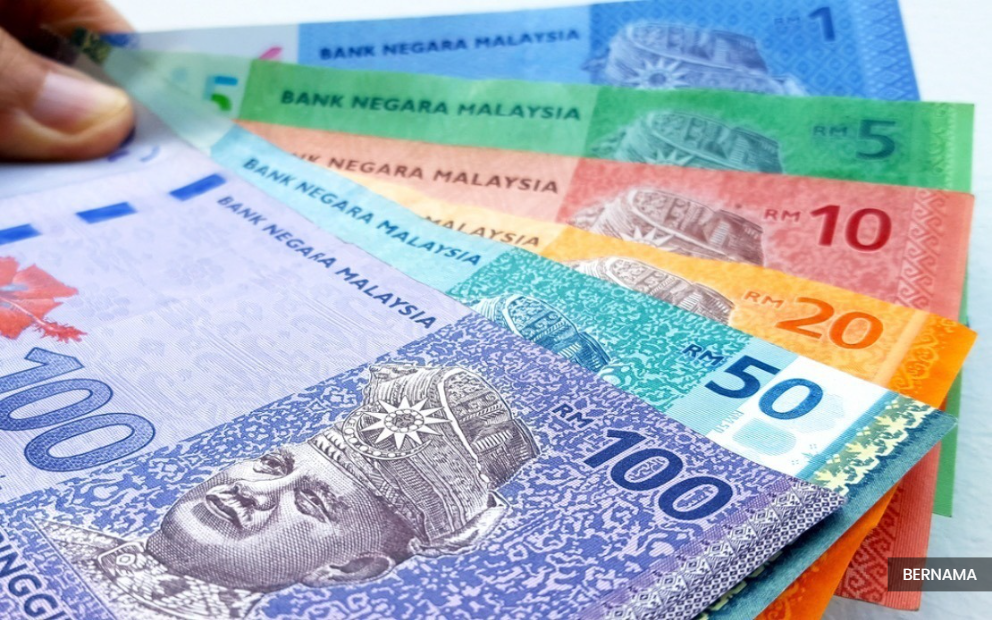

KUALA LUMPUR, July 23 — The ringgit eased against the US dollar in early trade, tracking other major currencies, as the local unit is likely to remain cautious amid lingering tensions in West Asia that continue to disrupt global oil and gas flows.
At 8 am, the local currency stood at 4.0855/0920 against the greenback, compared with 4.0850/0890 at yesterday’s close.
Bank Muamalat Malaysia Bhd chief economist Mohd Afzanizam Abdul Rashid said the key question was how the current situation would affect inflation and, more importantly, the US Federal Open Market Committee’s (FOMC) decision on interest rates.
“The odds of a September rate hike have risen to 64.8 per cent, compared with 51.5 per cent in early July. Hence, it is going to be dollar-positive in the near term,” he told Bernama.
SPI Asset Management managing partner Stephen Innes said the ringgit had traded resiliently this week despite a broadly stronger greenback, reflecting a clear dispersion trade across global foreign exchange markets rather than a simple one-way dollar movement.
“The local currency has been supported by Malaysia’s improving terms of trade following the latest strong trade data, while its status as an energy exporter has also offered some relative protection as oil prices rise,” he said.
Meanwhile, the ringgit was marginally lower against a basket of major currencies.
It appreciated against the Japanese yen to 2.5051/5092 from 2.5057/5081 at yesterday’s close, depreciated against the euro to 4.6624/6698 from 4.6585/6631, and eased against the British pound to 5.4648/4735 from 5.4612/4666 previously.
The local currency also traded mixed against regional currencies.
It weakened against the Singapore dollar to 3.1646/1699 from 3.1635/1668 at yesterday’s close and edged down against the Thai baht to 12.0924/1173 from 12.0787/0944.
The ringgit was flat against the Indonesian rupiah at 228.0/228.4 compared with 228.0/228.3 at yesterday’s close and was also unchanged against the Philippine peso at 6.61/6.63 from 6.61/6.62.