KUALA LUMPUR, July 22 — The proposed 10 per cent tariff on Malaysian goods under the United States’ forced labour-related measures is expected to have a neutral impact on the trade outlook, with the country potentially gaining a modest advantage against higher-tariff regional competitors, according to Kenanga Investment Bank Bhd.
However, the investment bank said the proposal remains subject to consultation and final determination, with Malaysia continuing to engage the US Trade Representative (USTR) under its Agreement on Reciprocal Trade (ART) commitments.
“The principal questions for investors are which products remain in scope once the consultation concludes, and whether Malaysia retains the 10 per cent tier placement that underpins the relative advantage,” it said in a thematic research note today.
From a macro perspective, Kenangan IB does not view the proposed Section 301 measure as a macro regime shift for Malaysia.
It said that unlike the now-invalidated International Emergency Economic Powers Act (IEEPA) reciprocal tariffs, the proposed 10 per cent tariff is intended to replace the temporary Section 122 tariff upon its expiry on Friday, rather than be stacked on top of it.
It explained that for non-exempt products already carrying the Section 122 tariff, the change in absolute burden is therefore limited; for products retained under the final Annex A exclusions, the outcome is tariff relief.
“More significantly, Section 122 is applied uniformly across trading partners and leaves relative competitiveness unchanged, whereas the proposed Section 301 rates are differentiated and Malaysia sits in the lower tier,” it said.
Overall, Kenanga IB does not expect the proposed measure to alter Malaysia’s broader macroeconomic trajectory materially and remains constructive on the growth outlook, with gross domestic product (GDP) expected at the upper end of its 4.5 to 5 per cent forecast range in 2026.
“This is supported by continued resilience in external demand, with exports forecast to grow 9.7 per cent in 2026 (2025: 6.4 per cent), alongside a still healthy current account surplus of 2.1 per cent of GDP (2025: 1.6 per cent),” it said.
It maintained its view that Bank Negara Malaysia will keep the Overnight Policy Rate (OPR) at 2.75 per cent, with inflation expected to remain contained at 2.1 per cent in 2026.
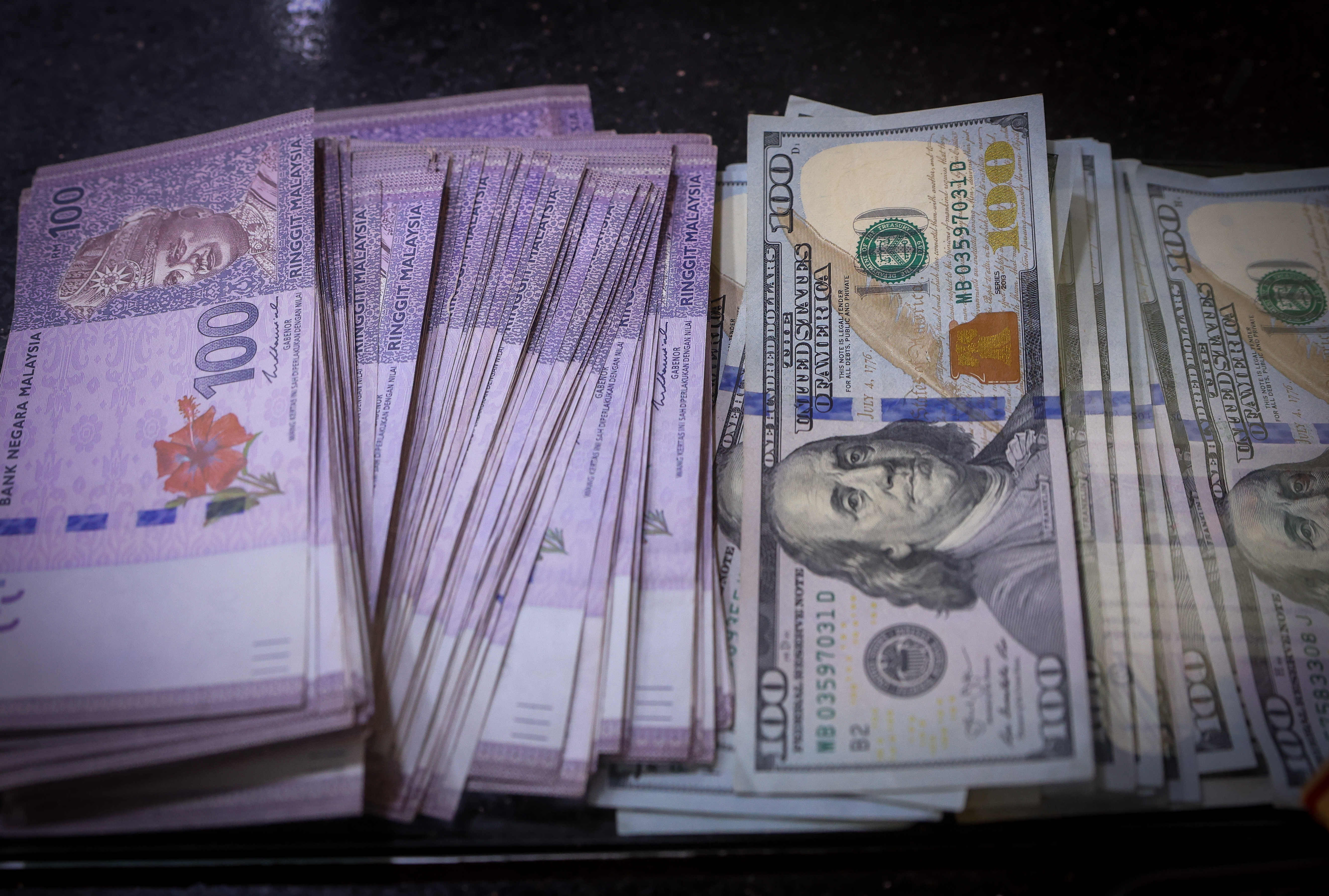
“We also retain our constructive medium-term view on the ringgit, with USD/MYR forecast at 3.95 by end-2026 (end-2025: 4.06). Currency dynamics should continue to be driven predominantly by global factors, including US dollar trends, global risk sentiment and the timing of the US Federal Reserve’s easing cycle,” Kenanga IB added.