GENEVA/WASHINGTON, July 21 — The Trump administration has in recent weeks weighed cutting ties with the United Nations (UN) Refugee Agency (UNHCR), prompting a campaign by diplomats and UN officials to persuade the United States (US) to maintain support.
Eight sources including diplomats, aid sources, and a congressional source told Reuters that Washington — historically UNHCR's largest donor — has been considering disengaging from the agency. Several said a decision had been expected last week, but no announcement was made, suggesting that the lobbying effort may have helped delay or avert a move.
Reuters granted the sources anonymity to speak about UN relations with the US.
Five of the sources said that the US was considering leaving UNHCR, which was created in the aftermath of World War II to help refugees fleeing war, persecution, and violence, following a disagreement over the appointment of the deputy high commissioner.
They said the agency had informed supporters that it could be placed on a US blacklist, ending funding, and that Washington could also withdraw from its governing Executive Committee.
Diplomats and aid officials said that any end to US funding would seriously weaken the agency at a time of near-record levels of displacement around the world amid long-running conflicts like Ukraine and Sudan.
“People have been alerted by UNHCR to call friends in the administration. They are at least thinking about it," a source at an aid group involved in the talks told Reuters.
Another diplomat said UNHCR officials had asked supporters in the past week to use all available diplomatic channels with the United States to urge ongoing support.
A UNHCR spokesman did not respond to a request for comment.
“We have no comment on this issue because we have no information on it," said UN spokesman Stéphane Dujarric.
A US State Department spokesman said there have not been any changes to Washington's engagement with UNHCR.
"As with many other international organisations, we work with and through UNHCR when doing so is useful to advance US foreign policy interests or save lives."
“We will continue to evaluate the United States’ role in international organisations..." the spokesman added, referring to a February 2025 Executive Order to review US participation and funding.
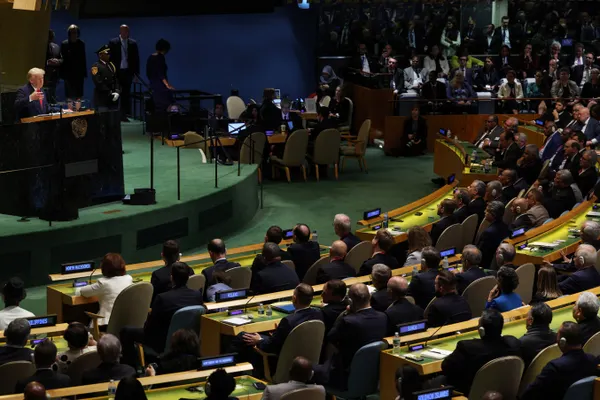
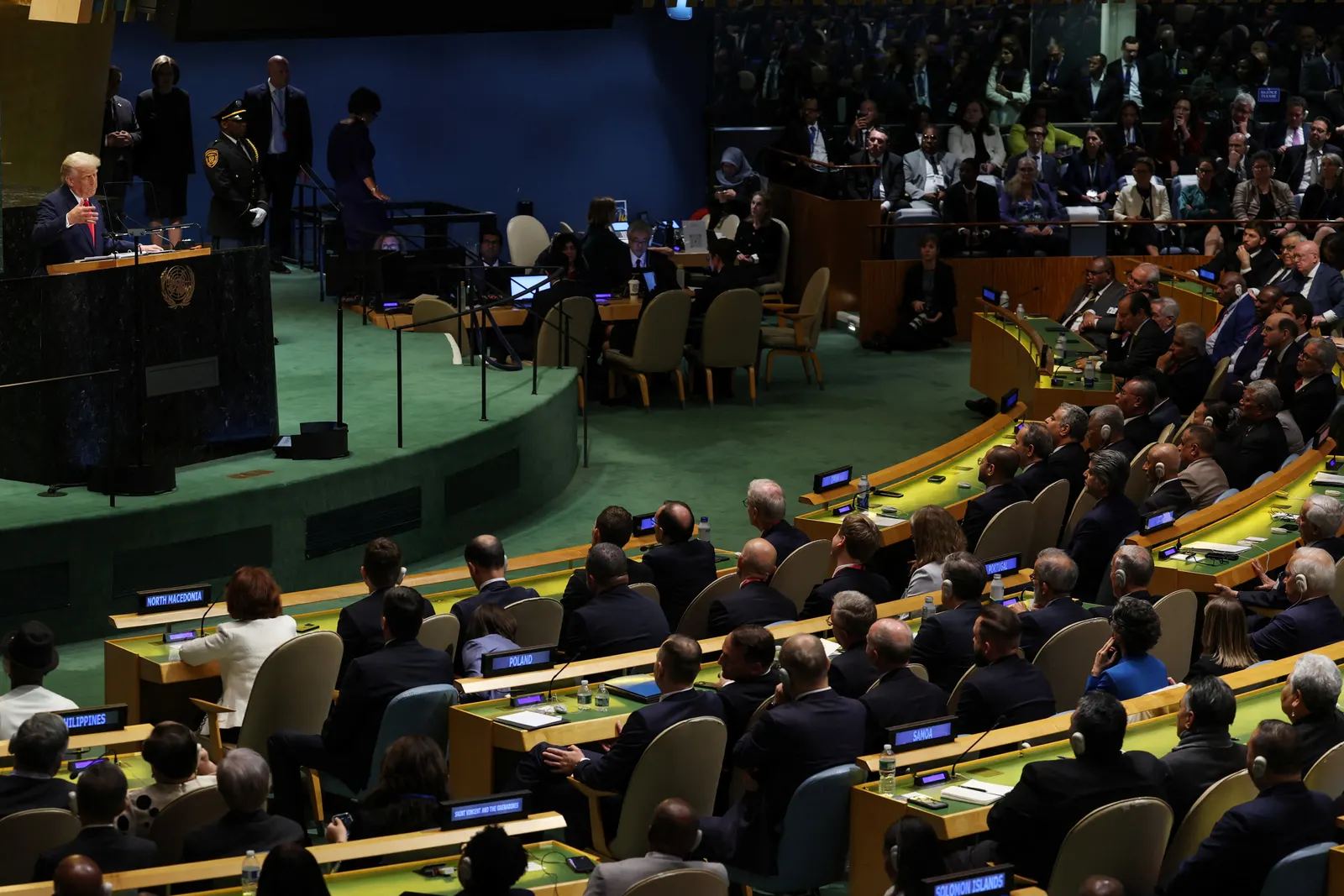
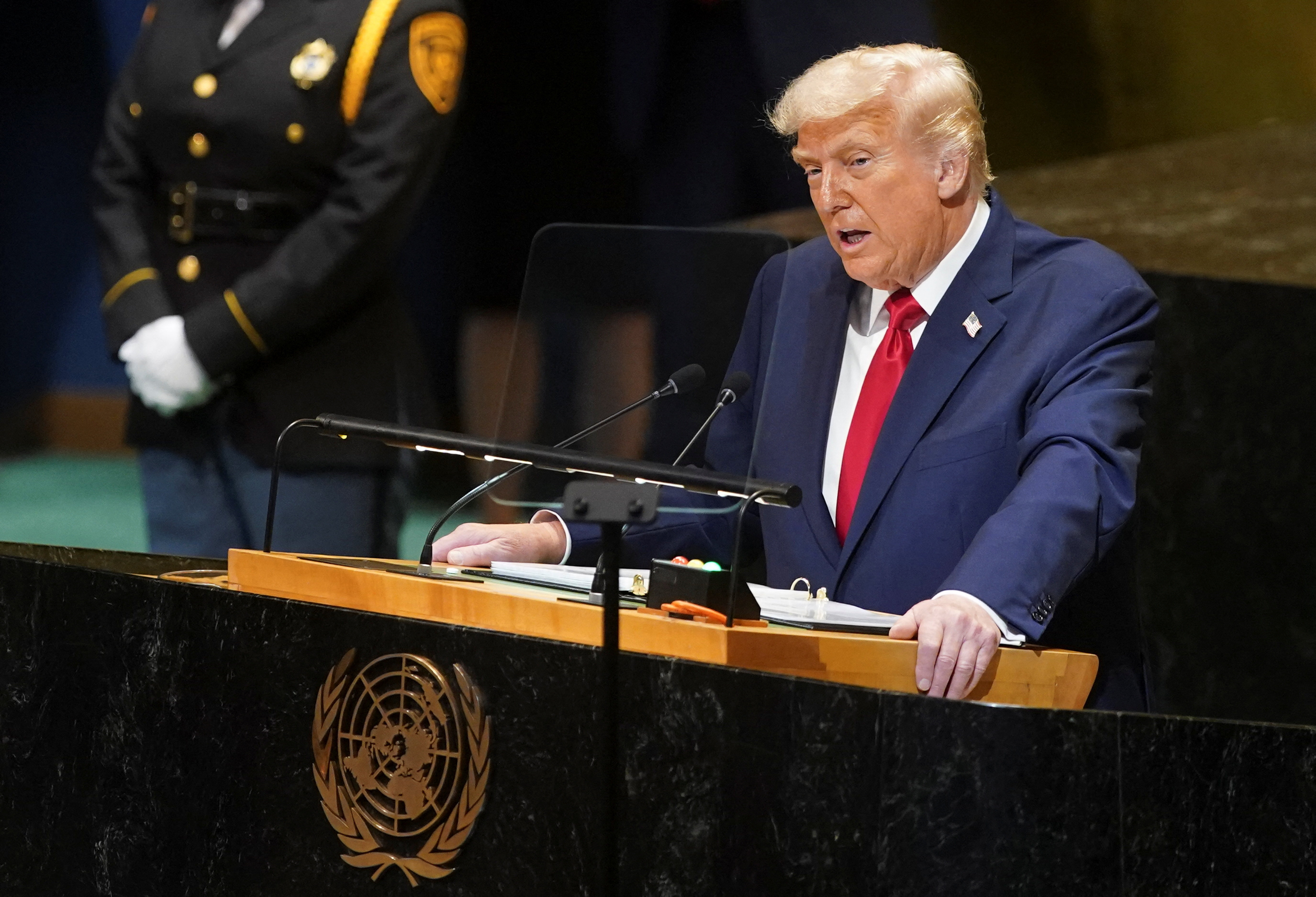
Since beginning his second term last year, President Donald Trump has cut funding for UN agencies and withdrawn from dozens of UN entities, including the World Health Organisation. Trump officials have also urged other nations to join a global campaign to roll back asylum protections.
Leadership dilemma
The dispute centres on last month's appointment of US career diplomat Tressa Rae Finerty as UNHCR's deputy high commissioner.
UN Secretary-General António Guterres and UN High Commissioner for Refugees Barham Salih chose Finerty over Simon Hankinson, a US-backed candidate and former foreign service officer who has accused the UNHCR of pursuing “a mass migration agenda."
"If they wanted reform, a return to UNHCR’s original mission of helping actual refugees, and a careful inspection of budgets and spending, I was the guy,” he told Reuters, calling Finerty a “business as usual” candidate.
Reuters could not reach Finerty for comment.
A former senior UNHCR official said Salih, a former Iraqi president and refugee, would have faced internal "uproar" had he backed Hankinson.
Other UN agencies like the International Labour Organisation have also faced dilemmas over appointing US officials amid questions about the US commitment to global cooperation.
Two of the sources said that the US Bureau of Population, Refugees, and Migration's assistant secretary of state Andrew Veprek, who has espoused anti-migration views, was involved in backing Hankinson's candidacy. The US State Department declined to comment on his involvement.
Top donor
The US was the top donor to UNHCR in 2025, giving US$868 million (RM3.54 billion) or about a quarter of the total contributions.
Reuters reported that it is already facing a financial crisis after available funding fell roughly 30 per cent in 2025 compared with 2024. The agency has cut thousands of jobs and announced further cuts this year.
Diplomats and aid officials said a full US withdrawal would deepen the crisis and undermine support for the 1951 Refugee Convention, the cornerstone of the post-war refugee protection system.
"Rethinking it would be an existential threat for UNHCR. It could have a massive knock-on effect," said the former UNHCR official.