KUALA LUMPUR, July 19 — An economist has cautioned that a national petroleum reserve should not be a standalone energy initiative but rather a component of a broader economic security strategy encompassing food security, critical minerals, semiconductors, and digital infrastructure.
IPPFA Sdn Bhd's investment strategy director and country economist Mohd Sedek Jantan told Bernama that this is because future economic disruptions might originate from multiple strategic sectors, such as food or critical minerals, rather than petroleum alone.
“The lesson is that stockpiles alone do not create resilience; they are most effective when embedded within a broader economic security strategy,” he said.
Sedek reiterated that the success of this initiative should be measured not by the number of barrels stored but by whether it strengthens Malaysia's ability to withstand future geoeconomic shocks.
Resilience should be across multiple sectors rather than just petroleum.
He acknowledged that energy security should become a more important component of Malaysia’s long-term economic strategy, but it should not be viewed in isolation.
Policymakers should recognise that an economic crisis could involve other critical components such as food, critical minerals, or even semiconductors.
Nevertheless, strengthening energy security is increasingly important, Sedek said in response to Prime Minister Datuk Seri Anwar Ibrahim’s proposal to study the creation of a petroleum reserve stock to protect Malaysia against global supply crises and geopolitical conflicts.
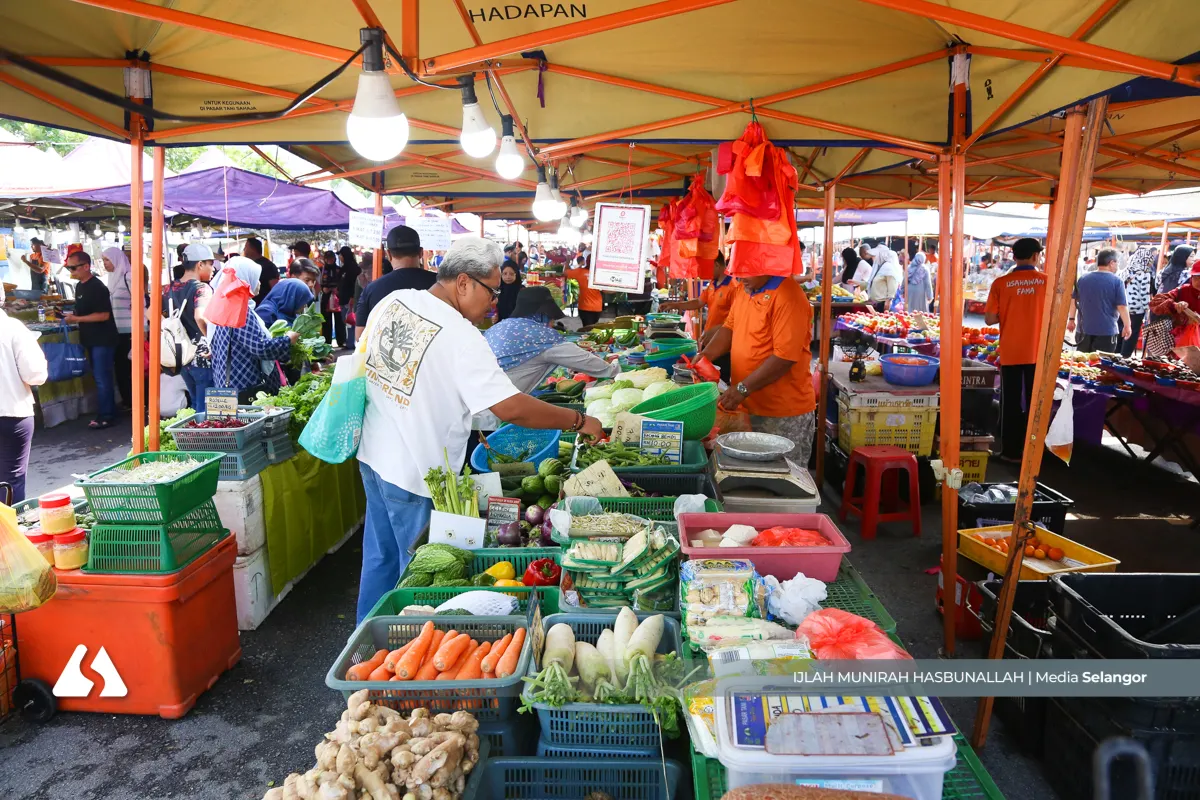
Food security deserves equal priority, as disruptions in global food supplies directly impact inflation, household purchasing power, and social stability, particularly given Malaysia’s dependence on imports for several key food products.
Similarly, reliable energy supplies remain essential to support manufacturing, transportation, and industrial production, making the economy more resilient against external shocks.
“The broader lesson is that the next crisis may not originate from oil. It could involve food, critical minerals, semiconductors, or digital infrastructure.
“Malaysia should therefore build an integrated economic security strategy that strengthens resilience across multiple strategic sectors rather than focusing on a single commodity,” he said.
The proposed petroleum reserve stock should be seen as part of a broader national risk management framework that remains flexible enough to respond to future strategic challenges.
“The priority should not be how much oil Malaysia stores, but whether the reserve forms part of a broader national risk management framework.
“First, the government should clearly define its purpose. A strategic reserve should safeguard the economy during genuine supply disruptions rather than be used to influence short-term market prices,” Sedek said.
Secondly, the study should also establish a flexible framework for managing future strategic risks.
“Today's priority is petroleum, but tomorrow's challenge could involve food security, critical minerals, semiconductors, or other strategic resources, and the objective should be to develop an adaptable methodology for identifying and responding to emerging vulnerabilities.
“Third, implementation must be commercially and fiscally sustainable, whereby decisions on reserve size, financing arrangements, storage facilities, and governance should be guided by rigorous cost-benefit analysis to ensure long-term value for public resources,” he said.
Malaysia could also learn from countries such as Japan, where strategic reserves are integrated with diversified supply chains, resilient logistics, and strong public-private coordination.