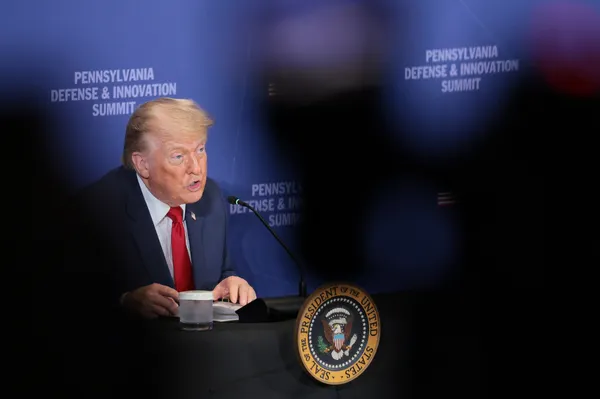
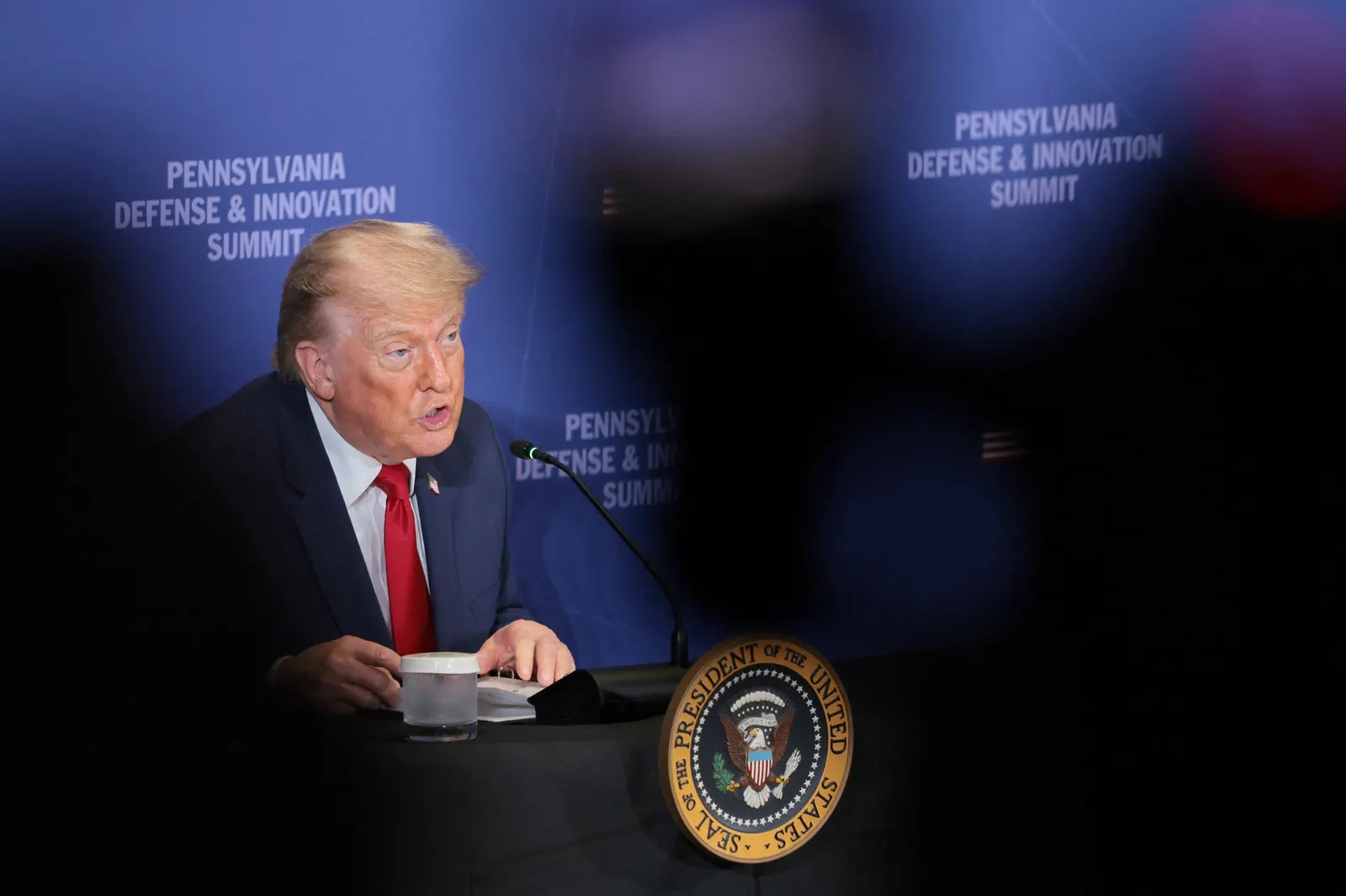
WASHINGTON, July 16 — Donald Trump's renewed accusations that China meddled in the United States (US) elections could complicate his fragile truce with Chinese leader Xi Jinping just two months before a planned summit in Washington.
On Thursday, the US President revived his long-running complaints about voting systems and election administration as Republicans face challenging congressional elections in November.
His comments focused heavily on China and included the claim, previously denied by Beijing, that the country improperly acquired data about millions of US voters.
"This data loss presents an unprecedented election security nightmare," Trump said.
China's Foreign Ministry did not immediately respond to a request for comment on the speech. Before the address, the Chinese Embassy in Washington's spokesman Liu Chang said: "China has never and will never interfere in the presidential elections of the US."
Carefully orchestrated trade truce
Trump, who frequently boasts of a warm personal relationship with Xi, at times sounded personally aggrieved by China's efforts.
"The Chinese government wanted (the) US President to lose the next election, and the reason they wanted me to lose is because they knew I was wise to them," he said.
Those comments, delivered in a rare prime-time address, marked a sharp departure from Trump's more recent, respectful remarks towards Beijing, which Washington regards as its biggest international rival.
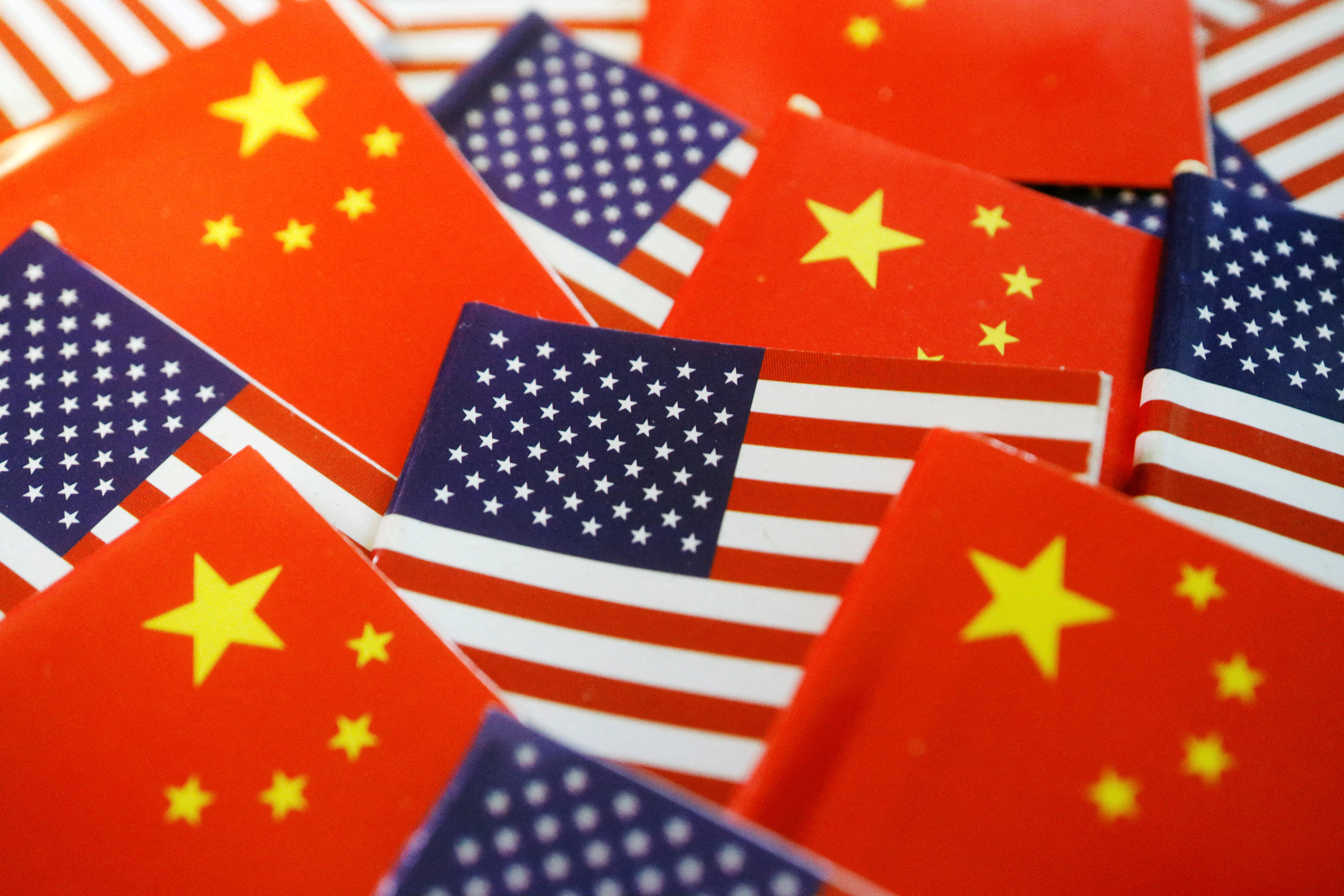
The speech could also derail the carefully constructed truce that paused last year's trade war between the world's two biggest economies.
The White House did not respond to a request for comment on the impact of the speech on US-China ties.
After imposing triple-digit tariffs on China in 2025, he backed off in October last year amid fears that Beijing's retaliatory block on rare-earth metal exports could hobble US manufacturing.
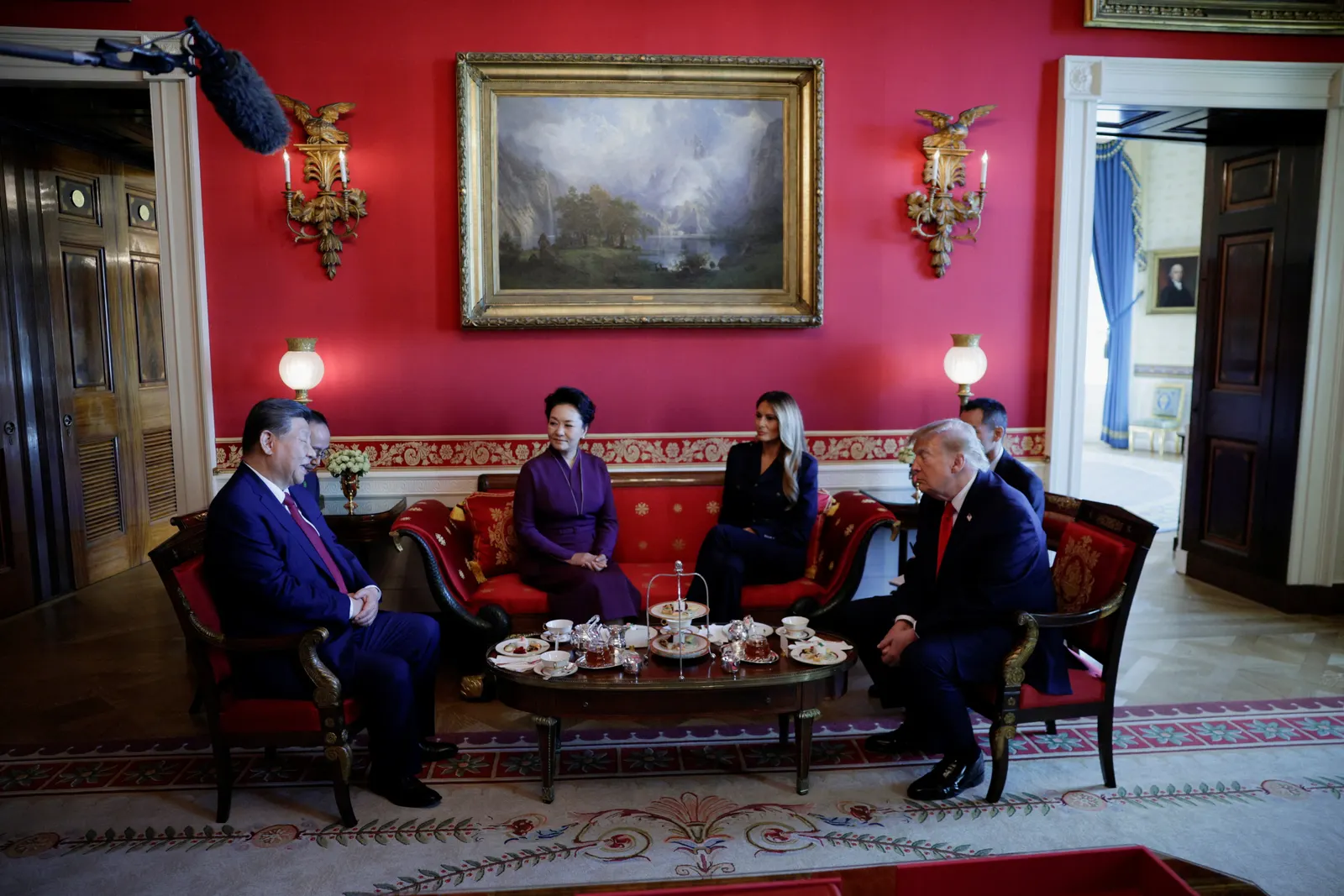
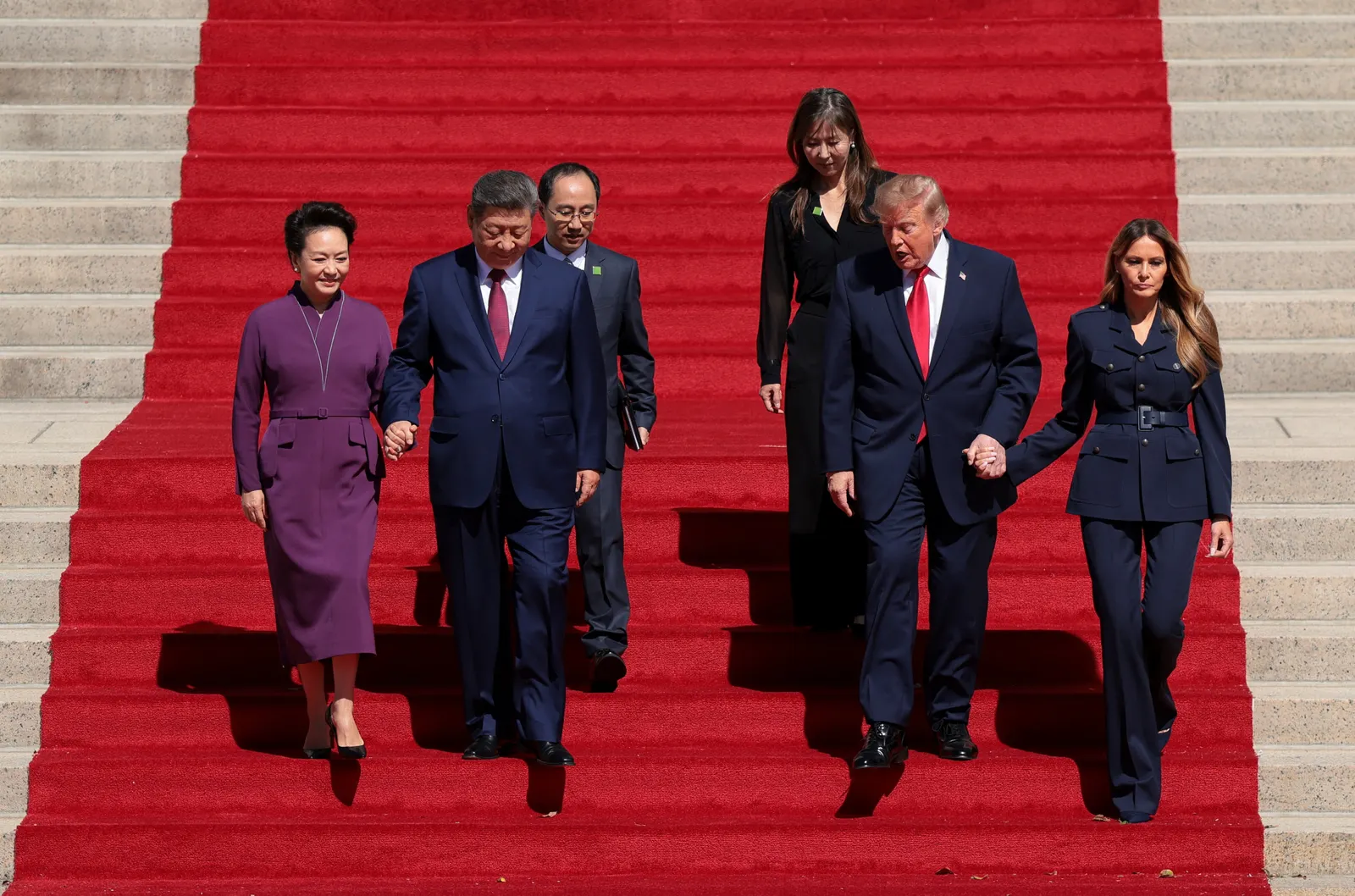
Xi hosted Trump for a lavish state visit in May, during which he soft-pedalled disputes over Taiwan and called Xi a "friend."
Trump then invited Xi to visit Washington on September 24, and he is considering attending the Asia-Pacific Economic Cooperation summit in Shenzhen, Guangdong, in November.
China has not yet confirmed Xi's visit to Washington. Beijing has privately told the Trump administration that future meetings between the leaders will depend on maintaining positive relations, according to two people familiar with those conversations.
However, Beijing could take Trump's comments on Thursday in stride.

Trump's history of election-related claims
His speech was seen as calculated to serve domestic political purposes rather than to reorient policy toward China, according to a person familiar with Beijing's initial reading of the speech.
Notably, Trump's 25-minute remarks from the White House's East Room did not include any call to punish Beijing. That could temper Beijing's reaction.
This was not his first time making allegations about China and election interference, which Trump has used to support the debunked claim that the 2020 election, which he lost to Joe Biden, was rigged against him.
During his first administration, government officials publicly stated that Chinese hackers were targeting election infrastructure ahead of the 2020 vote.
A 2021 US intelligence community assessment found no indications that any foreign actor, including China, attempted or succeeded in altering “any technical aspect” of the 2020 presidential election, including voter registrations, ballots, tabulations, or results.
In his speech on Thursday, Trump blamed unnamed "Deep State" bureaucrats for failing to warn him about election-security vulnerabilities.
It was unclear if the Trump administration would take any actions against China after the speech, though the President directed law enforcement to pursue any wrongdoing.
Over the last year, his administration has privately warned China that it will protect its national security interests and that it could take actions Beijing dislikes, according to people familiar with the conversations.
But the White House has also in recent months closely monitored executive-branch agencies' proposed steps against China and discouraged some new policies that could rile China, according to another person briefed on the approach.
“President Trump is using a false claim about Chinese interference to push Congress to pass legislation to restrict access to voting.
"He must believe that his rapprochement with Xi Jinping, including a visit by Xi to Washington in September, will withstand this," said the White House National Security Council's former senior director for East Asia Mira Rapp-Hooper.