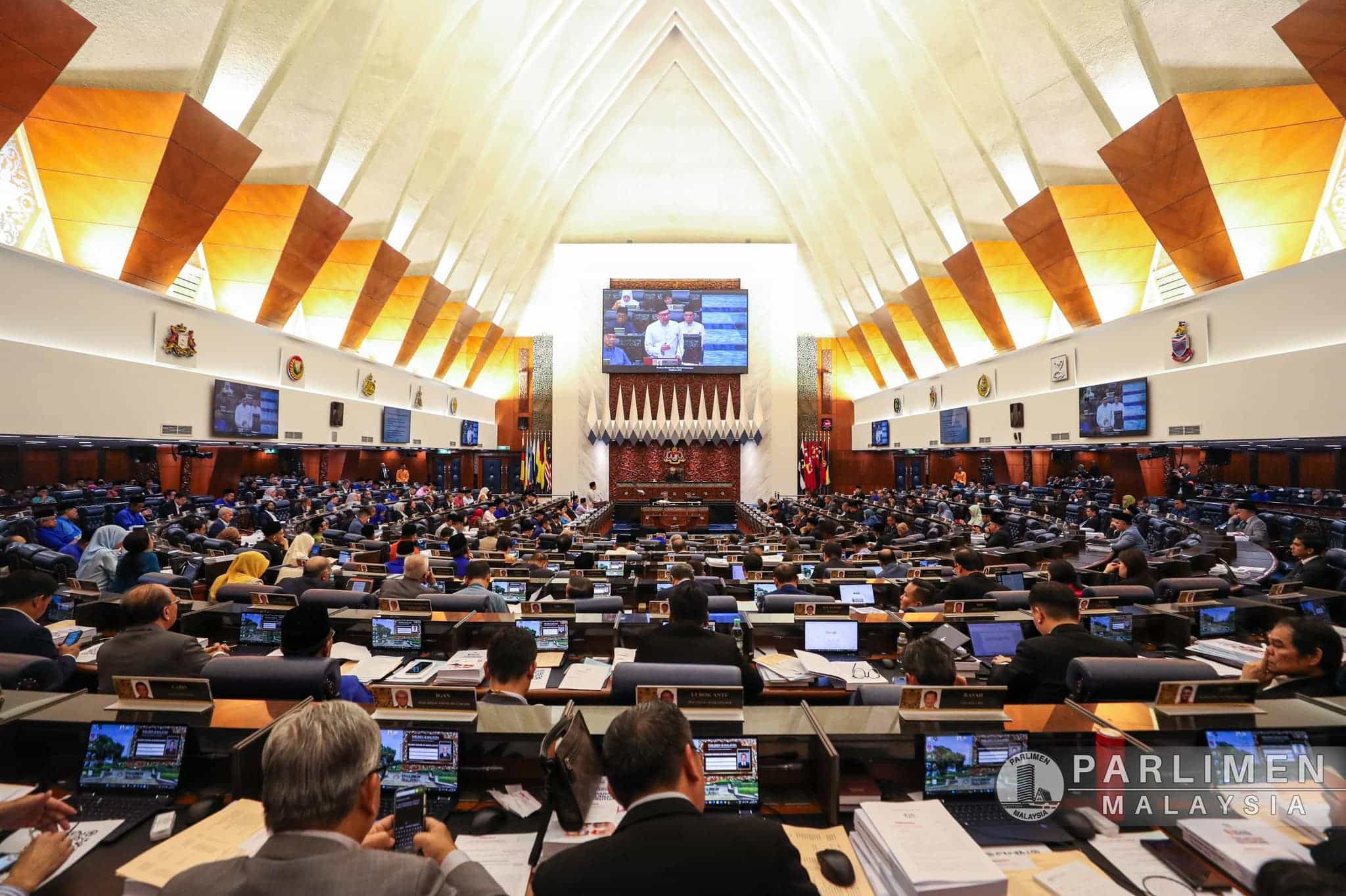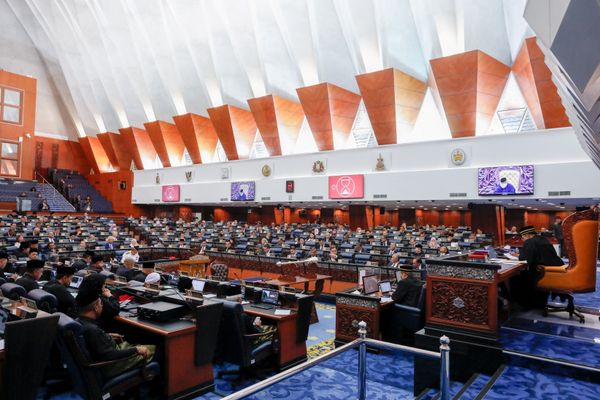
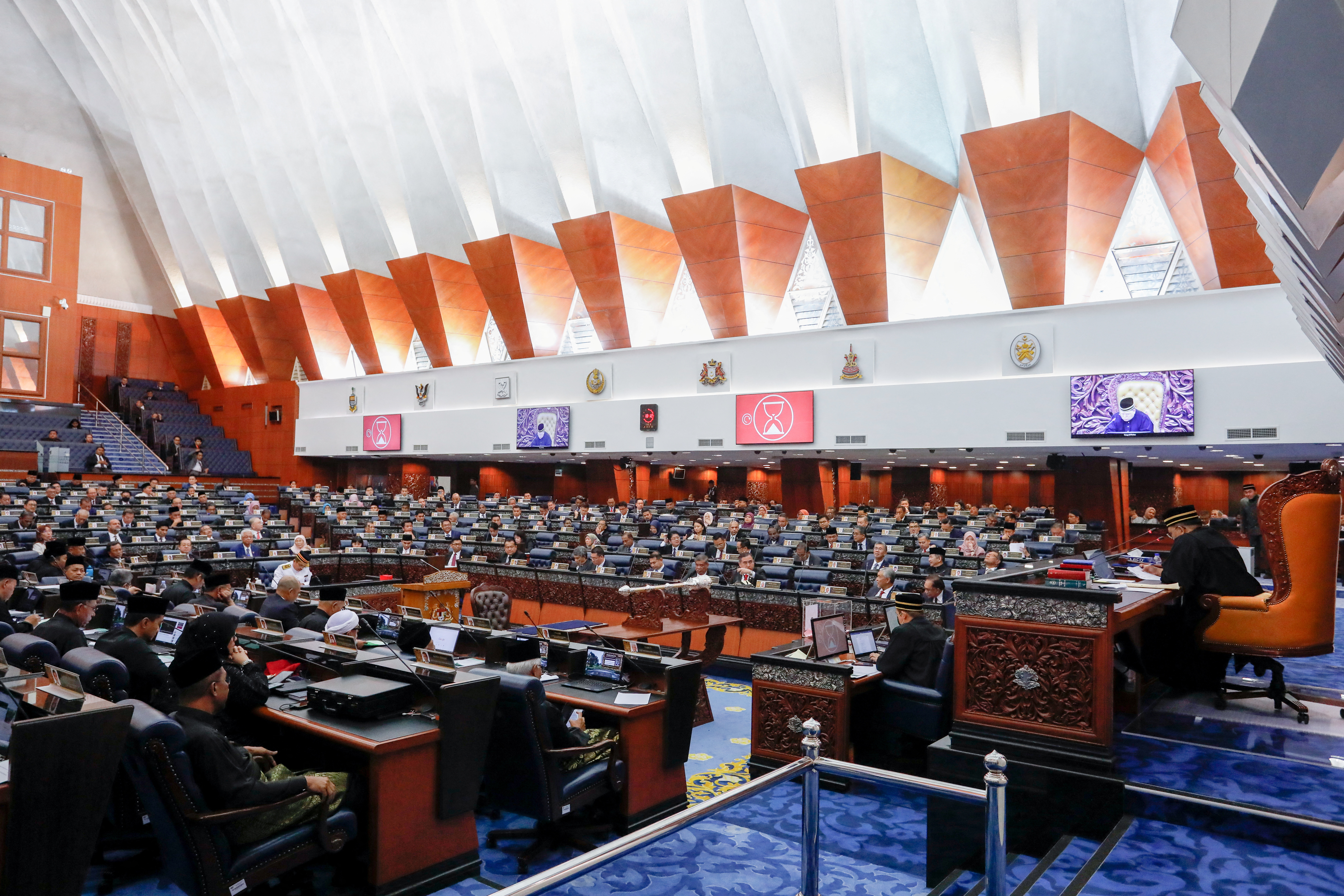
KUALA LUMPUR, July 14 — The Dewan Rakyat today passed the Witness Protection (Amendment) Bill 2026, aimed at expanding access to the Witness Protection Programme.
The Bill was passed by a majority voice vote after being debated by 13 MPs from both the government and opposition blocs and featured key amendments, including a revision to Subsection 7(3) of the Witness Protection Act 2009 (Act 696), allowing applications for admission into the programme to be made by a parent on behalf of a witness who lacks legal capacity.
The Bill also amends Section 13(2) of Act 696 by adding psychological assistance, such as counselling, as part of the support that may be provided to programme participants.
When tabling the Bill for its second reading, Minister in the Prime Minister's Department (Law and Institutional Reform), Datuk Seri Azalina Othman Said, commented that experience implementing the programme had shown that several aspects needed strengthening to ensure it remains relevant in addressing current challenges.
During the winding-up of the debate, Deputy Minister in the Prime Minister's Department (Law and Institutional Reform) Kulasegaran Murugeson said the programme has proven effective in enhancing the criminal justice system, including by supporting prosecutions in various high-profile cases.
Witnesses would be able to testify without fear of threats or intimidation when their identity and safety are protected, and it would help prosecutors to present more complete and compelling evidence to the courts.
"This helps ensure smooth legal proceedings, reduces the risk of witnesses withdrawing or refusing to testify, and contributes to the overall effectiveness of the prosecution process," he said.
Earlier during the debate, most MPs voiced support for strengthening protections for witnesses and whistleblowers, while also proposing various measures to improve participant welfare and the programme's transparency.
Batu Pahat MP Onn Abu Bakar urged that mental well-being be adopted as one of the programme's key performance indicators, noting that witnesses in serious criminal cases often suffer severe trauma, threats, and emotional distress, sometimes forcing them to abandon their previous lives.
He also proposed providing one-off financial assistance and resettlement support for participants after they leave the programme, and recommended using technologies such as secure digital identities, encrypted communications, and high-security monitoring systems to address cyber threats.
Kepong MP Lim Lip Eng proposed establishing an independent panel to review decisions relating to the termination of witness protection, while also allowing limited access to the High Court through closed-door proceedings to safeguard participants' confidentiality and security.
Jerlun MP Abd Ghani Ahmad emphasised the importance of ensuring witness safety and incorporating checks and balances to encourage the public to come forward as witnesses in court, pointing out that comprehensive security guarantees were a fundamental prerequisite for combating organised crime and corruption.
Meanwhile, Klang MP Ganabatirau Veraman described the amendments as progressive, particularly in protecting vulnerable groups such as children and persons lacking legal capacity.
However, he said the government should provide an alternative representative mechanism — such as appointing officers from the Social Welfare Department — in cases where a conflict of interest involves parents or guardians.
Sabak Bernam MP Kalam Salan also supported the amendments but urged the government to clearly define the term "lacks legal capacity" to prevent any potential abuse.