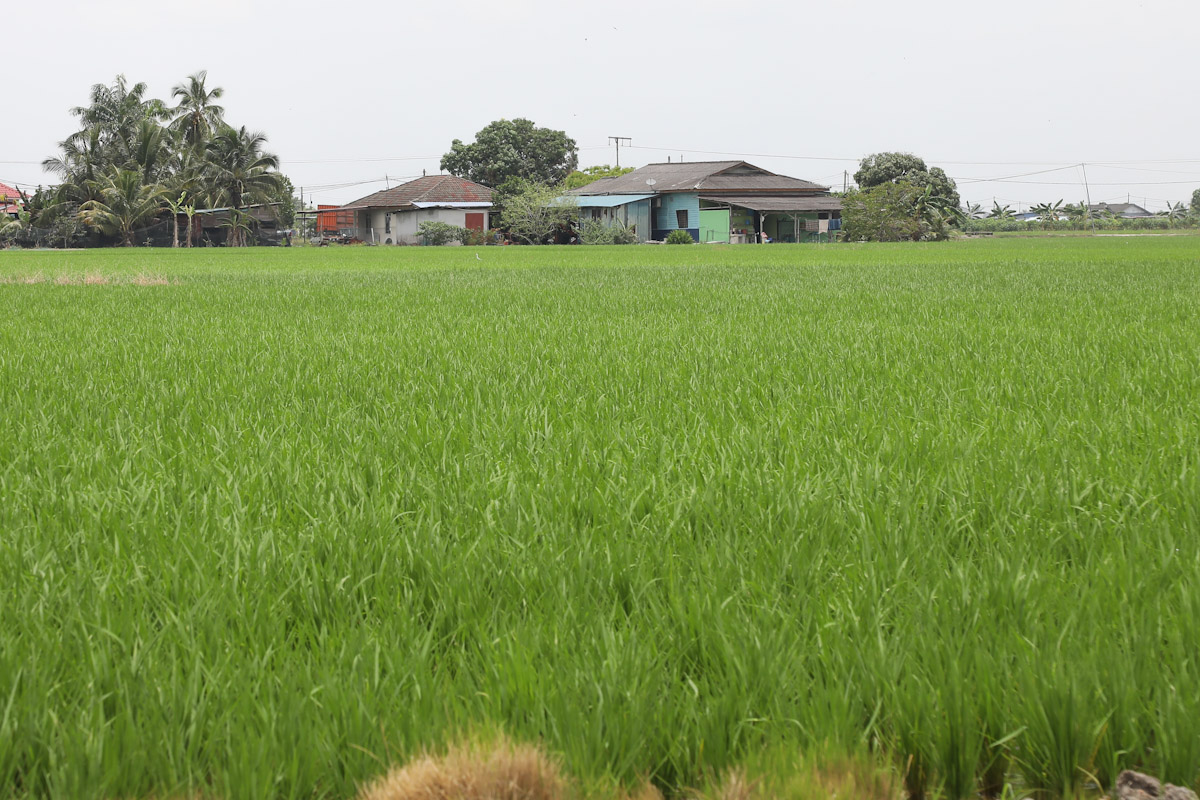
KUALA LUMPUR, July 9 — MPs today proposed a series of measures to strengthen the national padi industry, including expanding cultivation areas, accelerating the adoption of modern technology, improving the padi floor price mechanism, and enhancing protection for padi farmers.
The proposals were put forth by both government and opposition MPs during the debate on the Control of Padi and Rice (Amendment) Bill 2026, which received broad support alongside calls for further improvements.
Datuk Matbali Musah (GRS-Sepitang) said Malaysia can no longer afford to depend on imported rice, warning that disruptions to global supply chains caused by wars or international crises could threaten food security.
He urged the government to identify more areas suitable for padi cultivation and harness modern technologies such as AI, drones, mechanisation, and smart irrigation systems to increase productivity.
“In Sabah, there are still vast tracts of land with strong development potential. Along the west coast, from Papar to Sipitang alone, more than 4,000ha have been identified as suitable for padi cultivation.
"If these areas are developed using modern methods, including mechanisation, smart irrigation and new technologies, Sabah has the potential to become a major contributor to the nation's rice supply,” he said.
Matbali also proposed strengthening the Sabah Padi and Rice Board (LPBS) by giving it broader powers over rice supply monitoring, real-time stock data collection, joint enforcement operations, state food security planning and the coordination of rice distribution during emergencies.
Meanwhile, Ahmad Fakhruddin Fakhrurazi (PN-Kuala Kedah) said while the bill seeks to expand ministerial powers to formulate more comprehensive regulations, such authority must be matched with a high level of accountability.
He added that the formula for determining the padi floor price should reflect the actual cost of production, including expenditure on seeds, fertilisers, pesticides, diesel, labour, machinery rental and irrigation.
In the same vein, Lim Lip Eng (Harapan-Kepong) said the proposal to require padi buyers to obtain licences should be accompanied by stronger safeguards for farmers, including mandatory records of weighing and grading, fixed payment timelines and financial guarantees in the event of buyer default.
He said Malaysia could adopt practices similar to those in Canada, where licensed grain companies are required to provide financial security to protect payments to producers while maintaining detailed shipping records on the grade, weight and date of delivery.
“Malaysia should require licensed padi buyers to issue complete transaction records, make payments within the stipulated timeframe and provide reasonable financial guarantees,” he said.
Earlier, Deputy Agriculture and Food Security Minister Datuk Chan Foong Hin, when tabling the bill for its second reading, said the government is proposing tougher penalties, including increasing the maximum fine to RM1 million, to curb irregularities in the padi and rice industry.
Twenty MPs participated in the debate before the Dewan Rakyat adjourned its sitting until July 13.