WASHINGTON, July 7 — Oil prices rose on Tuesday as reports of attacks on vessels near the Strait of Hormuz revived fears of disruptions to shipping through the critical energy transit route.
Brent crude futures gained ¢89, or 1.24 per cent, to US$72.88 a barrel, while U.S. West Texas Intermediate crude rose ¢71, or 1.04 per cent, to US$69.26 a barrel at 0939 GMT.
"The overriding theme this morning is a ship being shot at in the Strait of Hormuz. That is bringing some geopolitical risk premium back into the price.
"It is not a lot compared with what we have seen in the past, but it is the main driver behind the bid in the market. So if there is any further escalation, then US$75 would be the natural level to look at next, ahead of US$80," said Saxo Bank analyst Ole Hansen.
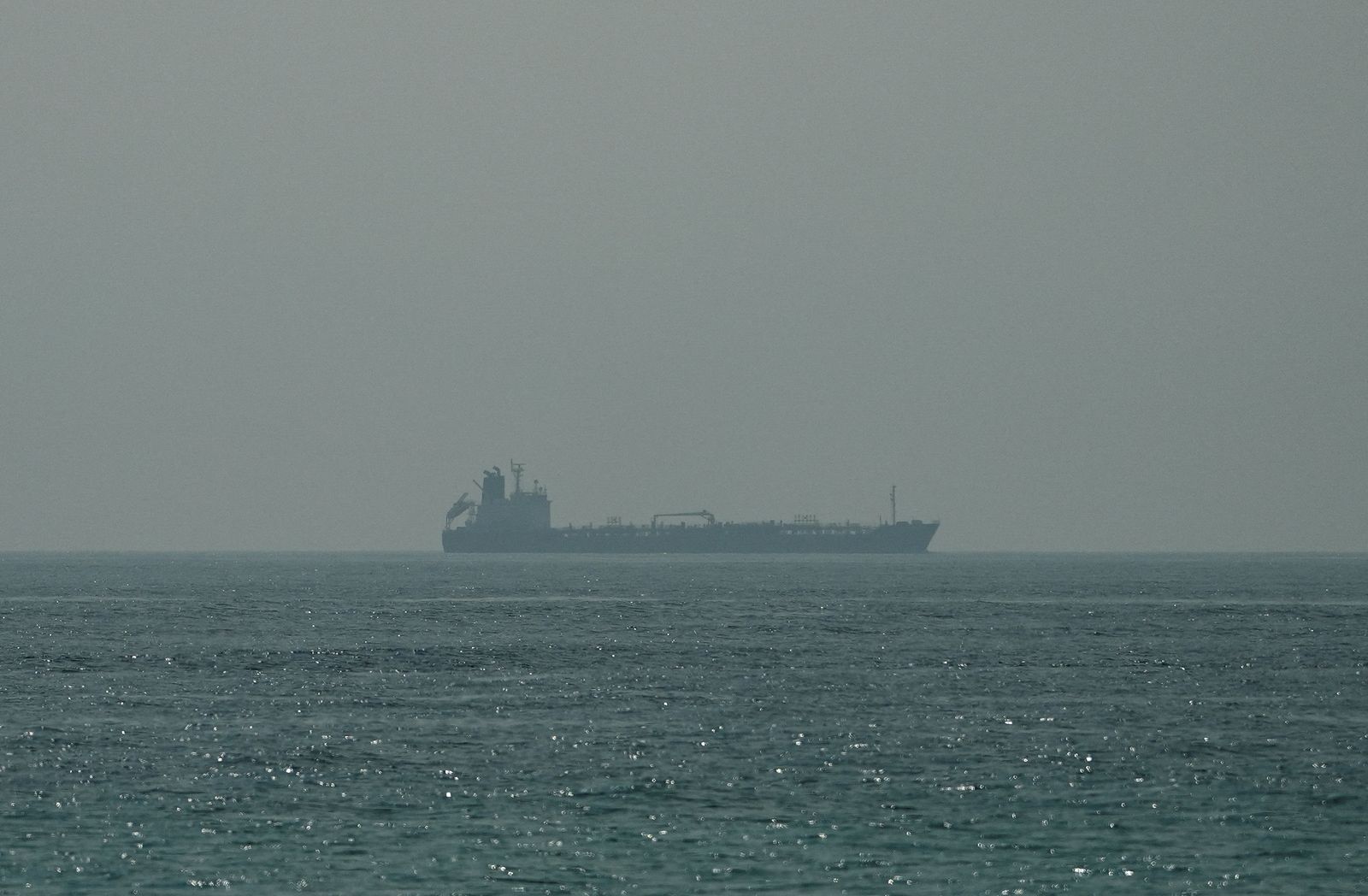
On Tuesday, maritime security sources said that a Saudi-flagged crude oil tanker was damaged near the Strait of Hormuz — close to the coast of Oman — after a Qatari liquefied natural gas tanker was struck in the same area.
Four sources with knowledge of the matter said on Tuesday that a Qatari liquefied natural gas (LNG) tanker suffered significant damage after it was hit as it travelled through the Omani side of the strait, following reports that Iran's Revolutionary Guards fired missiles at ships transiting through the waterway overnight.
Meanwhile, Iran's Foreign Minister Abbas Araqchi said on Tuesday that talks to reach a final deal between Tehran and Washington will not take place if the United States (US) continues its threats, following President Donald Trump's threat to "finish the job" unless a deal is reached.
Investors are monitoring talks between the US and Iran and their implications for shipping through the Strait of Hormuz, which, prior to the start of the Iran war, carried a fifth of the world’s daily oil and LNG supply.
Shipping data has revealed that Japan will receive a boost in Middle East crude supply this month as two more stranded Japanese-owned supertankers carrying Saudi oil were exiting the Strait of Hormuz on Tuesday.
Societe Generale said the oil market is expected to shift from a deficit into a surplus in late 2026 and through 2027 as supply growth outpaces slower demand growth.
The bank cut its oil price forecasts to US$75 a barrel for the fourth quarter of 2026 from US$83 previously and to an average of US$73 a barrel in 2027 from US$79, adding that inventories should gradually rebuild, although volatility is likely to remain high.
According to five sources close to the matter, Saudi Arabia is considering expanding the capacity of its crude oil pipeline to the western Red Sea coast, a move that would enable the kingdom and possibly its neighbours to transport more oil without using the Strait of Hormuz.