PUTRAJAYA, July 2 — Food waste among households in Malaysia is estimated at between 31.9kg and 97.3kg per capita annually, said chief statistician Datuk Seri Mohd Uzir Mahidin.
He said that based on the National Household Indicators Survey 2025, food waste is more significant for processed or cooked food rather than raw food, with 94.1 per cent of households reported to have thrown away processed or cooked food compared with 88.7 per cent for raw food.
“These findings show a large portion of food waste occurs after food has been prepared, highlighting the importance of better household practices in terms of meal planning, food preparation, and leftover management,” he said in a statement today.
He said 79.3 per cent of households dispose of food along with other household waste, while only 20.7 per cent separate food waste, showing that it is still not a common practice, thus posing a challenge to efforts to improve organic waste management and reduce reliance on landfills.
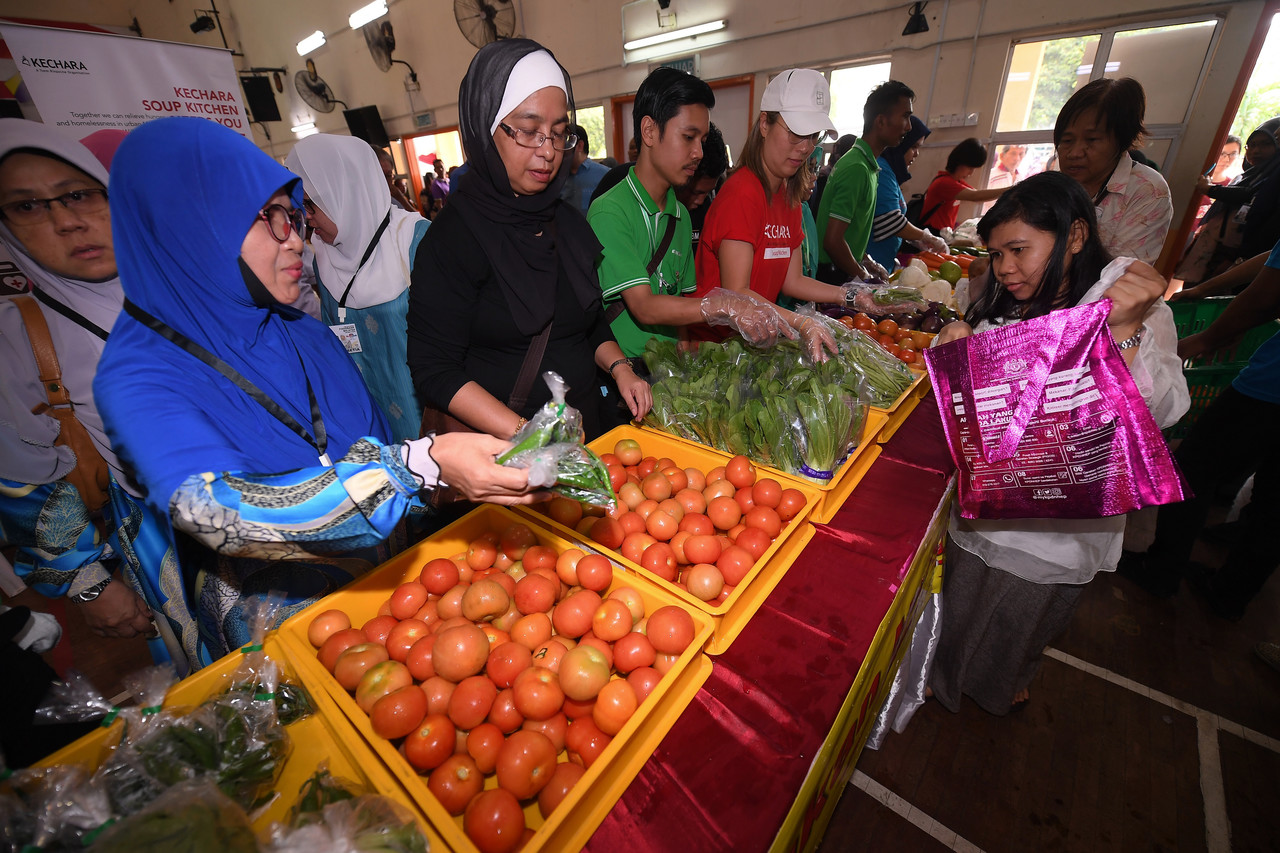
Uzir said that by food type, vegetables were the most wasted category of raw food at 29.1 per cent, followed by fruits (22.4 per cent), and seafood (15 per cent).
As for processed or cooked food, he said rice (16.7 per cent) recorded the highest wastage rate, followed by vegetables (15.8 per cent), and takeout (13.8 per cent).
“This pattern shows that food waste mainly involves perishable fresh food and staples commonly prepared in large quantities,” he said.
He said 19.3 per cent of food waste was due to expiration, while other factors included storing leftovers in the refrigerator or freezer for too long (18.1 per cent), overbuying (15.2 per cent), and cooking in excess (15.1 per cent).
“These findings show that food waste is largely influenced by food management practices at the household level, especially in terms of purchasing planning, food storage, and portion control in food preparation,” he added.
Uzir said the pattern of household food waste in Malaysia is largely in line with the global trend of 79kg per capita per year.
However, he said, Malaysia has its own local characteristics, influenced by the eating habits of the community, especially the wastage of rice and vegetables.
“The information produced will support evidence-based policy formulation and raise public awareness on the importance of more efficient food management practices, thus contributing to the achievement of the country’s sustainable development agenda,” Uzir added.