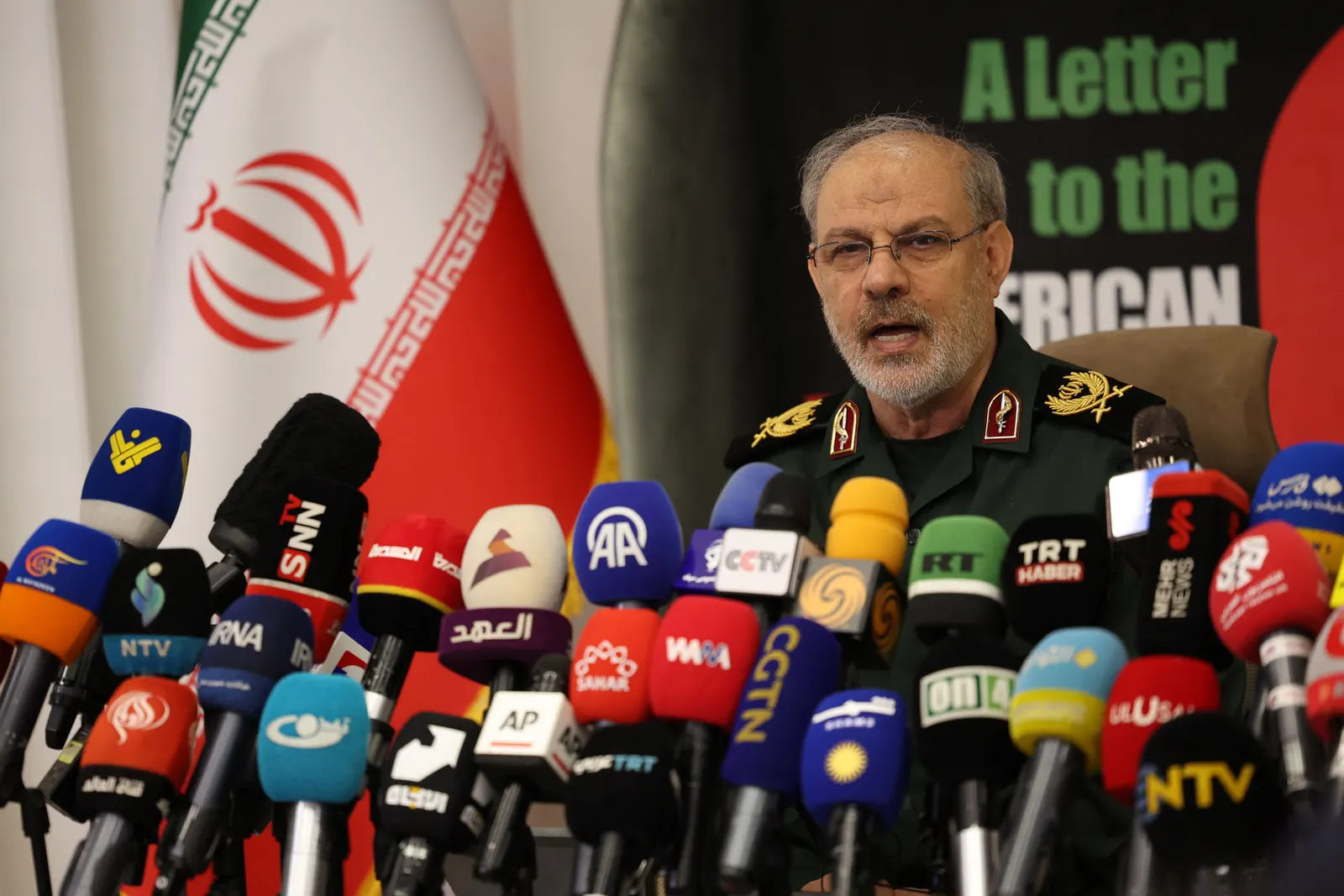
VIENNA, June 24 — The United Nations' nuclear watchdog will soon carry out inspections in Iran following an interim peace accord between the United States (US) and Iran, but the modalities have yet to be finalised.
The two sides signed a 14-point memorandum of understanding last week, setting out broad agreements in principle to end the war. The interim accord paved the way for 60 days of talks aimed at hammering out thornier details, including issues related to Iran's nuclear programme.
"The inspections will indeed take place. We will be working on the modalities — dates, procedures, places — very soon," International Atomic Energy Agency (IAEA) chief Rafael Grossi told a press conference in Japan, an audio recording of which the IAEA posted online.
Iran has not let the IAEA, which polices its nuclear programme, return to its most sensitive nuclear sites since the US and Israel bombed them in June last year.
The agency has inspected other sites, but inspections were suspended after the US-Israeli attacks on Iran on February 28.
Highly enriched uranium key in talks
A central issue in talks is what will happen to Iran's highly enriched uranium, including material enriched to up to 60 per cent purity, a short step from the roughly 90 per cent of weapons-grade.
"Paragraph 8 of this memorandum of understanding states explicitly that nuclear activities that are going to be carried out with regards to nuclear material, facilities, will be supervised by the IAEA, in bold letters.
"Obviously, to do that, we will have to inspect. Whether this happens the day after tomorrow, or in one week, or in 10 days, it is important but not essential.
"So this is going to happen. Of course, if they (Iran) want to comply with the agreement. If they do not want (to), it is another matter," Grossi said.
Iran has not informed the IAEA how much of its enriched uranium survived the attacks or where it is. The IAEA estimates Iran had 440.9kg of uranium enriched to up to 60 per cent before Israel launched the first attack on June 13 of last year.
If enriched further, that would be enough for 10 nuclear weapons, according to an IAEA yardstick.
Grossi added that the IAEA believes Iran has more than 200kg of such material stored in a tunnel complex in Isfahan, central Iran, which was attacked but appears not to have been badly damaged.