BRUSSELS, June 23 — Belgium yesterday said it had issued five visas to a Taliban delegation to attend a European Union meeting on migration in Brussels, in what would be the first time the EU has hosted the group since the Islamists returned to power in Afghanistan five years ago.
The visas are restricted in both geographical scope and duration, allowing travel only to Belgium and for a single day, a Belgian Foreign Ministry spokesperson said, adding that the date of the visit would not be disclosed for security reasons.
Two European officials said the delegation had been granted one-day visas valid only for today.
The commission last month invited Taliban officials to Brussels to discuss deportations of Afghan migrants, despite warnings from human rights groups that such engagement could put Afghans at risk and undermine core EU values.
The commission said the meeting is technical and does not constitute recognition of Taliban rule.
“Member states are looking into ways to return persons who have committed serious crimes and who are possibly a security threat, so this is the initiative that the commission is now following up on,” commission spokesman Markus Lammert told the EU’s daily press briefing yesterday.
According to a letter seen by Reuters and addressed to Abdul Qaher Balkhi, a Taliban foreign ministry spokesman, it will focus on “the return and readmission of Afghan nationals without a right to stay in the European Union”.
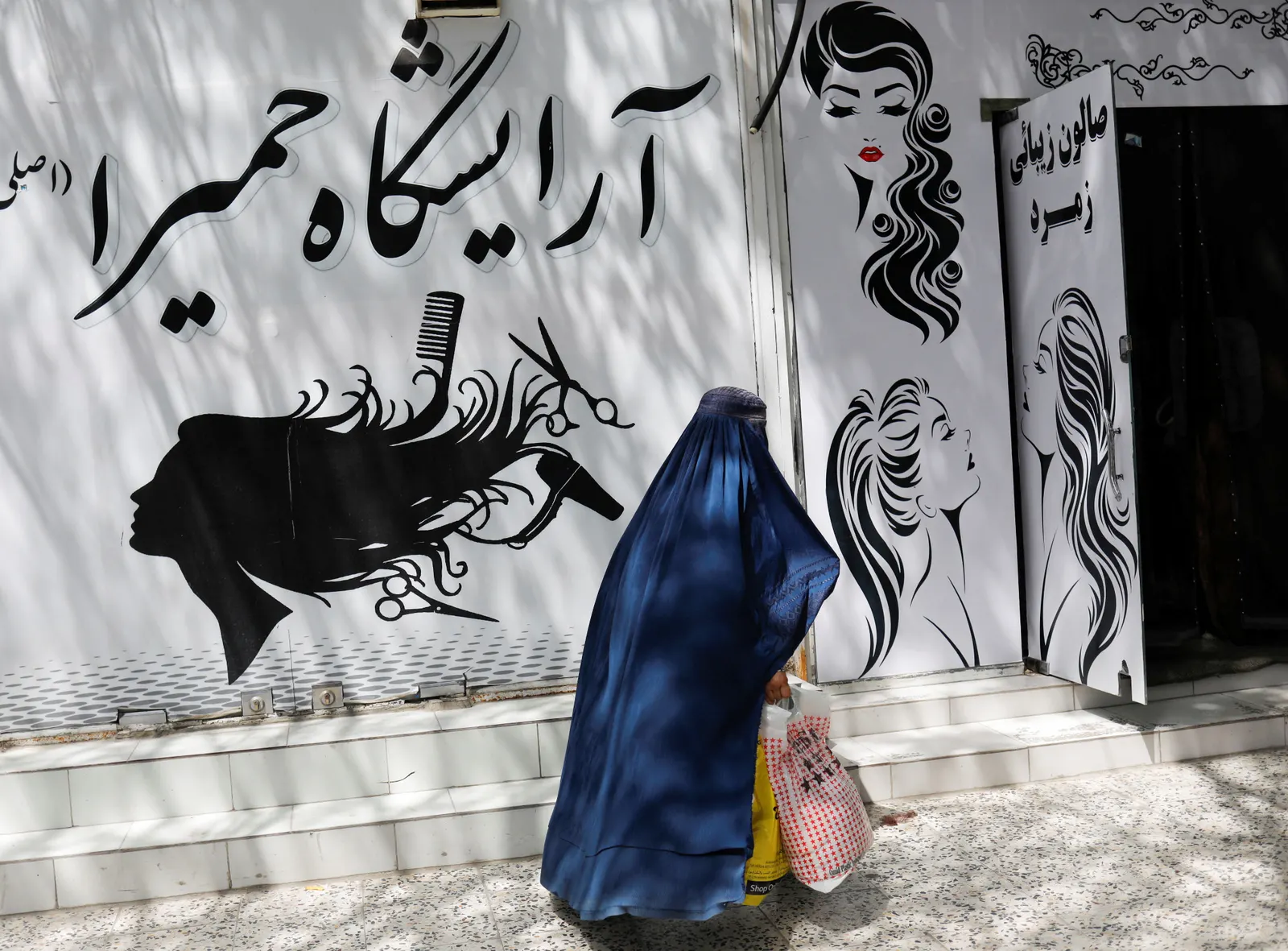
Since returning to power, the Taliban have steadily curtailed rights, restricting women’s freedom of movement, banning girls from education beyond primary school, and enforcing morality laws that limit free expression and access to employment.
Rights groups ask to abandon plan
Rights organisations have asked the EU to abandon its plans to talk with the Taliban.
“Any engagement with the Taliban needs to prioritise protecting human rights and accountability — not deporting people to danger there,” said Fereshta Abbasi, Afghanistan researcher at Human Rights Watch.
The EU has not identified which Taliban representatives were invited to the meeting. Several senior Taliban leaders are under EU sanctions.
“The desperate scenes of people — including EU staff — fleeing Afghanistan are a recent memory. It is unconscionable that the EU would now try and deport people to Afghanistan, which has only become more dangerous in the meantime,” said Eve Geddie, director of Amnesty International’s European Institutions Office.
Humanitarian crisis
Hundreds of thousands of Afghans have sought asylum in Europe since 2021. EU law allows for deportations of people convicted of serious crimes or deemed security threats in certain cases, but returns to Afghanistan have been limited due to the lack of diplomatic relations.
Although Afghans are among the nationalities with the highest asylum recognition rates in the EU, overall acceptance has tightened as migration policies become more restrictive.
Afghanistan is currently mired in a deep humanitarian crisis. According to the United Nations World Food Programme, more than 17 million Afghans — or one-third of the population — are “food insecure”, while the country absorbs tens of thousands of people returning from Iran and Pakistan.