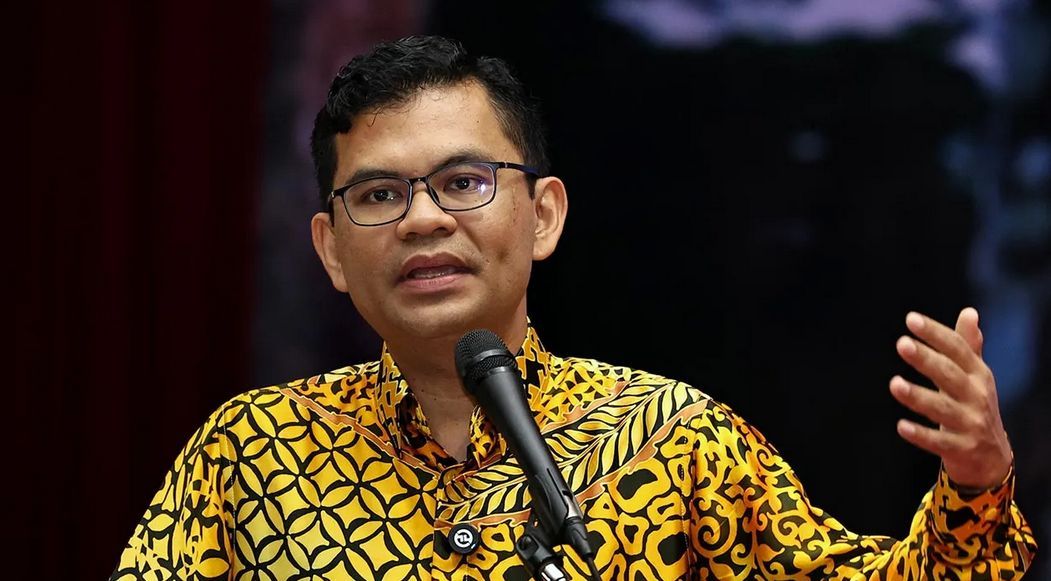

KUALA LUMPUR, June 22 — Malaysia has improved its resilience to trade disruptions linked to Strait of Hormuz closures via supply chain adjustments, cost absorption by firms, and government policies that help limit the transfer of costs to domestic prices, said Economy Minister Akmal Nasrullah Mohd Nasir.
He said that as an open economy, the country is not immune to the effects, but the situation is being closely monitored and managed with early interventions.
“...The priority is to protect the people, ensure essential supplies remain stable, help industries continue to operate, and strengthen the country’s economic resilience,” he said during the question-and-answer session in the Dewan Rakyat today.
He was replying to questions from Datuk Richard Rapu@Aman Begri (GPS-Betong), Datuk Seri Hasni Mohammad (BN-Simpang Renggam) and Datuk Seri Sh Mohmed Puzi Sh Ali (BN-Pekan) about the impact of Strait of Hormuz closures on Malaysia’s economy and trade.
Akmal Nasrullah said the country’s economic fundamentals remain resilient, with gross domestic product growing by 5.4 per cent in the first quarter of 2026, supported by strong domestic demand.
“Besides, the government is monitoring the supply and prices of essential goods daily. Coordination is also being undertaken with Petronas and industry players to ensure the continuity of the country’s energy supply, in addition to diversifying the sources of raw material supply,” he said.
He added that the government is also strengthening targeted aid and subsidies to reduce cost of living pressures, including through Rahmah Cash Aid (STR), BUDI Madani RON95 and BUDI Madani Diesel, the Subsidised Diesel Control System, and assistance for vulnerable groups.
In the context of the 13th Malaysia Plan, he said the government’s focus is not only on managing the current crisis but also on ensuring the country is better prepared to face future global shocks by diversifying trade and investments.
“This measure is important so the country has a wider choice of supplies in the event of prolonged global disruption,” he said.
The government does not consider the global economic risks to have completely subsided, despite more positive diplomatic developments at the international level, Akmal Nasrullah added.