MIAMI, June 22 — As Cape Verde celebrated another precious World Cup point against yet another former champion, the shock was not that they scored twice against Uruguay in a pulsating 2-2 draw, but that they never looked surprised themselves.
This was only Cape Verde’s second World Cup match, a fixture that, on paper, pitted newcomers against one of the traditional powers, with 51 rungs separating the two sides in the rankings.
Yet from the opening minutes, it was difficult to identify which team carried the weight of history and which players were simply enjoying the moment, as Cape Verde approached Uruguay without deference or fear.
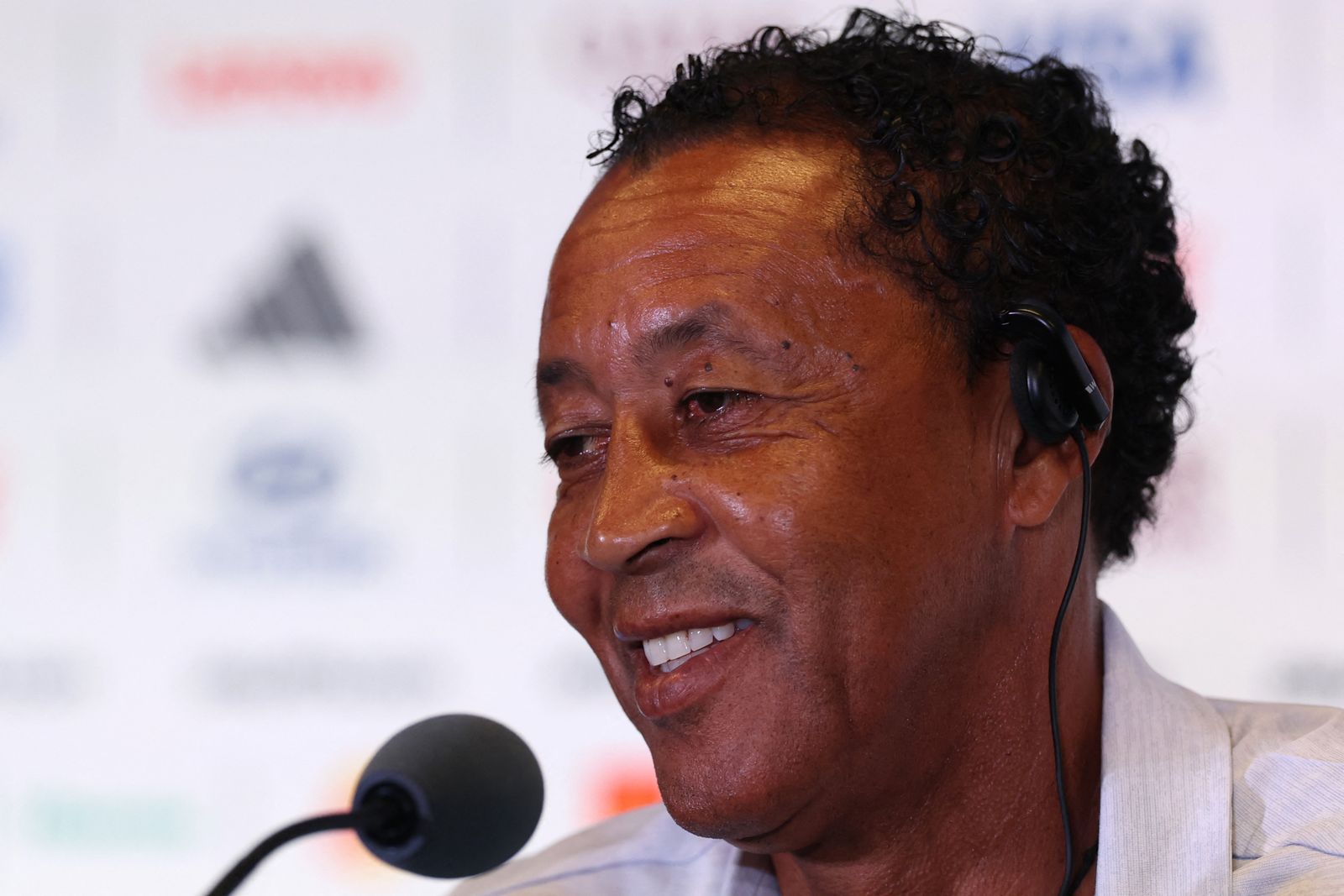
“This is something we owe to other smaller national teams, teams that struggle to qualify for a World Cup,” Cape Verde coach Bubista told reporters.
“A country may be small and may struggle financially, but if they are resilient, endure hardship and work in an organised manner, they can also stand shoulder to shoulder with other major teams.”
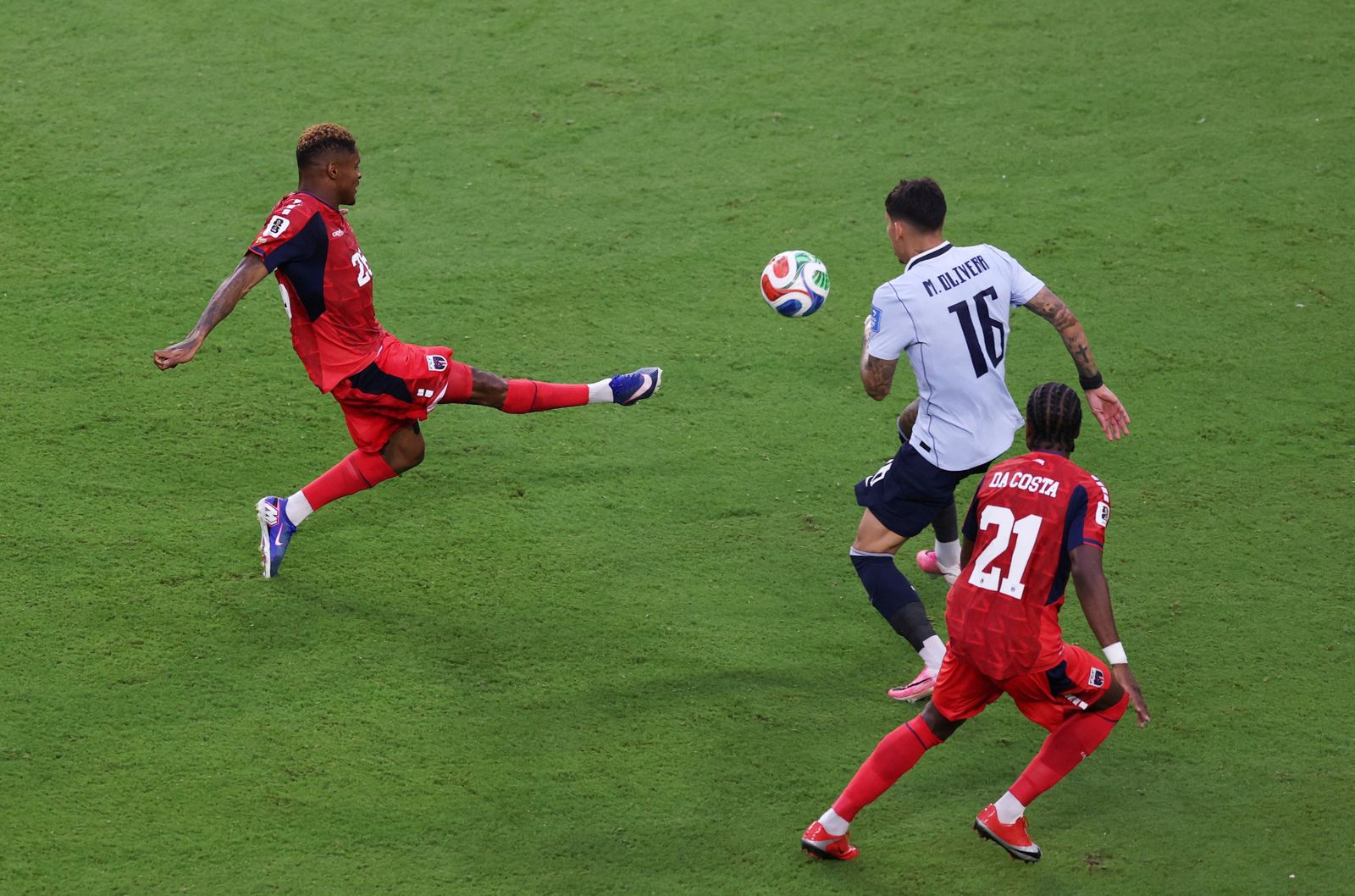
Marcelo Bielsa had packed Uruguay’s midfield, probably in the expectation that Cape Verde would sit back as they did against Spain, but that quickly backfired.
Cape Verde’s confidence was visible in moments such as when Garry Rodrigues spun away from Guillermo Varela with a turn that drew a roar from the crowd, or when Telmo Arcanjo made a driving run from deep into Uruguay territory.
Rodrigo Bentancur could do little more than bring him down and accept a booking, as Uruguay appeared unsettled and unsure where the next challenge would come from.
Ambitious free kick
Cape Verde’s opening goal reflected that boldness, as Kevin Pina’s ambitious strike from more than 30 metres out squeezed through the wall and beyond the desperate dive of veteran goalkeeper Fernando Muslera.
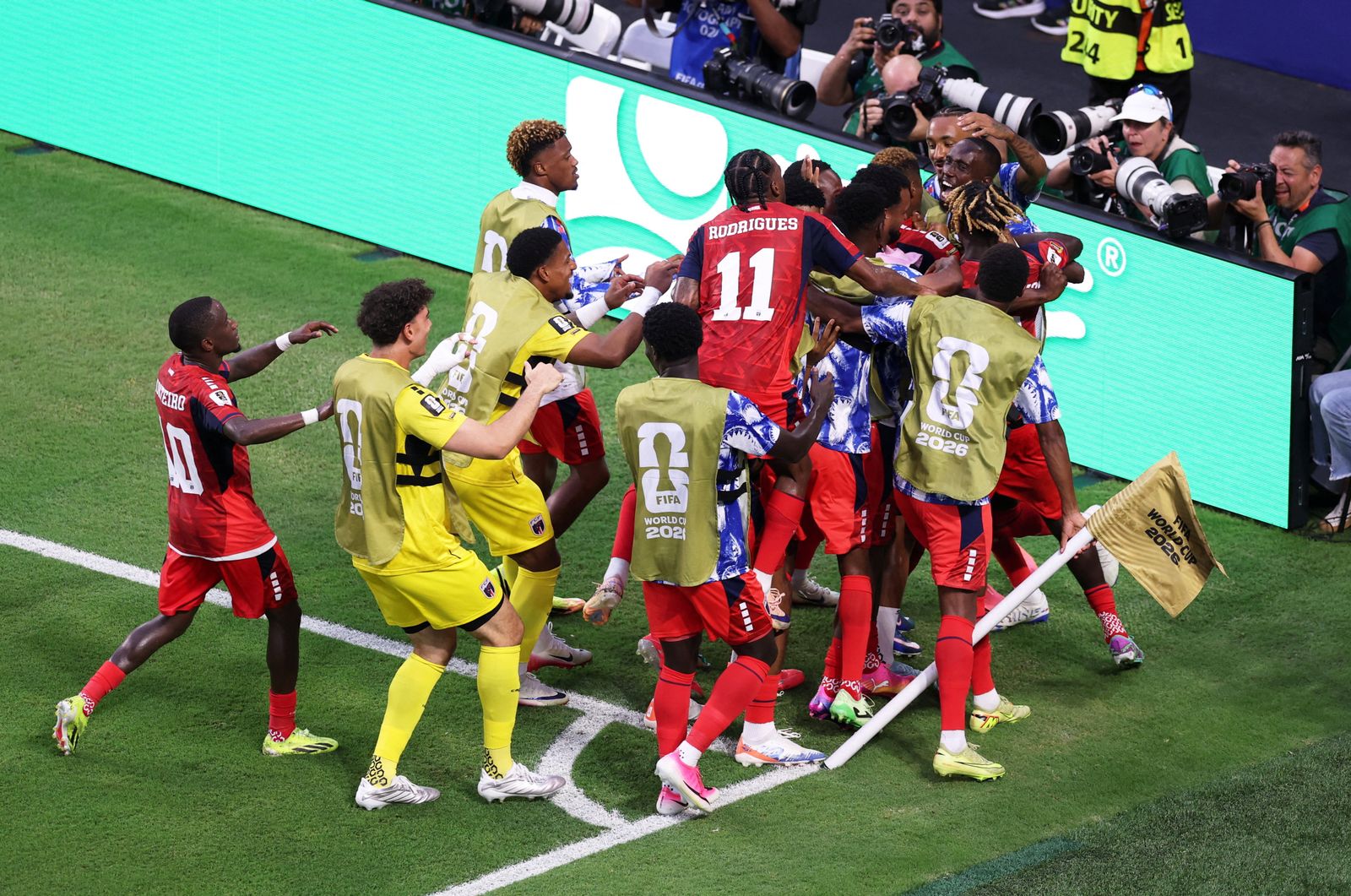
The celebrations carried the emotion of a country witnessing history and were so exuberant that the referee eventually had to usher players back towards the centre circle for the restart.
Rather than retreat after taking the lead, Cape Verde became even more adventurous, attempting the improbable with a corner aimed directly at goal. There was also an audacious shot from their own half when Muslera was off his line.
Uruguay took Cape Verde’s showboating as an insult, and the lead disappeared when Maxi Araujo produced a poacher’s finish for the equaliser before setting up Agustin Canobbio for the second as they turned the match completely on its head.
But Cape Verde remained unbowed and soon produced perhaps their defining moment of the tournament.
Helio Varela came on as a substitute and his eyes lit up when Mathias Olivera’s loose back pass ended up in no man’s land, gratefully accepting the gift as he skilfully sent the ball into an empty net with Muslera off his line.
As Olivera sank to his knees in despair, Varela struck a pose to show off his chiselled biceps as he was lifted into the air by his teammates, some of whom could not hold back tears.
Bodies on the line
Cape Verde’s performance was built on more than technical quality. Every lost ball triggered a sprint back towards their own box, while players threw their bodies into challenges with little regard for their own safety.
They also threatened on several counter-attacks, with the Uruguay defence working overtime with almost no support as the men in red easily cut through a midfield that had lost complete control.
When the final whistle blew, it was abundantly clear which side enjoyed the result more.
As Uruguay’s squad walked down the tunnel with their heads bowed, Cape Verde’s players stayed on the pitch, heads held high as they basked in the love of their grateful fans.