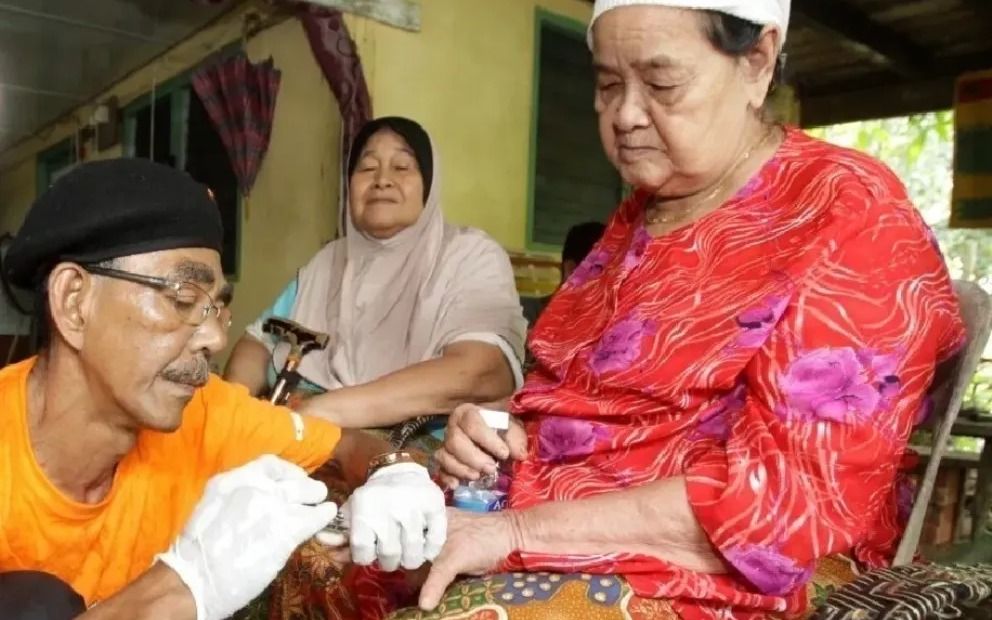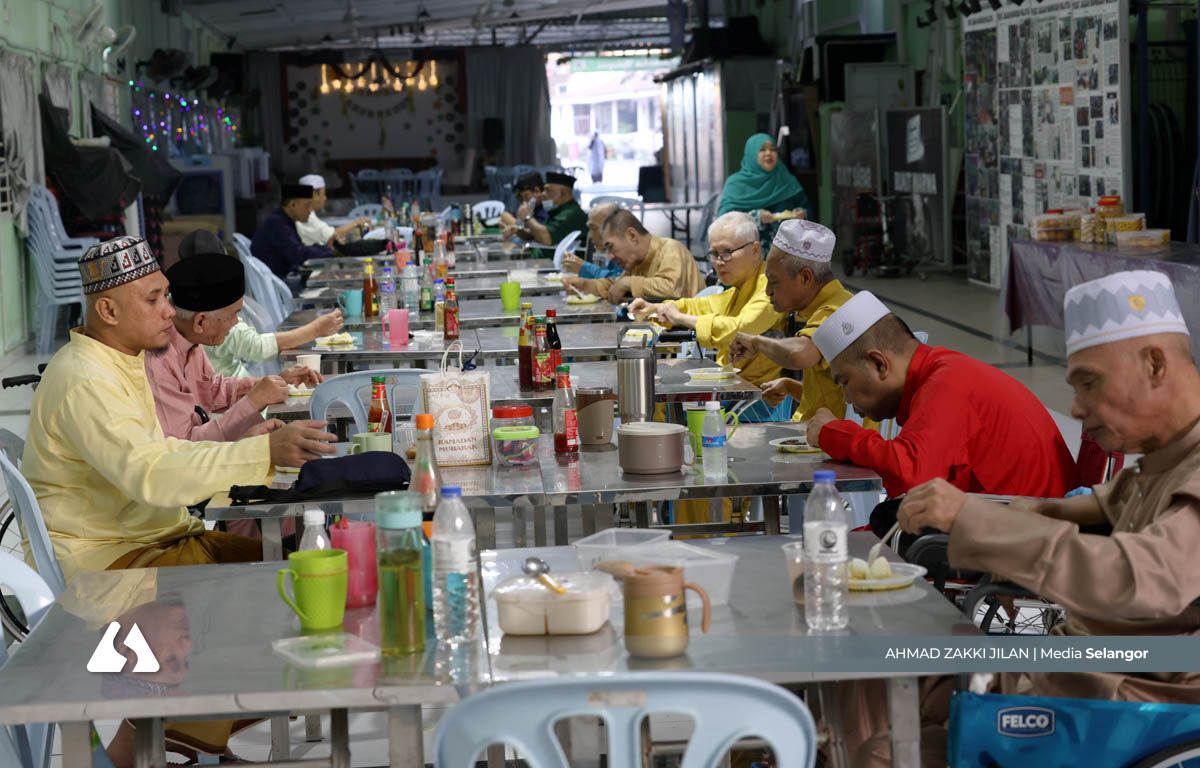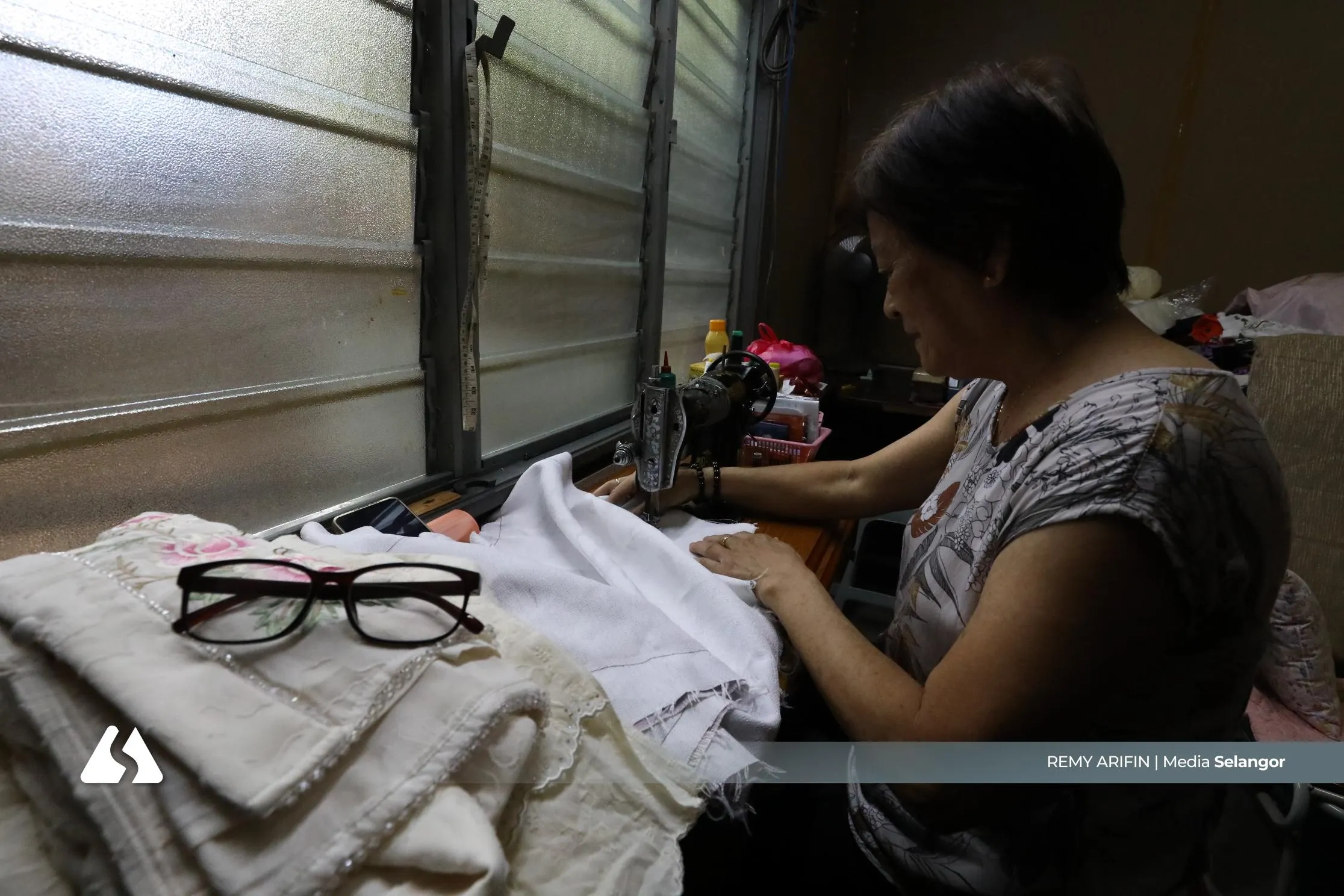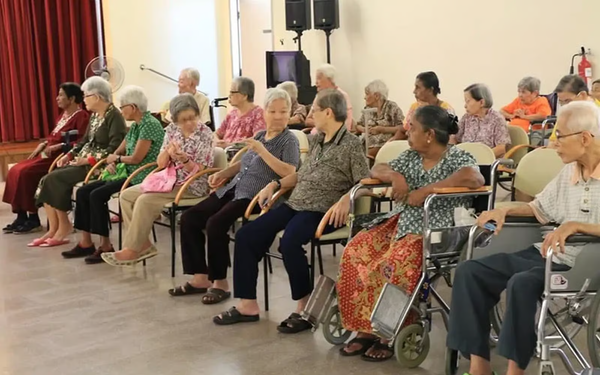
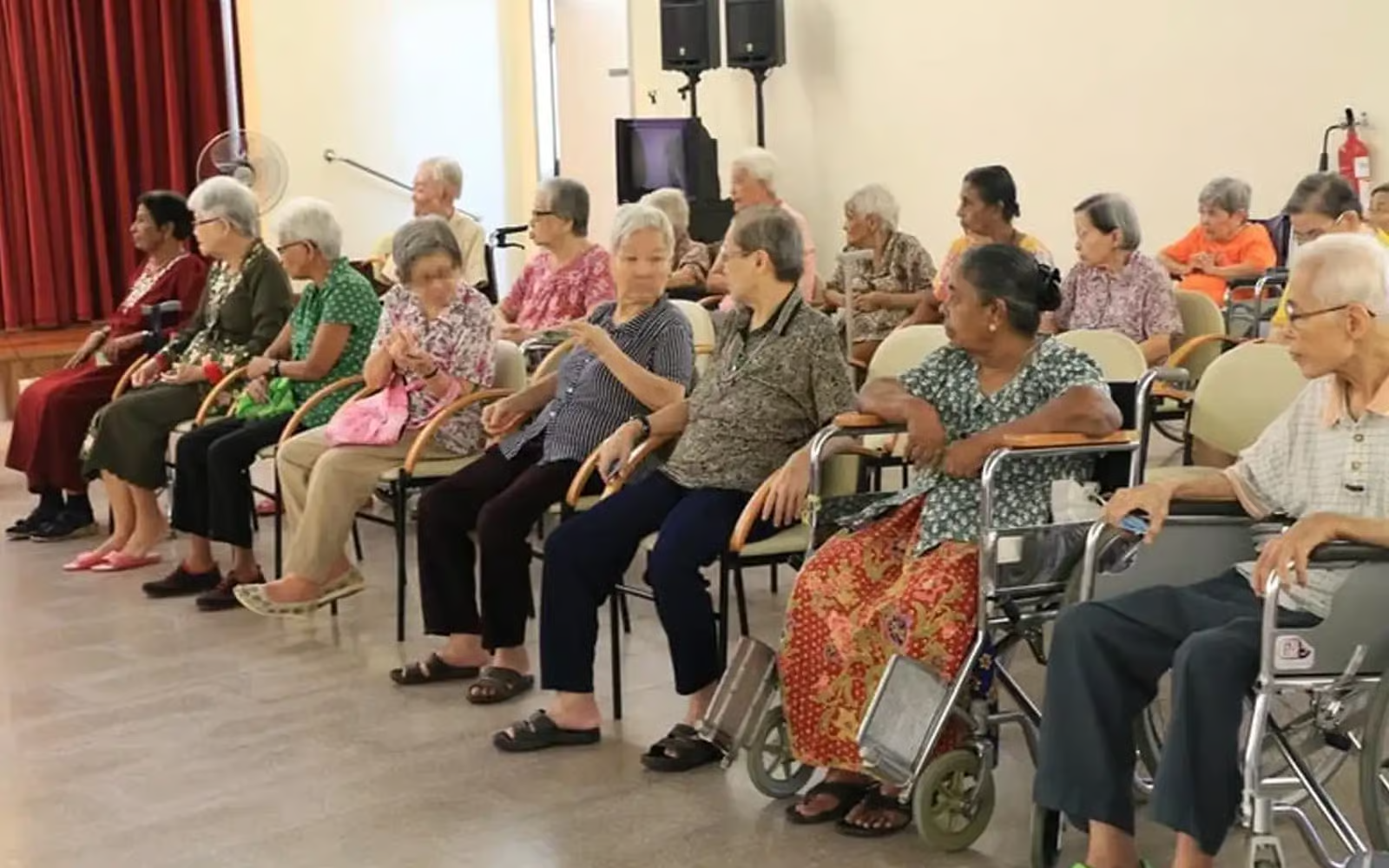
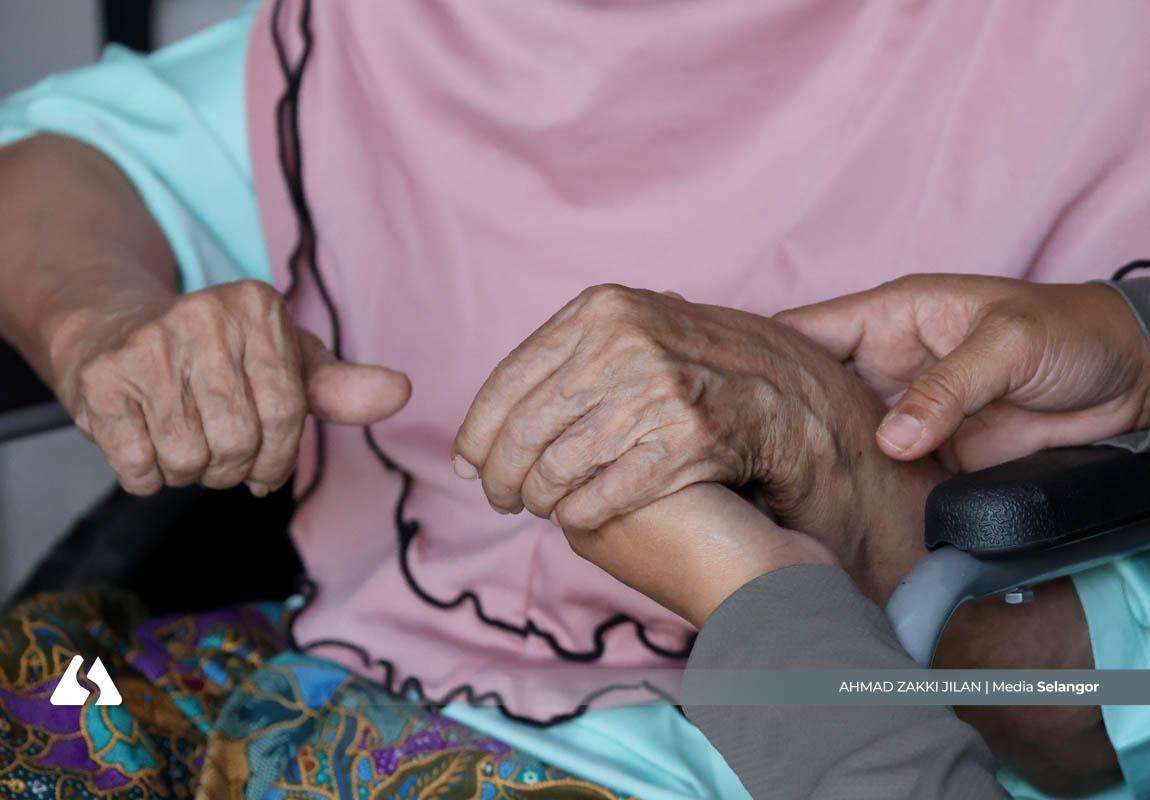
SHAH ALAM, June 18 — The establishment of temporary care and well-being centres for senior citizens and disabled persons in Selangor should be community-based, multidimensional, and informal in nature.
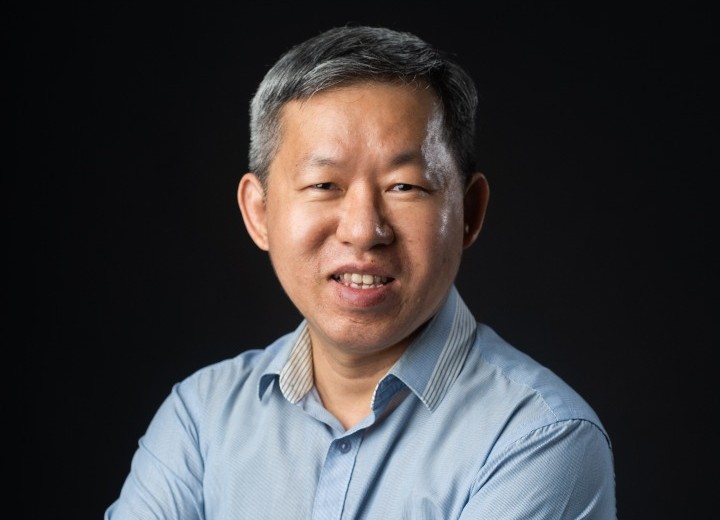
Commending the state government's approach, the Centre for Malaysian Chinese Studies' Academic Research Committee's chairman Chang Yun Fah said the concept supports caregivers while expanding the social networks of vulnerable groups.
However, the care centre model must be based on a community-friendly concept and located close to residential areas to minimise logistical challenges.
“I will use Hulu Selangor as an example: if such a centre is built in Kuala Kubu Baharu, when the district covers a very large area, is it practical for caregivers to travel back and forth every day simply to leave their family members there for a few hours?
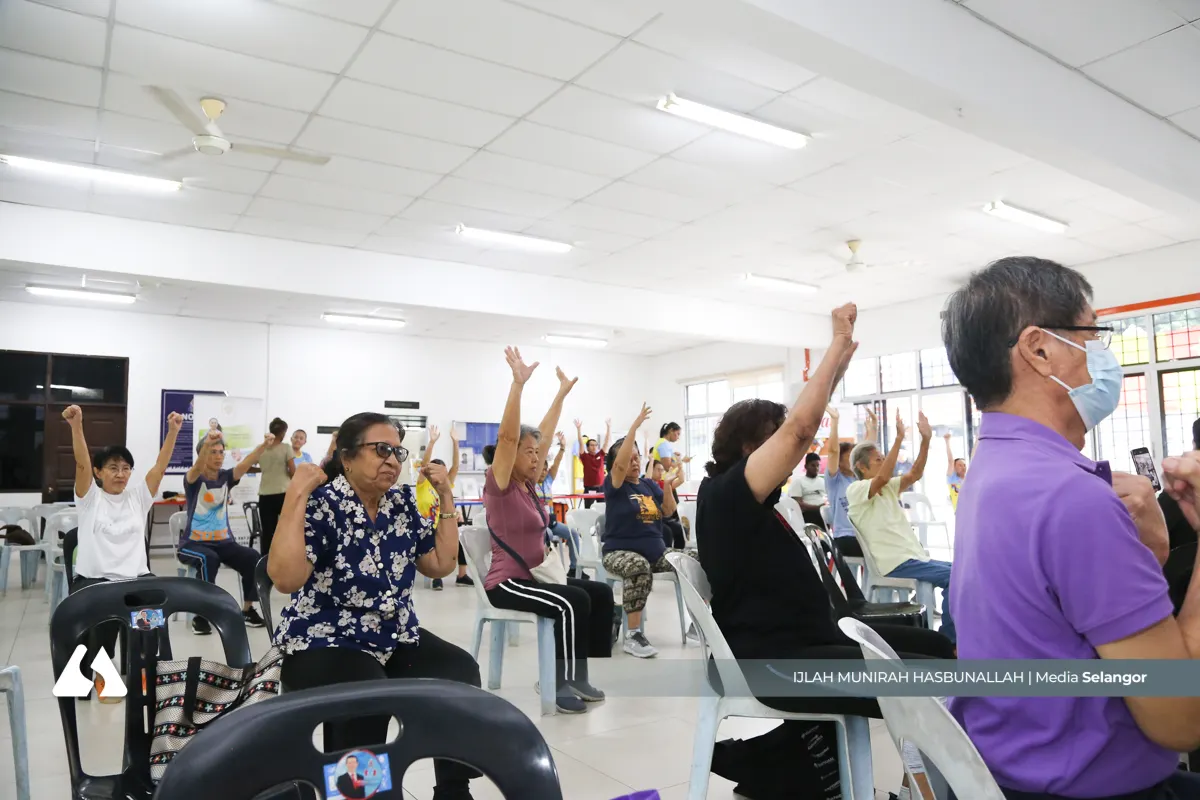
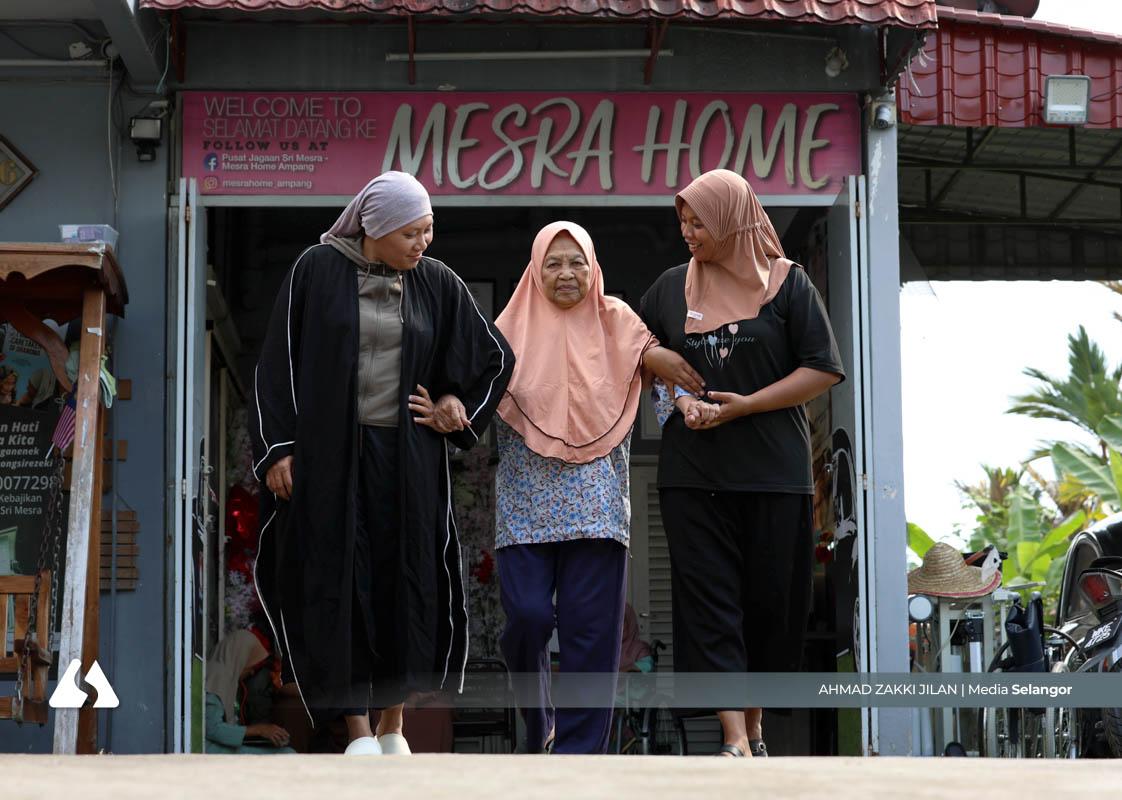
“The primary function of the centre is temporary care. Caregivers can leave a disabled child or an elderly family member there for three to four hours while attending to personal matters. This is what distinguishes the centre from existing long-term care institutions,” he told Media Selangor.
Previously, the state executive councillor for women empowerment and social welfare Anfaal Saari said the state government is considering the establishment of temporary care centres for senior citizens and disabled persons to assist caregivers, particularly women.
Volunteer services could reduce operating costs
As the temporary care centre concept is still relatively new in Malaysia, Chang suggested that the model should first be tested through pilot projects before being handed over to local communities.
He also proposed a combination of at least one full-time professional nurse and support personnel drawn from the local community to reduce high management and operating costs.
“We can involve retirees, young people, and volunteers in supporting daily operations. This approach not only reduces the government’s financial burden but also fosters a spirit of shared responsibility.
“Of course, these community support groups should first be provided with basic caregiving training. Through this method, the state government would have greater financial flexibility to establish more centres in other areas,” Chang said.
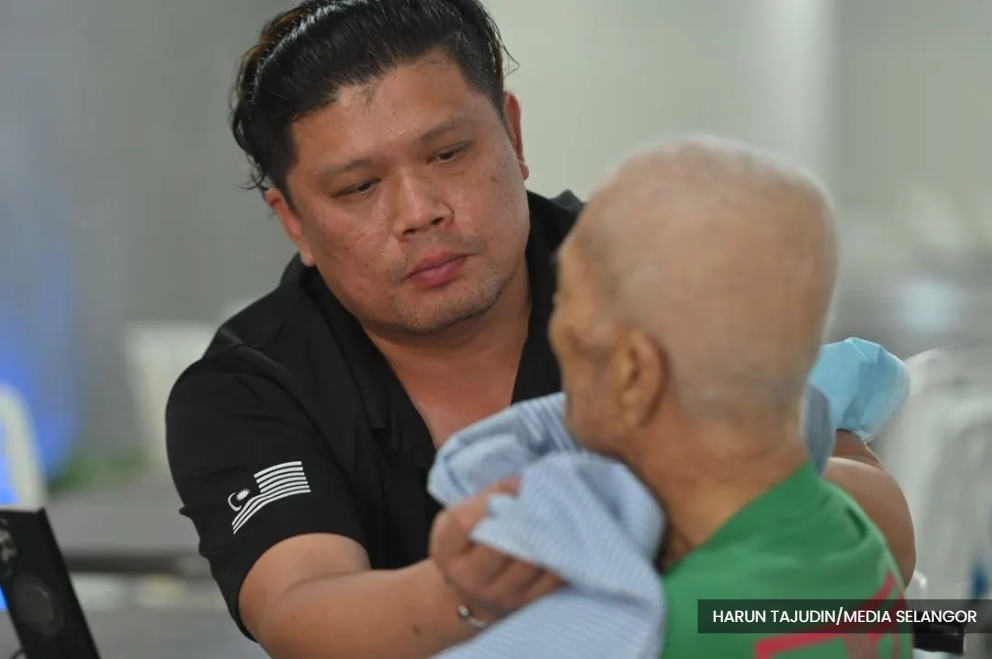
Nominal fees to prevent abuse of facilities
He is similarly concerned that some members of the public might misunderstand the purpose of the centres, potentially overburdening their operational capacity if services were offered free of charge.
As such, Chang proposed introducing a nominal fee structure or a modest user charge as a quality control mechanism and to prevent misuse of the facilities.
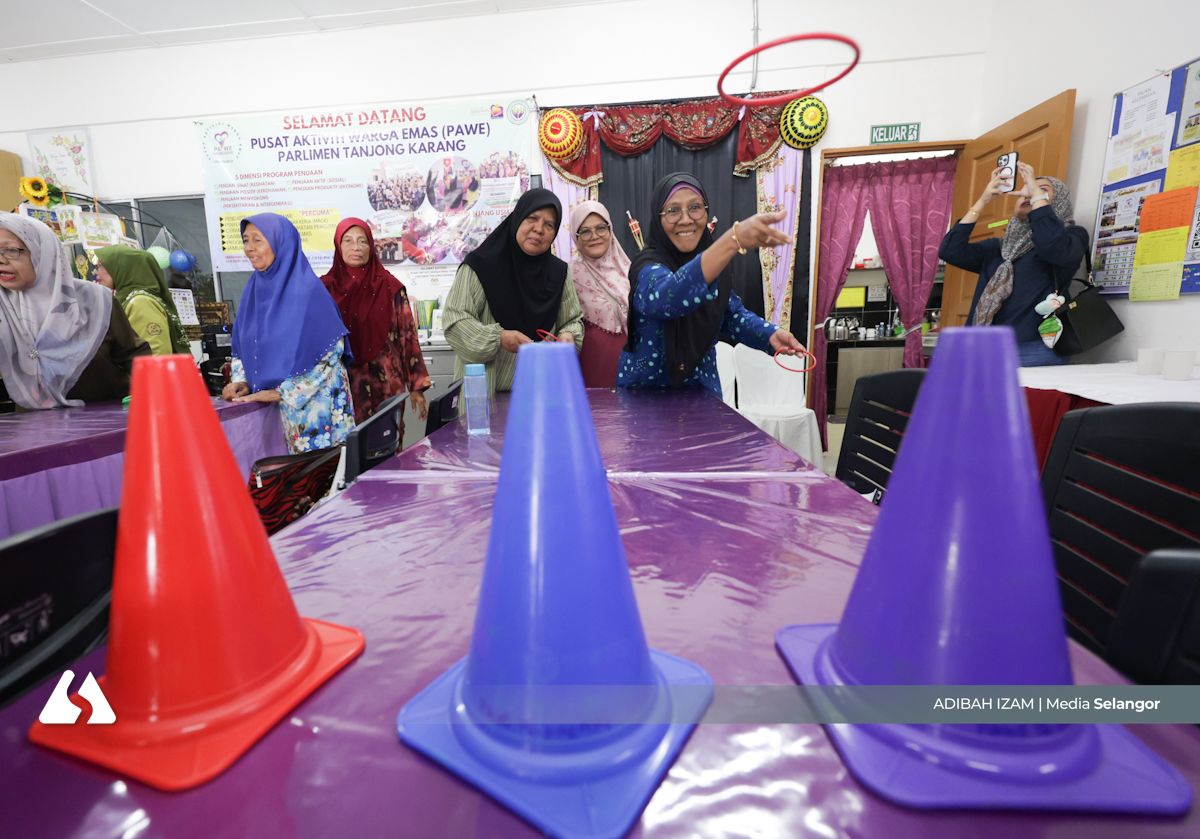
“These centres should be created as relaxed spaces where people can socialise, chat, or play chess while waiting for family members to collect them. This identity must be clearly established from the outset so that they do not evolve into dumping grounds for the elderly,” he said.
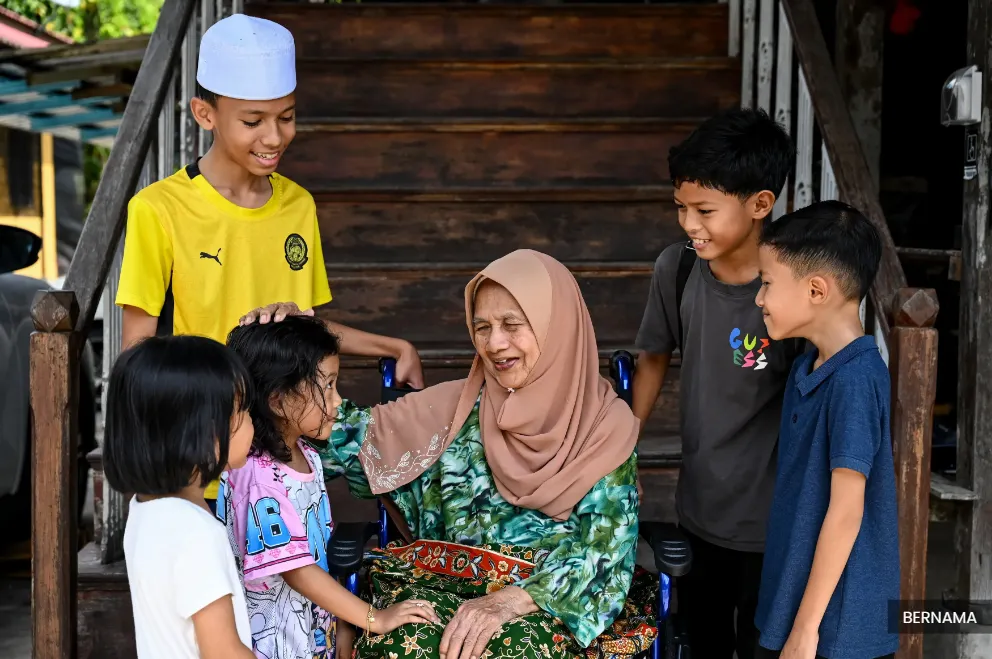
Balancing ageing issues
On demographic projections, Chang believes that Selangor is in a stronger position than many other states in addressing the challenges of an ageing population due to its status as a major destination for migration.
“Selangor is an economic hub that attracts young workers from other parts of the country. The presence of this domestic migrant population indirectly helps to balance and reduce the structural pressures associated with population ageing,” he said.
In 2024, the state recorded the fifth-highest number of senior citizens in Malaysia, after Perak, Kedah, Sarawak, and Perlis, with the highest concentrations in Kuala Selangor, Sepang, and Hulu Langat.