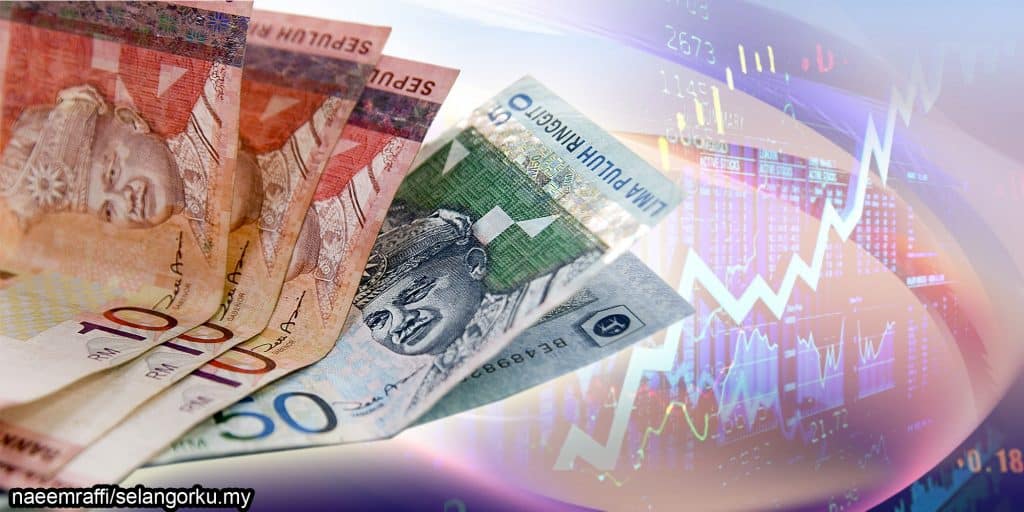
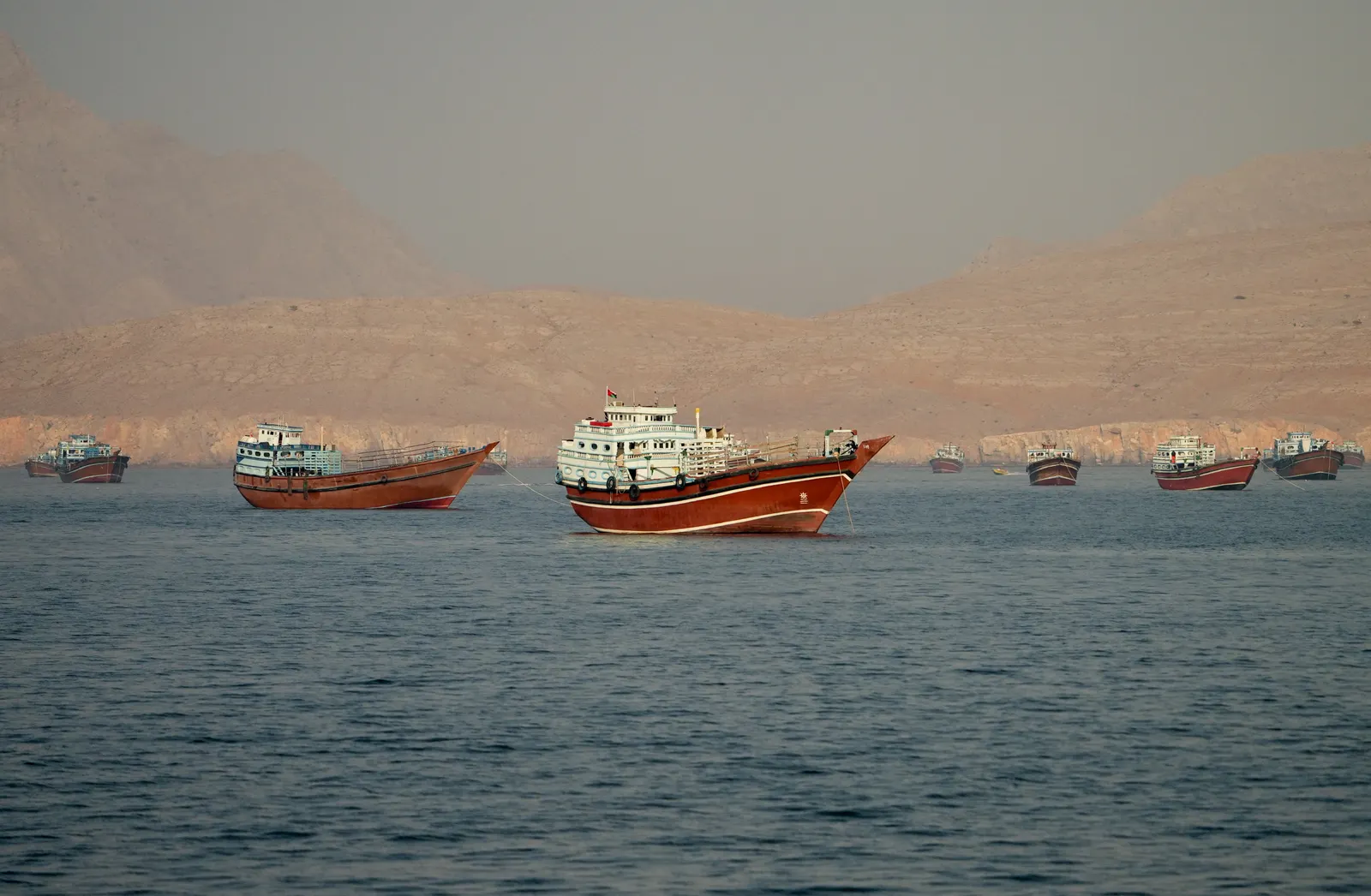
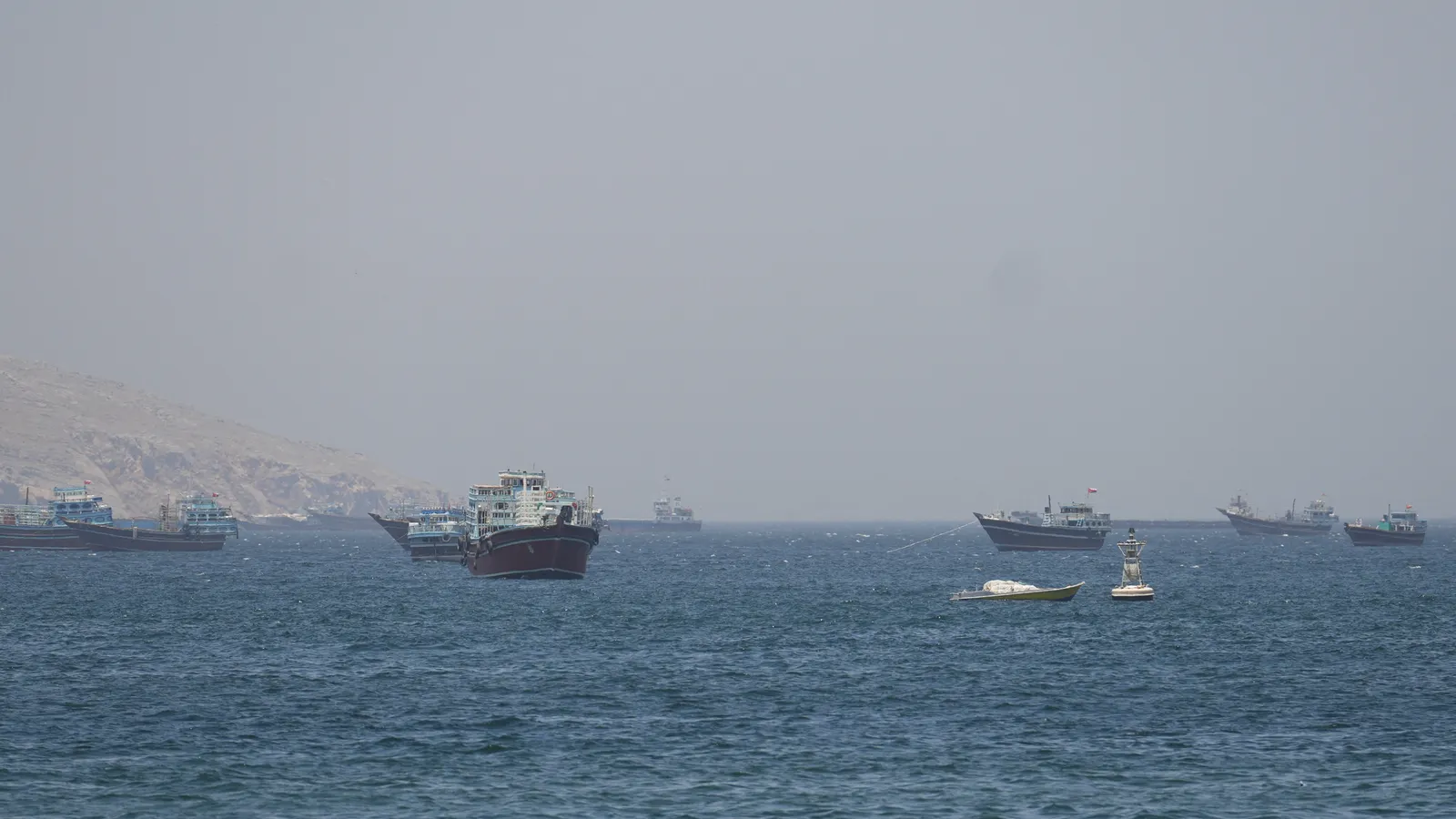
SHAH ALAM, June 17 — The reopening of the Strait of Hormuz is expected to positively impact Malaysia’s economy by boosting the ringgit, lower crude oil prices, and reduce inflationary pressures, according to Bank Muamalat Malaysia chief economist Mohd Afzanizam Abdul Rashid.
“Malaysia’s dependence on fuel resources from the Strait of Hormuz is around 38 per cent, so when the Strait of Hormuz reopens, (it would) facilitate the movement of fuel like oil and help improve global fuel supplies,” he told Media Selangor, adding that this would eventually bring down fuel and crude oil prices.
“When fuel prices decrease, of course costs to the government for fuel subsidies would also decrease, bringing relief to government (coffers) and giving room (for the government) to maintain the subsidy system.
“In other words, subsidised fuel, which right now for example is RON95 (at) RM1.99 a litre, can be maintained,” he said.
Afzanizam added that the reopening would improve market sentiment, especially in currency trade, as regional West Asian tensions ease.
“When the Strait of Hormuz is reopened, crude oil prices will decline, so the risk of inflation hikes also goes down. When inflation risks go down, it means it affects the people’s buying power, not only in Malaysia but in (other) countries, too, it is expected to be better than before.
“This is supposed to help with economic growth and if before, we had a need in global processes to hike interest rates, maybe this could reduce it, so the situation contributes to positive sentiment in the financial markets including the currency market.
“Because of that, we can see the ringgit improving … Not just the ringgit. Foreign currencies in the Asian region, like the Indonesian rupiah, are also on the uptrend,” he said.
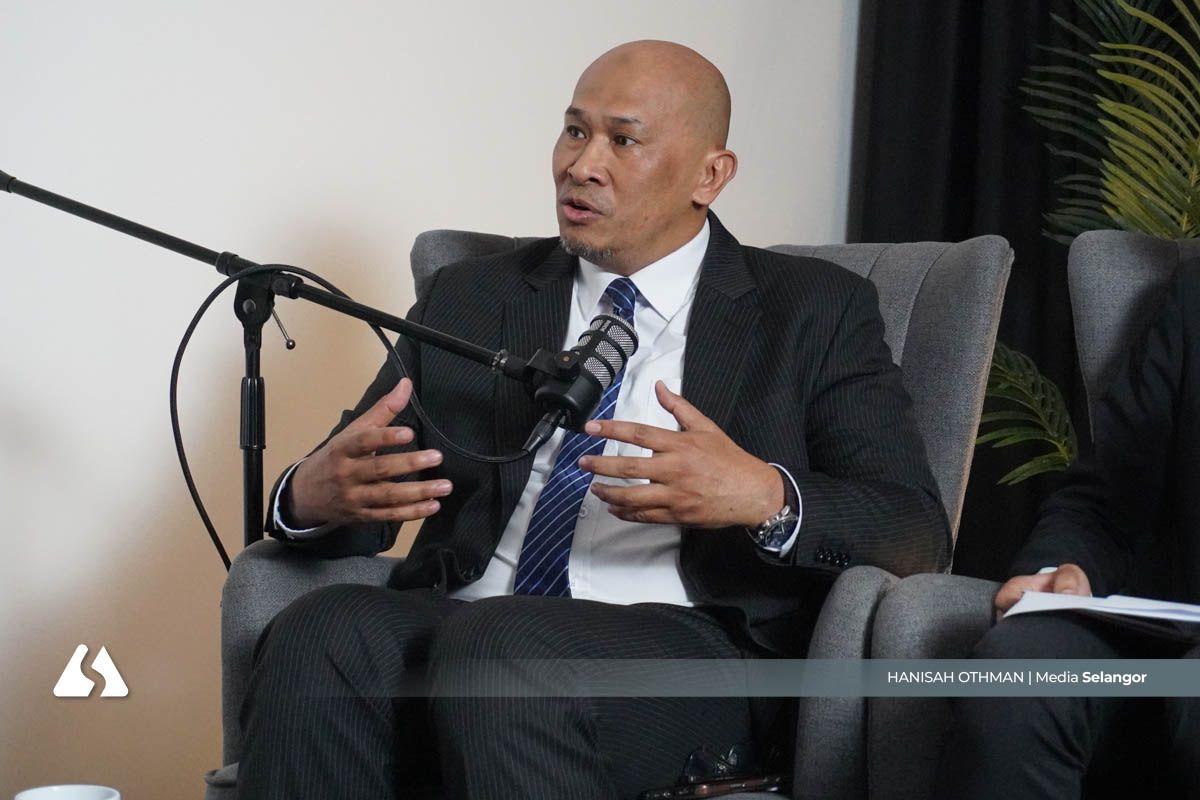
Afzanizam also expects international trade to pick up following reduced fuel costs.
“When fuel costs decrease, costs for international trade activities also decrease because for international trade activities, they need logistics services like shipping, cargo planes.
“These two modes of transport need fuel and when the fuel, the costs of it goes down, this would further stimulate international trade activities,” he said.
According to him, reopening the Strait of Hormuz would bring positive impacts overall to the economy, but peace and geopolitical stability must be maintained to ensure the benefits can be enjoyed for a long time to come.
Pakistani Prime Minister Shehbaz Sharif on Monday announced that the US and Iran have reached a peace deal following intensive negotiations.
Shehbaz said both parties declared an immediate and lasting end to military operations in all conflict zones, including in Lebanon, with the official signing ceremony to be held on June 19 in Switzerland.