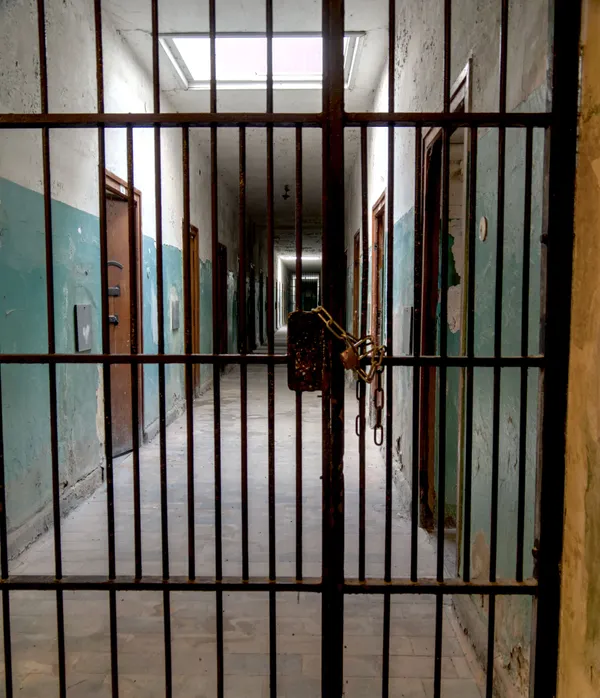
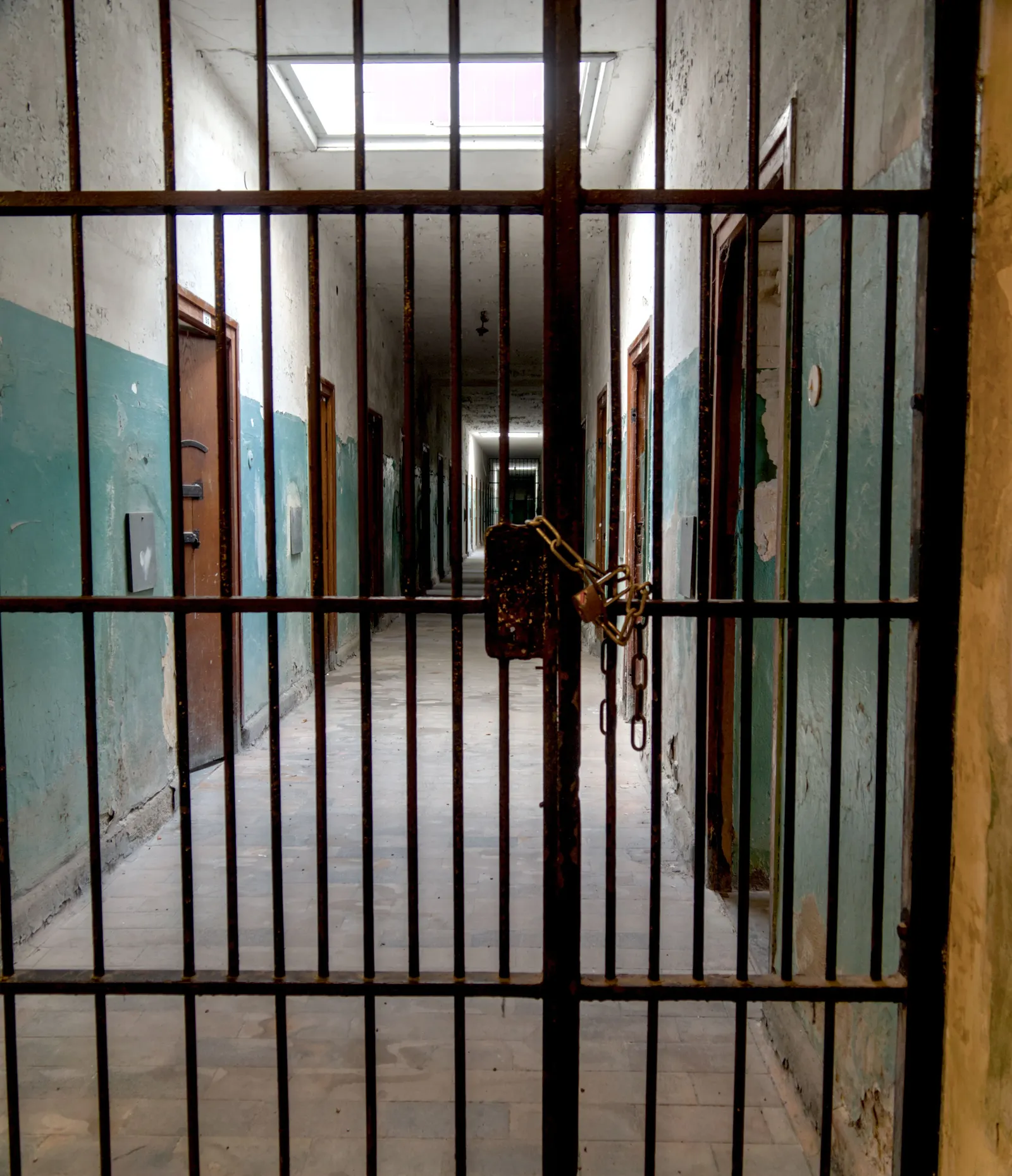
KUALA LUMPUR, June 16 — The Malaysian Prisons Department has confirmed that one of its personnel has been charged under Section 304(b) of the Penal Code following an incident at Taiping Prison on January 17, 2025.
In a statement, the department said the findings of an independent and comprehensive investigation by the Royal Malaysia Police (PDRM) had also led to disciplinary proceedings against five other prison staff at the departmental level.
Section 304 of the Penal Code deals with culpable homicide not amounting to murder. Specifically, Section 304(b) applies when a person causes another person's death knowing that their act is likely to cause death, but without intending to kill or intending to inflict injuries likely to cause death.
According to the Prisons Department's statement, the action reflects the department’s continued commitment to upholding the principle of accountability without protecting any individual found to have violated the law, regardless of rank or position.
"The department practises a zero-tolerance policy towards any form of misconduct and fully respects the ongoing legal process without prejudice to the investigation," it said in response to the Human Rights Commission of Malaysia (SUHAKAM) Public Inquiry Report.
Previously, the media reported an incident involving the alleged provocation of inmates at Taiping Prison in January 2025 during the transfer process from Hall B to Block E, which resulted in the death of detainee Gan Chin Eng.
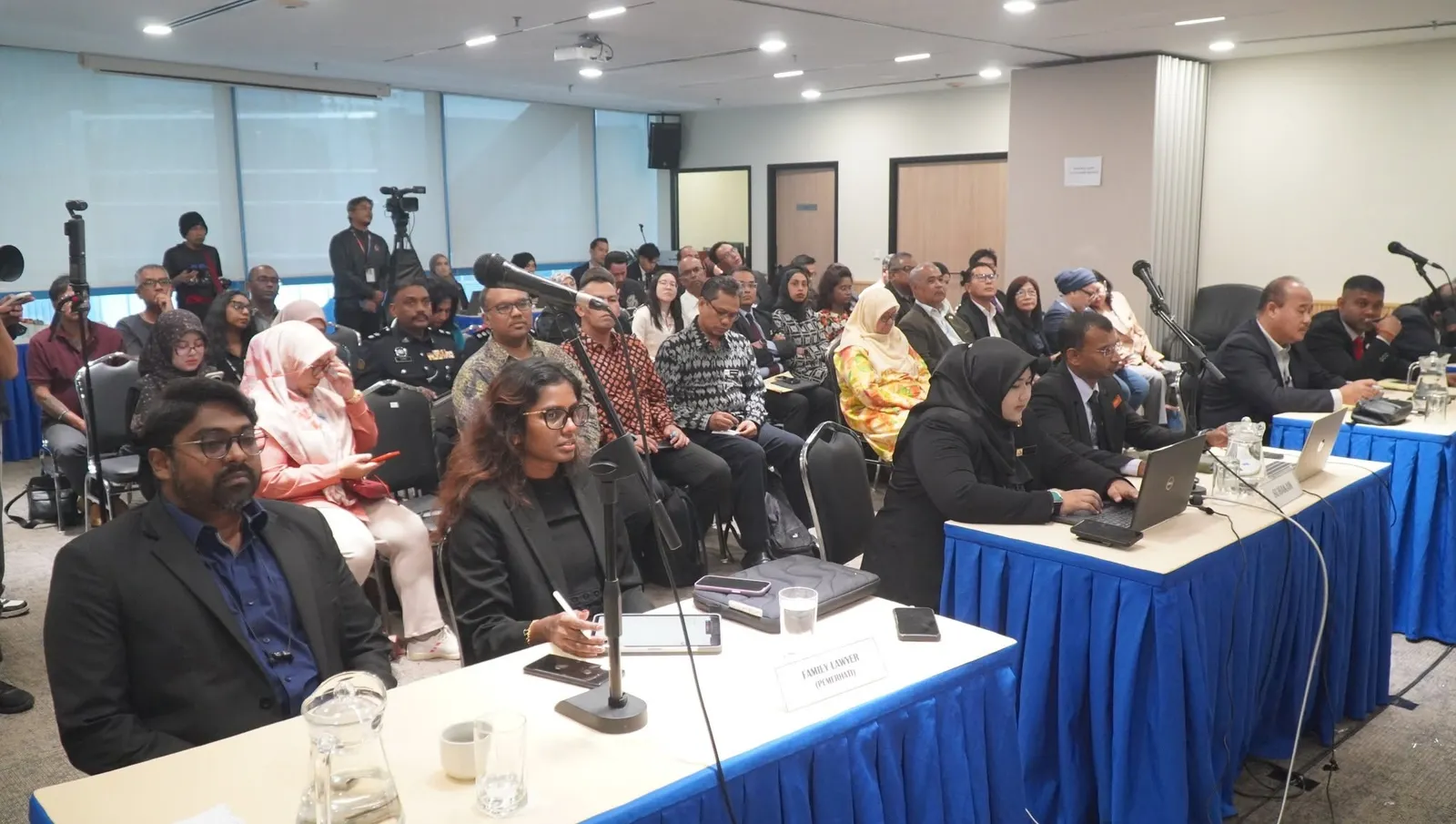
Meanwhile, the SUHAKAM Public Inquiry Panel, in its final decision on the inquiry into the riot, recommended that Taiping Prison be turned into a museum as it was no longer suitable for use as a prison.
In a related development, the Prisons Department, through the Ministry of Home Affairs, said it remained committed to continuing the agenda of modernising prison infrastructure, including plans to construct a new complex to replace the ageing institution.
According to the statement, Taiping Prison, which is now 146 years old and holds National Heritage Building status, is among the institutions identified as being in urgent need of replacement.
The construction of new facilities that are more modern, safe and conducive is important to improve institutional management efficiency, strengthen security and safeguard the welfare of inmates and prison officers.