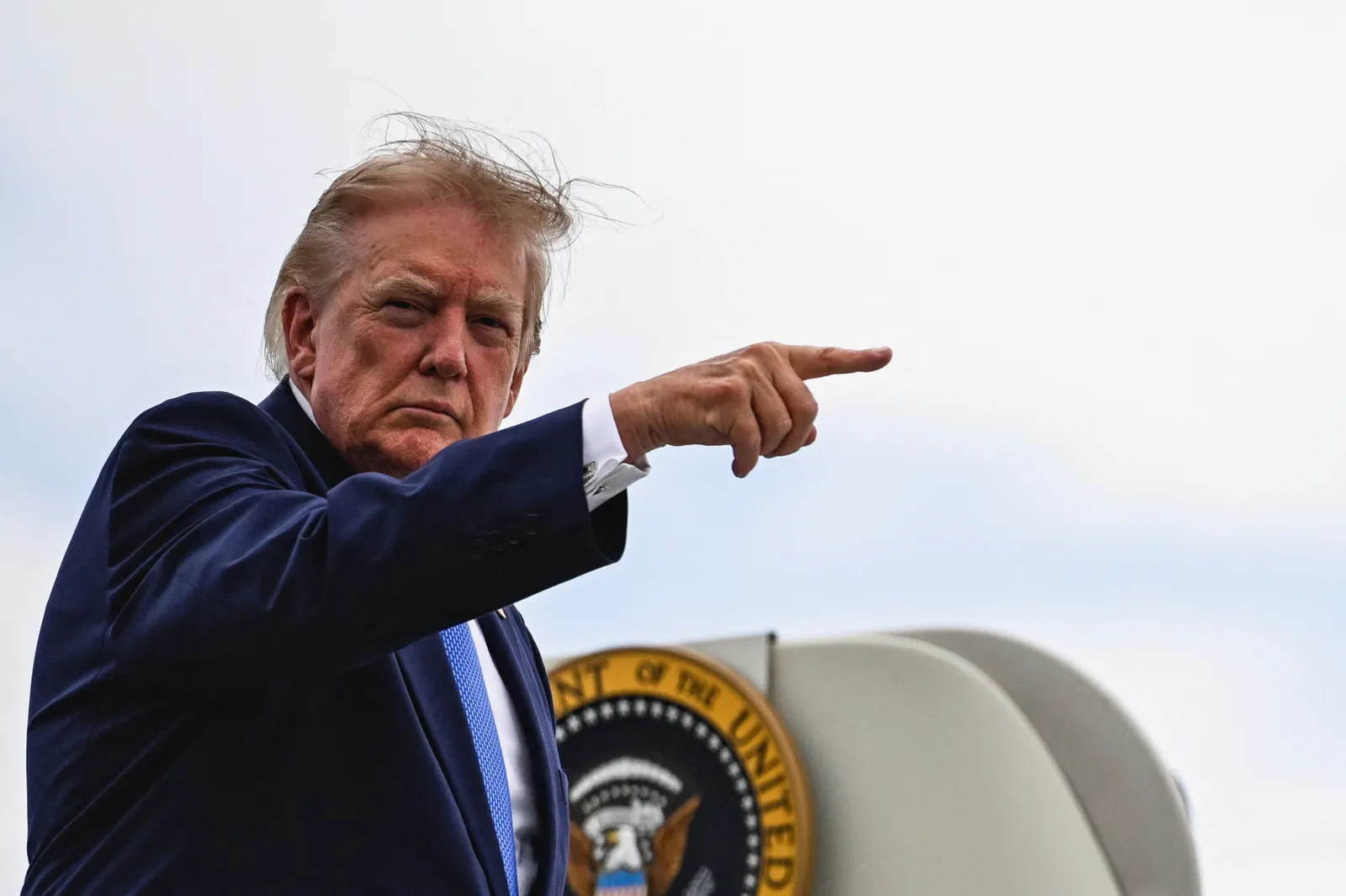
LONDON, June 15 — Oil prices slipped to a three-month low on Monday after United States (US) President Donald Trump and Iran's Deputy Foreign Minister Kazem Gharibabadi said they had reached an initial deal to end the war and to resume traffic through the Strait of Hormuz.
Brent crude futures fell US$4.33, or nearly five per cent, to US$83.00 a barrel by 0840 GMT and U.S. West Texas Intermediate was at US$80.34, down US$4.54, or 5.35 per cent. Both contracts fell to their lowest levels since March 10 on Monday after tumbling more than three per cent on Friday.
Pakistani Prime Minister Shehbaz Sharif, whose country has served as a mediator, said the US and Iran will sign a memorandum of understanding in Switzerland on Friday. On Sunday, Trump said that the Strait of Hormuz would be open "toll-free" and that a US naval blockade of Iranian ports would also end.
Iran's semi-official Mehr news agency said the draft deal called for reopening the Strait of Hormuz within 30 days under Iranian arrangements.
"It will take time for oil to approach the pre-crisis level of 20 million barrels per day sailing through this chokepoint. Estimates of the full resumption of traffic vary from weeks to months.
"Financial investors are, therefore, merely borrowing future physical supply, hence the current cheapening of oil prices. The slow resumption will possibly result in a supply deficit throughout 2026," said PVM Oil Associates analyst Tamas Varga.
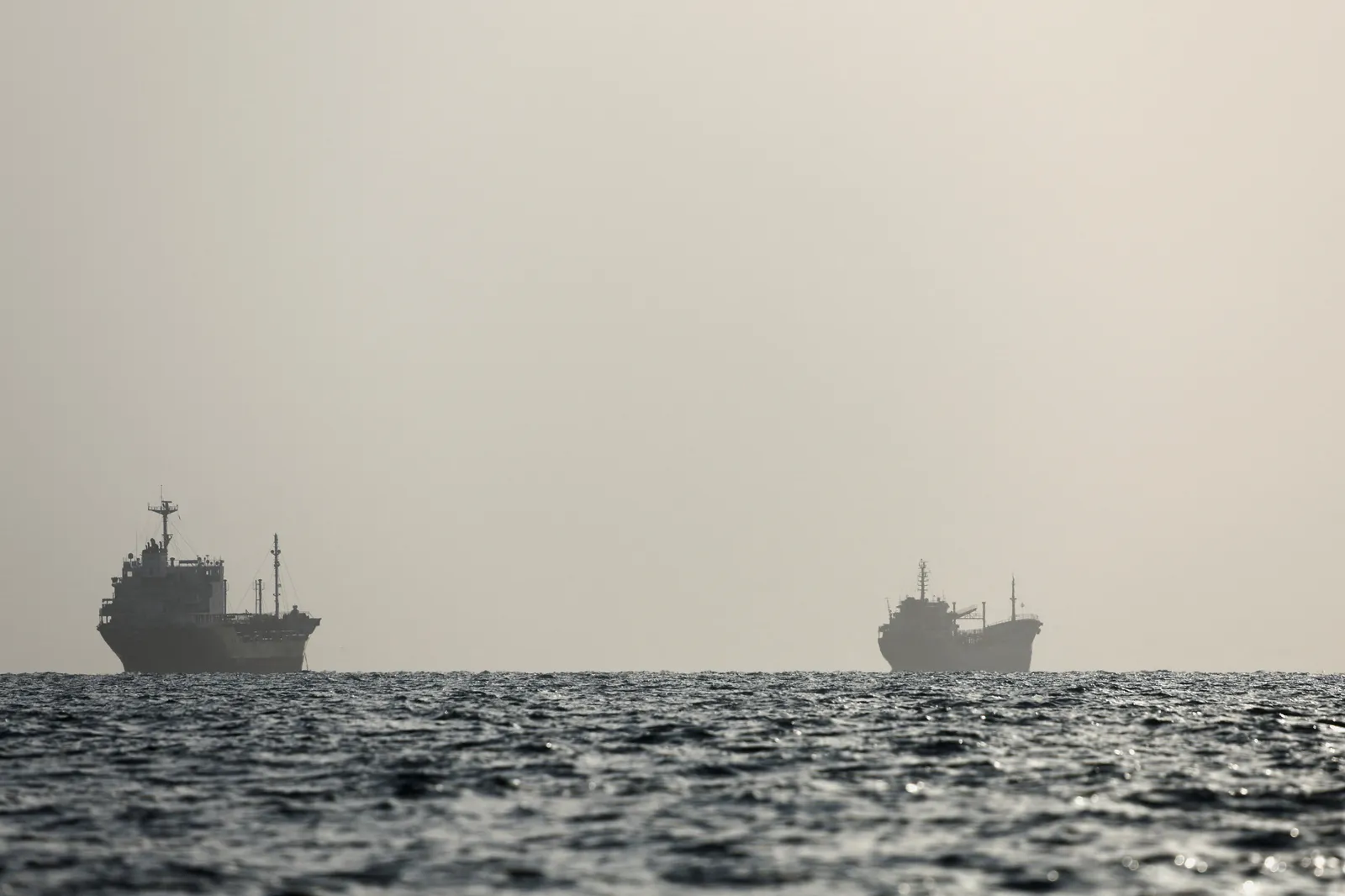
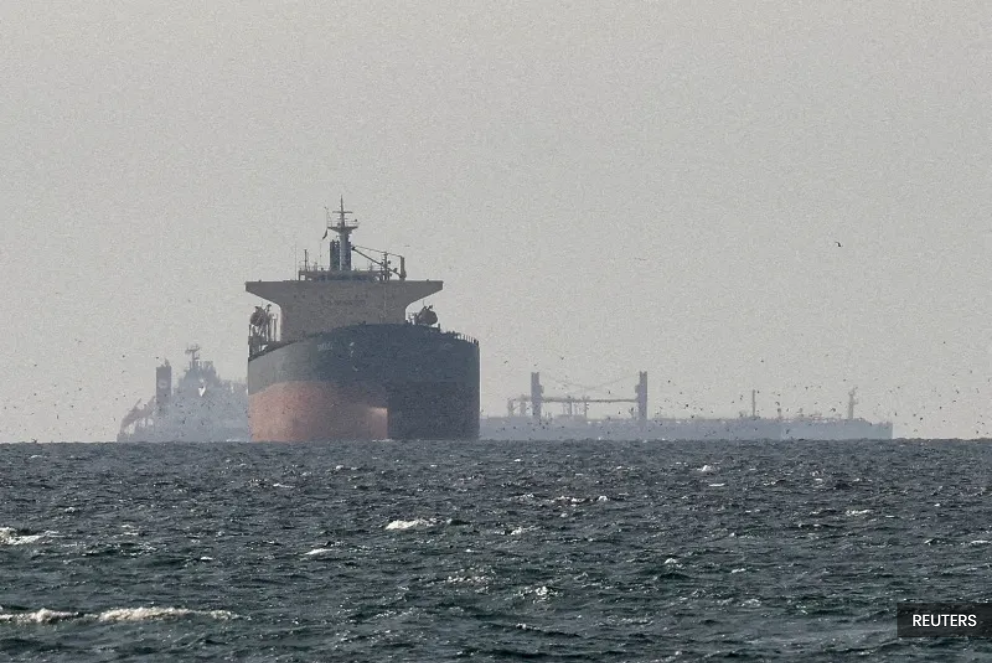
The world has lost millions of barrels of oil and gas supply since the war closed the Strait, a chokepoint for a fifth of the world's oil and liquefied natural gas supplies, for more than three months.
Investors are also watching cautiously how quickly Middle Eastern producers can resume oil production and exports following damage from the war and whether more ships will enter the region.
"The damage already done cannot be reversed overnight. This includes not only any physical damage to oil infrastructure but also the economic strain endured by oil-importing economies that have faced elevated energy costs for months," said Phillip Nova senior market analyst Priyanka Sachdeva.
Gharibabadi said a more expansive agreement would be negotiated during a 60-day ceasefire period.
However, Israeli Defence Minister Israel Katz said the military would remain in security zones in Lebanon, Syria, and Gaza indefinitely in order to protect the border and Israeli settlements. Sources previously told Reuters that the fate of Iran's nuclear programme, another thorny issue, will also be addressed in those later talks.
On Sunday, E4 nations, which include the United Kingdom, France, Germany and Italy, said the countries were prepared to lift sanctions on Iran in response to steps on its nuclear programme.