KUALA LUMPUR, June 12 — RHB Investment Bank Bhd (RHB IB) has revised Malaysia’s 2026 Industrial Production Index (IPI) growth forecast upwards to 4.9 per cent from 4.1 per cent.
This is based on a stronger-than-expected 8.2 per cent year-on-year expansion in April, continued resilience in electrical and electronic (E&E) exports, and firm domestic demand, RHB IB said in a research note.
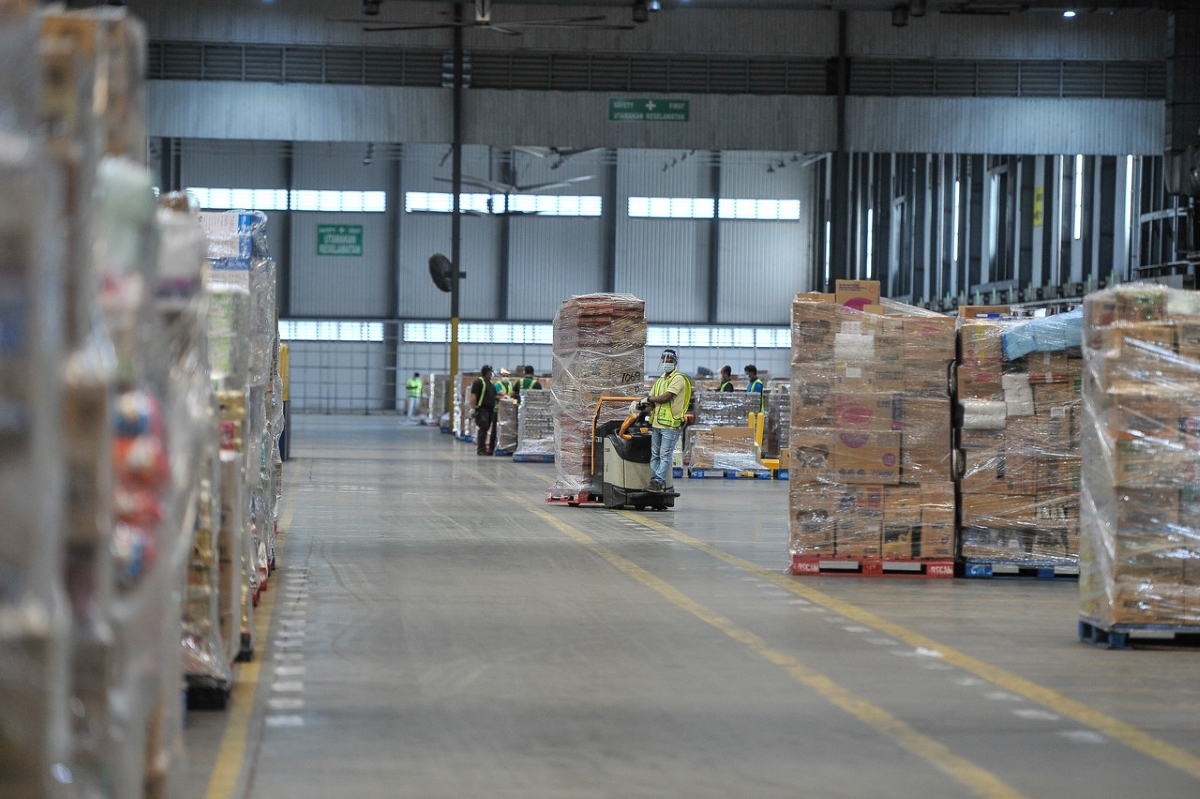
It said the manufacturing sector would be supported by sustained global E&E demand, steady domestic consumption, and targeted policy measures for the rest of the year.
“Despite our constructive outlook, we remain vigilant on the external risks, including ongoing West Asia tensions and potential shifts in US tariff policies.
“In addition, higher commodity and energy prices could increase fuel, transportation, and other production-related costs, adding to cost pressures across the manufacturing sector,” it said.
Domestically, RHB IB said resilient private consumption and investment are expected to continue to support industrial activity, underpinned by steady income growth and healthy labour market conditions.
It said policies that promote local production and the development of small and medium enterprises are likely to strengthen domestic supply chains.
Meanwhile, targeted incentives for high-impact sectors such as pharmaceuticals, semiconductors, artificial intelligence (AI), digital technology, and sustainability-related industries are expected to further enhance manufacturing value added and support technological upgrading.
“Export-oriented industries are expected to remain supported by external demand conditions, particularly from continued E&E demand, although the outlook remains subject to global economic and trade developments.
“The ongoing global technology upcycle is expected to reinforce the E&E cluster, driven by technology expansion, digitalisation, and accelerated AI adoption,” it said.
While maintaining a constructive view on the manufacturing sector outlook, the investment bank remains attentive to developments in geopolitical tensions and US tariff policies, as well as their potential implications for Malaysia’s economy.
It said higher energy prices may affect economic activity through increased production and transportation costs and reduced household purchasing power.
RHB IB said Malaysia’s producer prices exhibit sensitivity to global crude oil price movements, with both short- and long-term pass-through effects.
“In the near term, a 1 per cent increase in Brent crude prices is estimated to raise the PPI by around 0.03 per cent month-on-month, reflecting the partial transmission of higher energy costs to domestic producers.
“Over the long term, a sustained 1 per cent rise in Brent prices leads to an approximate 0.2 per cent increase in the PPI, as prolonged energy cost pressures propagate through supply chains and elevate overall production costs,” RHB IB added.