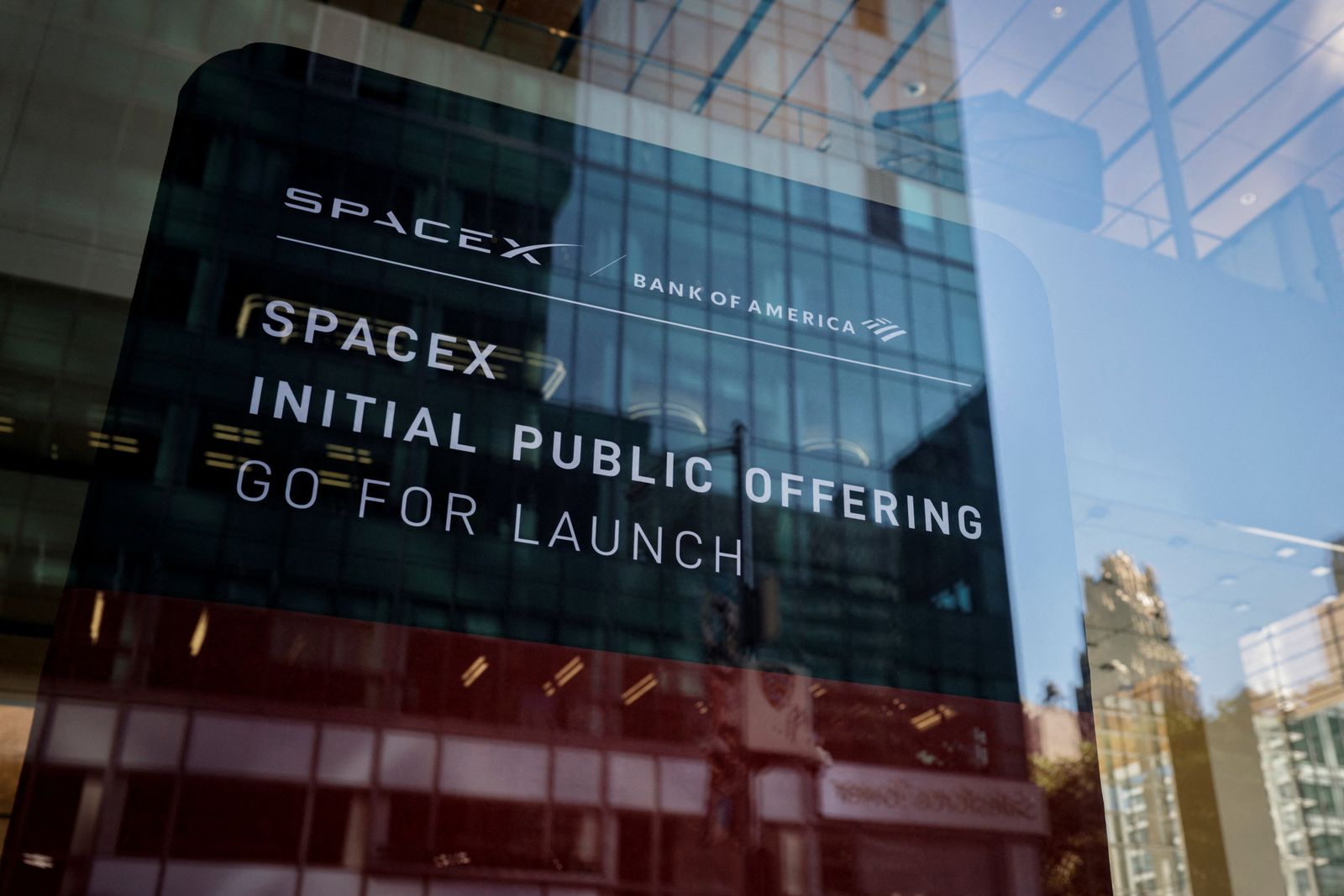
NEW YORK, June 12 — SpaceX yesterday priced the biggest-ever US initial public offering (IPO) at US$135 per share, raising a record US$75 billion (about RM305 billion) and valuing Elon Musk's rocket and spacecraft company at US$1.77 trillion (about RM7.19 trillion).
The offering, involving the sale of 555.56 million shares, surpassed the previous IPO fundraising record held by Saudi Aramco, which raised US$25.6 billion in 2019.
SpaceX will rank as the seventh-largest US-listed company when its shares begin trading on the Nasdaq today, despite reporting a loss last year.
The valuation places the company ahead of firms including JPMorgan Chase, Berkshire Hathaway and Eli Lilly, as well as technology giants such as Meta Platforms and Musk's own Tesla.
"The real test will be how the market digests the IPO over the next several weeks, not just one day," said Adam Sarhan, chief executive of 50 Park Investments.
"The pricing came in just about right — not too hot, not too cold. Clearly, retail investors are buying and, at this stage, they are a big component of this."
The offering also broke with Wall Street convention. SpaceX allocated 30 per cent of its shares to retail investors — an unusually high proportion — and announced its pricing before the traditional roadshow process had concluded.
"The SpaceX pricing is really in uncharted territory," said Rick Meckler, partner at Cherry Lane Investments.
"I've never seen the price announced instead of the normal process of price discovery based on orders."
Musk will retain 82 per cent of SpaceX's voting power following the IPO.
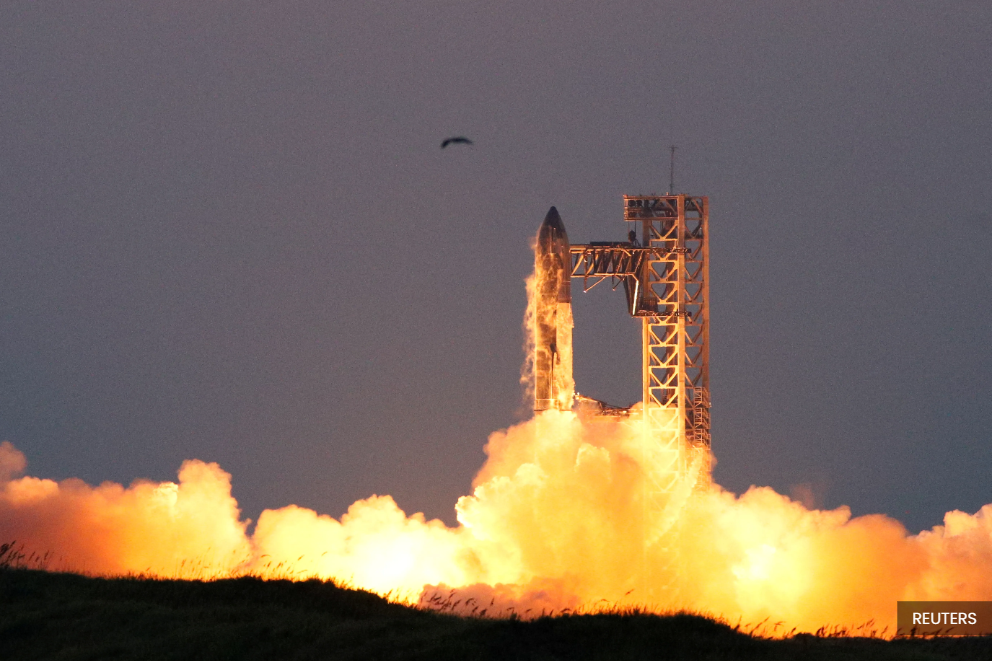
Founded in 2002, SpaceX has become a dominant force in the commercial space industry, accounting for more than four-fifths of the mass launched into orbit over the past three years. Its Starlink satellite internet business, which serves customers across 164 countries and territories, currently generates most of the company's revenue.
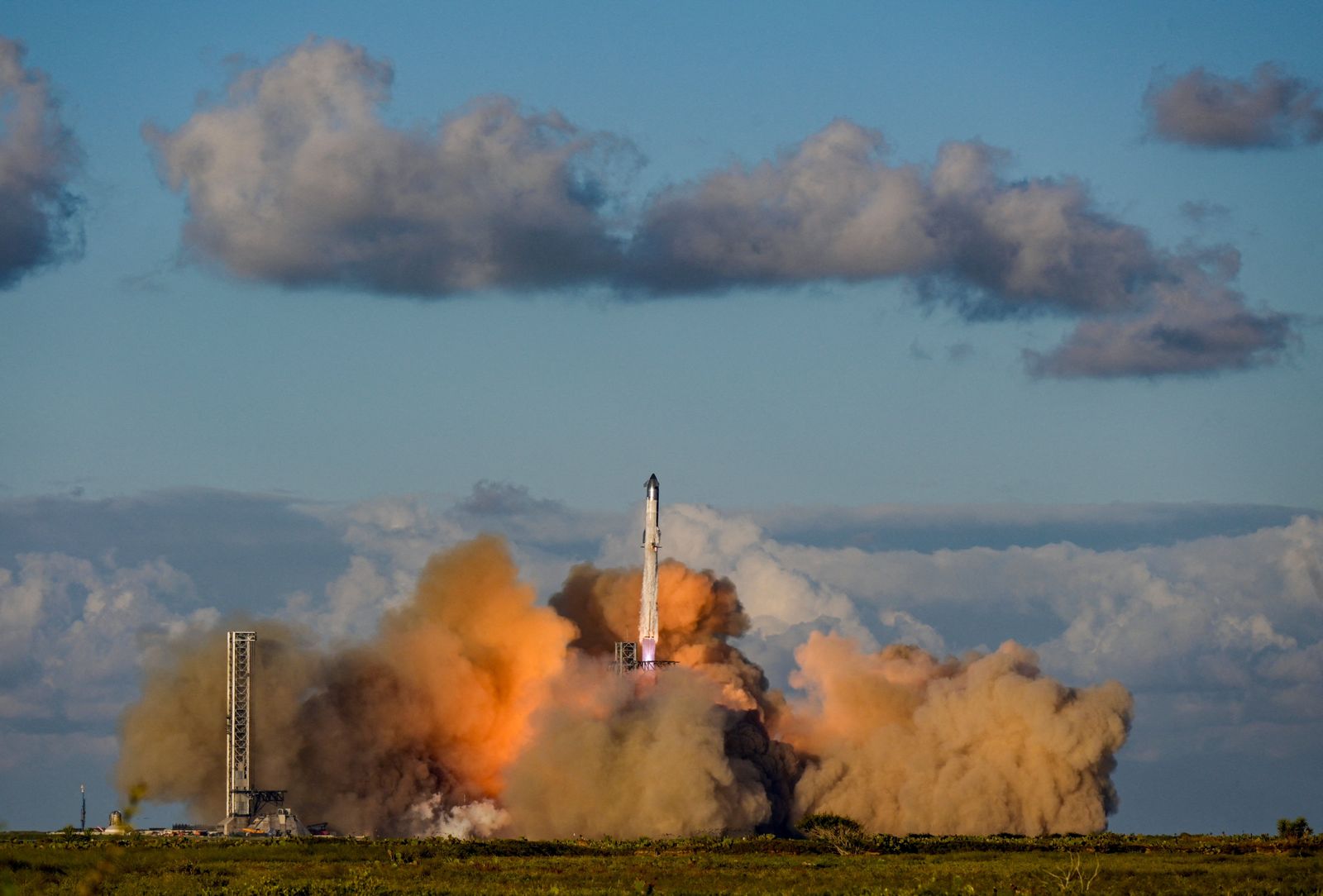
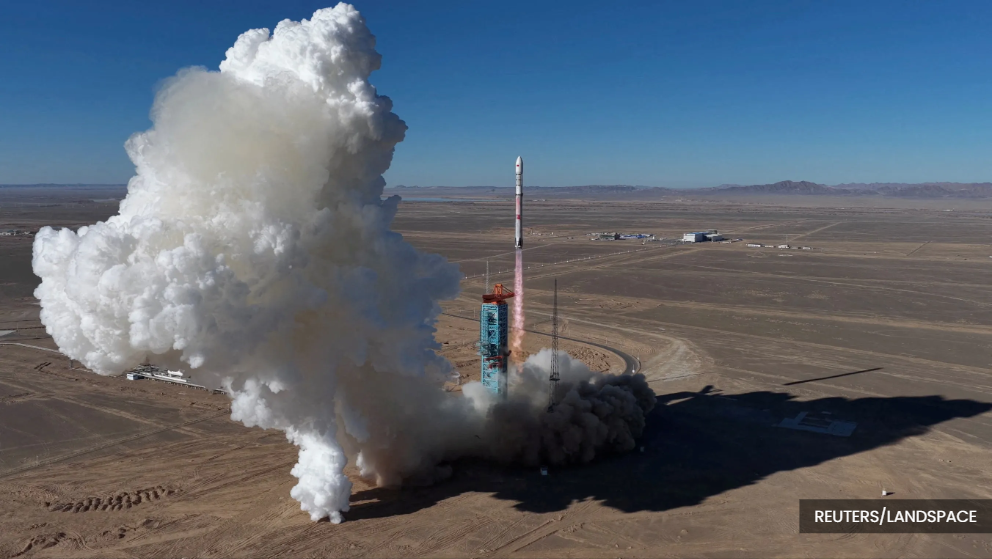
However, analysts cautioned that the company's lofty valuation comes with risks, including its reliance on government contracts and growing competition from rivals such as Jeff Bezos' Blue Origin.
"People buying the stock are buying into the future and mankind escaping the Earth — not really investing in a company," said Kim Forrest, chief investment officer at Bokeh Capital Partners.
Investors will get their first indication of market sentiment when SpaceX begins trading on Friday.
"Most IPOs pop in the 10 to 15 per cent range, and this deal has a lot of hype, so anything less than a 10 per cent return would be disappointing," said Matt Kennedy, senior strategist at Renaissance Capital.
"If it pops more than 50 per cent, that tells me it's trading on pure hype."