MEXICO CITY, June 12 — Mexico got the World Cup party started by sweeping aside South Africa 2-0 in the early hours of this morning in a tempestuous clash featuring three red cards, as the pyrotechnic smoke from the opening ceremony gave way to a cloud of red mist at a rocking Azteca Stadium.
The match fired the starting gun on football's quadrennial extravaganza, yet the scrappy encounter will likely be remembered less for its quality and more for the flurry of dismissals.
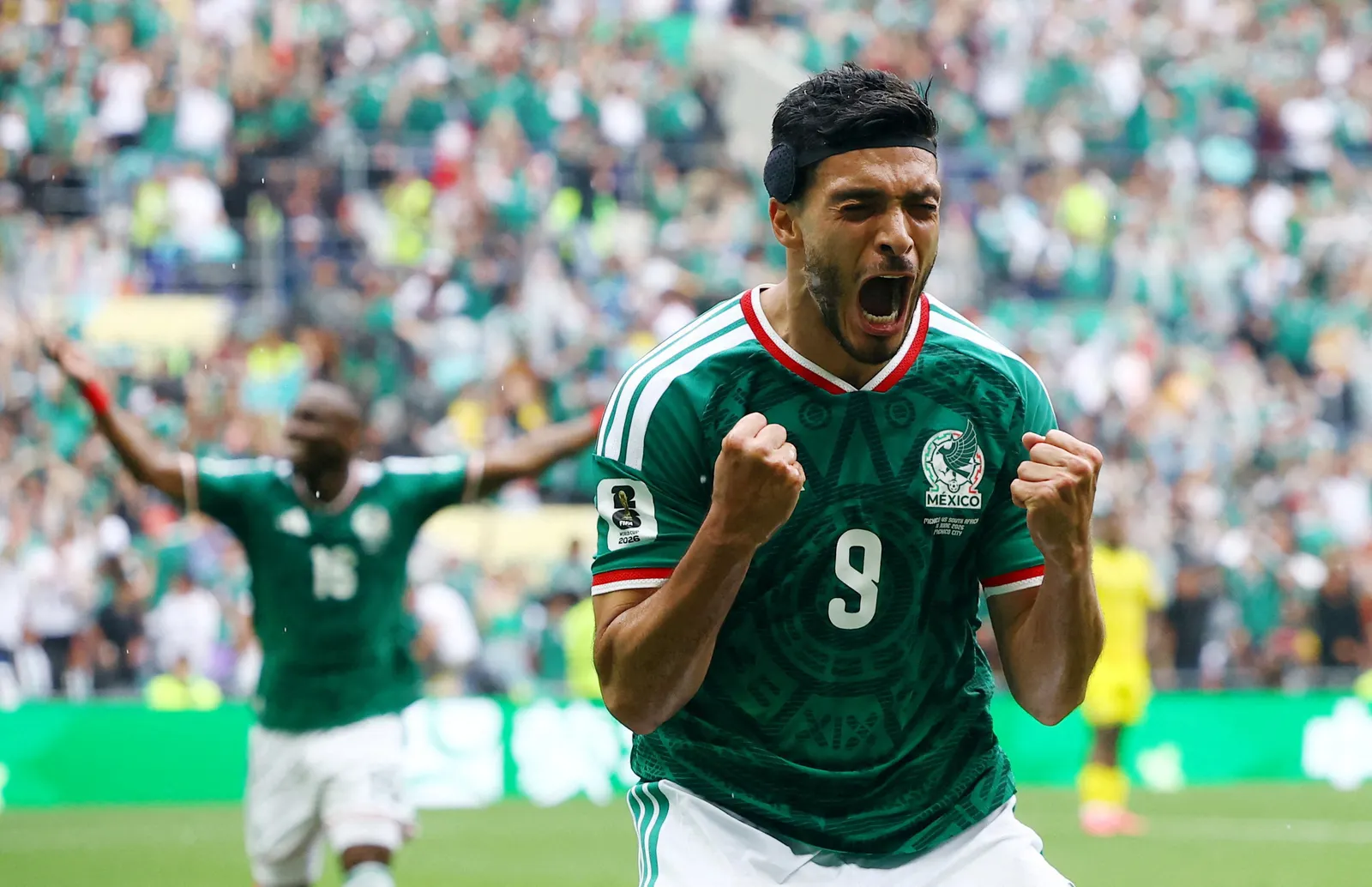
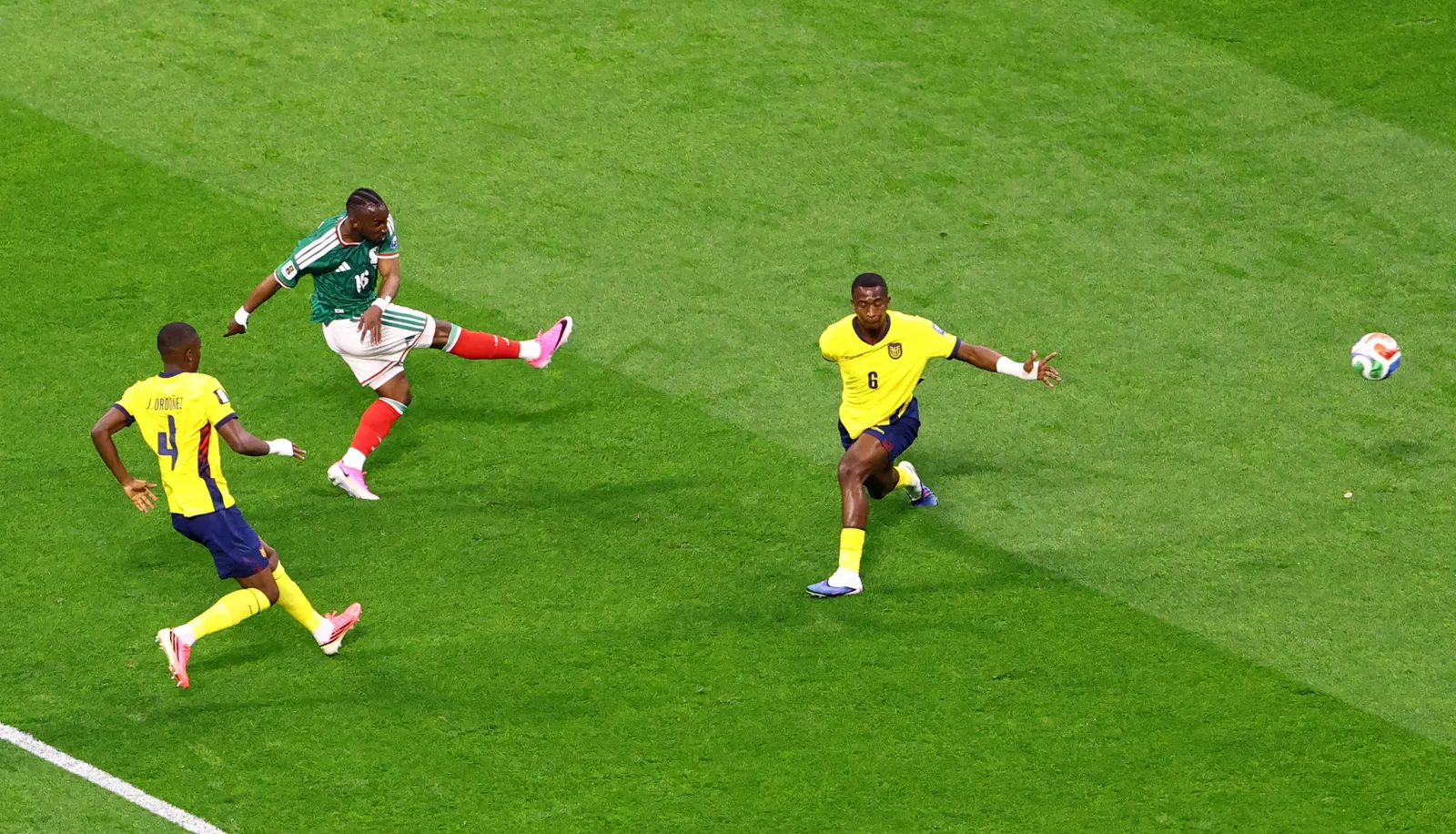
Julian Quinones's early strike set the tone for a dominant Mexican display in the Group A clash, before Raul Jimenez's header midway through the second half removed any lingering tension among the home crowd.
South Africa were reduced to 10 men when Sphephelo Sithole was sent off early in the second half, while teammate Themba Zwane later followed him off the pitch. Mexico's Cesar Montes was also dismissed in the dying moments.

The ill-tempered contest spoiled an otherwise festive atmosphere, although the home supporters still celebrated an opening victory that puts Mexico in a strong position to progress from a group that also includes South Korea and the Czech Republic.
However, Mexico's performance failed to impress their demanding coach, Javier Aguirre.
"This was a 4-0 match. We didn't play well enough, but people are happy," he told reporters. "It's the start of the World Cup — we've put the nerves behind us and now we have three points. We're thinking about what's next."
Aguirre's side next face South Korea in Guadalajara on June 18, while South Africa take on the Czech Republic in Atlanta.
Day of firsts

It was a day of milestones for the World Cup, with the first 48-team edition and the first tournament to be staged across three countries getting underway at the first stadium to host three World Cup opening matches.
Fittingly, the first of a record 104 matches saw Mexico register their first victory in a tournament opener after seven previous attempts. It also marked the first World Cup opening match to feature three red cards.
The fixture was a repeat of the 2010 tournament opener, when South Africa held Mexico to a 1-1 draw in Johannesburg. This encounter, however, unfolded at a stadium steeped in World Cup history.
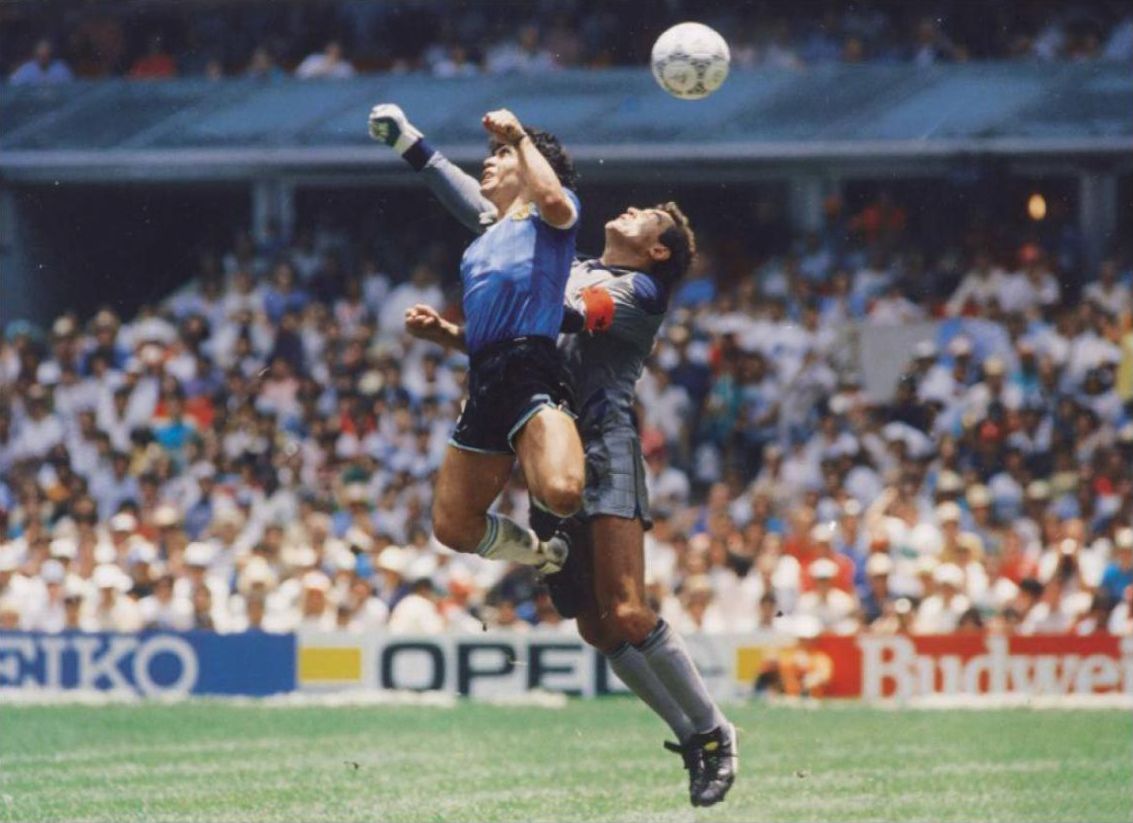
The Azteca has witnessed some of the tournament's most iconic moments, from Diego Maradona's 'Hand of God' and his exploits in 1986 to Pele leading Brazil to glory in 1970.
While the match lacked that era-defining brilliance, it mattered little to the hordes of green-clad supporters, who had already been whipped into a frenzy before a ball had even been kicked.
With the match played against a backdrop of protests that had threatened to bring Mexico City to a standstill, supporters took no chances, with many gathering around the stadium nearly seven hours before kick-off.

A city divided
As long queues wrapped around the Azteca, inside, thousands sang ahead of kickoff.
Alejandro Garcia, 50, decked out in a sombrero and carrying a replica trophy, said he was proud that Mexico was hosting another World Cup. He was a young kid when the country last hosted the tournament in 1986.
"This is our temple," he said on the concourse around the Azteca. "It's going to be a great World Cup, all of the protests will now be forgotten."
But outside the ground, the city of nine million people remained deeply divided.
The run-up to the tournament in Mexico, which the country is co-hosting with the US and Canada, has been marked by social unrest in the capital as various groups — from teachers to families of those missing in the drug war — have marched in attempts to leverage the international spotlight to advance their cause.
At least six protests were planned on the day of the World Cup opening, with the city a contradiction of celebration and opposition. Freshly painted murals, new trains and a revamped stadium aimed at welcoming tourists for the games contrasted with steel barricades mounted by businesses to protect themselves from rioters along the capital's main avenue.

Camps and marches
About three miles from the Azteca, thousands of disgruntled teachers from around the country began marching towards the stadium ahead of the match.
Teachers had also camped outside the central Zocalo square for days leading up to the start of the tournament.
The encampment forced authorities to barricade the entrance to the Zocalo on the eve of the competition opener and raised fears the area would be closed to fans who had planned to amass in the square to watch on a big screen.
Many residents have complained money was being spent to beautify the city for visitors without addressing underlying infrastructure issues. Thursday was declared an official holiday in Mexico City, in part to alleviate transport concerns.

Other Chilangos, as Mexico City locals are known, complained of prohibitively high ticket prices that had kept them from seeing the spectacle live in their home town. For the opening match between Mexico and South Africa some fans interviewed by Reuters said they had paid US$3,000 (RM12,200) or more, way out of reach for most Mexicans. FIFA has defended its pricing saying the cost of tickets is on a par with other major sporting events.
"FIFA is only interested in profit," said Jonathan Cordoba, 33, as he stood in a long queue to enter the stadium. But he said he had no regrets: "It's the passion!"