
KUALA LUMPUR, June 11 — The Malaysian labour market in the first quarter (Q1) of this year showed strong resilience with the unemployment rate at 2.9 per cent, although main challenges still revolve around skills mismatch and youth unemployment issues, said the Social Security Organisation (SOCSO).
In a statement today announced that Employment Insurance System (EIS) data recorded 24,025 people having lost their jobs during the quarter, reflecting the need for immediate intervention.
It said that although job losses in Q1 were higher than in previous years, it indirectly opens doors for people to join SOCSO’s career transition and upskilling programmes.
“Current developments show that global economic uncertainty due to geopolitical conflicts, trade tensions and oil price fluctuations provide room for more focused and innovative support strategies for domestic employment stability.
“Through the comprehensive EIS ecosystem, SOCSO does not just channel temporary financial aid, but also provides active interventions through MYFutureJobs portal as a national career matching hub,” the statement said.
From January to June 5, SOCSO approved 137,887 claims through EIS, involving a total endorsed payout of RM255 million.
The claims include critical allowances such as Job Search Allowance, Reduced Income Allowance, Early Reemployment Allowance, Training Fee, and Training Allowance.
“Compared with Q1 of previous years, 2022 had 10,433 job loss cases, followed by 10,985 cases in Q1 2023, increasing slightly to 13,535 cases in Q1 2024, and jumping to 16,174 cases in Q1 2025.
“In terms of breakdown, 10,658 cases were recorded in January, which was the highest, followed by 7,512 cases in February and 5,855 cases in March,” the statement said.
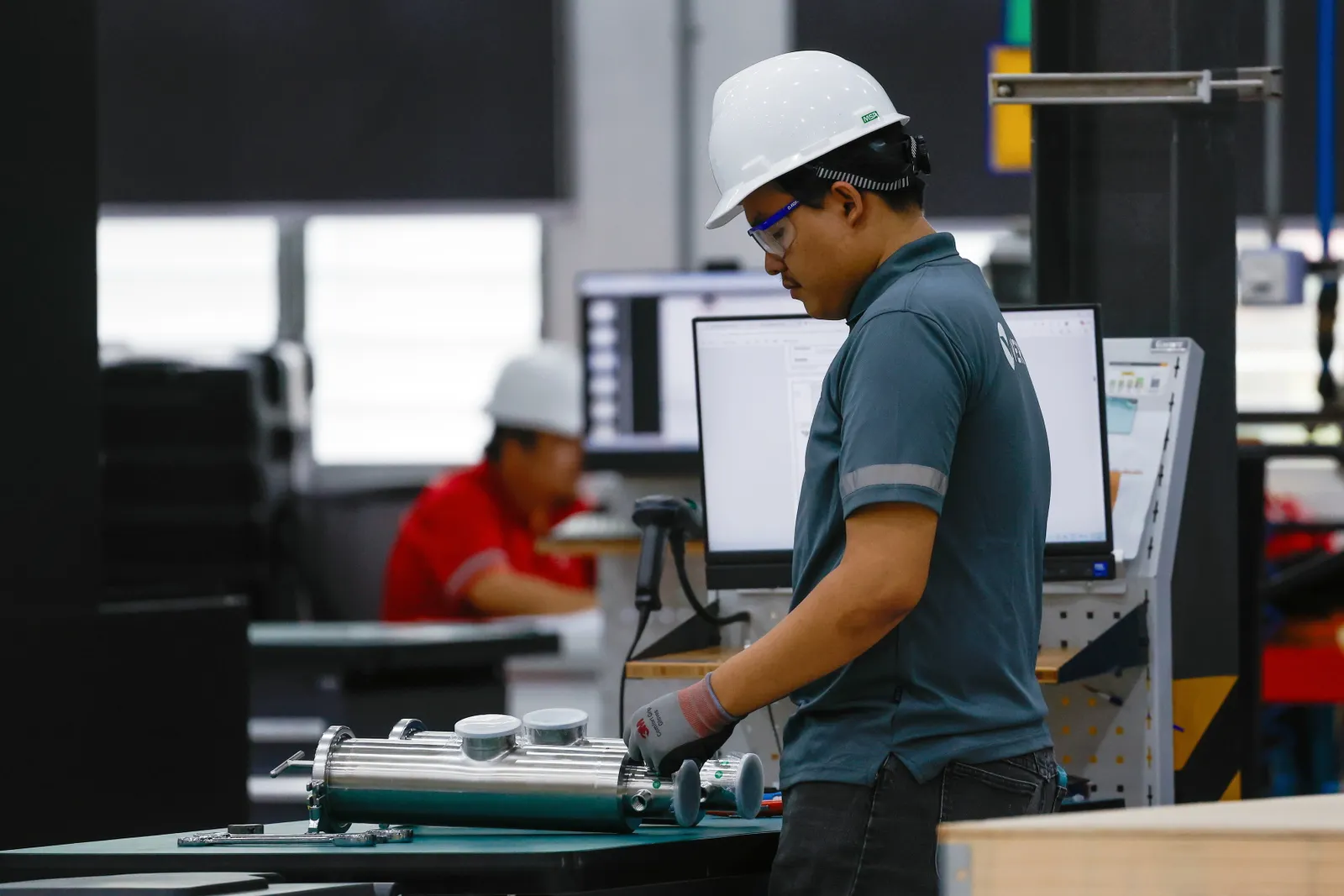
In the industrial sector, the manufacturing segment continued to record the highest number of job losses, at 4,871 cases (20.3 per cent), driven by increased operating costs and uncertainty in global demand.
SOCSO said data also revealed widespread layoff pressures since January, with workers aged between 25 and 39 making up almost half of the total layoffs at 11,997 cases.
Of the total, the 25-to-29 age group recorded 4,428 cases, followed by the 30-to-34 group with 4,218 cases, and the 35-to-39 group with 3,351 cases.
The highly educated group was also affected, with 10,737 diploma and bachelor’s degree holders having lost their jobs, emphasising the importance of upskilling and reskilling programmes for the group.
“SOCSO will continue to monitor the current situation and identify the most affected sectors and those that require immediate intervention, with training programmes, career opportunities continuing to be increased to support all layers of affected workers,” read the statement.