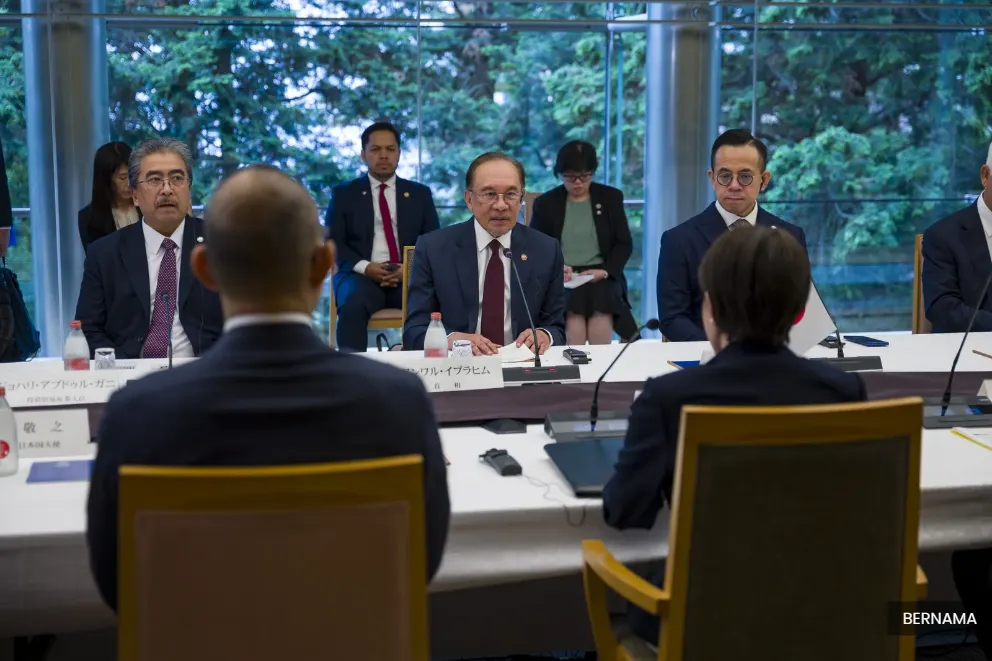
TOKYO, June 10 — Malaysia and Japan have agreed to deepen cooperation on energy security and civil nuclear power, as both countries seek to strengthen resilience against global supply disruptions and growing geopolitical uncertainty.
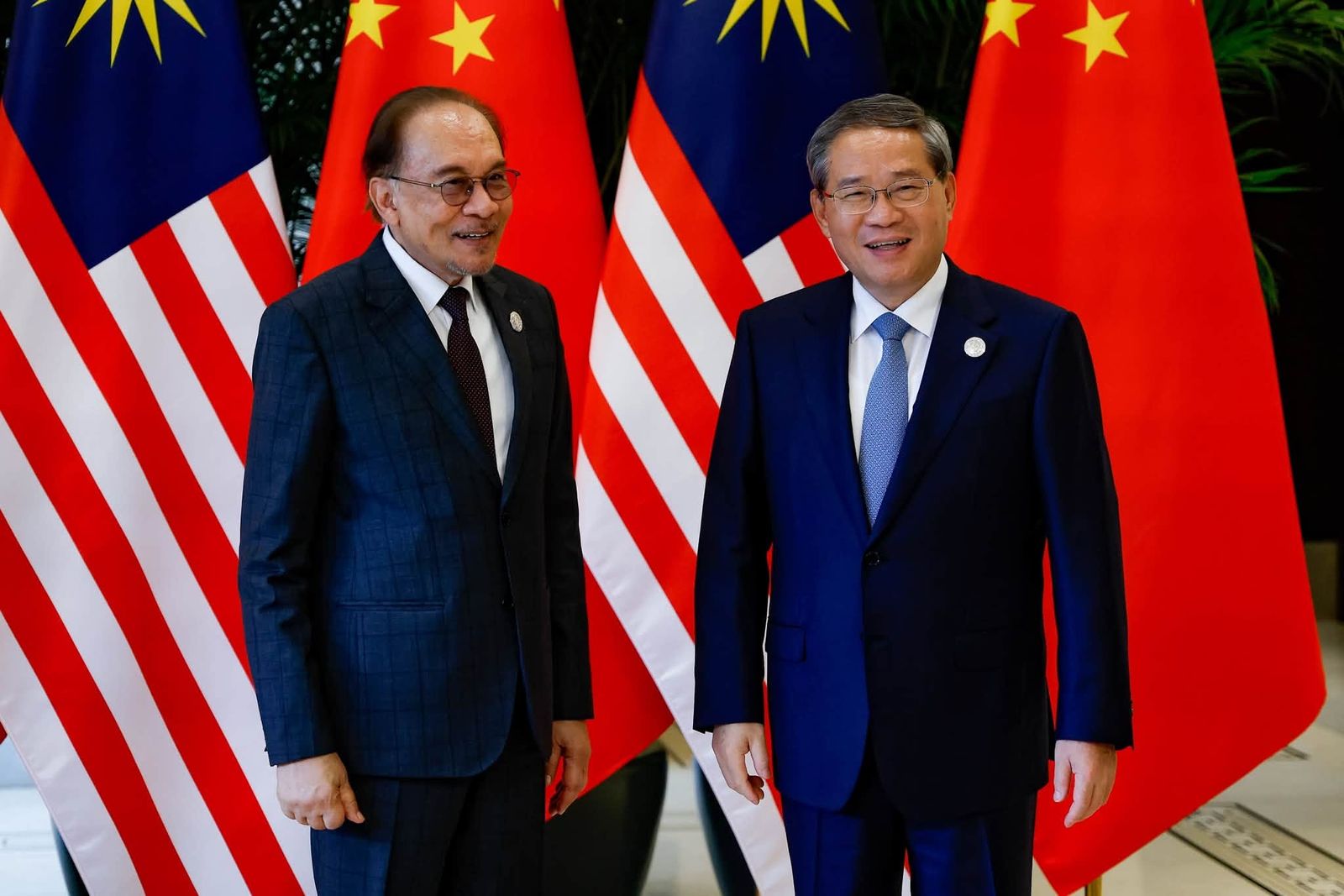
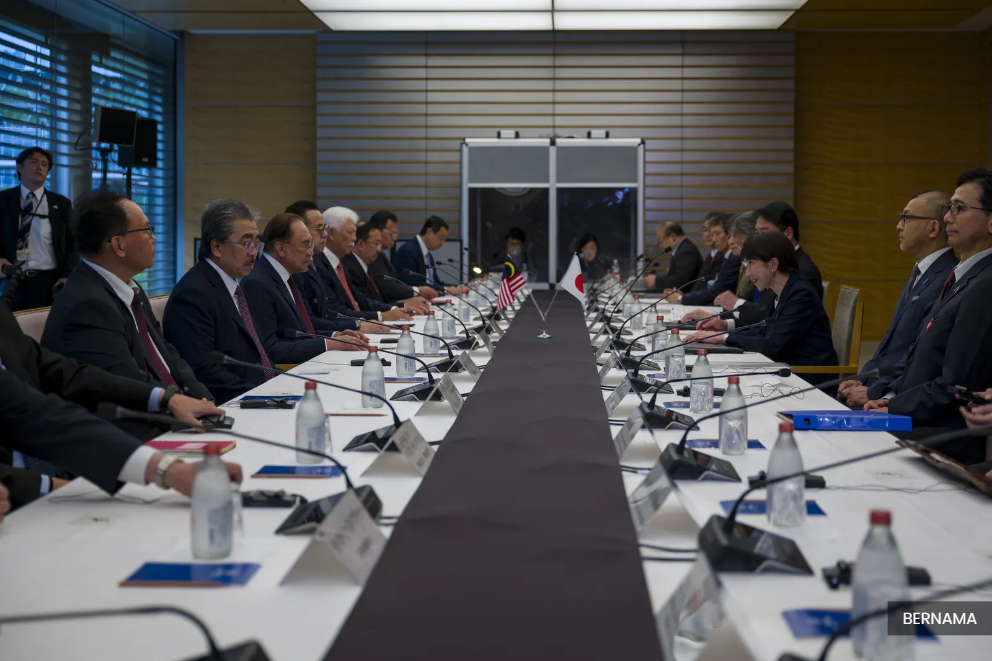
Prime Minister Datuk Seri Anwar Ibrahim and Japanese Prime Minister Takaichi Sanae both confirmed their commitment in light of the destabilisation of global energy supplies and the risks posed by tensions in West Asia.
“Anwar expressed Malaysia’s utmost commitment to promote open and stable trade flows to Japan, including for essential energy supplies such as liquefied natural gas as well as petroleum and chemicals products such as naphtha, urea, and medical gloves,” said a joint statement issued today, following the talks.
Anwar, who is also the Finance Minister, was in Japan for a three-day official visit ending today.
The two sides agreed to explore ways Malaysia could help meet Japan’s energy needs while balancing domestic priorities and available surplus capacity.
Meanwhile, Anwar and Takaichi also agreed to expand cooperation on the peaceful use of nuclear energy, as Malaysia prepares to introduce nuclear power as part of its long-term energy strategy.
“Takaichi welcomed the sharing of updates on Malaysia’s preparations for the introduction of nuclear power — including reactor technology options, site selection, and business and institutional arrangements — as a basis for formulating Japan’s support plan,” the statement said.
The leaders also agreed to deepen cooperation on economic security and strengthen the resilience of critical-mineral and rare-earth supply chains.
They expressed concern over economic coercion, non-market practices and arbitrary export restrictions that could disrupt global supply chains, and reaffirmed their commitment to promoting secure, diversified and reliable supply chains among trusted partners.
Anwar and Takaichi also agreed to enhance cooperation on critical minerals through ongoing collaboration among the Japan International Cooperation Agency, the Japan Organisation for Metals and Energy Security, and the Japan Bank for International Cooperation, while also exploring partnerships with countries such as Australia and France.