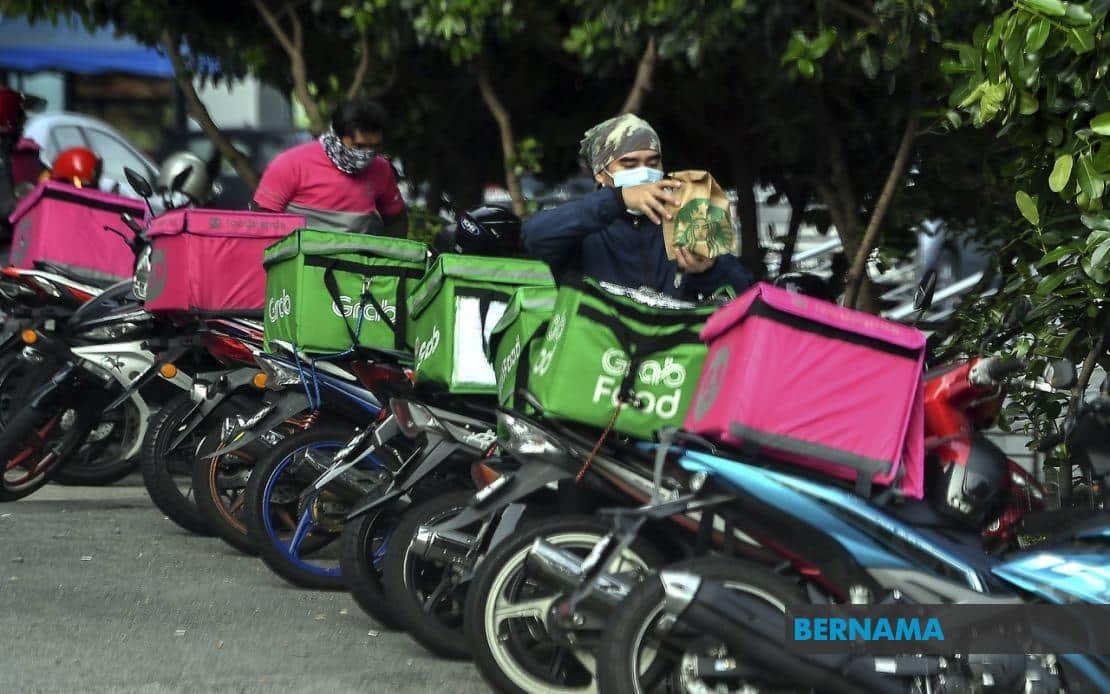

SHAH ALAM, June 8 — Rising living costs have led more Malaysians to take on secondary jobs, increasing the need for protection against accident-related risks outside normal working hours.
The Malaysian Financial Planning Council's international affairs and development committee chairman Anuar Shuib said changes in employment patterns have made the Social Security Organisation's (SOCSO) Lindung 24/7 scheme increasingly relevant.
It complements existing protection by providing coverage for accidents occurring outside working hours at a relatively low contribution rate.
“The protection is comprehensive as it includes medical benefits, temporary disability benefits, permanent disability benefits, and dependents’ benefits.
“In addition, it provides funeral management benefits, constant-attendance allowance, physical rehabilitation benefits, and educational assistance for dependants,” he told Media Selangor.
Anuar noted that the scheme should not be viewed as a competitor to insurance products, as its coverage is primarily aimed at workers earning RM6,000 or less, whereas insurance policies generally provide broader, more comprehensive protection.
The contribution rate, which will be implemented gradually, reaching 1.25 per cent in the sixth year, will enhance the scheme’s benefits and coverage over time.
“If we look at the cost, it is relatively affordable. Therefore, the current rate of 0.75 per cent is not burdensome, while the protection provided is substantial.
“Compared with other forms of coverage that protect workers both during and outside working hours, the cost would be significantly higher,” he said.
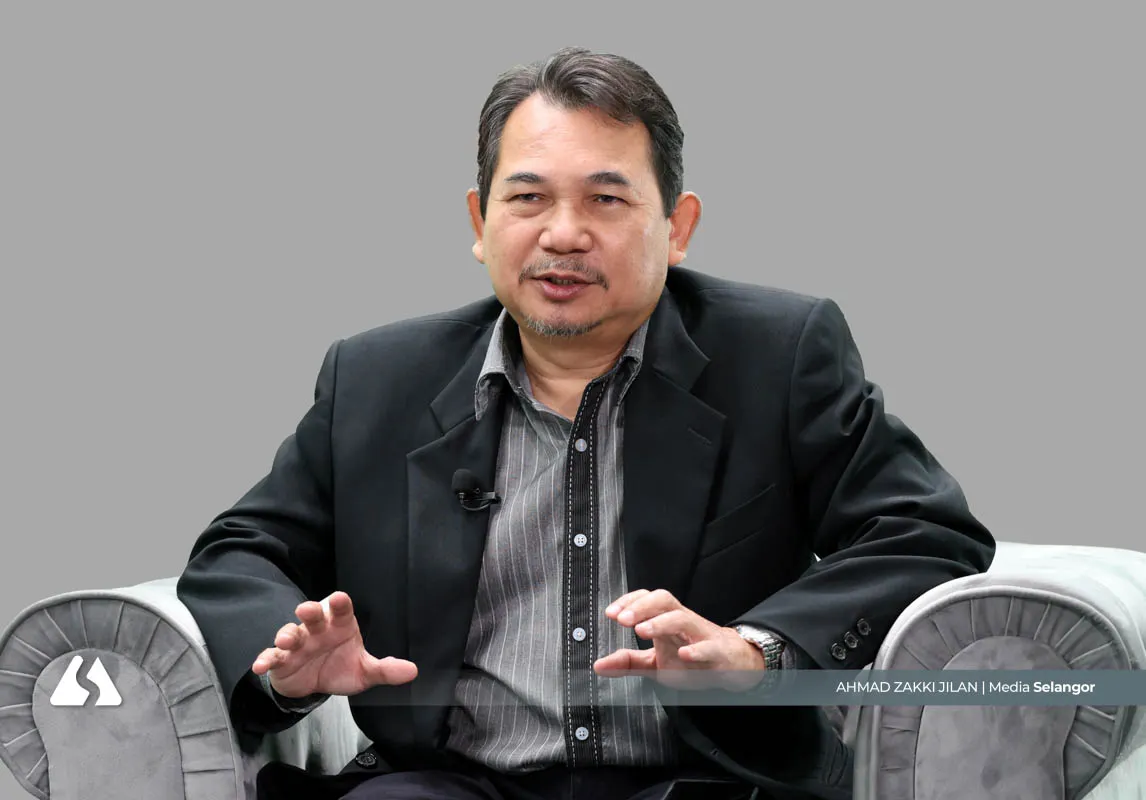
Meanwhile, the Selangor Journalists and Photographers Association's welfare executive councillor Hanafi Mohamed said that protection outside working hours is important to ensure workers and their families do not lose their source of income in the event of accidents, serious injuries, or death.
The scheme is particularly relevant today as more permanent, contract and part-time workers are taking on multiple jobs to supplement their income.
“Nowadays, permanent, contract and part-time workers often take on two or even three jobs to cope with the cost of living, and this scheme provides protection even outside their primary working hours,” he said.
Hanafi added that the need for such protection is especially evident in industries where employees are required to work beyond normal hours, leading to fatigue and an increased risk of accidents.
“The media industry is often involved in incidents that take a long time to cover and resolve. Examples include cases involving drowning victims, missing persons, or incidents such as the gas pipeline explosion that occurred in Putra Heights.
“Journalists and media personnel sometimes have to work between eight and 12 hours, or even an entire day, at a location. As a result, they may experience burnout and microsleep, which can lead to accidents,” he said.
Hanafi said that the phased contribution structure over six years is reasonable and unlikely to have a significant financial impact on contributors.
As such, he encouraged more workers, including those employed on contract and part-time arrangements, to participate in the scheme and benefit from the protection it offers.
“I believe SOCSO's contribution rate is not as high as contributions to the Employees Provident Fund, because it is not intended as a savings mechanism.
“It is primarily designed to provide compensation for workplace accidents or disabilities, as well as death benefits and assistance with treatment and rehabilitation costs during recovery,” Hanafi said.