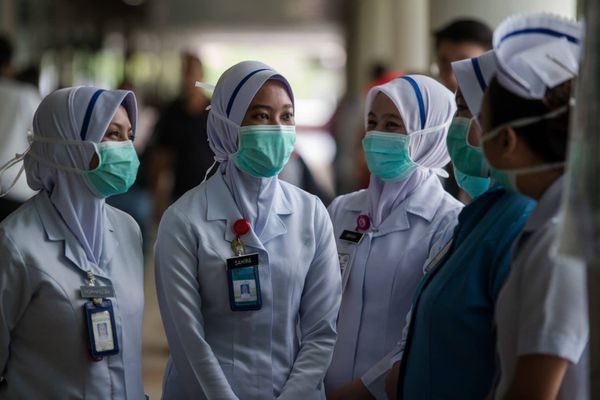
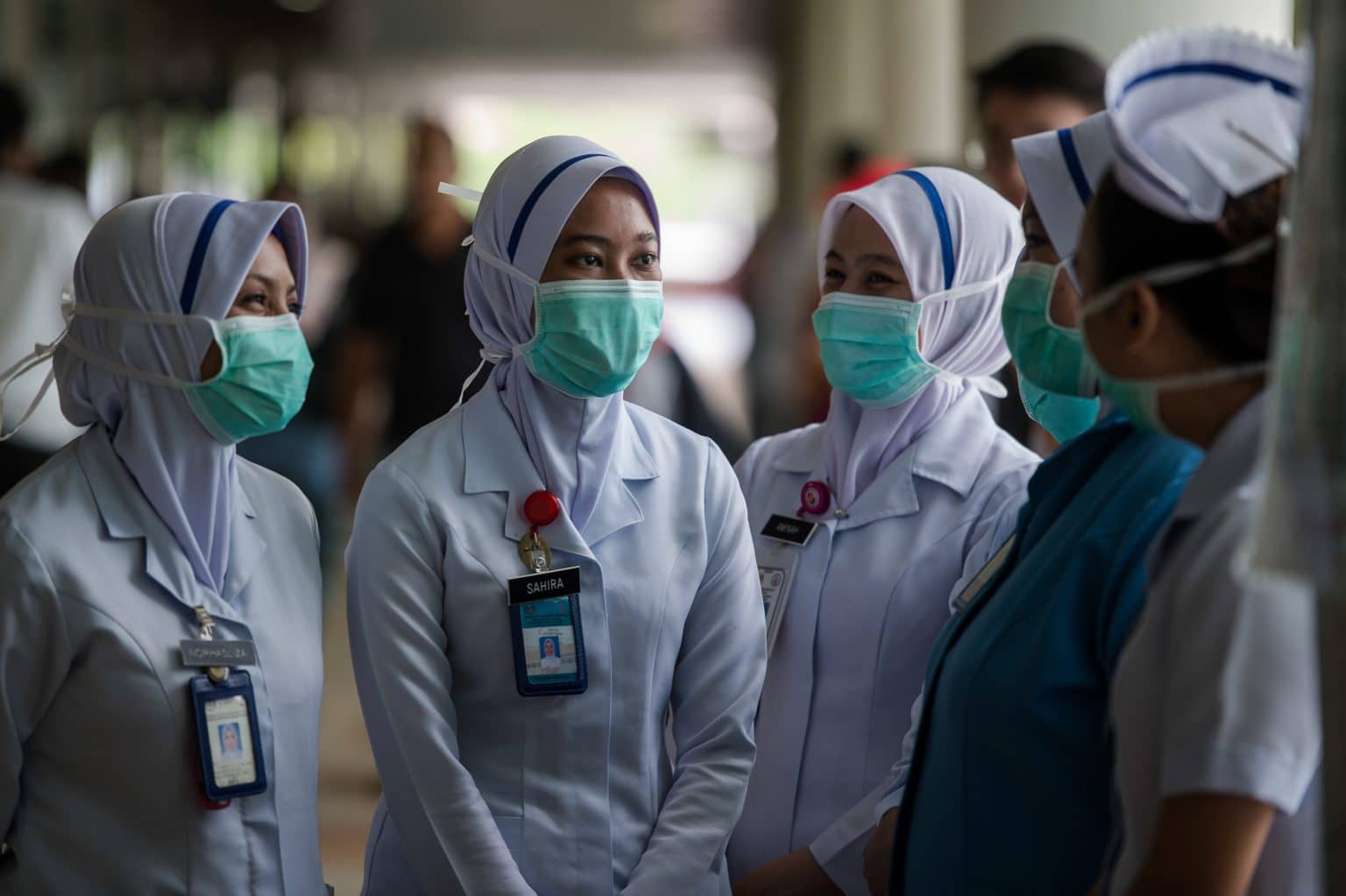
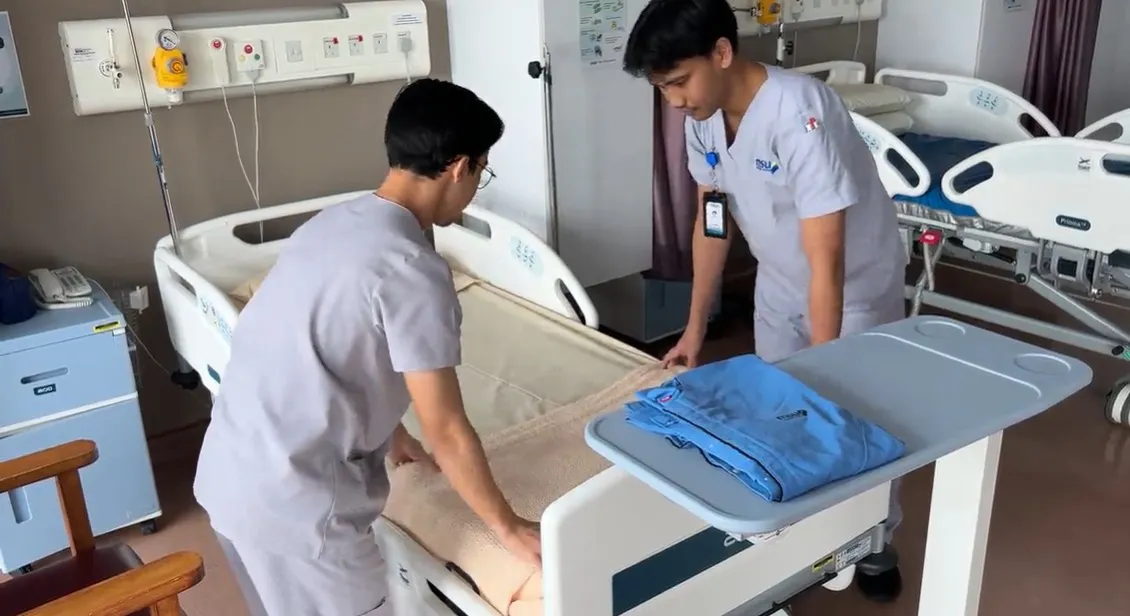
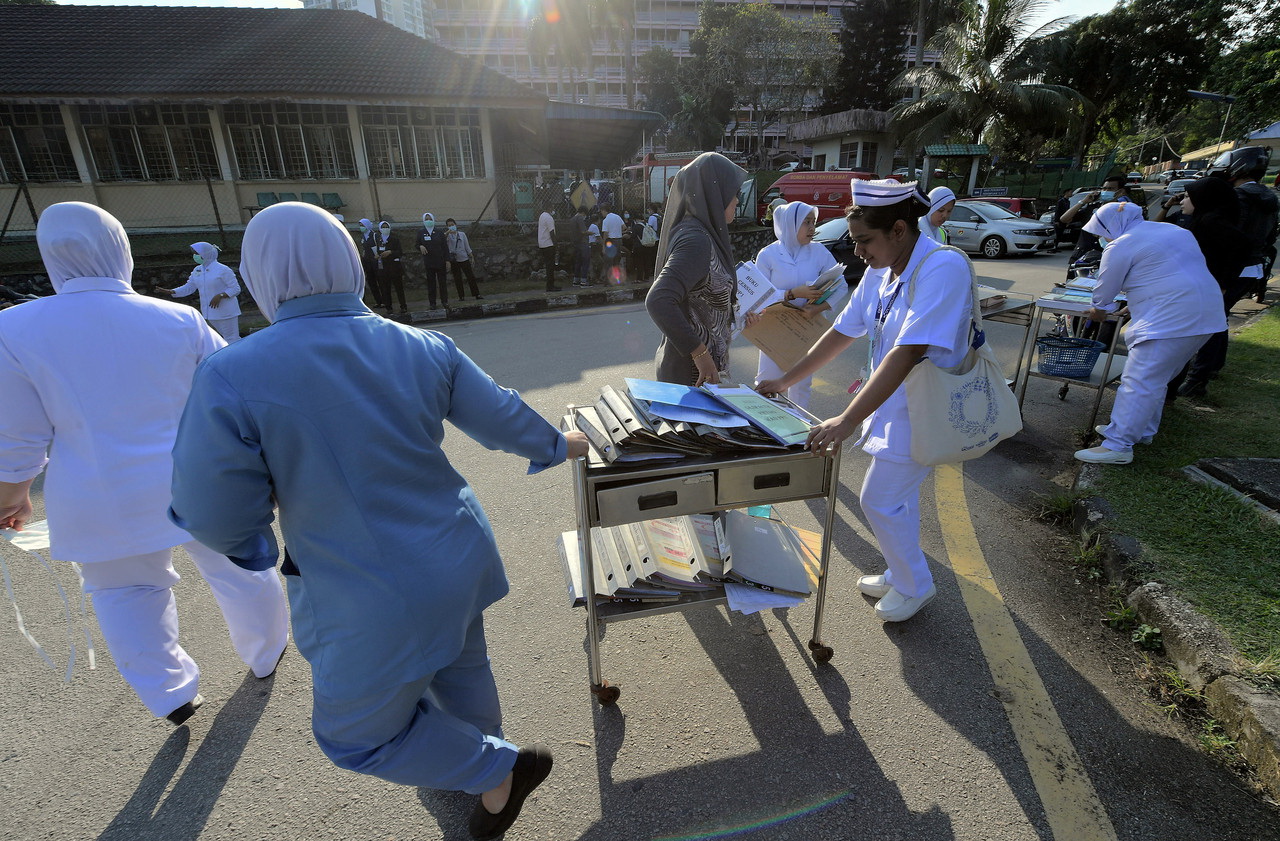
SHAH ALAM, June 7 — A career-guaranteed health sciences education model like the Selangor Frontliner Apprenticeship Programme (SELFA) has the potential as a strategy to address Malaysia’s nurses shortage and healthcare worker brain drain, said an industry expert.
Universiti Selangor (UNISEL) Faculty of Health Sciences dean Mohd Sharikh Dali Mahad said SELFA, an initiative by the university, offers students a more sustainable education ecosystem with a combination of academic training, industry competence development, and clearer career pathways.
He added that the approach is significant as Malaysia is expected to face a nursing shortage.
“Based on projections and statements issued by the Health Ministry (MOH), the nursing workforce shortage is set to become more critical in the next few years. In fact, by 2030, the public health sector is to face a nursing labour shortage of nearly 60 per cent, especially at government hospitals,” he said.
According to Sharikh, the shortage has only worsened after the COVID-19 pandemic, with the global health crisis directly impacting Malaysia’s number of nursing graduates.
He said disruptions to training, clinical placements, and professional competence development during the pandemic created an obvious gap between workforce demand and supply in the health sciences sector, especially in the nursing field.
“The COVID-19 pandemic wasn’t just a public health crisis, but presented structural effects to the nation’s healthcare workforce development ecosystem.
“The recovery of nurse and expert labour supply capacity isn’t something that can be achieved in a short time because the process of producing quality professional labour needs at least three years of systematic and continuous training.
“Even though disruptions to the labour production chain only involve one or two cohorts, their implications are significant when combined with the rapid growth of the global healthcare sector, which increases demand for skilled labour every year,” he added.

Sharikh also said the imbalance results in a more competitive market, including career packages that are more attractive from the private sector and foreign institutions.
“In the context of the open market, local brain drain is hard to prevent, but this becomes more challenging amid prolonged work pressures and the issue of burnout driving some healthcare practitioners to seek more conducive work environments and salaries more suited to their expertise and commitment levels,” he explained.
He added that to reduce brain drain in the health sector, more competitive packages, including salaries, work environments, and better career development, are needed.
“Like it or not, we must be competitive in terms of salary and such. Other than salary, there may be some people who don’t really look for high pay, but a healthy work environment or career development opportunities,” he said.
Sharikh also said that youth are losing interest in health sciences programmes.
“Today’s generation may have less exposure to how the health sciences field actually offers strong career guarantees, besides competitive income prospects and continuous professional development opportunities. The health sector is even among the fields most stable and resilient against economic uncertainties compared with many other sectors.
“What’s worrying is that a big part of students don’t truly understand the breadth of career pathways in the health sciences field. Usually, they only see the professions of nurse or doctor in a general manner, when this field encompasses various critical disciplines that have high national and global demand,” he added.
He explained that among fields that are increasingly receiving industry attention include physiotherapy, medical imaging, medical laboratory technology, and several associated healthcare branches that offer encouraging career prospects.
Thus, he said, UNISEL’s Faculty of Health Sciences works closely with the Selangor government to expand school students’ awareness of opportunities and career pathways in the sector.
“Last year, UNISEL’s Faculty of Health Sciences received full support from (state executive councillor for Islam and innovation Dr Fahmi Ngah) through the Health Sciences Exploration programme, which is an initiative to bring early exposure of the health sciences profession to school students in Selangor.
“We’ve seen that exposure at the Forms 4 and 5 level is important so students get a clearer picture about potential careers in the sector before they decide to further their studies. We also hope programmes like this can be continued this year to benefit Selangor’s younger generation,” Sharikh said.
UNISEL developed SELFA as a career-guarantee health sciences education model to sustainably support workforce development for the sector.
Under the initiative, SELFA-HSP was launched in 2021, involving strategic collaborations with private hospitals that sponsor students through full scholarships for the Diploma in Nursing programme and assured job placements upon graduation.