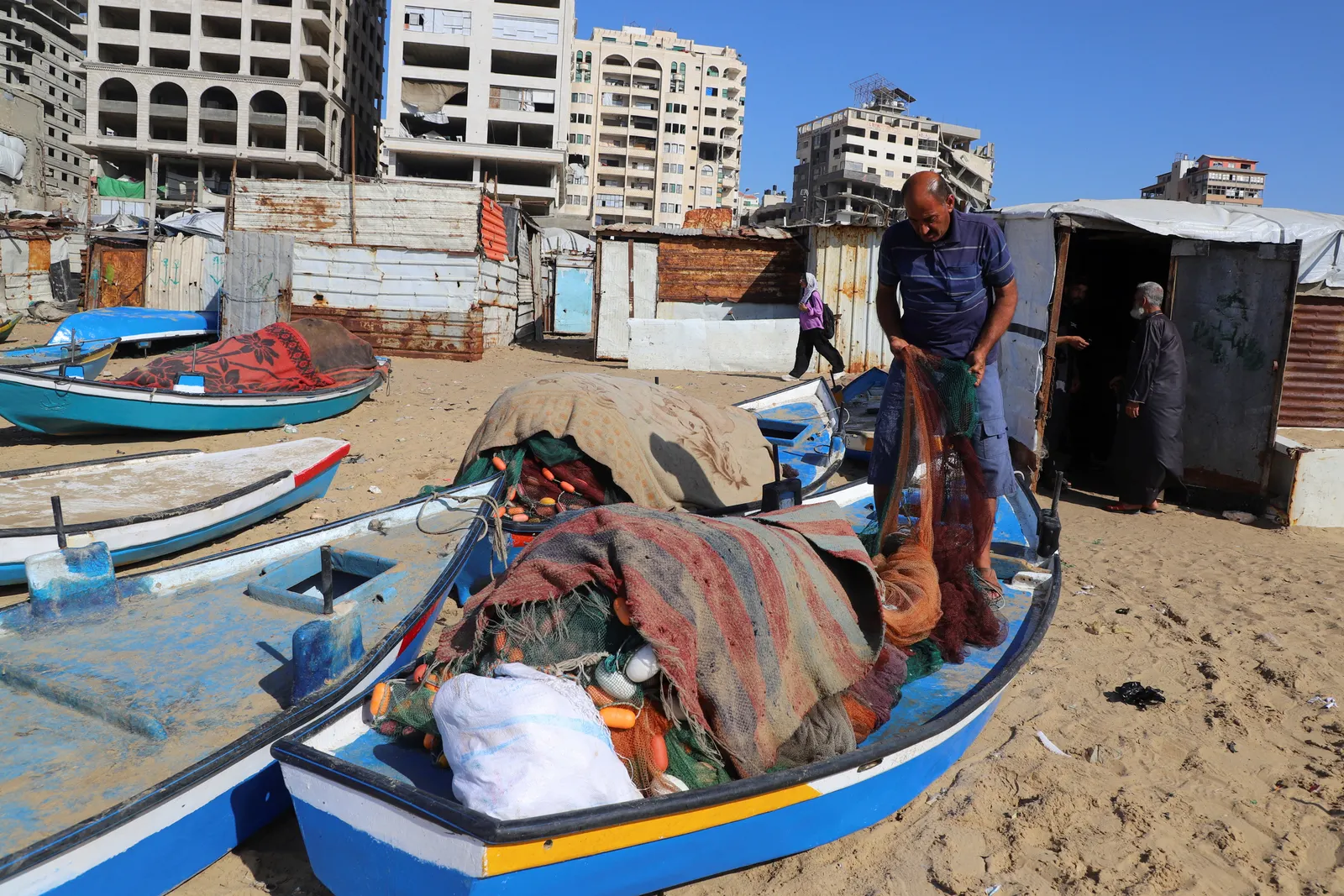
GAZA, June 6 — In a Gaza workshop, a group of men patch up pleasure dinghies with reclaimed fibreglass, wood, and door frames pulled from rubble, racing to get the boats ready for a tougher line of work.
The small vessels, which were used by families and swimmers before the war, have become a lifeline for the enclave’s fishing industry that has been struggling to keep up its fleet.
Israel’s restrictions on new fibreglass and other materials entering Palestine’s Gaza have made it increasingly difficult and expensive to repair the larger, purpose-built boats, fishermen said.
“A kilo of fibreglass in the era before the war was 50 or 60 shekels (about RM65 to RM85),” fisherman Mohammad al-Hissi told Reuters. The cost today is around 800 shekels, he added.
Total catch has plummeted, say fishermen
COGAT, the Israeli military agency that controls access to Gaza, told Reuters the bans cover items that could have a military as well as a civilian use. It did not directly comment on restrictions on fibreglass.
Even before the war that began with Hamas attacks on southern Israel in October 2023, Gazan fishermen faced strict Israeli restrictions on how far they could go out to sea.
Now, they say they keep even closer to shore to avoid the shooting that they report has continued since last year’s ceasefire.
Israel’s military did not immediately respond to questions about the reported shooting and its impact on fishermen.
More than 900 Palestinians have been killed in Israeli strikes since the truce began, according to figures from Gaza health officials that do not distinguish between combatants and civilians.
The Gaza fishing industry’s total catch has shrunk to less than 15 tonnes a month — the amount they used to take every day before the war, Gaza Fishermen Syndicate member Zakaria Baker said.
Fishing was an important source of food before the conflict.
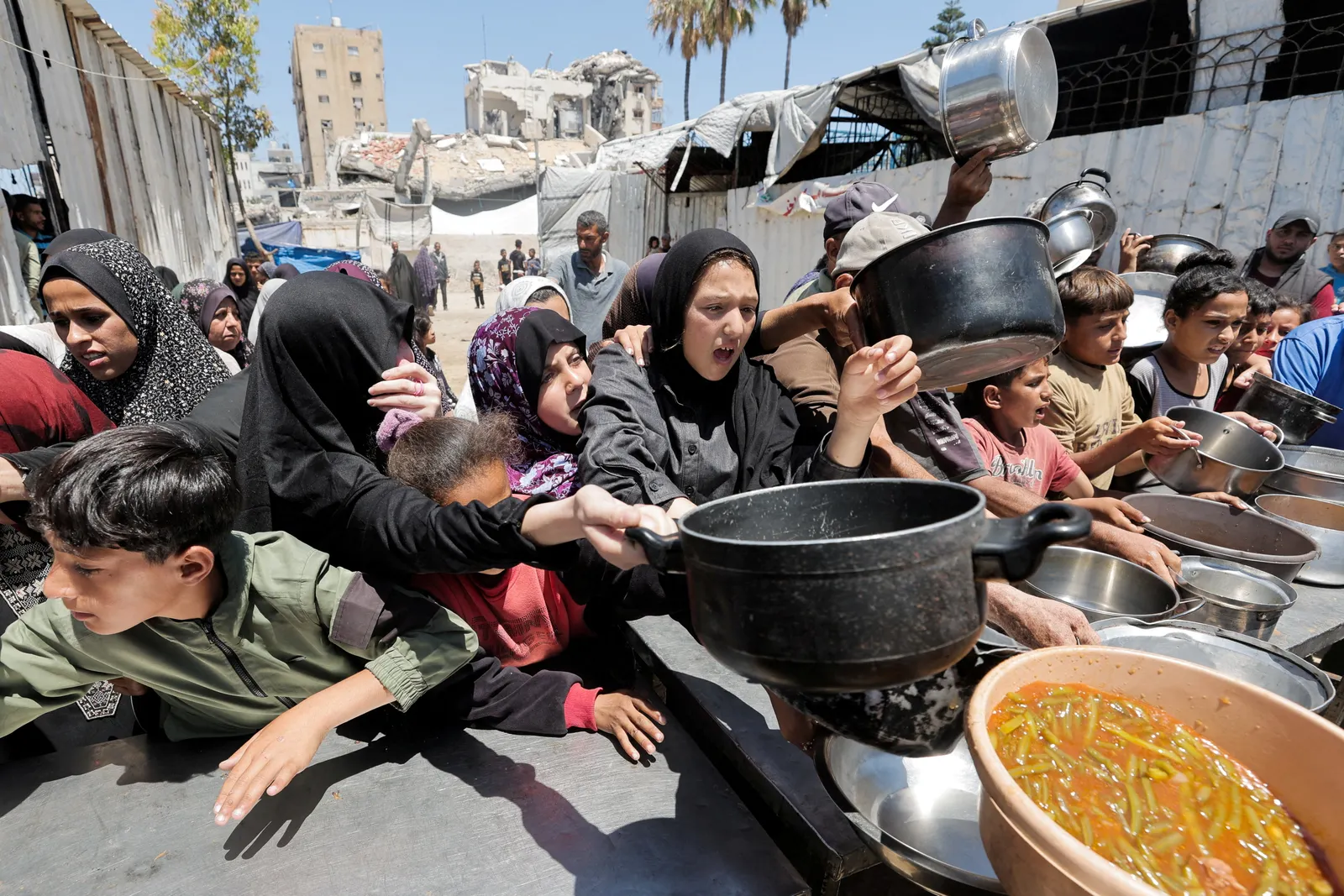
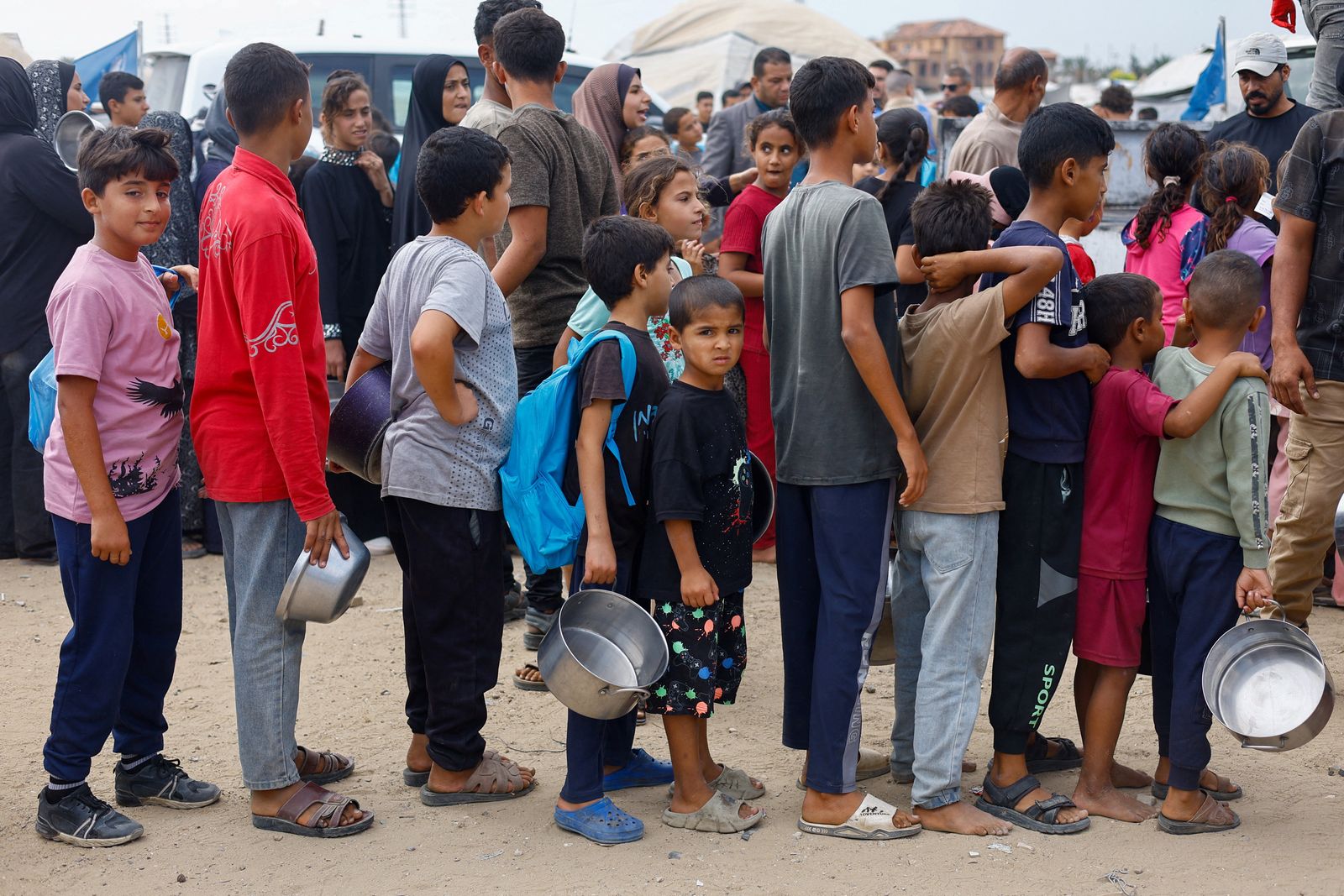
The hunger crisis in Gaza has eased since famine was declared in parts of the tiny, crowded territory before the ceasefire last year. But aid agencies say most children still don’t get a diverse enough diet and the United Nations reported that 3,500 children were admitted for malnutrition treatment in April.
“We repair and maintain boats, and serve fishermen in any way we can,” worker Musab Baker said at the repair shop. “But we are unable to do anything apart from the small boats.”