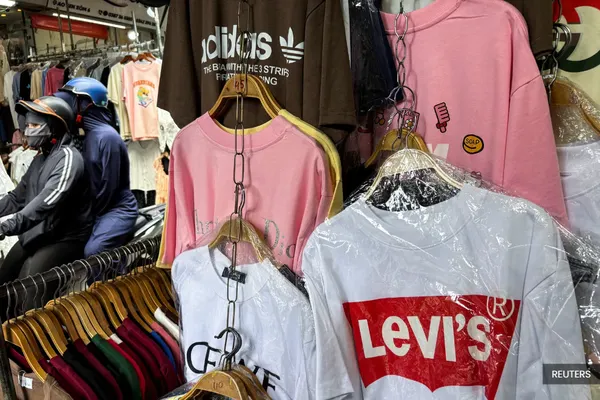
HANOI, May 27 — At a sprawling bazaar on the outskirts of Vietnam's capital, the trade in counterfeit goods is bustling despite government crackdowns and the threat of United States (US) tariffs over the issue, two visits by Reuters journalists to the market found.
"Police come once a year with a TV crew. They film the seizure of a shop, and then it is business as usual," said a seller at her stall displaying fake Ralph Lauren polos at Hanoi's Ninh Hiep wholesale market.
Ninh Hiep is among about 30 "notorious markets" worldwide identified by the US Trade Representative (USTR) in its latest annual report on counterfeiting and piracy.
It also flagged streaming websites, such as MyFlixer, which the USTR claims operates from Vietnam and draws hundreds of millions of visitors worldwide each month by offering pirated films and TV series. Despite an announced crackdown, they remained accessible as of May 27.
The USTR and Vietnam's Foreign Ministry did not respond to requests for comment.
Washington regards intellectual property (IP) violations in Vietnam as serious and harmful to the American economy. On April 30, it designated the Southeast Asian nation as the world's worst offender on IP rights and warned it could launch a probe by the end of this month, potentially leading to trade tariffs.
That coincided with a surge in Vietnam's exports to the US, which in the first three months of this year led to a US trade deficit with Hanoi of US$54.8 billion (RM217.4 billion), higher than those with major exporters China and Mexico, according to US data. The Trump administration has repeatedly said it wants to reduce trade deficits.
After the April designation as a "priority foreign country" for IP rights — the only country in 13 years to be added to the worst category in the US ranking — the Foreign Ministry said that Hanoi has made "strenuous efforts" to protect IP, and urged the US to provide "an objective and balanced assessment of Vietnam's efforts and achievements."
Fakes on demand
Shortly after the USTR announcement, the Vietnamese government launched a campaign against counterfeits and online piracy from May 7 to May 30.
It had launched a similar crackdown last year, after the Trump administration unveiled tariffs of 46 per cent on imports from Vietnam, which have since been reduced to 10 per cent. Hanoi has been negotiating with Washington, its largest export market, on a trade agreement for the past year.
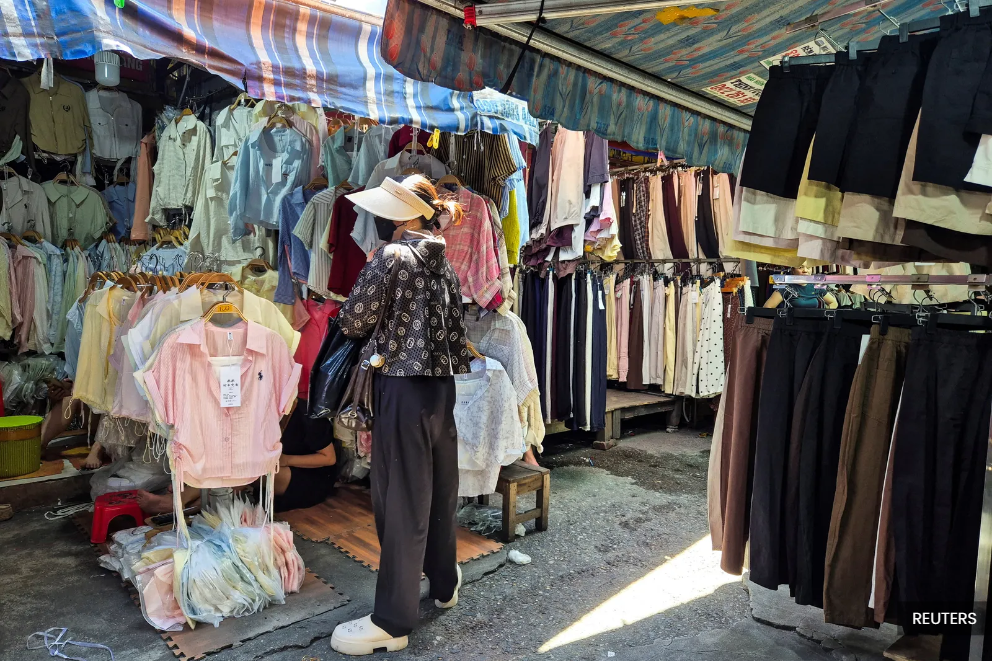
Reuters reporters visited Ninh Hiep twice this month, just before the crackdown and on May 25, and spoke with about 10 stallholders. All said, authorities routinely launched enforcement operations, with limited lasting effect.
All spoke without identifying themselves because of the sensitivity of the matter.
One vendor said police had recently visited, prompting some shops to reduce displays of branded counterfeits, but added, "Fakes are still available in our storage if ordered."
Authorities overseeing anti-counterfeiting did not respond to requests for comment.
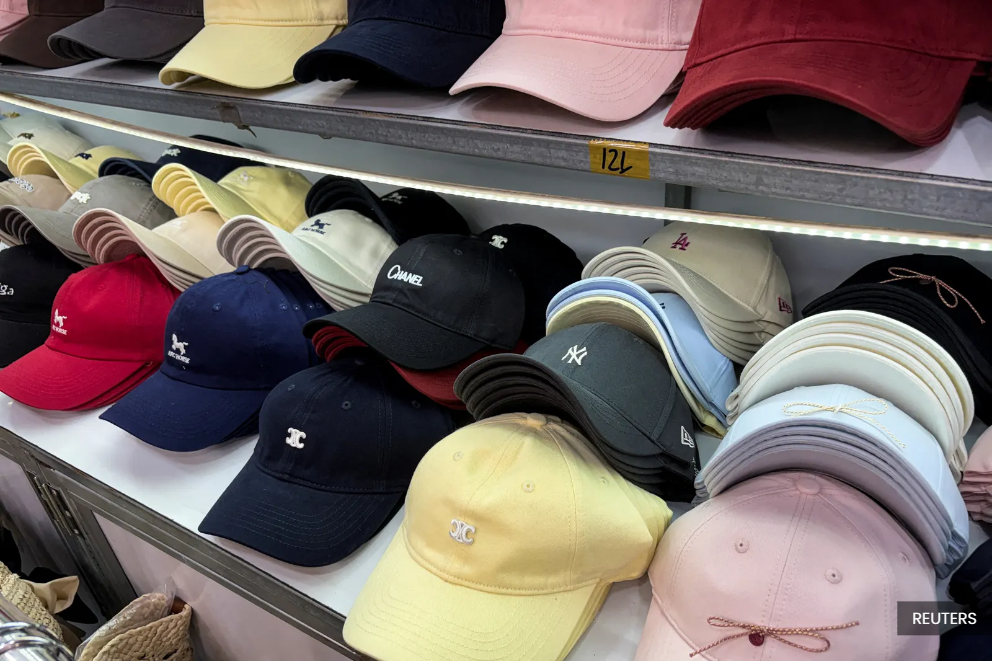
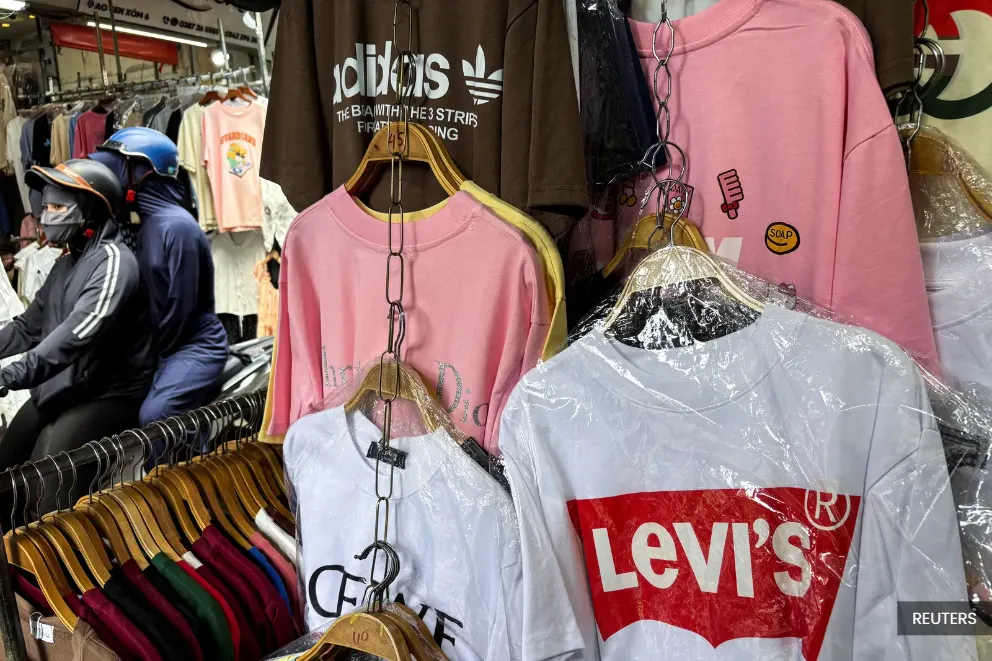
Reuters reporters saw dozens of stalls offering counterfeit clothes bearing brands including Ralph Lauren, Calvin Klein, Gucci, Gap, and Alo Yoga. Many items carried Chinese tags identifying manufacturers.
When asked, shop assistants admitted they were fake, mostly imported from Guangzhou, China, with a smaller share made in Vietnam.
Past crackdowns have had a limited impact, with some traders saying enforcement efforts and a new tax system had affected business. A separate "notorious market" in Ho Chi Minh City was raided by the police last year but remains operational.
Motorbike riders continue to weave through Ninh Hiep's narrow alleys, looking to buy goods for resale in central Hanoi and in shops elsewhere.
"As long as there is demand, there will be supply," said one seller.