SHAH ALAM, May 21 — Malaysia continues to strengthen its position as one of the most trusted countries in the world after its trust index rose to 71 points in 2026 from 66 points last year, placing it seventh out of 28 global markets in the Edelman Trust Barometer 2026.
However, despite the improvement, the study also highlights new challenges involving trust gaps within society, including a growing tendency among people to distrust those with differing views, backgrounds and information sources.
Edelman Malaysia chief executive officer and senior adviser for Edelman Southeast Asia Mazuin Zin said Malaysia has built strong confidence in key national institutions, but the next challenge is to extend that trust across different segments of society.
Citing a report by BH Online, Mazuin said trust is now largely formed within groups that share similar values, communities and information sources.
“Malaysia cannot continue to enjoy high levels of trust if societal divides widen further. Bridging these gaps is important not only socially, but also to sustain national growth.
“Communication plays a vital role in bringing all parties together,” she said at the launch of the Edelman Trust Barometer Malaysia 2026 here yesterday.
Also present was Malaysian Press Institute (MPI) president Datuk Yong Soo Heong.
The insular trust mindset
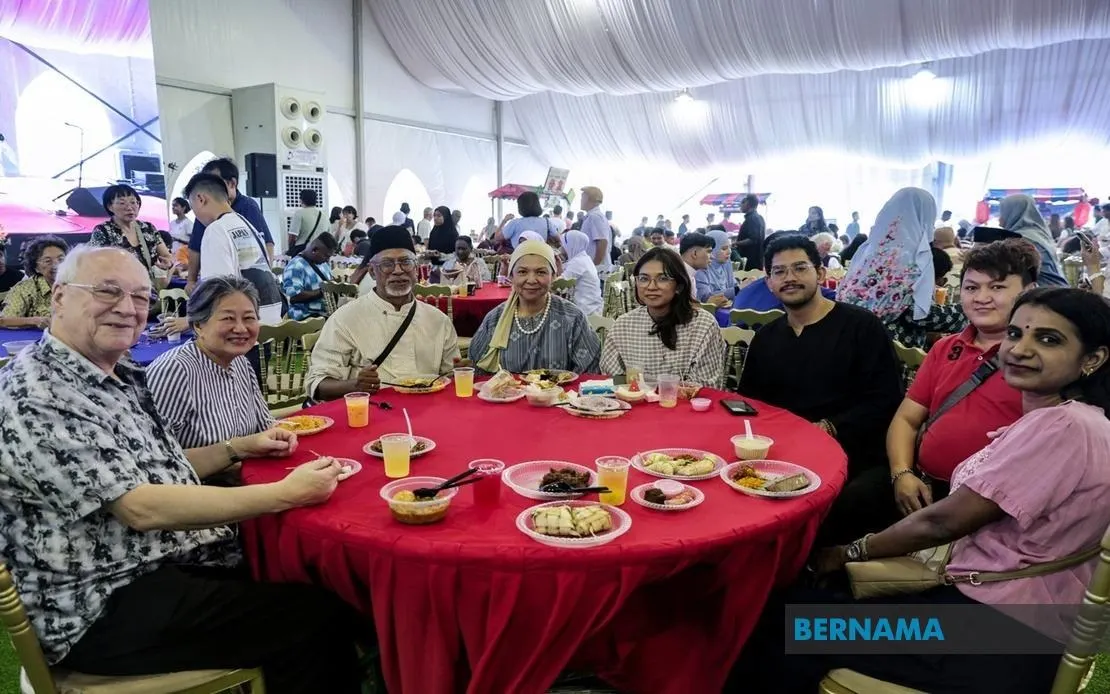
According to the report, 87 per cent of Malaysians believe society is increasingly unwilling to trust people with differing views, to the extent of worsening disagreements — the highest rate recorded across all markets surveyed.
The study also found that 65 per cent of Malaysians exhibit an “insular trust mindset”, meaning they are hesitant or unwilling to trust individuals with different social views, values and cultural backgrounds.
In addition, only 37 per cent of Malaysians seek information from sources with differing political leanings at least once a week.
On the economic front, confidence in the future has declined, with only 39 per cent believing future generations will enjoy a better life than today, a drop of seven points from last year.
At the same time, concern over misinformation is rising, with 73 per cent of respondents believing foreign actors are deliberately spreading false information in local media to create domestic division.
This figure is the second highest in the world after the United Arab Emirates (UAE).

In terms of institutions, the business sector recorded the highest trust level at 76 per cent, followed by government and non-governmental organisations (NGOs) at 72 per cent each, media at 65 per cent, and employers at 82 per cent among employees — all within the “trusted” category.
Mazuin said the results reflect Malaysia’s success in strengthening investment confidence and institutional credibility.
“Malaysia has positioned itself among the most trusted countries in the world. It is a significant achievement for investor confidence, institutional credibility and our standing in a world where trust is becoming increasingly scarce,” she said.
Meanwhile, Yong Soo Heong described Malaysians’ high level of trust in institutions and businesses as a key asset in strengthening economic growth and social unity.
He said trust in the business sector in Malaysia is among the highest globally, surpassing several advanced economies including the United States, the United Kingdom and Australia.
“Trust in the business sector in this country is very strong at 76 per cent, among the highest in the world.
“This is a very important foundation because people believe in the ability of companies, employers and entrepreneurs to deliver value and stability,” he said.
However, he warned that global economic uncertainty, geopolitical issues and attempts by certain parties to exploit racial and religious sentiments could threaten efforts to build national unity.
“If divisions in society continue to be left unchecked at any level — government, education, corporate or social — it is dangerous as it will erode the bridges that hold society together,” he said.
He also expressed concern over the rise of misinformation and fake content on digital platforms that could undermine public confidence in the media.
Referring to the study, he said the trend is partly driven by the “fear of missing out” (FOMO), which exposes people to unverified reports and agenda-driven content on social media.
“When people have advanced smartphones, they also develop this FOMO syndrome and read various questionable reports from individuals with certain agendas.
“When this happens, you are exposed to things that defy common sense,” he said.
Also present at the forum titled From Trust Holders to Trust Brokers: What Malaysia's Institutions Must Do was Radio Televisyen Malaysia (RTM) director-general Ashwad Ismail.
Yong Soo Heong also urged the public to rely on trusted mainstream media and called on the media industry to strengthen journalistic standards and responsible reporting to enhance public confidence.
Despite concerns over misinformation, he said Malaysia remains among the most trusted countries globally.
The annual trust and credibility study was conducted between October 23 and November 18, 2025, involving 33,938 respondents across 28 global markets, including more than 1,200 respondents in Malaysia.