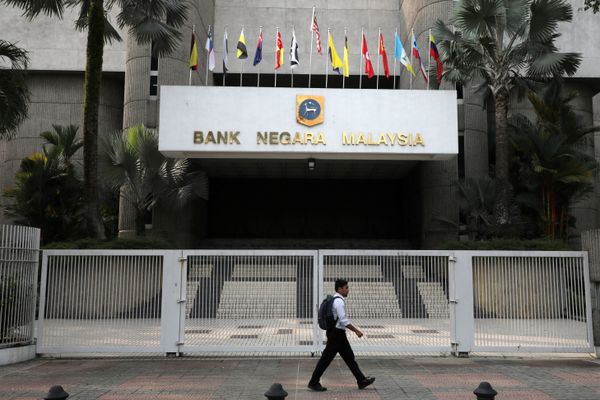
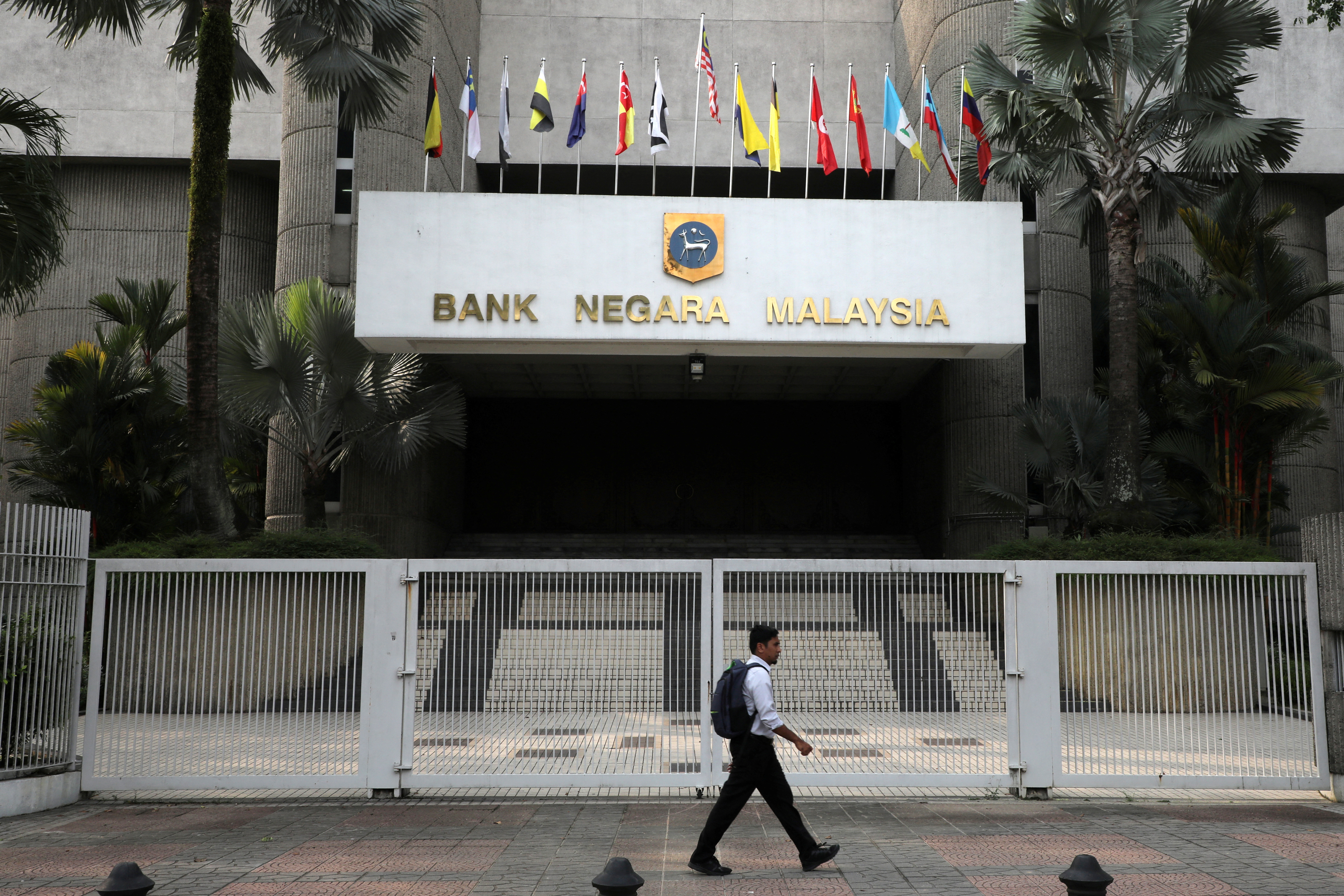
KUALA LUMPUR, May 15 — Malaysia’s economy expanded by 5.4 per cent in the first quarter (Q1) this year, surpassing the advance estimate of 5.3 per cent with robust domestic demand, investment activities, and exports continuing to drive growth, said Bank Negara Malaysia (BNM).
Growth, however, moderated from the 6.2 per cent recorded in Q4 2025.
BNM said household spending remained resilient amid favourable labour market conditions and continued policy support, while investment activity was sustained by machinery and equipment spending, structures investment and the implementation of multi-year projects.
Private consumption expanded 4.7 per cent in Q1, while private investment grew 7.8 per cent. Net exports surged 13.5 per cent amid steady export growth and a faster moderation in imports.
On the supply side, the services sector grew 5.6 per cent (Q4 2025: 6.2 per cent), supported by business-related and government services, while the manufacturing sector expanded 5.9 per cent (Q4 2025: 6 per cent) on stronger E&E production driven by continued demand for AI-related components.
The agriculture sector recorded slower growth of 2.6 per cent (Q4 2026: 5.7 per cent) as palm oil production normalised following strong yields previously, while the mining and quarrying sector contracted 2.1 per cent (Q4 2025: 1.4 per cent) due to weaker domestic oil and gas production.
Construction growth moderated to 7.7 per cent from 10.9 per cent previously amid slower residential and civil engineering activities, although special trade and non-residential activities continued to provide support.
BNM also said Malaysia recorded a wider current account surplus of RM15.2 billion in Q1, compared with RM2.7 billion in the previous quarter, driven by a larger goods surplus and higher services surplus supported by travel and ICT receipts.
Meanwhile, foreign direct investment (FDI) inflows remained sustained at RM22.8 billion, mainly channelled into the ICT and professional, scientific and technical activities sub-sectors.
In a separate statement, BNM said investment growth was supported by the continued implementation of multi-year projects by both the private and public sectors, a high realisation rate of approved investments as well as the ongoing rollout of national masterplans.
BNM said export growth remained strong, driven mainly by continued expansion in electrical and electronics (E&E) exports.
“Meanwhile, gross import growth moderated amid slower growth in capital, intermediate and consumer goods imports,” it said.
It added that growth in the services sector moderated, reflecting slower motor vehicle sales following the front-loading of purchases in the fourth quarter ahead of the expiration of import duty waivers for electric vehicles.
“Meanwhile, the manufacturing sector performance remained supported by stronger E&E performance, in line with continued demand for artificial intelligence and data centre-related components,” BNM said.
Besides that, growth in the agriculture sector was lower amid normalisation in palm oil production following high output previously and ongoing replanting activities, it said.
“The mining and quarrying sector contracted, mainly due to weaker oil and gas production. In addition, growth in the construction sector normalised from a double-digit growth amid a moderation in residential construction and civil engineering activities,” it said.
BNM said that on a quarter-on-quarter seasonally adjusted basis, the economy contracted by 0.01 per cent compared with 1.4 per cent growth in Q4 2025, following the strong performance recorded in the preceding quarter.
Meanwhile, BNM Governor Datuk Seri Abdul Rasheed Ghaffour said Malaysia is expected to face external headwinds stemming from the ongoing geopolitical conflict in West Asia.
“As a small and open economy, Malaysia will inevitably face both direct and indirect impacts from the ongoing geopolitical conflict in West Asia.
“Higher energy prices, supply chain disruptions, and heightened uncertainty are expected to weigh on the external environment,” he said.
Nevertheless, Rasheed said the Malaysian economy is expected to remain resilient this year, with growth projected at between 4 and 5 per cent, supported by steady domestic demand and continued export expansion.
He said resilient domestic demand would continue to provide a strong buffer against external headwinds.
“Household spending will be underpinned by firm labour market conditions and continuous policy support. Investment activity will be driven by the continued progress of multi-year projects in both the private and public sectors, as well as the ongoing implementation of national master plans,” he added.
Despite external challenges, Rasheed said export growth would continue to benefit from the global technology expansion, particularly for E&E goods, reflecting Malaysia’s role in global value chains.