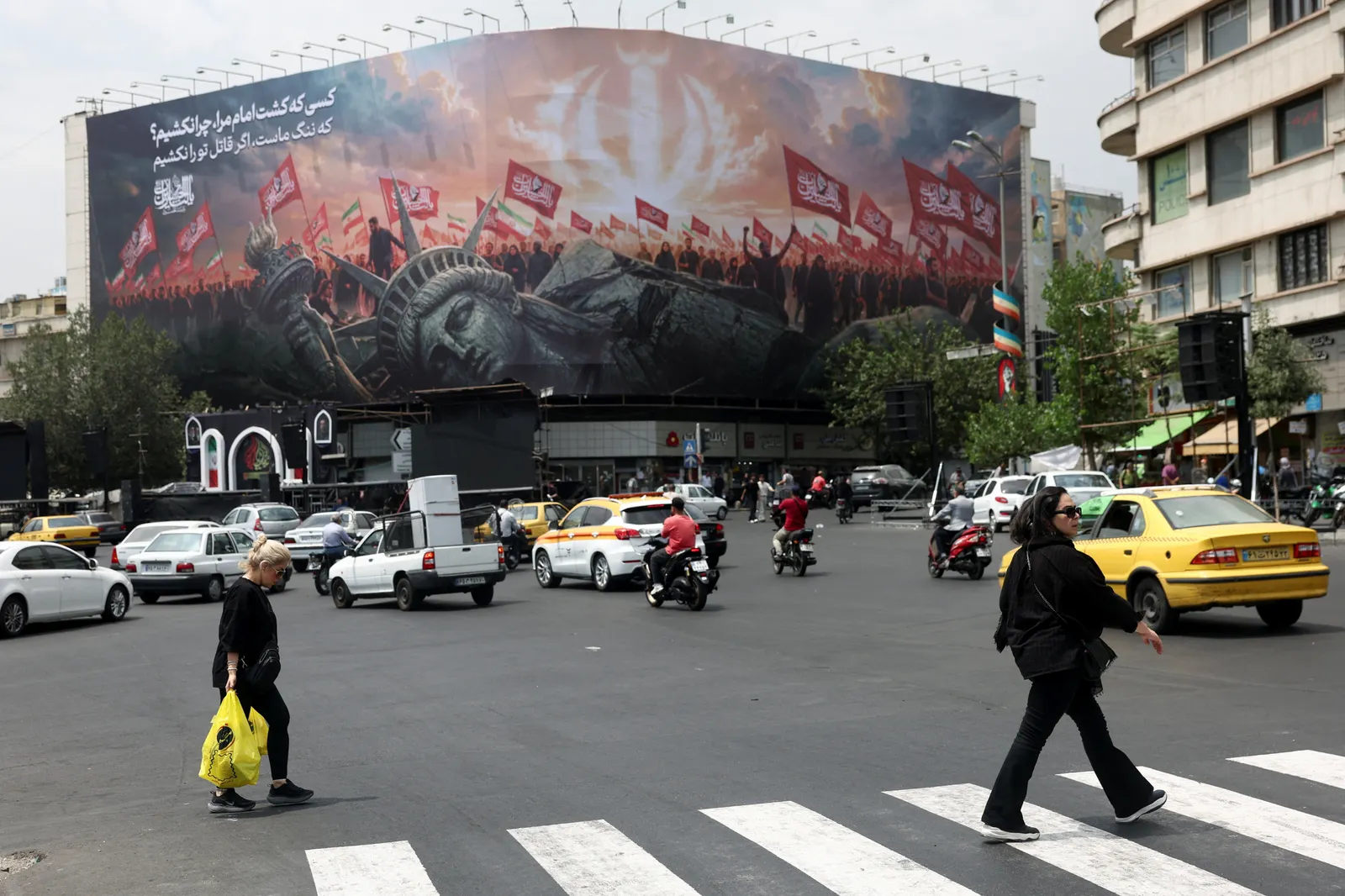
WASHINGTON, May 12 — Hopes for a peace deal on Iran dwindled today after United States President Donald Trump said a ceasefire with Iran is “on life support” as Tehran rejected a Washington proposal to end the conflict and stuck to a list of demands Trump called “garbage”.
Iran has called for an end to the war on all fronts, including Lebanon, where US ally Israel is fighting Iran-backed Hezbollah militants. Tehran also emphasised its sovereignty over the Strait of Hormuz, demanded compensation for war damage, and an end to the US naval blockade, among other conditions.
Trump said Iran’s response threatens the status of an April 7 ceasefire.
“I would call it the weakest right now, after reading that piece of garbage they sent us. I didn’t even finish reading it,” Trump, who has repeatedly threatened to end the ceasefire, told reporters.
Oil extends gains
The US had proposed an end to fighting before starting talks on more contentious issues, including Iran’s nuclear programme. In Washington, the Pentagon put the cost of the war at US$29 billion (RM114 billion) so far, an increase of US$4 billion from an estimate provided late last month.
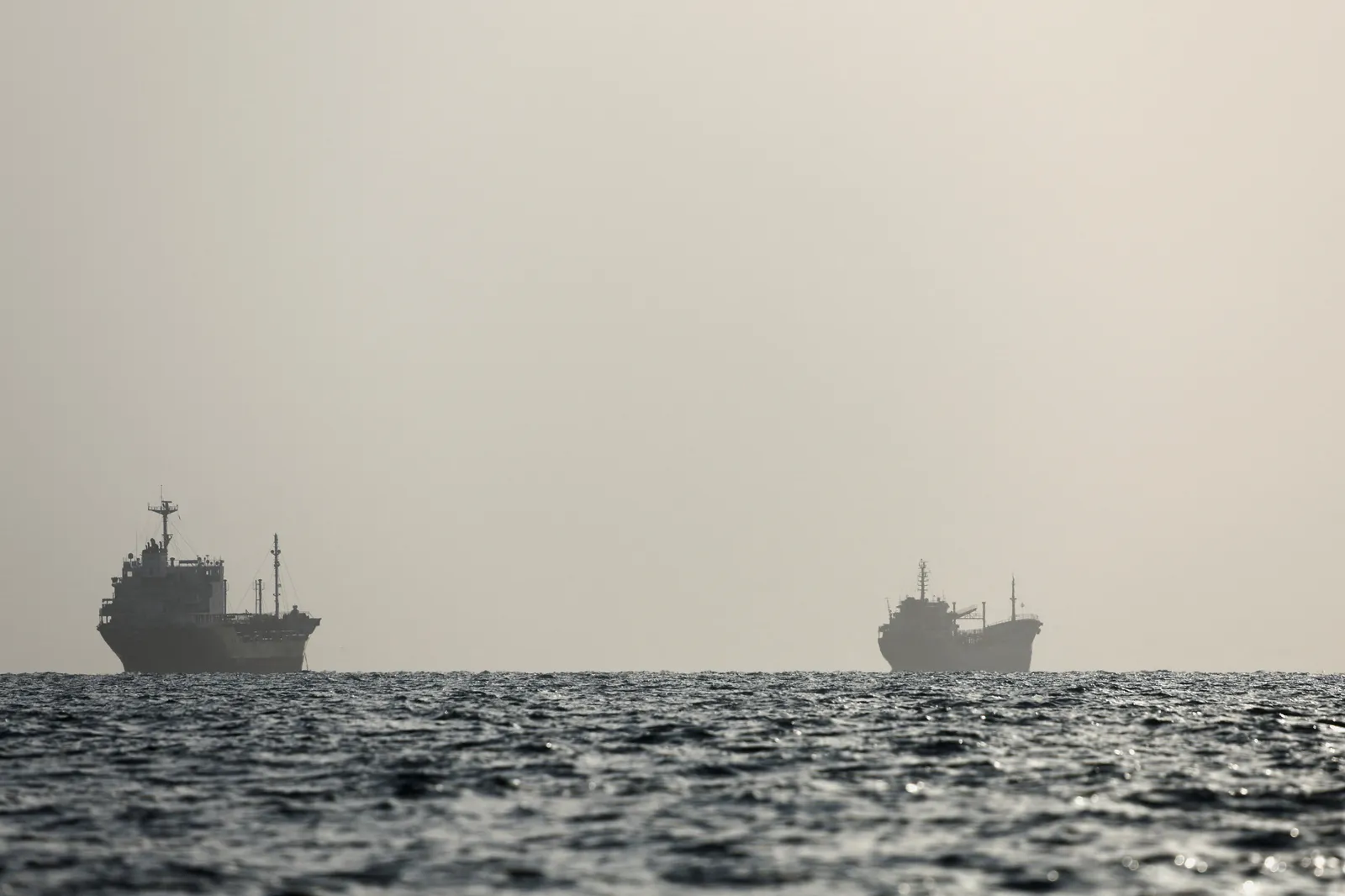
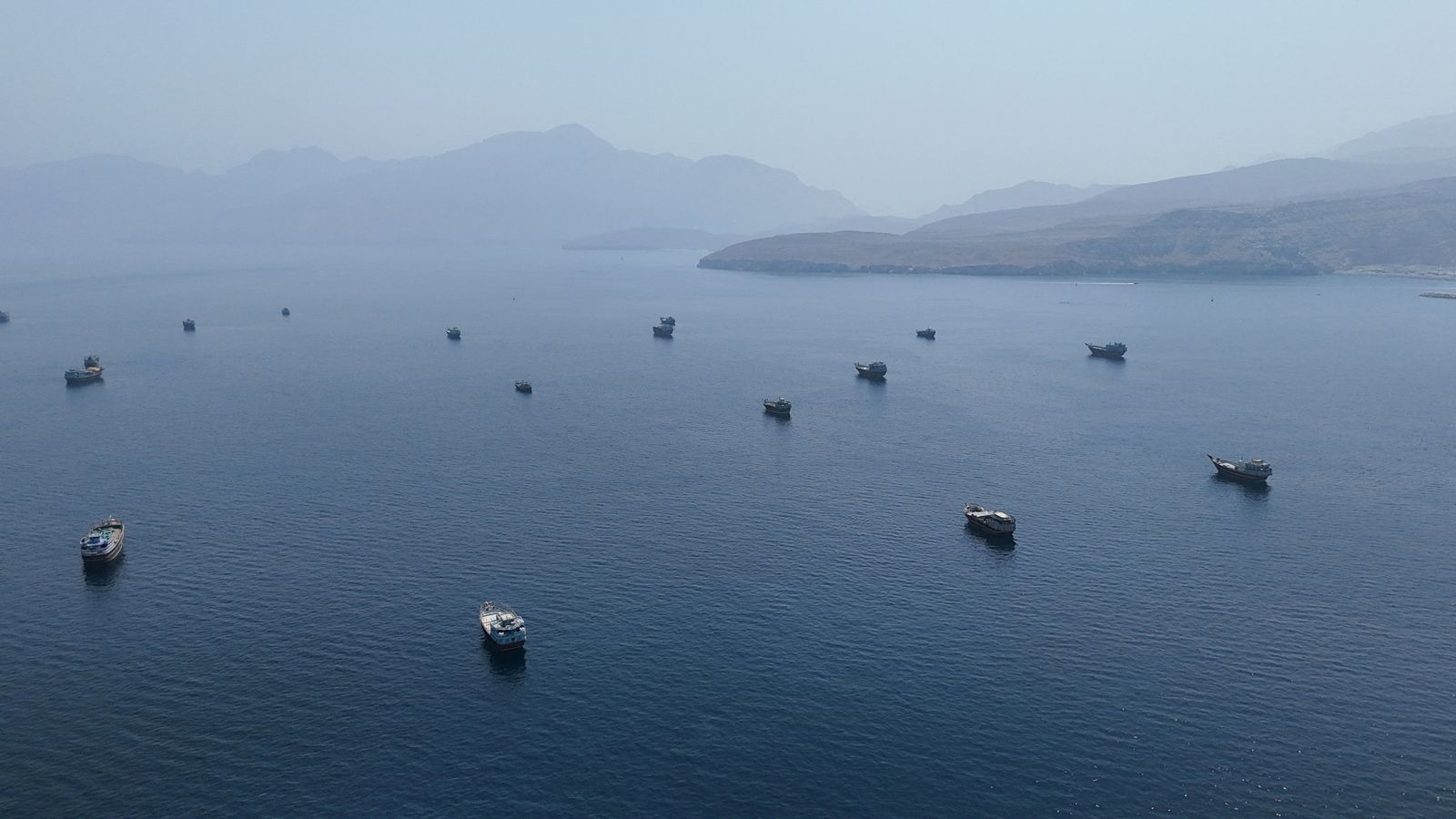
Brent crude oil futures extended gains today, climbing to almost US$108 a barrel, as the deadlock left the Strait of Hormuz largely closed. Before the war began on February 28, the narrow waterway carried a fifth of the world’s oil and liquefied natural gas (LNG) shipments, and has since become a central pressure point in the conflict.
US Central Command said the aircraft carrier Abraham Lincoln was in the Arabian Sea continuing to enforce the US blockade against Iran, having redirected 65 commercial vessels and disabled four.
US ally Kuwait announced the arrest of four infiltrators affiliated with Iran’s Revolutionary Guards after they attempted to enter the Gulf state by sea, according to the state news agency KUNA, citing the Interior Ministry. There was no immediate reaction from Iran to the report.
Iranian officials stand firm
Iranian officials meanwhile issued statements signalling continued resolve in the face of US pressure.
A Fars news agency report cited Mohammad Akbarzadeh, deputy political director of the Islamic Revolutionary Guard Corps Navy, as saying Iran has expanded its definition of the Strait of Hormuz into a “vast operational area” under a new plan.
There was no immediate reply from Iranian authorities to a request for comment on Akbarzadeh’s remarks, which defined the waterway as a zone stretching from the coast of the city of Jask in the east to Siri Island in the west.
In a post on X, Parliamentary National Security And Foreign Policy Commission spokesperson Ebrahim Rezaei said Iran could enrich uranium up to 90 per cent purity, a level considered weapons-grade, if the country is attacked once more.
In Iran’s capital Tehran, the Guards held drills “centred on preparation to confront the enemy”, state TV reported.
The US yesterday imposed new sanctions on individuals and companies it said are helping Iran ship oil to China, part of efforts to cut off funding for Tehran’s military and nuclear programmes, while also warning banks about attempts to evade existing curbs.
Trump is expected to arrive in Beijing tomorrow, where Iran is set to be among the topics discussed with Chinese President Xi Jinping.
Trickle of shipping through Hormuz
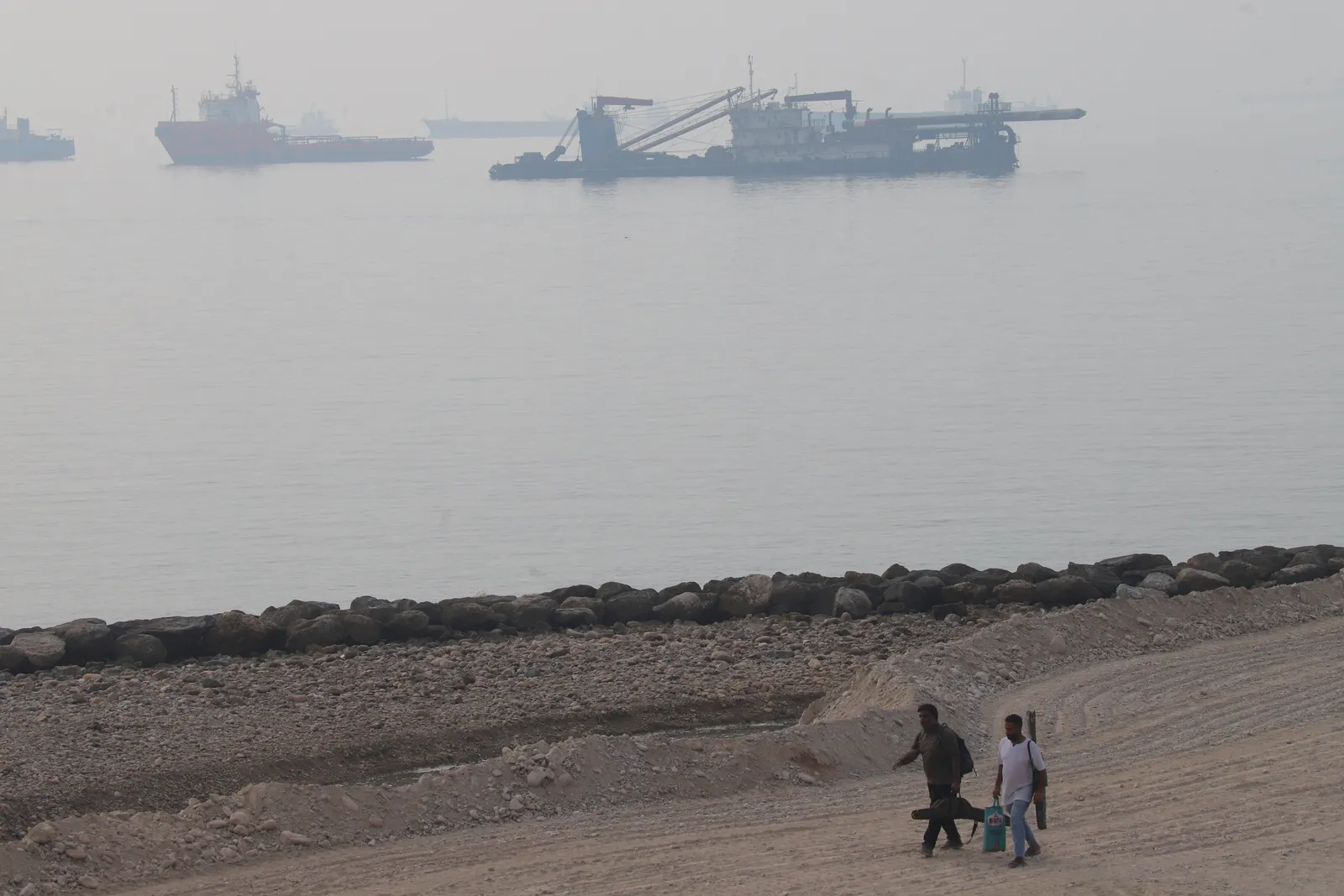
Traffic through the Strait of Hormuz is at a trickle compared with before the war. Shipping data on Kpler and LSEG showed that three tankers laden with crude exited the waterway last week, with trackers switched off to avoid an Iranian attack.
In the US, surveys show the war is unpopular with US voters who are paying more for fuel less than six months before nationwide elections that will determine whether Trump’s Republican Party retains control of Congress.
Two out of three Americans, including one in three Republicans and almost all Democrats, think Trump has not clearly explained why the country has gone to war, according to a Reuters/Ipsos poll completed yesterday.
Trump said he would suspend the federal tax on gasoline until it was “appropriate”, to help reduce fuel prices.
“As soon as this is over with Iran, as soon as it’s over, you’re going to see gasoline and oil drop like a rock,” he said.
In the Qatari capital Doha, visiting Turkish Foreign Minister Hakan Fidan said his country supports efforts to reopen the Strait of Hormuz and added that the channel should not be used as a “weapon” in the war.
Washington has struggled to build international support, with NATO allies refusing to send ships to reopen the waterway without a full peace deal and an internationally mandated mission.
The US State Department yesterday said Secretary of State Marco Rubio held separate calls with his Australian and British counterparts to discuss “efforts to restore freedom of navigation in the Strait of Hormuz”. It did not elaborate.