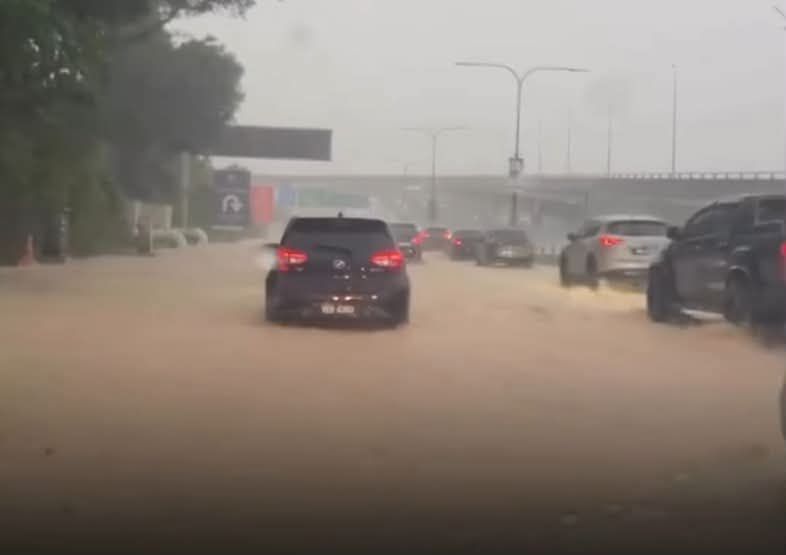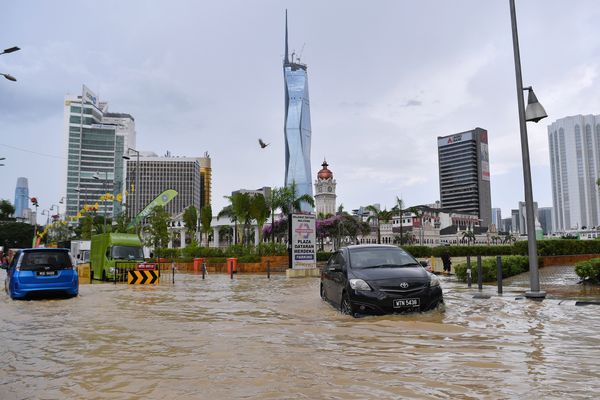
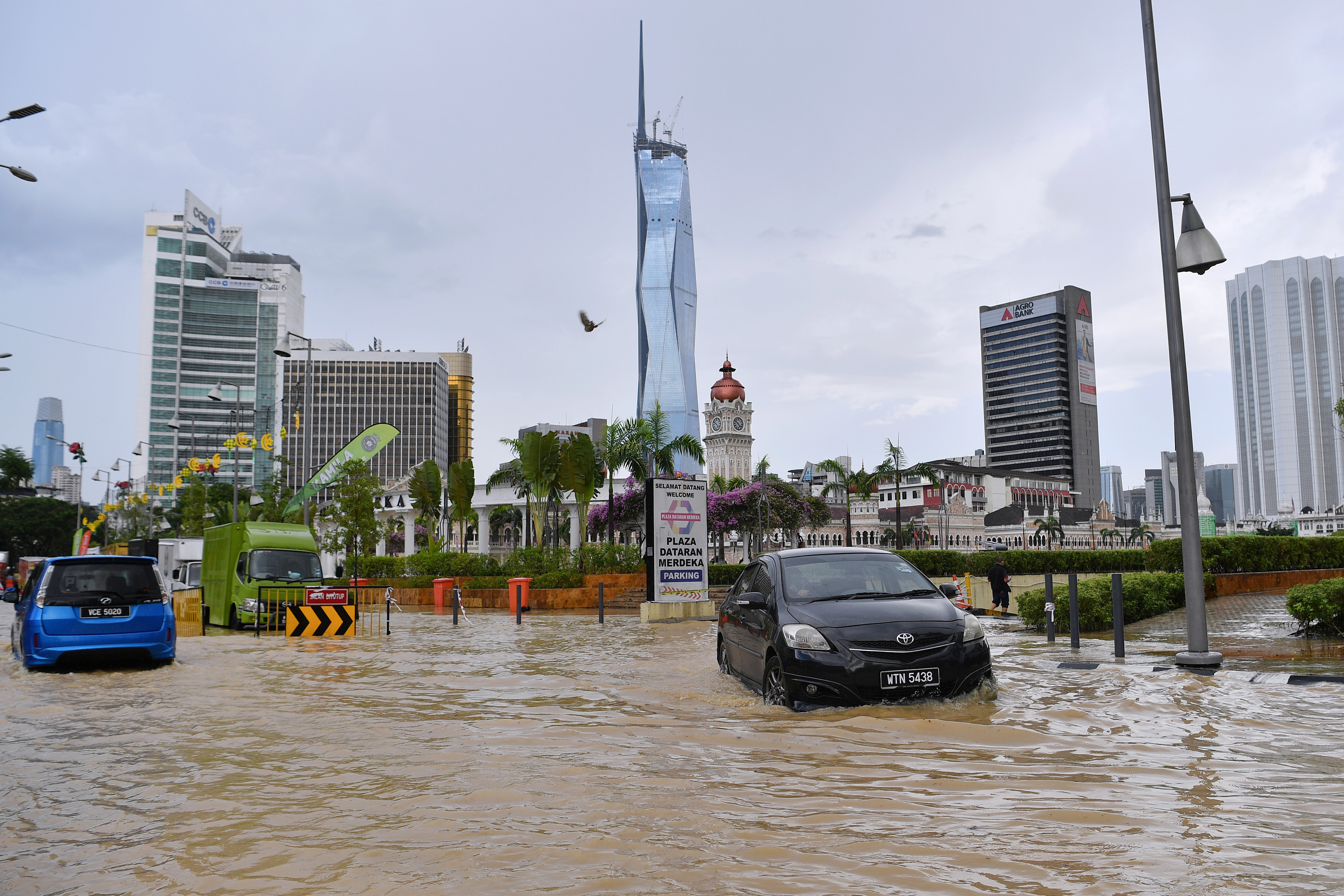

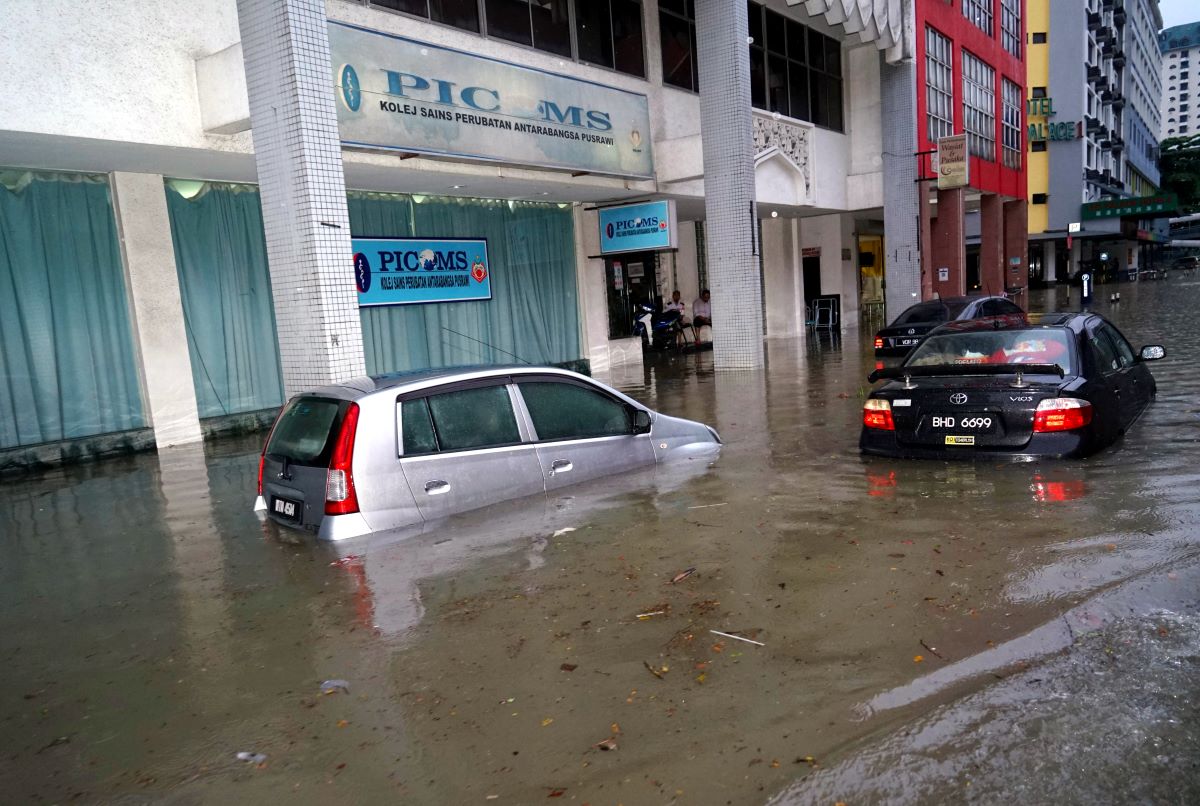

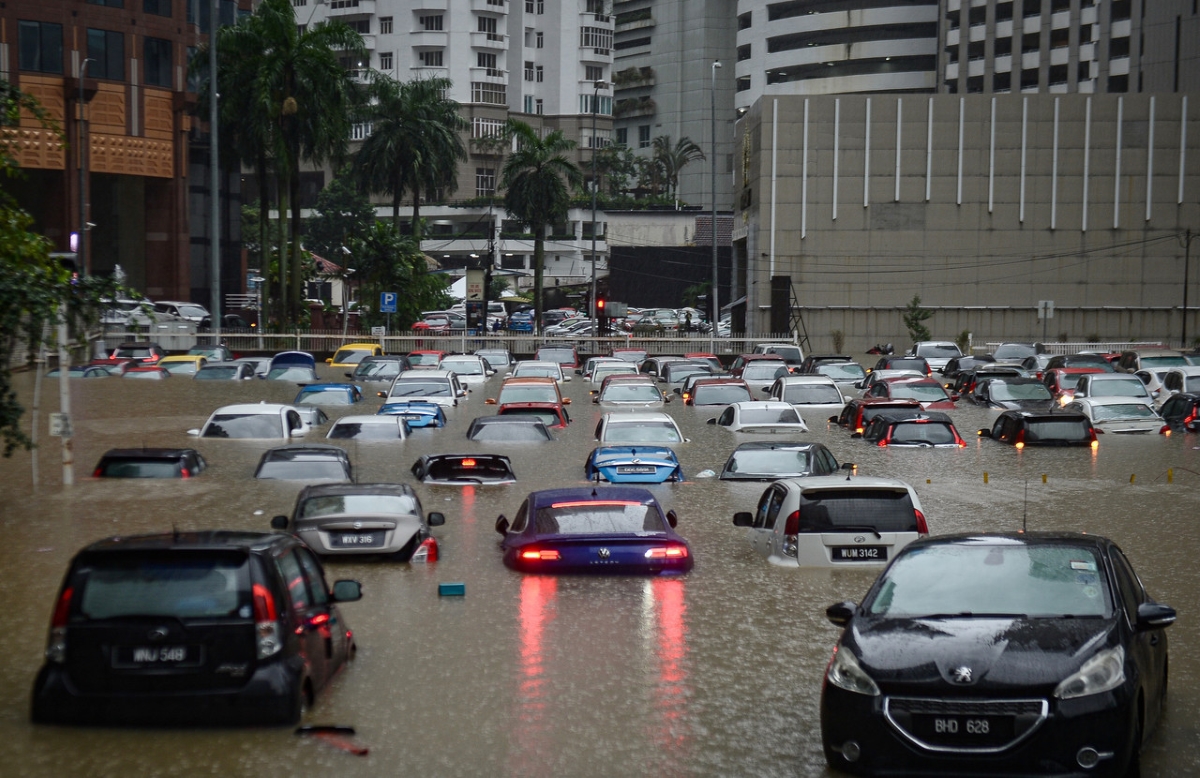
KUALA LUMPUR, May 12 — The Kuala Lumpur City Hall (DBKL) has successfully reduced flood and waterlogging hotspots across the city from more than 30 previously to only 14 through drainage upgrades and mitigation projects.
Mayor Datuk Seri Fadlun Mak Ujud said the 14 remaining hotspots identified include Jalan Sultan Azlan Shah, Lebuhraya Sultan Iskandar, Bulatan Datuk Onn, and Jalan Tun Sambanthan, which will be prioritised under a series of mitigation measures aimed at reducing flash flood risks in the capital.
“The number of waterlogging hotspots in the capital has been successfully reduced from more than 30 locations previously to only 14 following the implementation of various mitigation projects and continuous drainage system improvements,” he said during a media conference at DBKL's headquarters today.
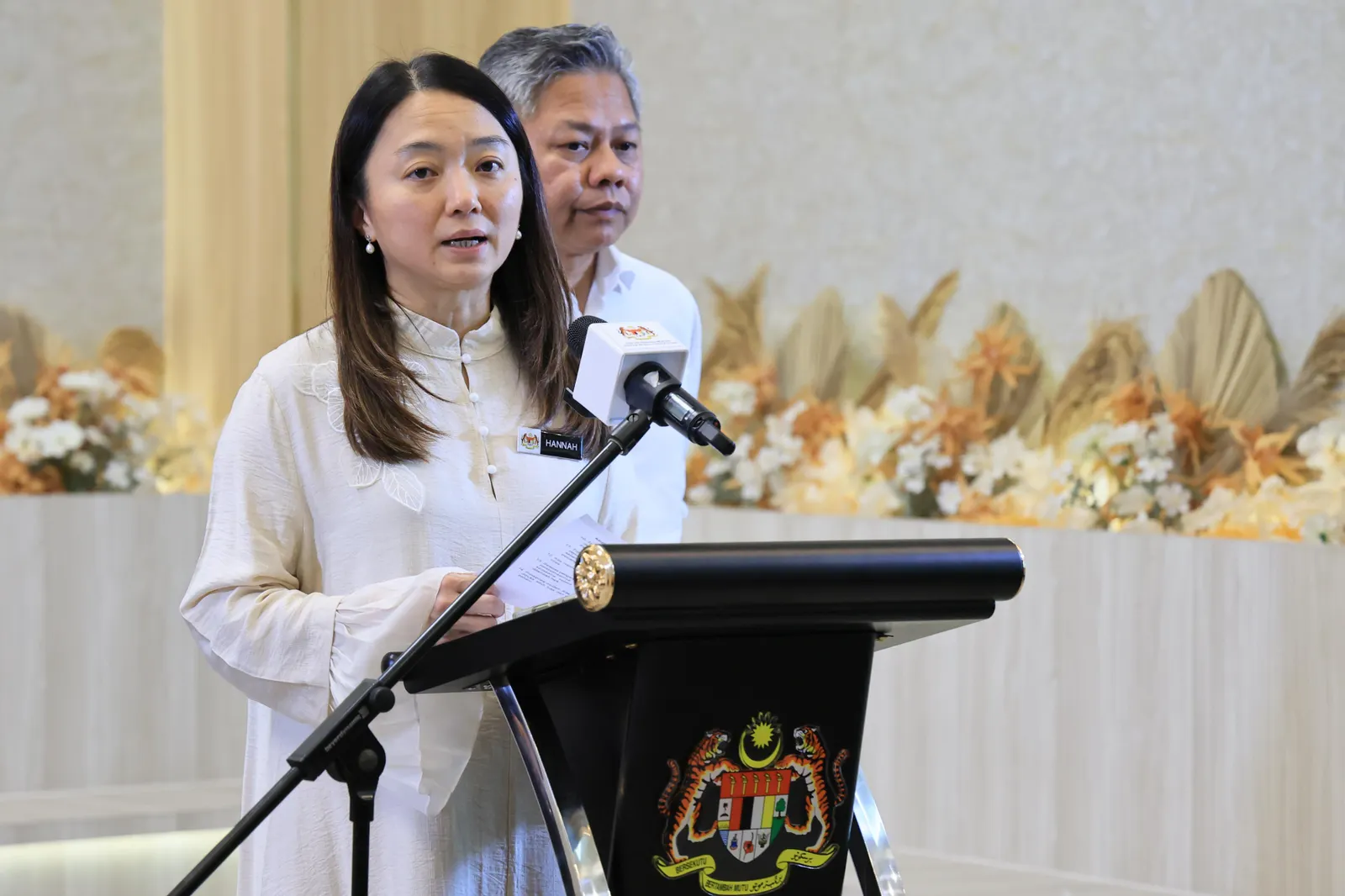
Also present were Federal Territories Minister in the Prime Minister’s Department Hannah Yeoh and Federal Territories Department director-general Datuk Muhammad Azmi Mohd Zain.
However, Fadlun noted that rainfall intensity is becoming increasingly difficult to manage, and during the thunderstorm on Wednesday (May 6), for example, rainfall at the Universiti Malaya station reached 96.5mm in a single hour, far exceeding the warning levels set by the Irrigation and Drainage Department.
The downpour triggered flash floods in areas like Segambut Dalam, Pantai Dalam, and Bukit Jalil after river levels exceeded danger thresholds and drainage systems failed to cope with the sudden surge in water levels.
In response, DBKL has formed a special flash flood hotspot task force that will be activated whenever rainfall exceeds 22mm per hour to clear clogged drainage inlets, often blocked by leaves and rubbish during heavy rain and thunderstorms.
“Sometimes heavy rain causes dry leaves to cover drainage inlets, preventing water from flowing into the main drainage system,” he said.
The city is also increasing desilting works at Sungai Toba from twice yearly to six times a year to improve river flow, while similar efforts are planned for Sungai Kerayong.
DBKL is also introducing additional public-facing measures to help residents respond more quickly during bad weather.
Meanwhile, Yeoh said DBKL had also introduced an early weather alert initiative through broadcasts on four radio stations: ERA FM, Hitz FM, MY FM, and Raaga, three times daily at 9.30am, 12pm, and 4pm.
The alerts, delivered in Malay, English, Mandarin, and Tamil, will provide location-specific forecasts for areas including Setapak and Wangsa Maju.