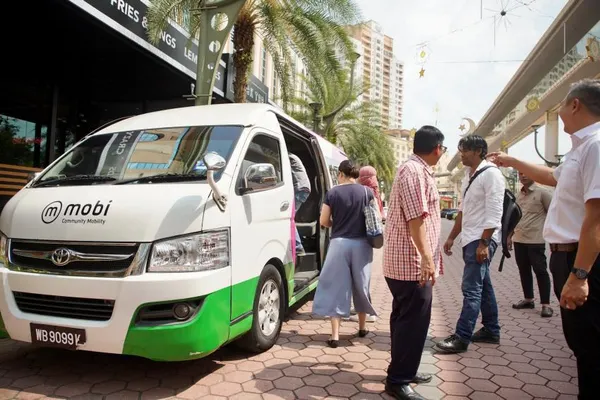
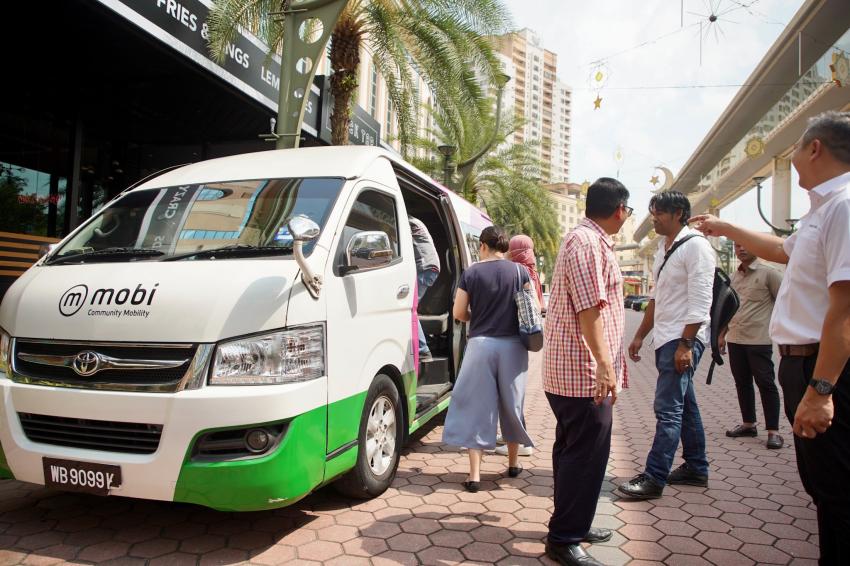
SHAH ALAM, May 12 — Selangor wants closer cooperation between demand-responsive transit (DRT) services and Rapid KL to further expand public transport coverage across the state.
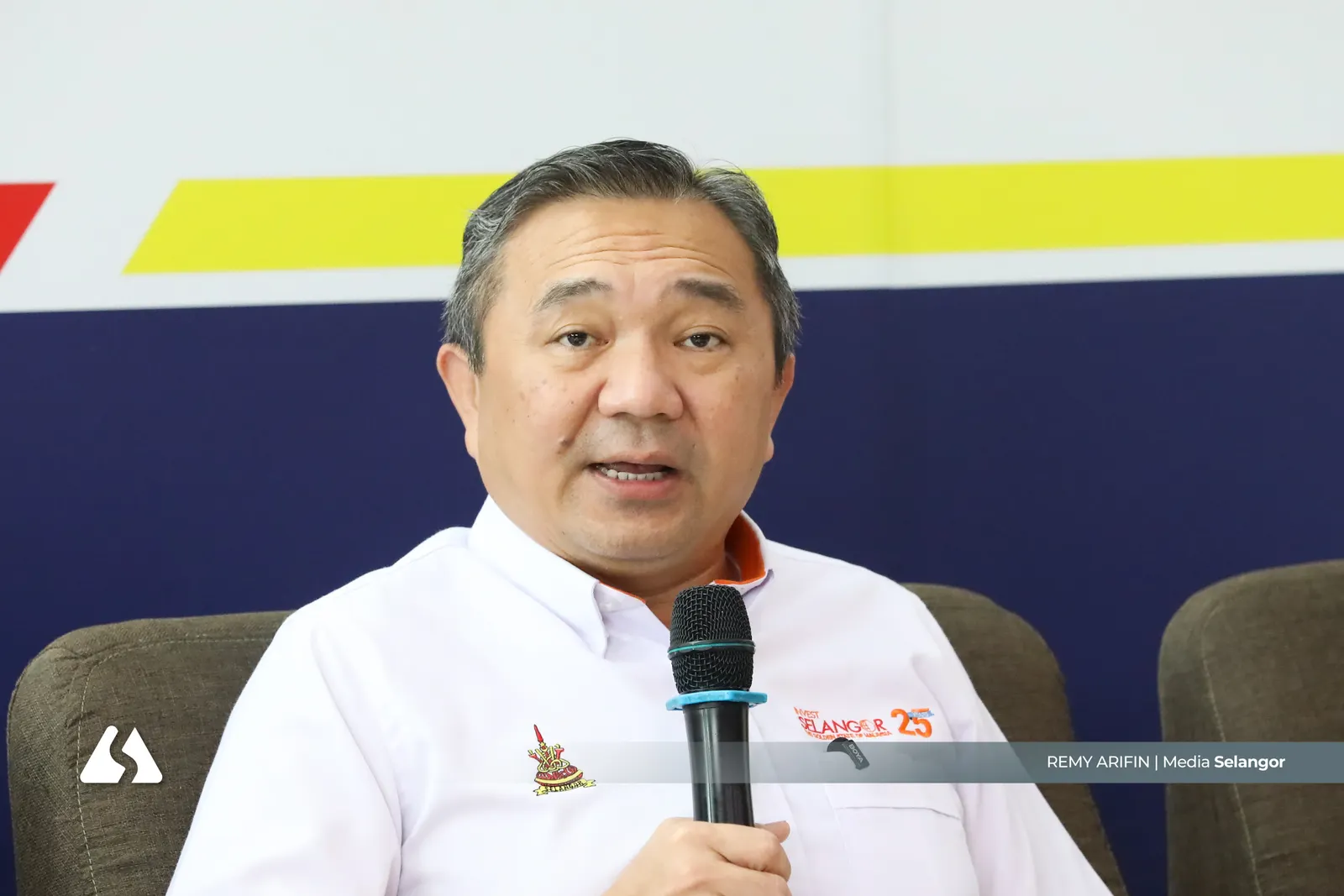
The Star reported that state executive councillor for investment, trade and mobility Ng Sze Han said they will now focus on facilitating the implementation of DRT services rather than operating them independently.
“I strongly believe that we should not compete with each other in operating public transport services. Rapid KL has bigger fleets, teams, and budgets compared to the state government, so we should work together with them.
“Nevertheless, I believe that we should also remain open and welcome all those who are interested in venturing into the market,” he said in an interview.
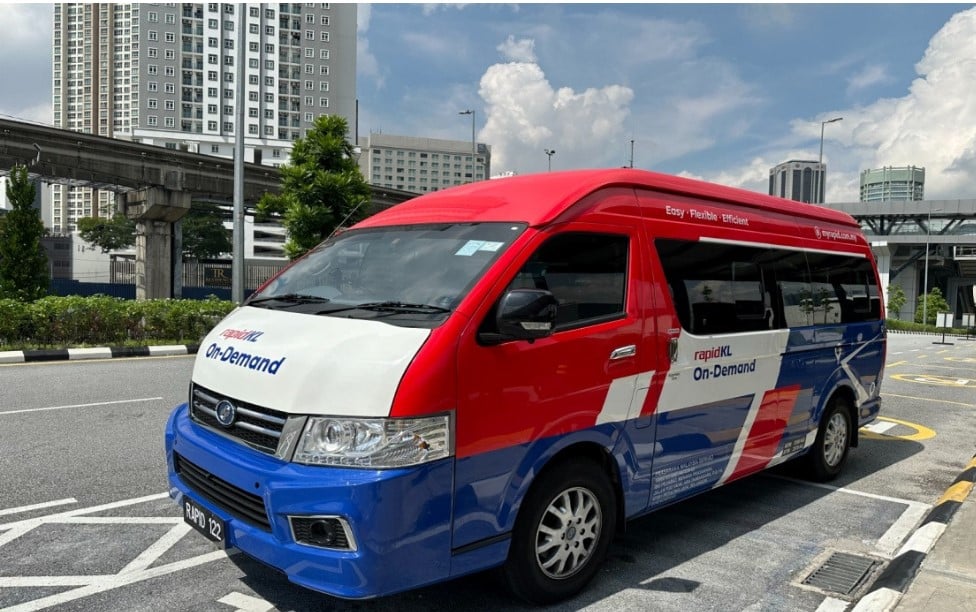
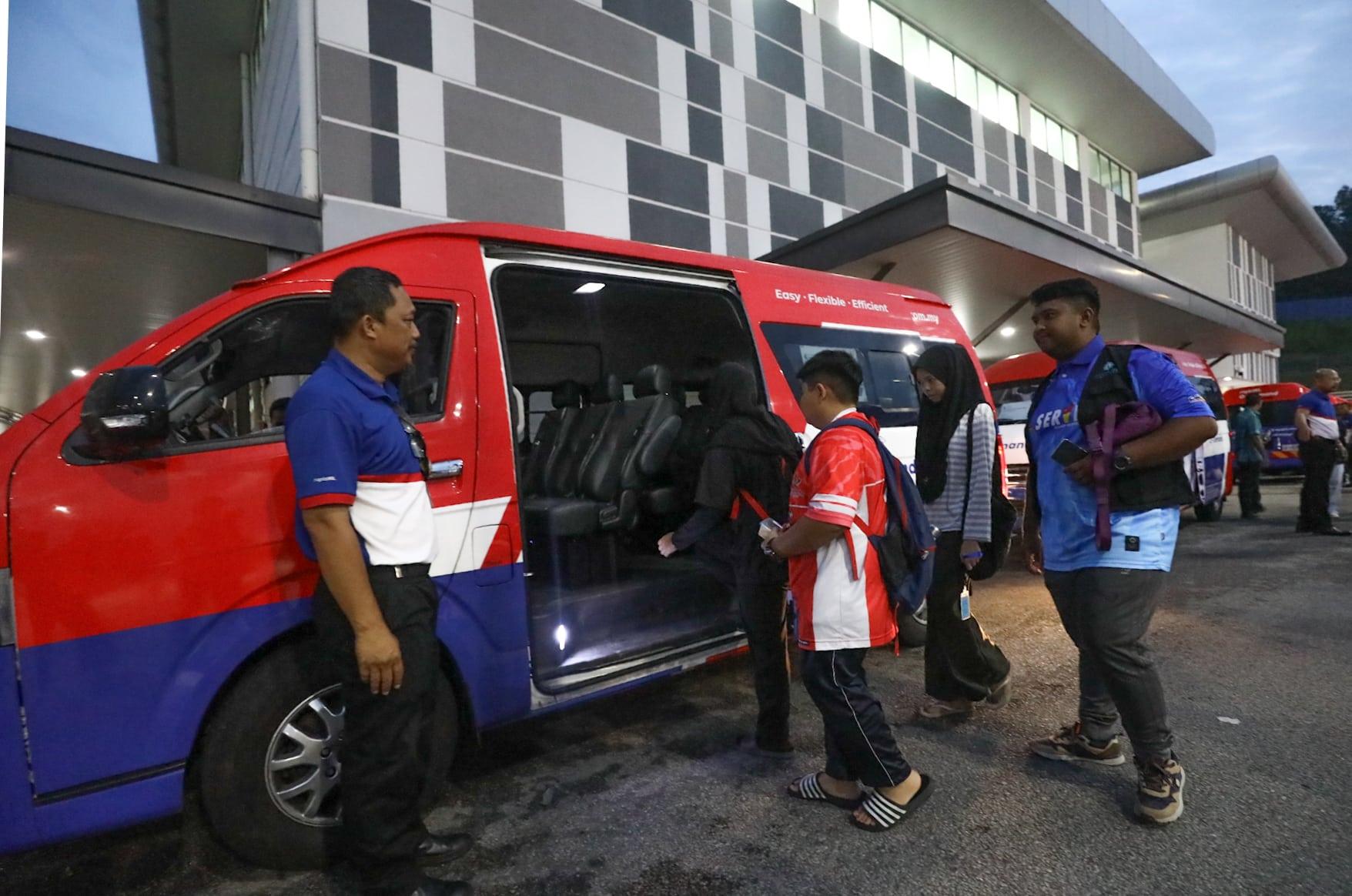
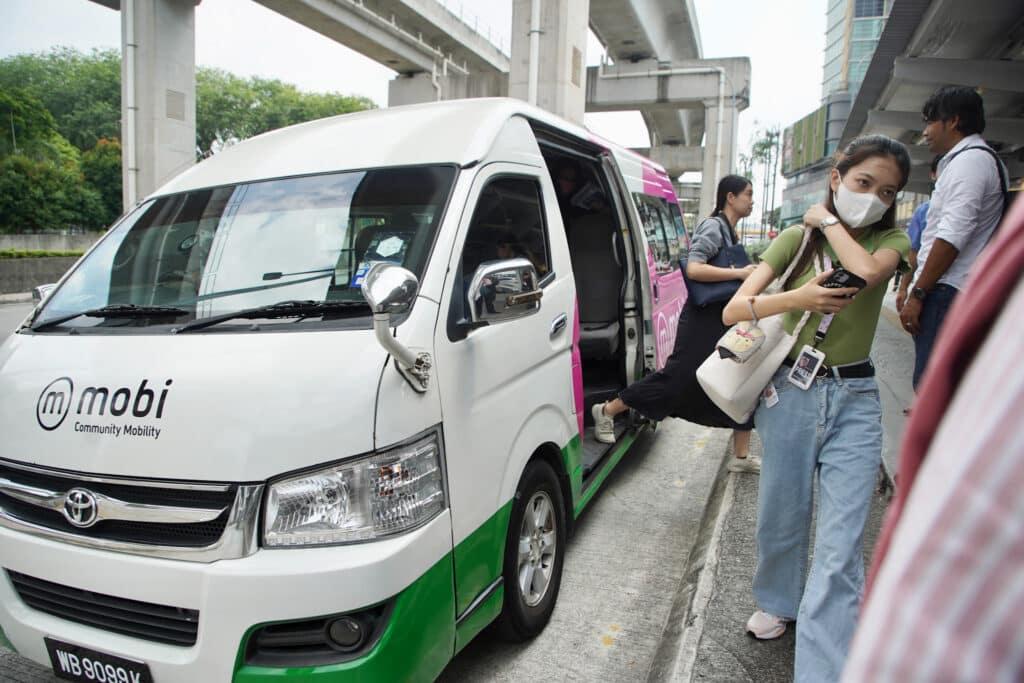
Ng added that Rapid On-Demand’s expansion in Selangor had shown encouraging progress, growing from four zones in Ampang, Puchong, Subang, and Bandar Utama to 87 zones statewide involving 237 vans.
“This indicates that DRT can really strengthen first and last-mile connectivity,” he said.
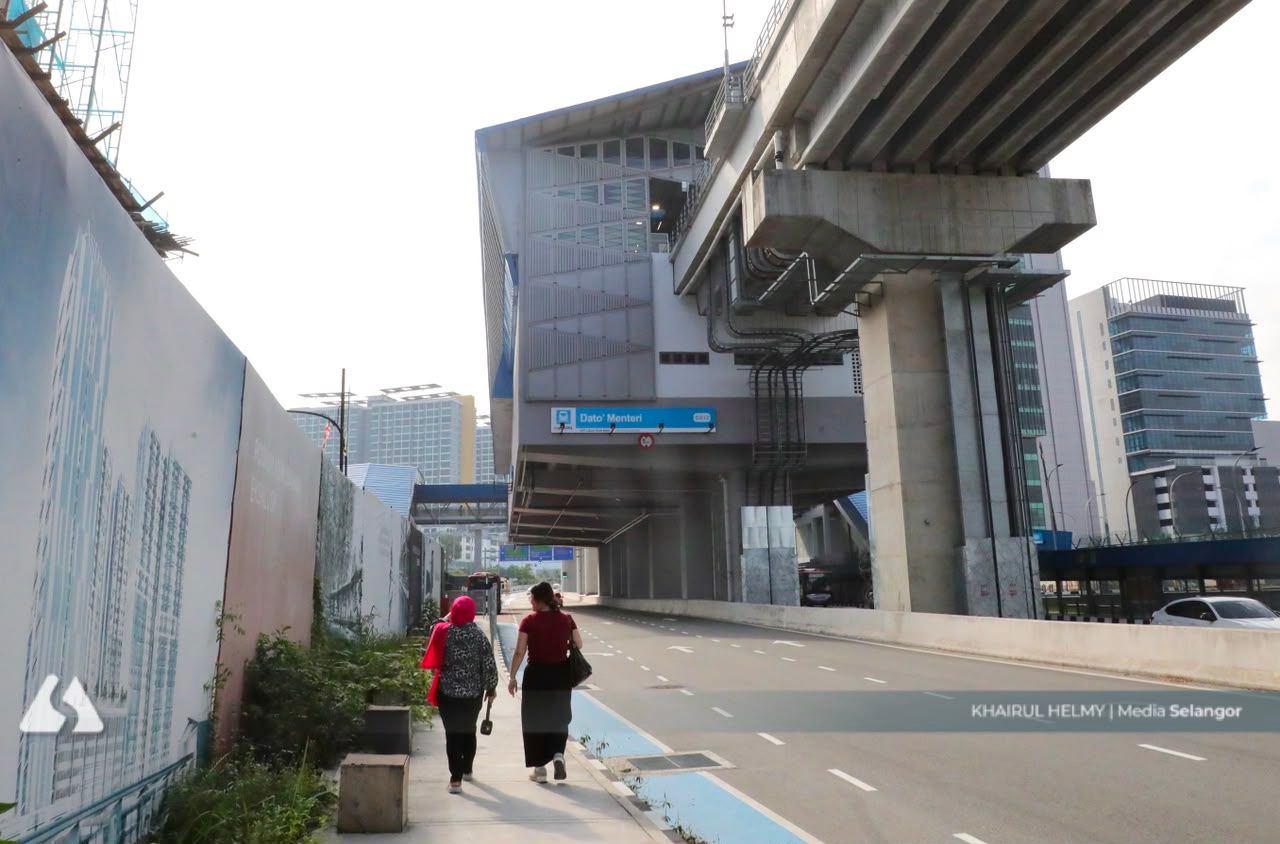
Rapid KL also plans to introduce Rapid On-Demand services in 10 zones linked to 10 stations once the LRT3 line officially begins operations in June.
Moreover, seamless connectivity through feeder buses and improved pedestrian access would be crucial to ensuring the success of the new rail line.
“LRT3 cuts across three localities: Petaling Jaya, Shah Alam, and Klang. We have already held several rounds of meetings with Prasarana (Malaysia Berhad) and the local authorities to discuss the line’s connectivity,” Ng said.
Simultaneously, the state government is drafting the Selangor Mobility Master Plan to serve as a comprehensive guideline for local councils and public transport operators throughout the state.
“Public transport needs to operate as a whole; we cannot separate different cities and areas with different sets of rules and regulations. The master plan will connect all the local authorities together, and all of them can refer to it when considering new developments in their areas.
“It is expected to be completed by the end of this year and launched early next year,” he said.
Ng noted that the state government is also gathering public feedback, particularly from urban residents, on gaps within Selangor’s existing mobility framework.