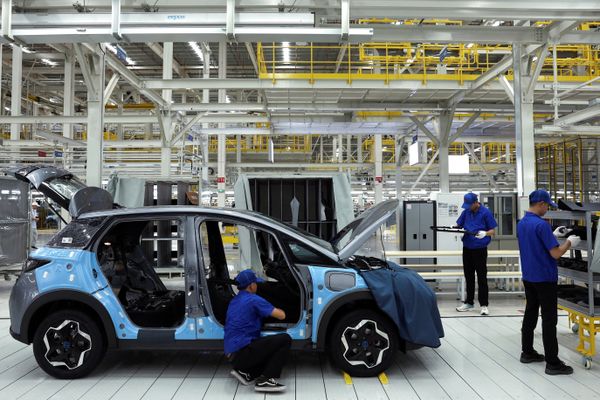
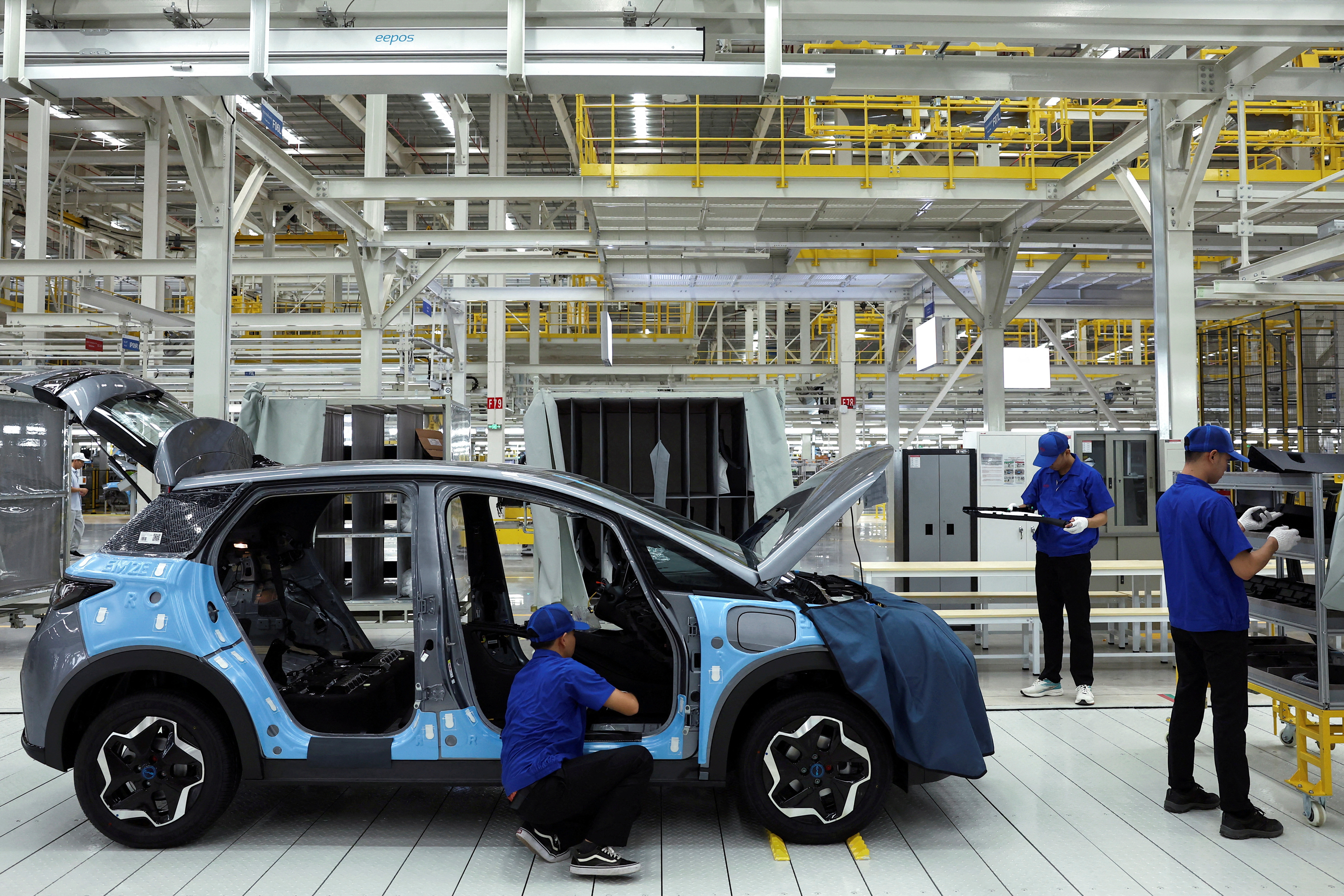
BANGKOK, May 5 — Thailand's manufacturing sector expanded for a 12th successive month in April, but at a slower pace due to mounting cost pressures linked to conflict in West Asia, a survey showed today.
Xinhua reported that ASEAN's third-biggest economy's manufacturing Purchasing Managers' Index (PMI) came in at 52.7 last month, down from 54.1 in March, marking a solid improvement in overall operating conditions and the joint-lowest reading since last July.
S&P Global said that a PMI reading above 50 indicates expansion in the manufacturing sector, while a reading below 50 reflects contraction.
In a statement, it noted that production levels continued to climb in April, extending a growth streak that began in February last year, with firms citing efforts to keep up with rising inflows of new business.
Despite the upturns in both output and new orders, momentum slowed, owing in part to a squeeze on customers' purchasing power.
S&P Global Market Intelligence economics associate director Phil Smith said that the Thai manufacturing sector is starting to feel the impact of the conflict in West Asia, primarily through supply chain disruptions and higher input costs.
After nearly two years of price stability, a sharp rise in oil and fuel prices has triggered inflationary pressures, subsequently driving up raw material and transportation expenses.
Despite robust production growth, he noted that stockbuilding efforts to counter further price spikes and supply disruptions likely provided some temporary support to output in April, signalling a potential future slowdown.