SHAH ALAM, April 29 — A Selangor-led roundtable on the impact of the West Asia crisis has resulted in five key resolutions to support women entrepreneurs, including the setup of a central business portal, expansion of flexible work policies, and greater adoption of artificial intelligence (AI).
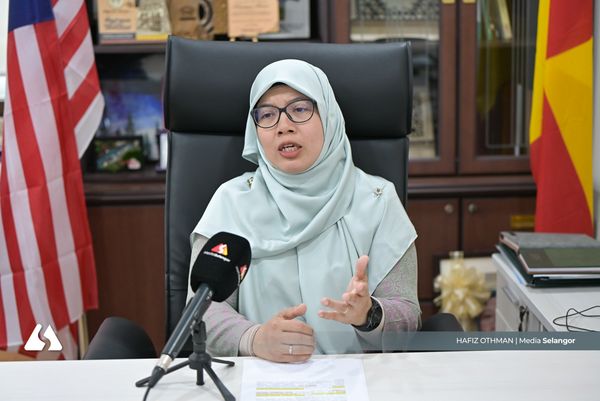
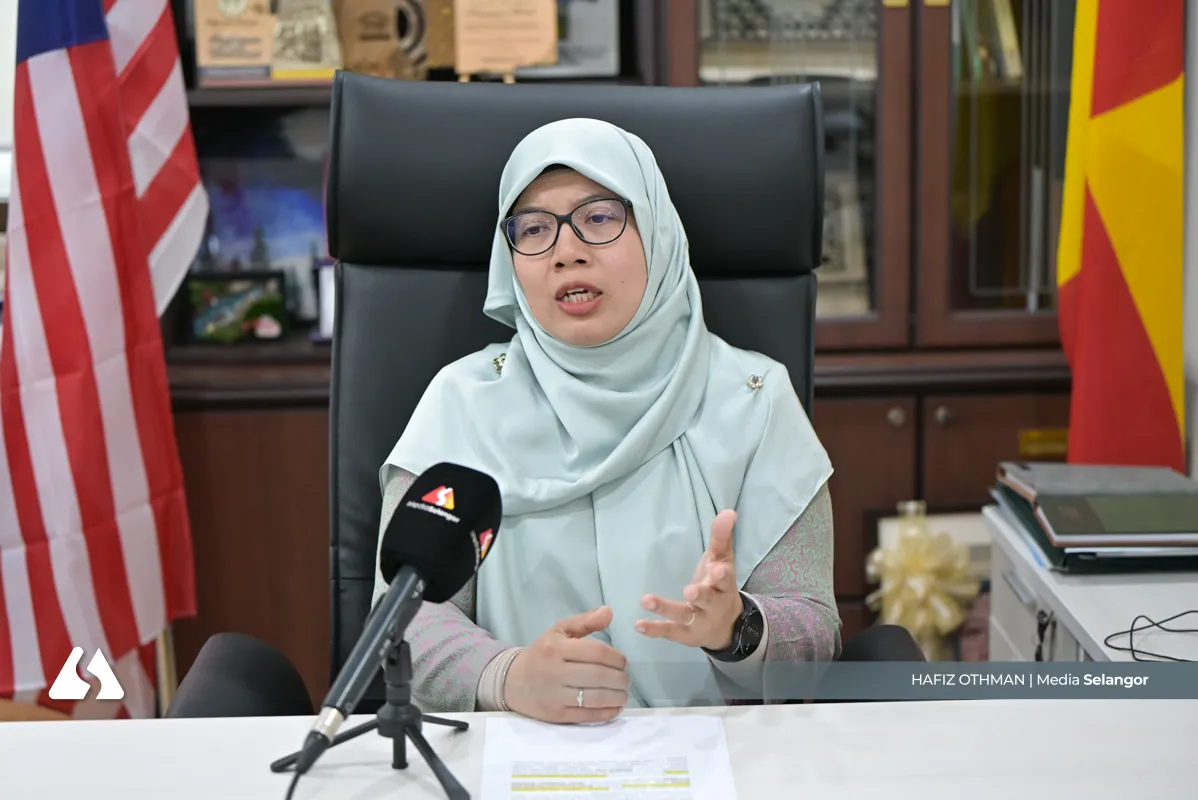
State executive councillor for women empowerment and welfare Anfaal Saari said participants agreed on the need to establish a central data hub and single-entry-point portal to streamline access to government aid, market information and initiatives.
She added that the move would reduce bureaucracy and ease access to information, enabling women entrepreneurs to respond more quickly to crisis-related disruptions.
Anfaal said the roundtable contributors also proposed strengthening family-friendly work practices, including flexible work-from-home policies and better caregiving infrastructure, to boost women’s participation in the economy.
“By strengthening inclusive work from home policies, we not only reduce the financial burden on women entrepreneurs, but also enable them to maintain business productivity while managing domestic responsibilities.
“This is a form of intervention that supports work-life balance in a systemic way,” she said in a press conference after the roundtable at the State Secretariat Building here today.
The session gathered 30 participants from federal and state agencies, financing institutions, NGOs, international bodies, and women and youth entrepreneurs.
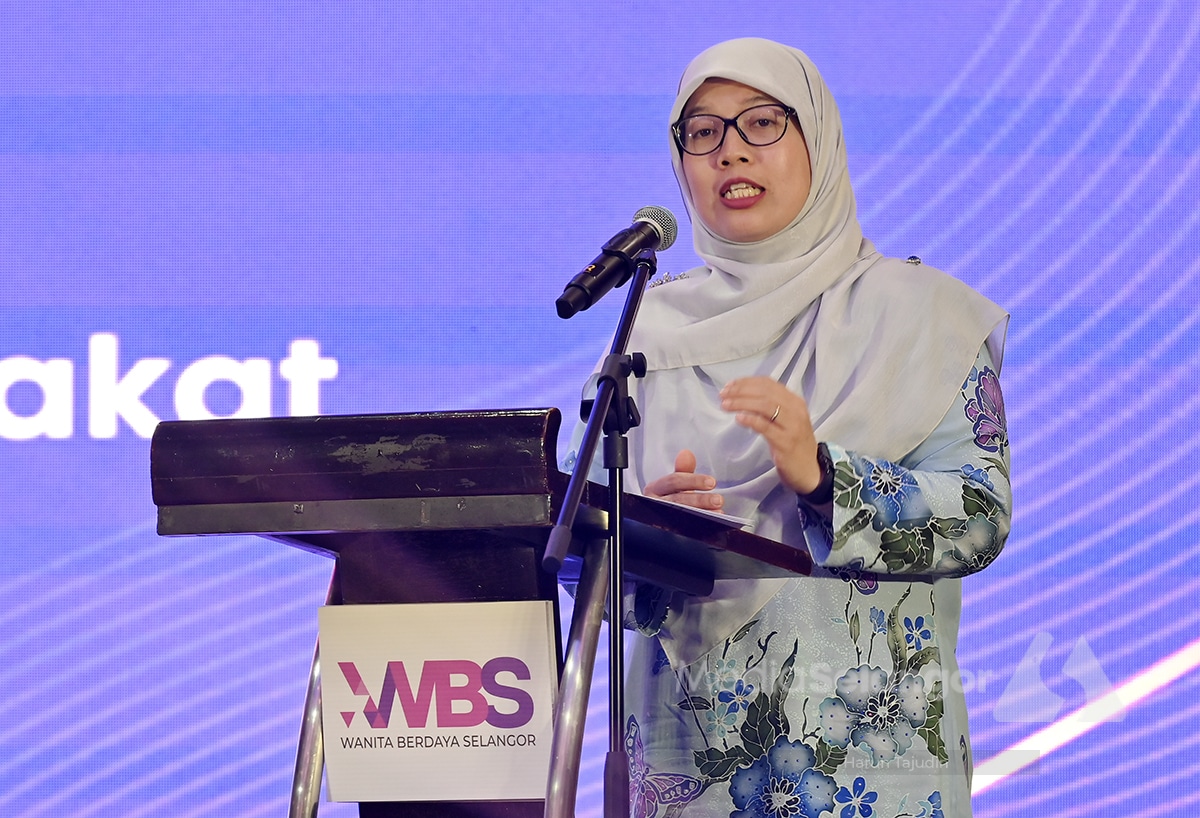
Earlier today, Anfaal said the state government, through Wanita Berdaya Selangor (WBS), convened a second roundtable to assess how the West Asia crisis is affecting entrepreneurs (especially women) and to identify mitigation strategies.
She said the crisis is straining the business ecosystem with rising operating costs, global supply chain disruptions and growing pressure on the sustainability of women-led micro, small and medium enterprises (MSMEs).
“The discussion also focused on structural challenges faced by women entrepreneurs, including access to growth financing, high-value markets, the digital divide, and the ability to scale their businesses.
“At the same time, emphasis was placed on the need to strengthen cross-agency collaboration in financing, training, capacity building, digital empowerment, and business innovation to ensure more sustainable economic resilience,” she said.
On digital transformation, she said the discussion emphasised the need to mainstream AI adoption to improve operational capacity and cost efficiency among women-led businesses.
She said AI could be leveraged for predictive market analysis, smart inventory management and automated digital marketing to help entrepreneurs remain competitive despite global supply chain disruptions.
Roundtable participants further recommended conducting regular Rapid Needs Assessments to monitor the direct impact of the crisis, particularly in terms of supply chain disruptions and rising costs.
“The findings will allow the government and agencies to design evidence-based interventions, ensuring assistance reaches those who truly need it according to affected sectors,” she said.
Anfaal said women entrepreneurs should be equipped to develop contingency plans, while successful entrepreneurs are encouraged to mentor others.
“This will create a sustainable ecosystem where individual success contributes to the collective strength of the women’s community.
“The state government remains committed to empowering women through a holistic approach and multi-stakeholder collaboration, in line with the aspiration to build an inclusive, resilient and sustainable economy,” she said.
The initiative aligns with the Selangor Women’s Policy and Action Plan 2024-2026, particularly to enhance the socio-economic status and autonomy of marginalised women, as the state remains committed to building an inclusive, resilient and sustainable economy.