
SURAT, India, Apr 27 — A surge in fossil fuel prices since the Iran war is squeezing polyester suppliers and garment makers across India and Bangladesh, threatening to raise costs for fast-fashion retailers such as Zara and H&M.
Filatex, one of India’s biggest polyester yarn producers, is paying nearly 30 per cent more for petroleum-derived feedstocks — purified terephthalic acid (PTA) and monoethylene glycol (MEG) — needed to produce yarn, as Chinese suppliers raise prices and West Asia supply is disrupted, managing director Madhu Sudhan Bhageria told Reuters.
The pressure is being felt across the clothing supply chain, which is heavily concentrated in Asia.
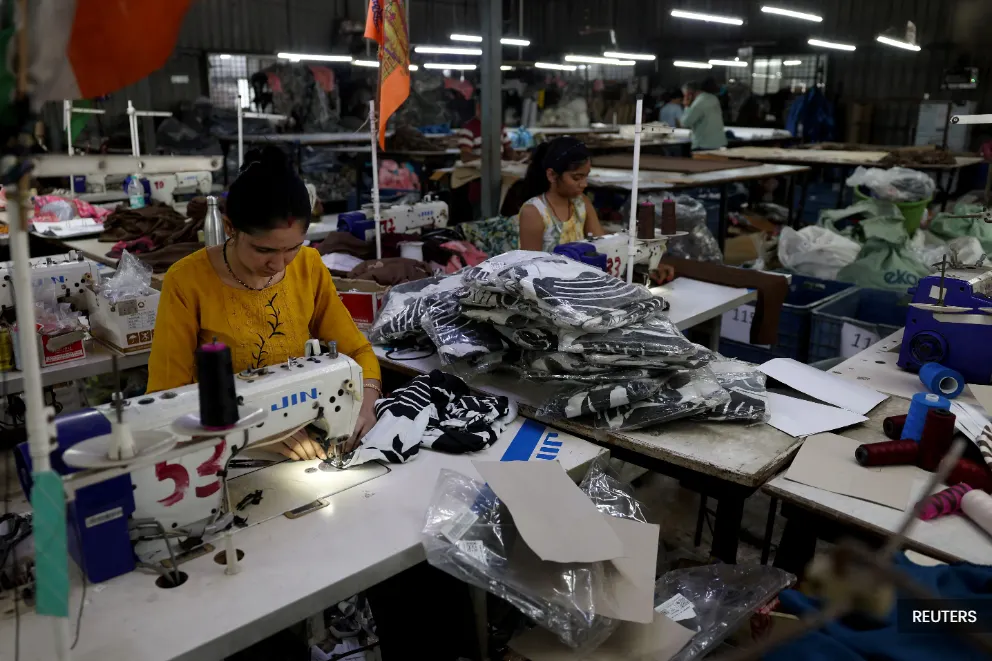
Avichal Arya, chief executive officer of Bindal Silk Mills, which supplies dyed and printed polyester fabrics to retailers including H&M, Zara-owner Inditex, Target, Walmart and IKEA, said the energy crisis had “drastically” pushed up the cost of chemicals and dyes.
Adding to the strain, Arya said a shortage of cooking gas due to the war has driven many migrant workers to leave Surat, a textile hub in India’s western state of Gujarat.
“We are not able to actually meet the demands of global orders very effectively these days,” he said.
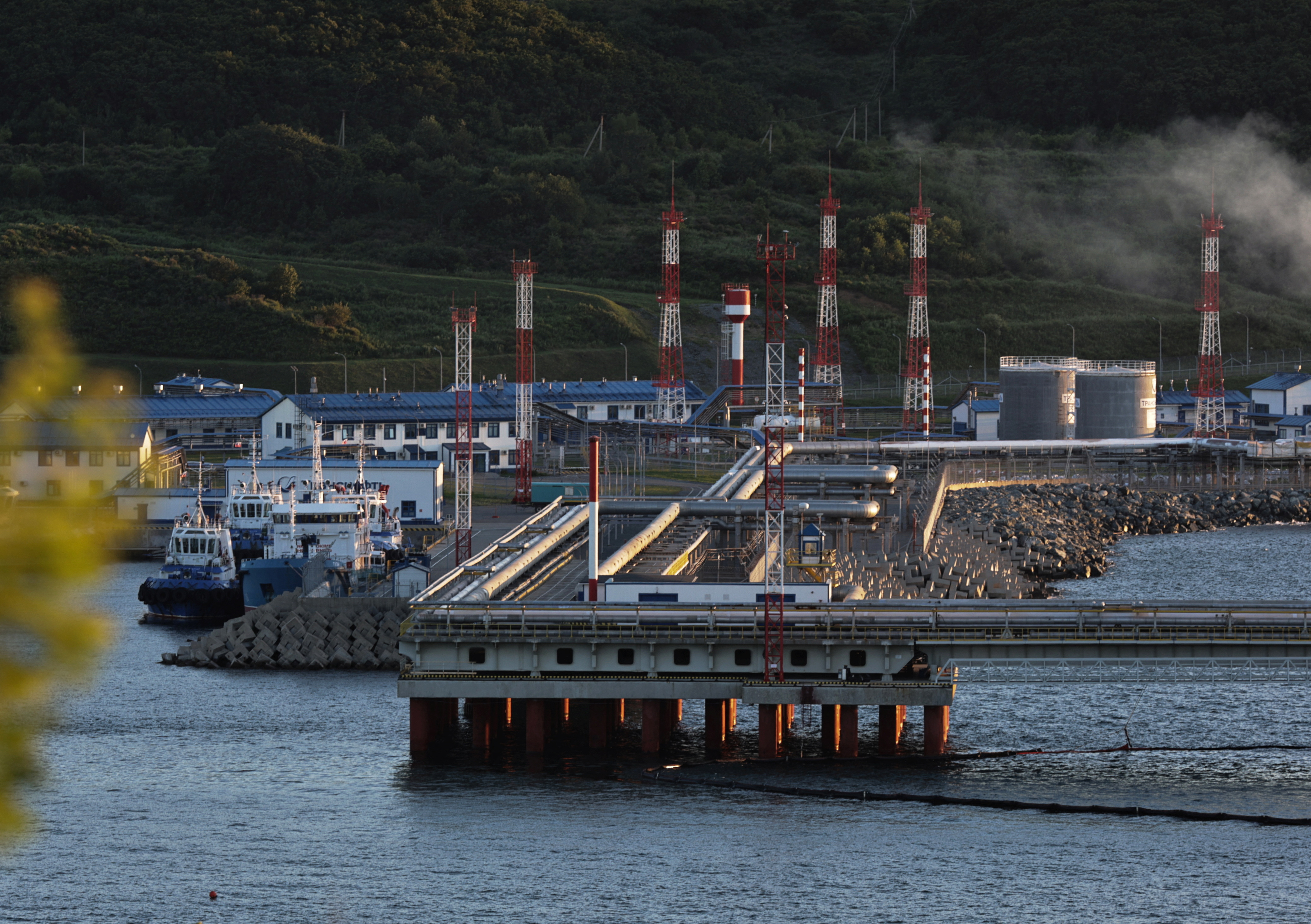
Made from oil derivatives, polyester dominates the textile industry, accounting for 59 per cent of global fibre production and used in everything from running shorts to dresses. It is directly exposed to rising costs of refined petroleum products caused by disruption linked to the closure of the Strait of Hormuz.
Fast fashion costs could rise
The pressure could eventually pass downstream to retailers reliant on Asia’s polyester-heavy supply chains, although many are currently shielded by forward buying.
An industry source said H&M expects price increases from Bangladeshi suppliers in the coming weeks but plans to absorb them.
In a statement, H&M said it does not see major disruptions to production in Bangladesh and has not observed “any noticeable number of requests from suppliers to adjust orders in connection with energy costs”.
Zara-owner Inditex declined to comment on its polyester supply chain, while Target, Walmart and IKEA did not immediately respond to requests for comment.
Retailers such as Zara and H&M have increasingly shifted towards recycled polyester made from plastic bottle waste, which could help cushion some of the oil-driven cost pressure. However, recycled polyester still accounts for just 12 per cent of global production.
Polyester shock
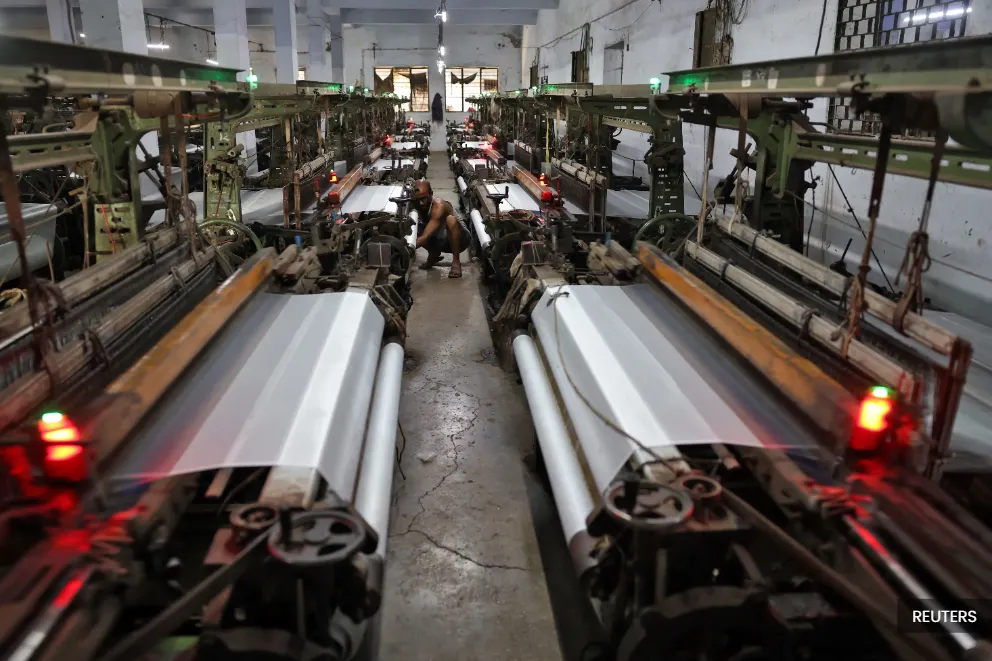
In Surat, half of the 200 industrial looms at Radheshyam Textile that weave polyester have remained idle since the conflict began in late February.
“Our daily production was 10,000 metres per day before the war started, but it has fallen to 3,500 to 4,000 metres per day,” owner Kaushik Dudhat told Reuters.
He has stopped purchasing new polyester yarn, saying sharp price increases would force him to raise his own prices by around 15 per cent — a hike his customers, mainly clothing traders, would not accept.
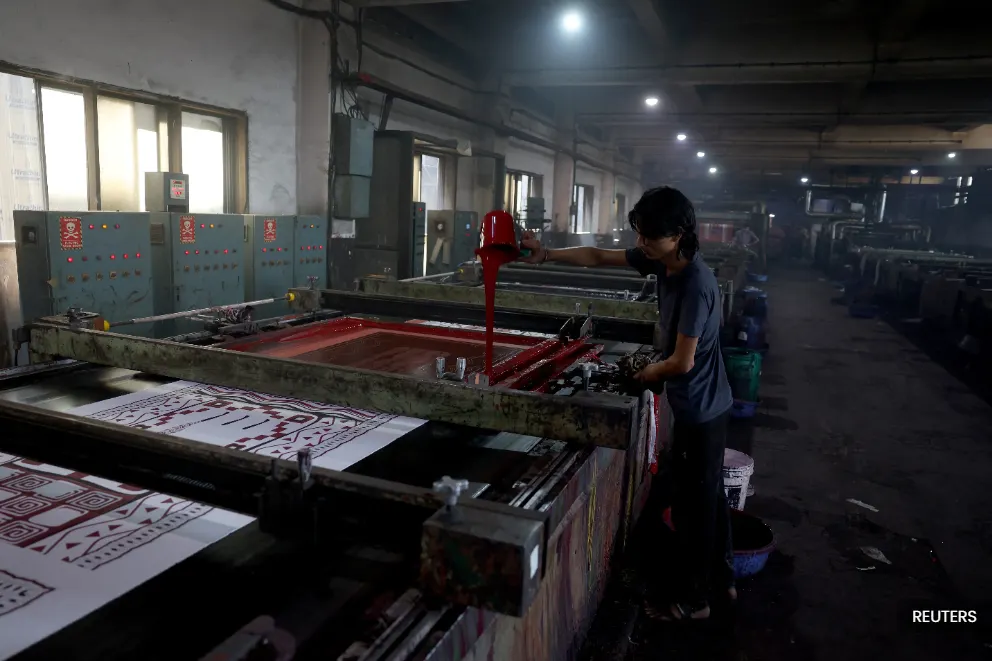
Rising costs have also led textile dyeing and printing factories in Surat to shut for two days a week, up from one previously, said Kailash Hakim, president of the Federation of Surat Textile Traders Association.
“If the situation persists, raw material shortages will start taking place and factories will need to shut down,” he warned.
Data from Wood Mackenzie shows the price of polyester staple fibre in India rose from 100 rupees per kilogramme at end-February to 126.5 rupees a month later. It eased slightly after the Indian government cut import tariffs on petrochemical raw materials, but remained at 120 rupees as of April 9.
Prices in China, the world’s largest polyester producer, have also risen.
Demand destruction
In Bangladesh, although factories mainly produce cotton-based clothing, they are facing higher costs for polyester sewing thread and increased logistics expenses due to higher fuel prices.
“Buyers are becoming more cautious and carefully calculating risks before placing orders, which could affect order volumes,” said Mohammad Hatem, president of the Bangladesh Knitwear Manufacturers and Exporters Association.
“If this continues for another month, we will see lower clothing production and what we call demand destruction, because retailers will have to raise prices and consumers will cut purchases,” said Bruna Angel, principal analyst for fibres at Wood Mackenzie.
Sneakers next
Petrochemical-based materials such as ethylene-vinyl acetate (EVA) are also widely used in sneakers, prompting concern from US retailers.
“There’s broad-based impact across the board no matter where you source your shoes from,” said Matt Priest, president of Footwear Distributors and Retailers of America, which identified 25 petrochemical-based components used in shoes — from synthetic rubber outsoles to polyurethane foam and adhesives — in a recent report.
Higher costs could push retail prices up and make demand harder to forecast.
“Materials related to oil do have an impact on product costs,” a Nike spokesperson said.