
By Yasmin Ramlan
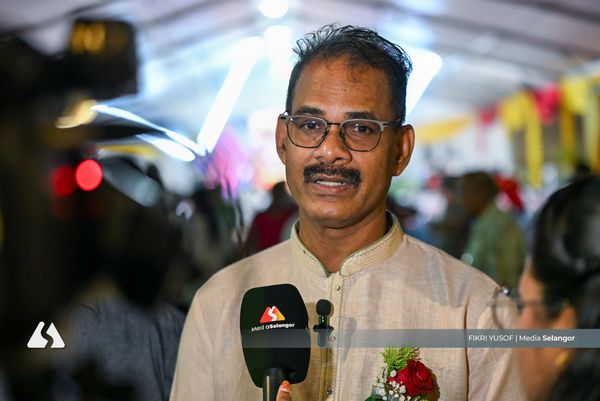
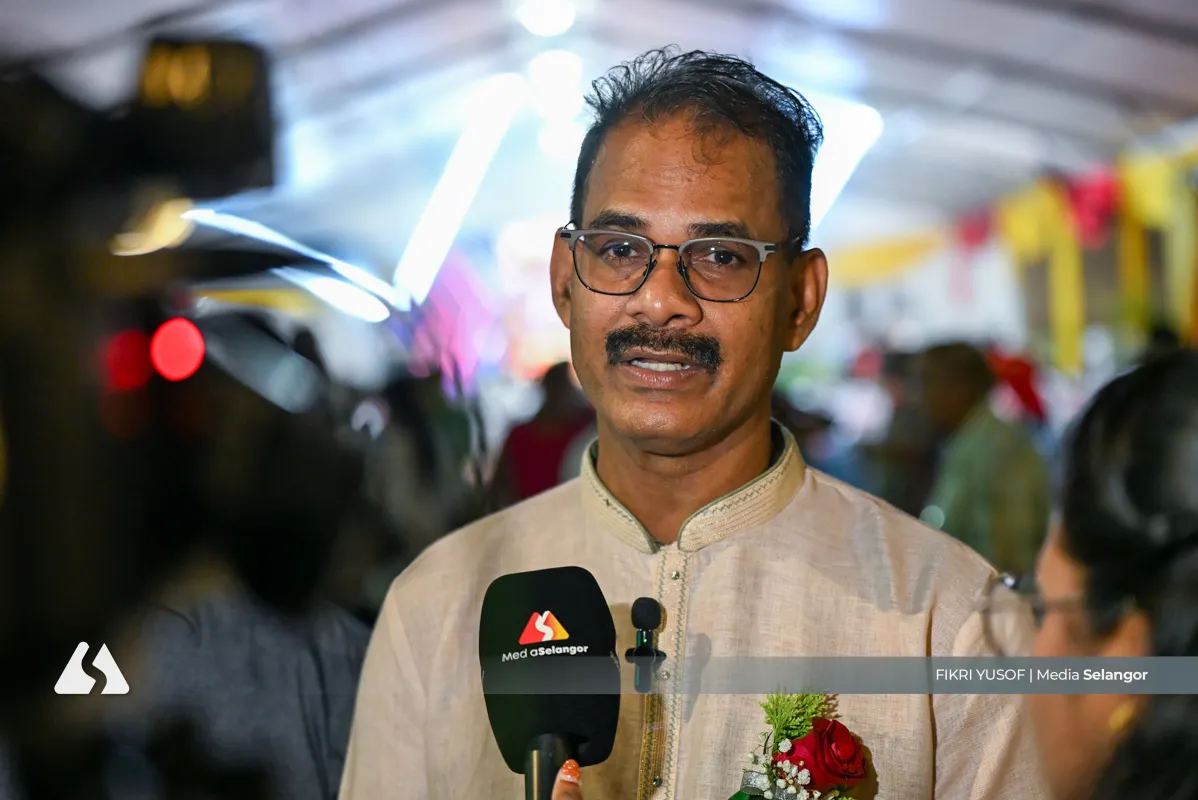
SHAH ALAM, Apr 23 — The Selangor government will prioritise engagement and negotiations to resolve issues involving unregistered non-Muslim places of worship, while tightening guidelines and enforcing regulations where necessary, said Special Committee of Buddhist, Christian, Hindu, Sikh, and Tao Religions in Selangor (LIMAS) co-chairman Papparaidu Veraman.
He acknowledged that some issues could have been handled earlier, but stressed that the state is now adopting a more balanced approach moving forward.
Papparaidu, who is also state executive councillor for human resources and poverty eradication, was responding to a supplementary question by Sentosa assemblyman Dr Gunarajah George, who sought clarification on news reports claiming that there are 600 temples in the state.
“I agree that there are shrines and temples which have not received approvals and so on.
“So far, there are about 178 files pending to be resolved. Issues that can be discussed.
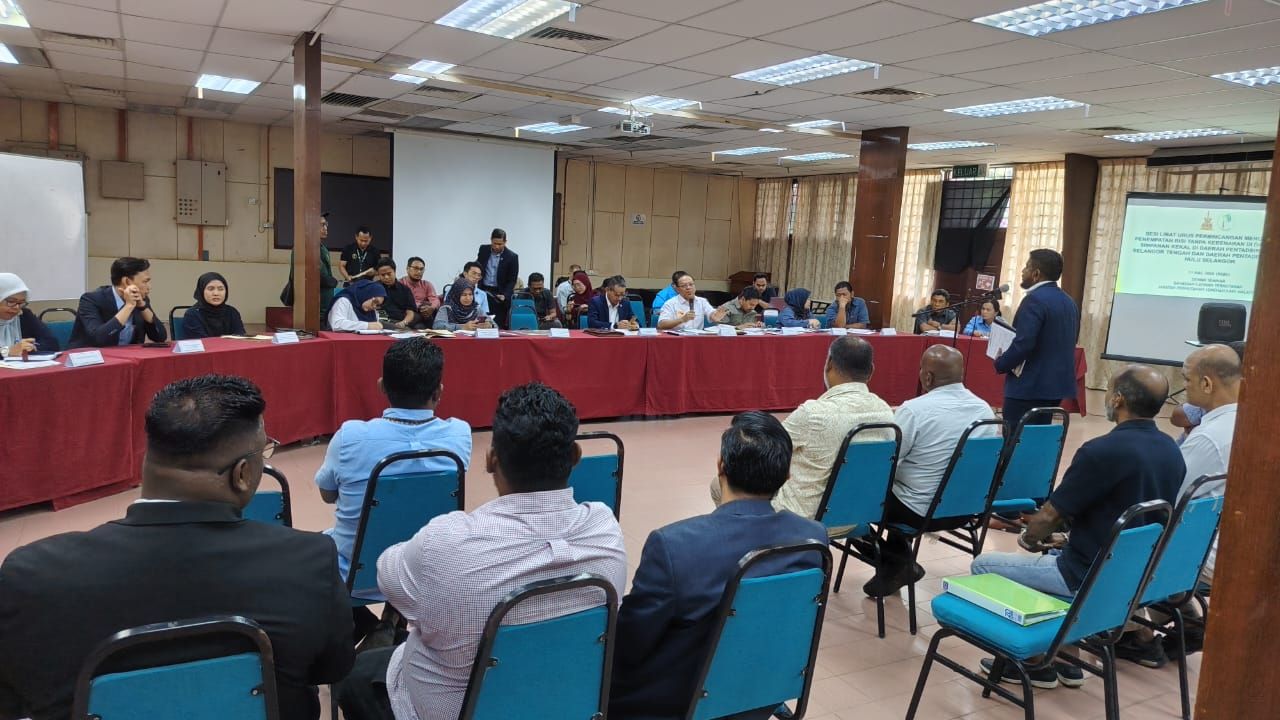
“My approach is very simple. We will hold discussions and meetings, and look for a win-win solution.
“We do not go by reports or WhatsApp messages, or more accurately, fake news claiming this and that,” Papparaidu said during a question-and-answer session at the State Legislative Assembly today.
According to him, the state has already begun reviewing and strengthening its guidelines to better manage such cases, especially following recent controversies.
“We have outlined more detailed guidelines at the state level.
“Previously, guidelines existed, but now they are more proactive and more precise to resolve issues that have arisen in recent months,” he said.
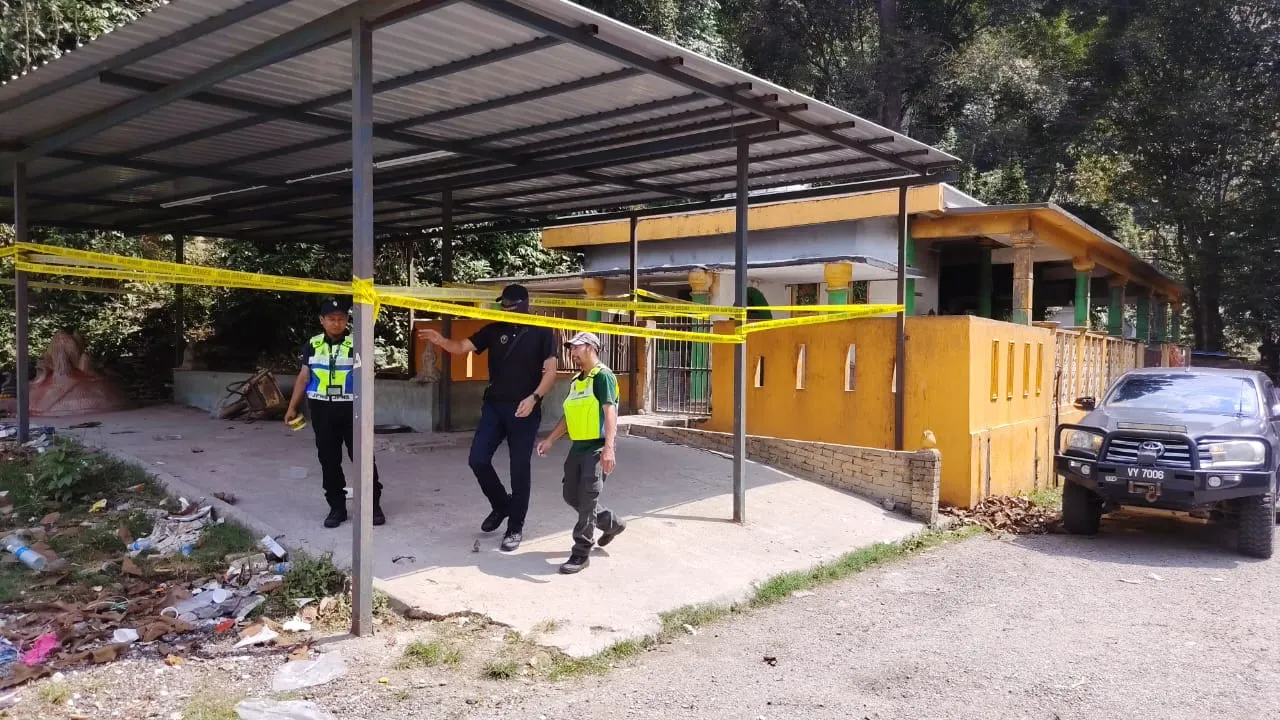
At the same time, Papparaidu emphasised that enforcement remains part of the approach, noting that action has already been carried out in certain areas, including demolitions in Sungai Kandis and parts of Shah Alam.
He added that such actions are taken to facilitate existing development projects.
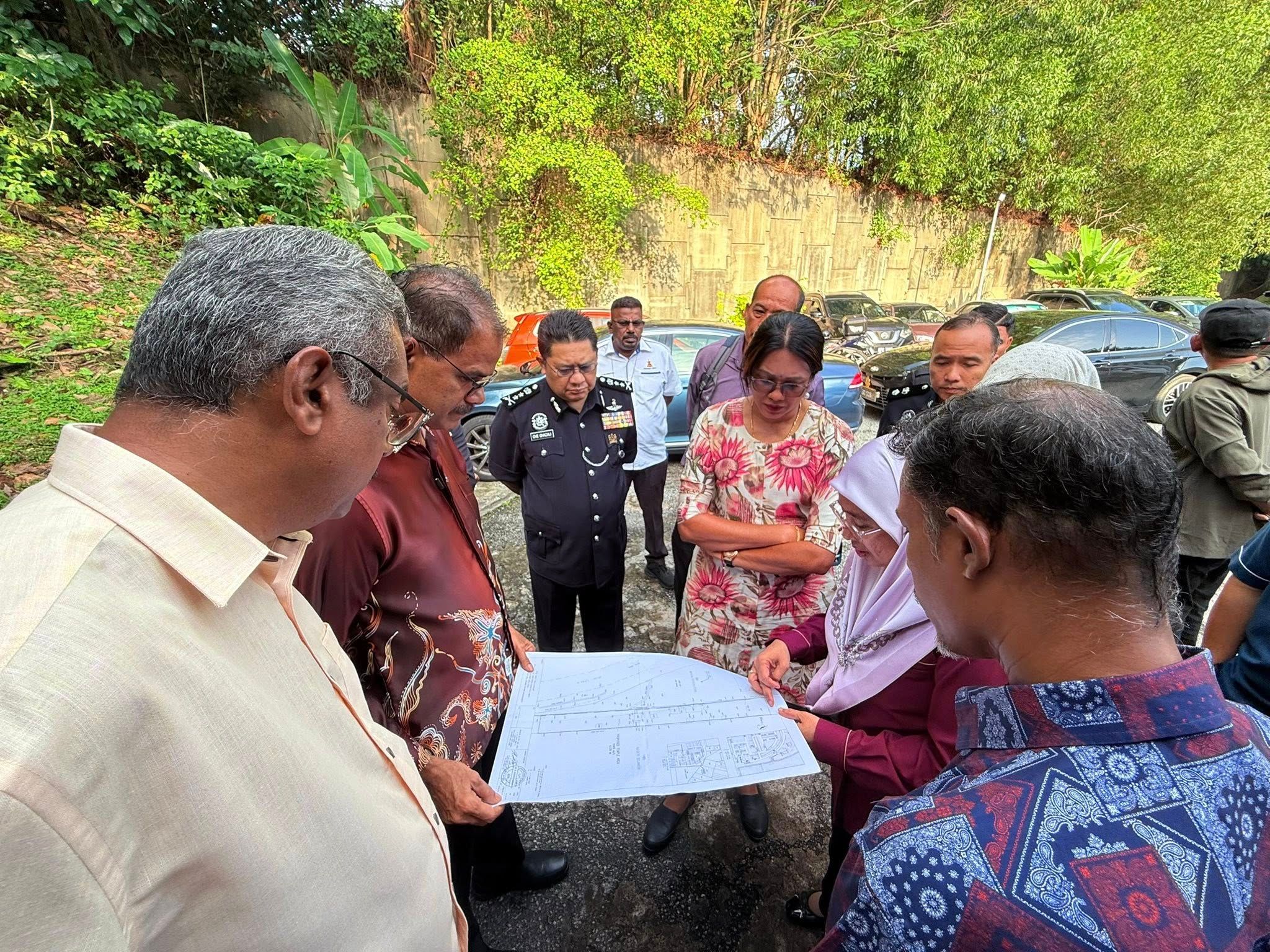
Meanwhile, in response to Taman Medan assemblyman Dr Afif Bahardin on whether such cases could have been prevented earlier, Papparaidu acknowledged there had been an oversight in early consultation in at least one recent case involving the proposed relocation of a Hindu temple in Taman Medan.
“On this issue … I agree there was an oversight, as the site had already been gazetted, so we assumed there would be no issue.
“However, as residents in the surrounding area did not agree, we respect the objections raised. That is why we decided to change the (temple) site to a new location,” he said.
He said the state had taken into account objections from local residents and agreed to relocate the proposed site from Taman Dato’ Harun to another location in Petaling Jaya.
However, he said relocating all unauthorised shrines and temples may not be feasible due to land constraints, explaining that one-to-one replacement of sites would not be possible. He urged all parties, including temple committees and community leaders, to cooperate with the state to ensure proper approvals and avoid future disputes.
“Once a site is properly gazetted by the state, they can remain there without issues. But if not, it will invite problems in the future,” he said.