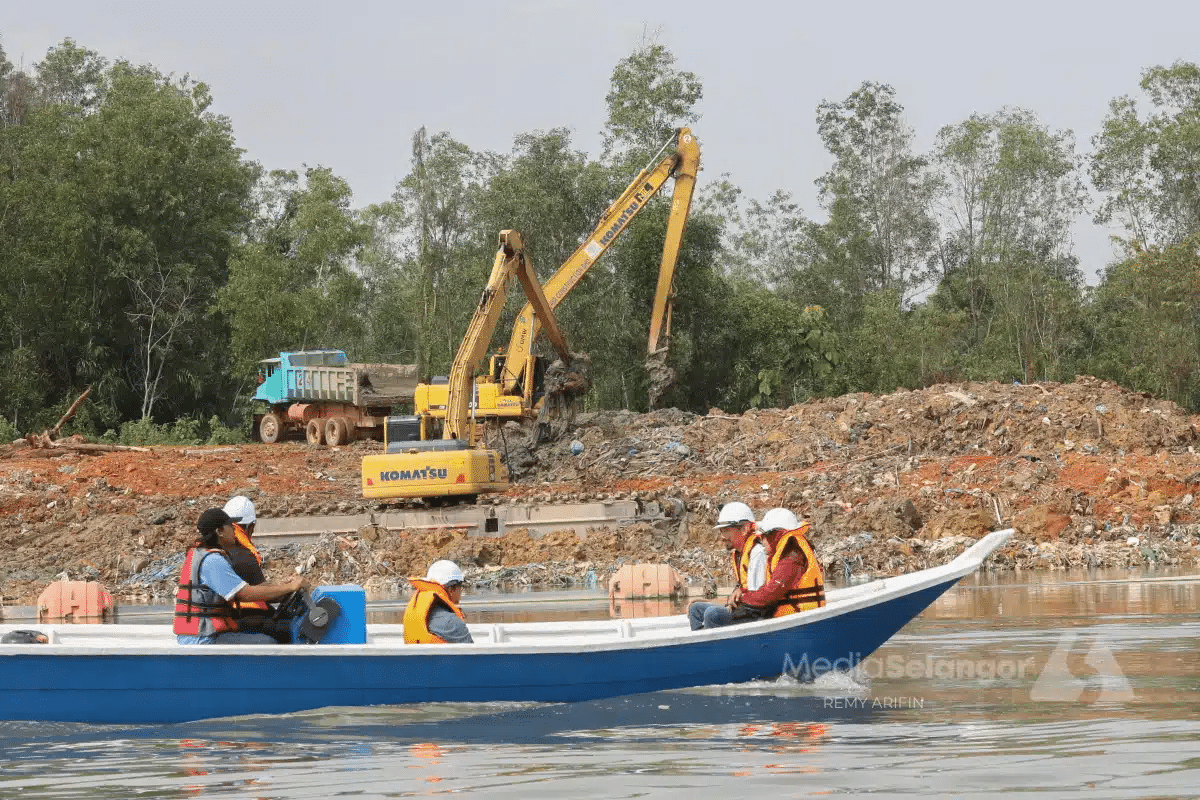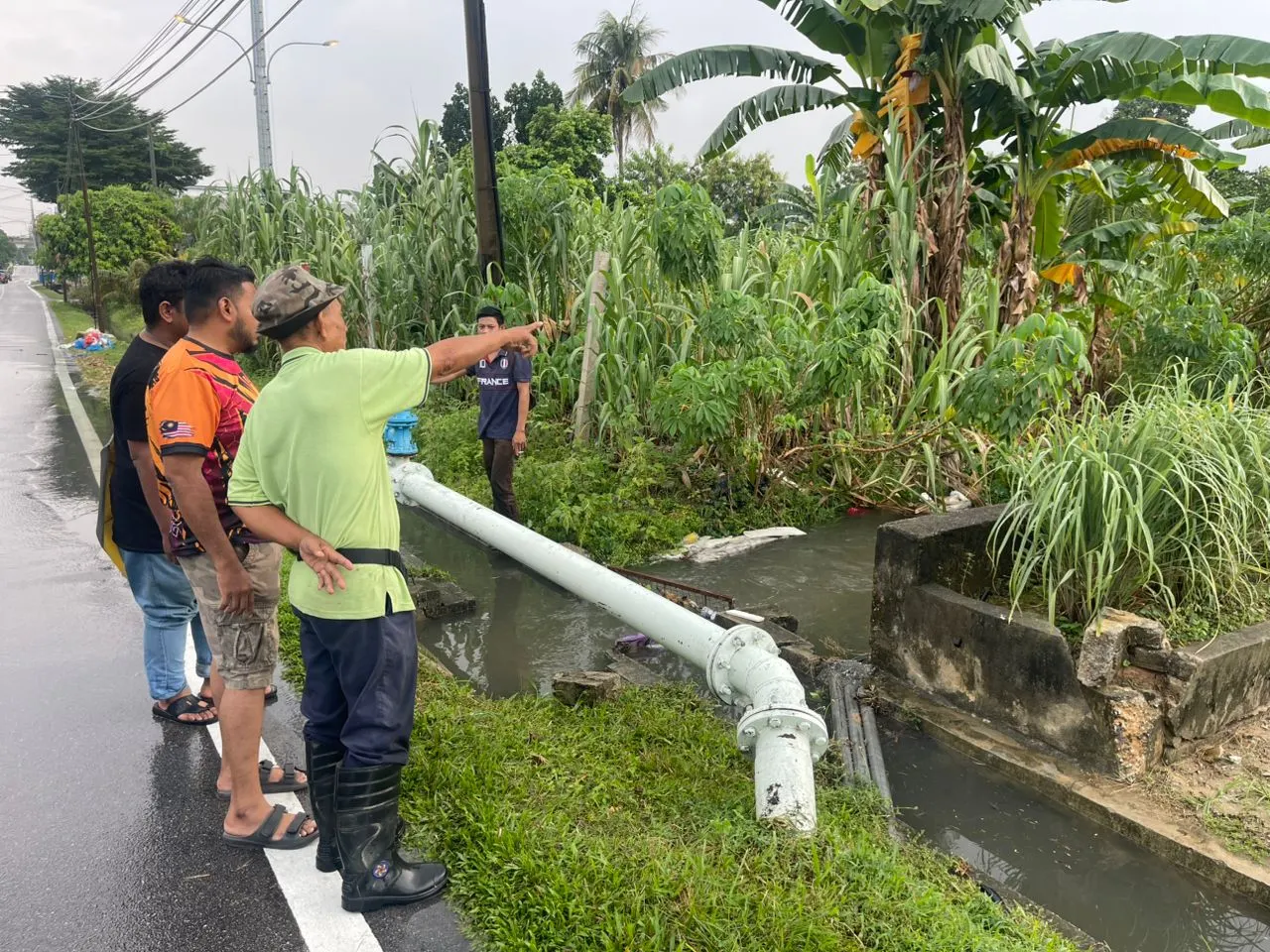
SHAH ALAM, April 21 — Port Klang assemblyman Azmizam Zaman Huri has called for an audit of flood mitigation projects in Selangor, stressing the need for stronger accountability as flash floods persist despite existing flood management frameworks.
The state government backbencher said while Selangor has its Stormwater Management and Drainage Master Plan (PISMA) and integrated river basin management plans, implementation is lacking.
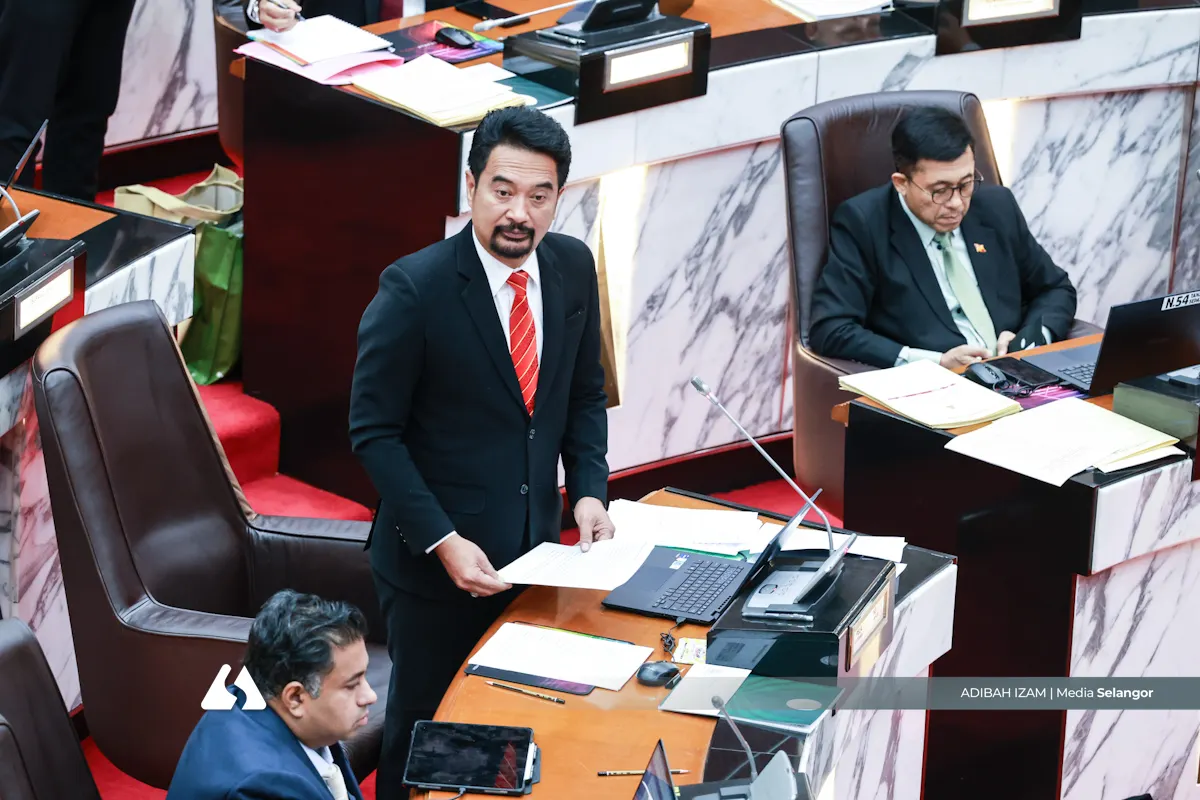
“The master plan is already in place, it is not new, but the issue now is execution, whether it is being implemented effectively and according to the guidelines,” he said during his debate on Sultan of Selangor Sultan Sharafuddin Idris Shah Alhaj’s Royal address at the Selangor State Legislative Assembly here today.
He added that while mitigation plans are well designed, improvements are needed to ensure better coordination, enforcement and effectiveness.
He was commenting on the Sultan’s reprimand to the state government yesterday over unresolved flood issues.
Azmizam noted that flash floods in urban areas such as Klang, Shah Alam, Rawang, Banting, Seri Kembangan, and Selayang are recurrent, and even commonplace during heavy rain.
He said reactive measures such as drain cleaning and periodic river dredging are no longer sufficient to address a problem that is becoming increasingly complex, and instead urged more aggressive action, stronger monitoring and closer inter-agency coordination.
“The current reality shows flash floods in urban areas are still repeatedly affecting the people.
“A comprehensive audit should be carried out on flood mitigation projects that have been implemented and are underway to evaluate their effectiveness and ensure every (sen) spent truly benefits the people,” he urged.
Azmizam also said he supports the Sultan’s call for the state to seek international expertise in flood management, but cautioned that such efforts must go beyond symbolism and focus on real technology transfer and measurable outcomes.
In his debate, the Pakatan Harapan lawmaker raised concerns about infrastructure issues such as potholes, waste collection, and streetlights, pointing out that these basic issues remain despite repeated complaints and public distress.
Calling for a more systematic approach, he proposed the establishment of a comprehensive state infrastructure master plan supported by a central database, digital monitoring systems, and clear service-level agreements for maintenance.
“I see there may be certain parties that treat road damage issues as a business rather than a responsibility. From a business perspective, they may think it is better for the damage to get worse so they can charge higher costs.
“If the pothole is small, the return is minimal and not worthwhile, so they let it grow bigger and wait for more complaints… If this mindset persists, then it becomes a problem for road users. But if it is treated as a responsibility, then small potholes should be fixed early,” Azmizam said.