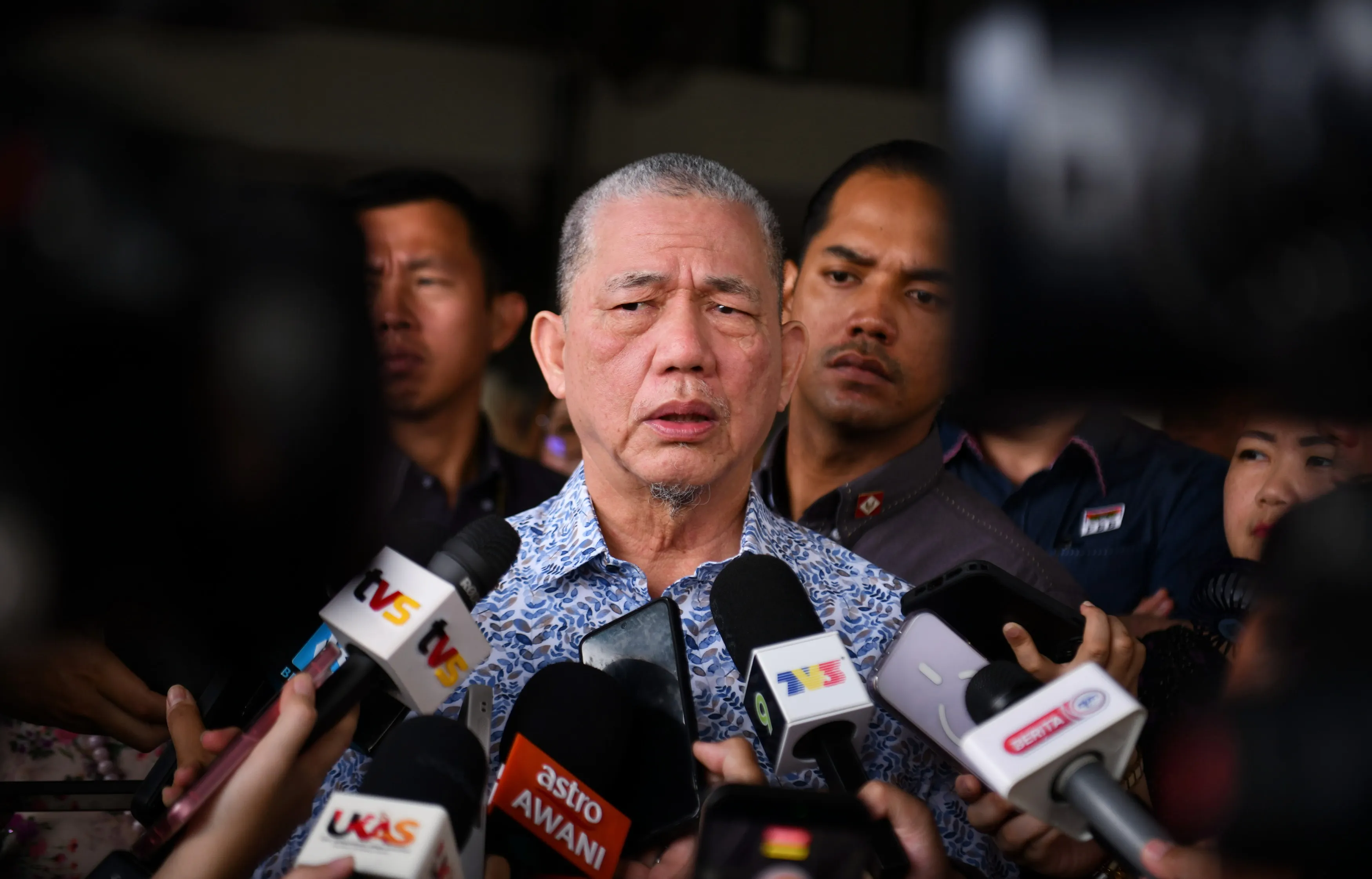
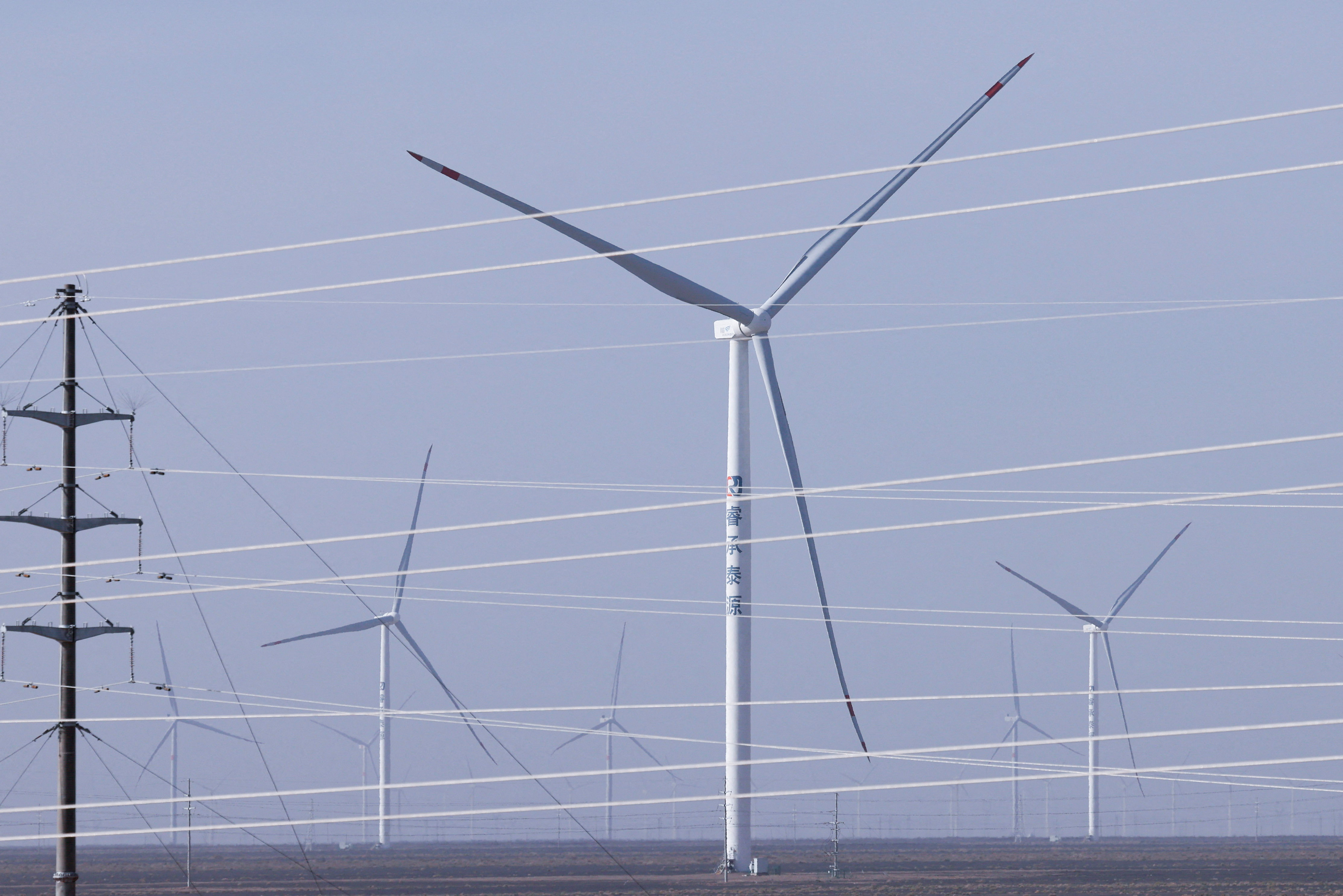
KUALA LUMPUR, April 21 — Malaysia is committed to reaching 32 per cent installed renewable energy (RE) capacity this year, said Deputy Prime Minister Datuk Seri Fadillah Yusof.
Fadillah, who is also the Energy Transition and Water Transformation Minister, said the country has achieved 31 per cent installed RE capacity as of December last year.
“The government aims to increase installed renewable energy capacity by one per cent a year until we reach 35 per cent by 2030 or earlier.
“The RE mix consists of many different sources such as solar, biogas, and biofuels. InsyaAllah (God willing), we will achieve this through all the programmes we have introduced, including battery storage and so on,” he told Bernama after appearing as a guest on Bernama Radio’s exclusive interview titled 'Geopolitical Crisis Drives Malaysia’s Energy Transition' at Wisma Bernama today.
Under the National Energy Transition Roadmap, Malaysia aims to reach 70 per cent RE capacity by 2050.
Fadillah added that, currently, about 40 to 50 per cent of the country’s energy use is based on gas, and although much still relies on carbon-based sources, the country is committed to no longer using coal by 2044.
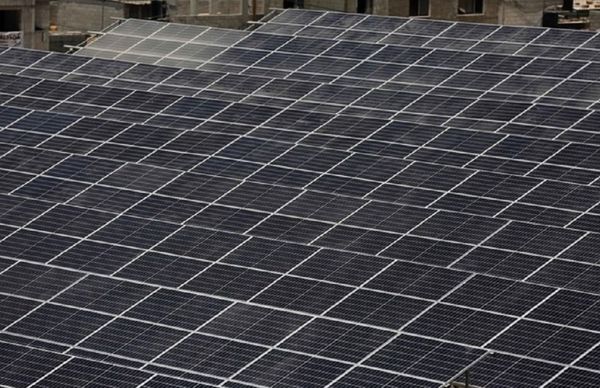
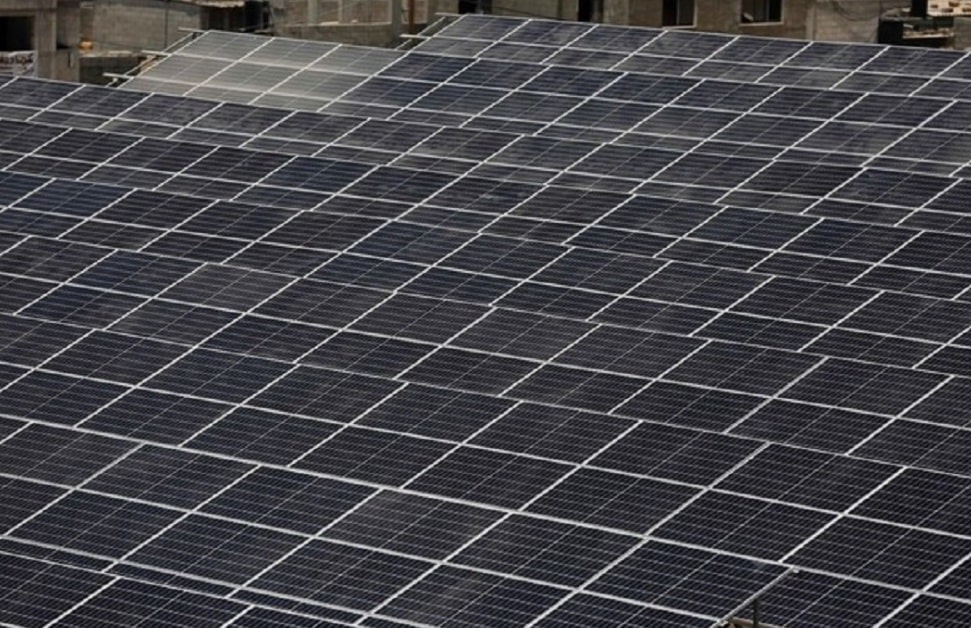
“That is why we are now introducing a lot of large-scale solar and rooftop solar to encourage more use of renewable energy. InsyaAllah, this year we will also open another tender for the sixth large-scale solar project (LSS 6),” he said.
Besides solar, Malaysia is exploring a mix of other energy sources, including biodiesel and biogas, to ensure the country has a sufficient energy supply in the future.
“For biodiesel, we have agreed to increase the blend of palm oil in diesel to 12 per cent. In addition, biogas can actually be produced from palm oil as well,” he said.
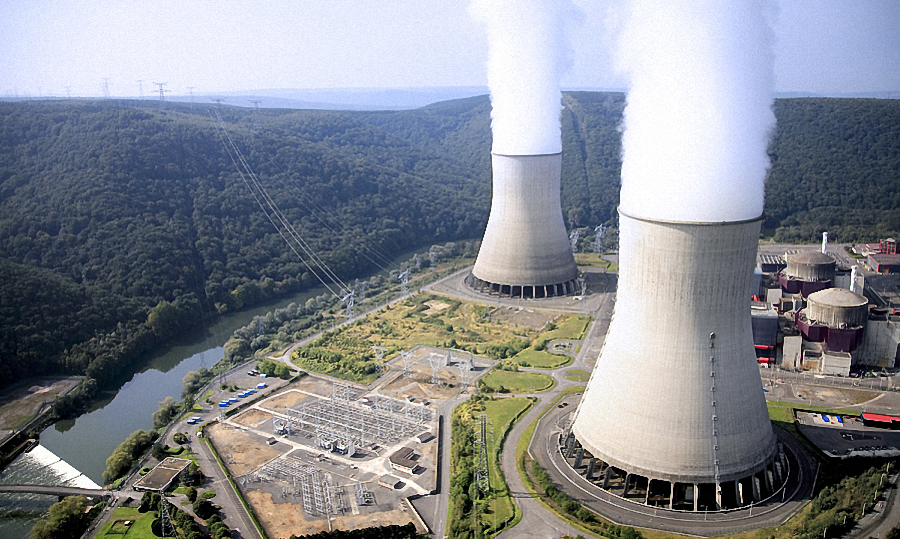
Malaysia is also studying the potential of nuclear power, with studies already conducted. The country now needs to enter into international agreements and conduct thorough assessments of law, safety, the environment, and public acceptance.
“In Peninsular Malaysia in particular, there is insufficient baseload supply. Solar is intermittent and unpredictable; our current baseload is gas.
"We know we rely on imported gas, with volatile prices. We have coal, but that will no longer be usable by 2044. Our biogas and biomass are limited.
“So we need a mix. During dry seasons, when water is scarce, hydropower cannot generate enough power. That is why the world is now looking at nuclear power,” Fadillah said.
He added that the Philippines and Vietnam have decided to include nuclear energy in their energy mixes.
“So Malaysia must consider nuclear power as one viable clean energy option for the future. If we adopt nuclear, once it is in place, it can guarantee supply for 10 to 15 years before we make changes. That needs a detailed study.
“We need a broader energy mix to ensure a secure energy supply that will support economic growth and the people’s wellbeing. For Peninsular Malaysia, this is the approach," Fadillah said.
The Deputy Prime Minister noted that Sabah faces a different challenge as the state relies heavily on diesel.
“Diesel is expensive now, so generation costs are higher. In Sarawak, about 70 per cent already comes from renewable energy; now they want to accelerate development in gas and solar,” he said.