BEIJING, April 21 — China's automakers have a message for premium German brands Porsche, Mercedes and BMW: We are coming for your customers.
After years of churning out the world's most technologically advanced, low-cost electric vehicles (EVs), Chinese companies like Geely and Nio are now unleashing a number of premium models that are packed with features and priced significantly lower than those offered by German rivals.
It is a major change for an industry that spent the last three years mired in a bitter electric vehicle price war and poses a huge threat to legacy premium automakers — both in China, the world's largest auto market — and abroad.
"The price war has turned into a value-for-money war," said research firm JATO Dynamics' Greater China country manager Bo Yu.
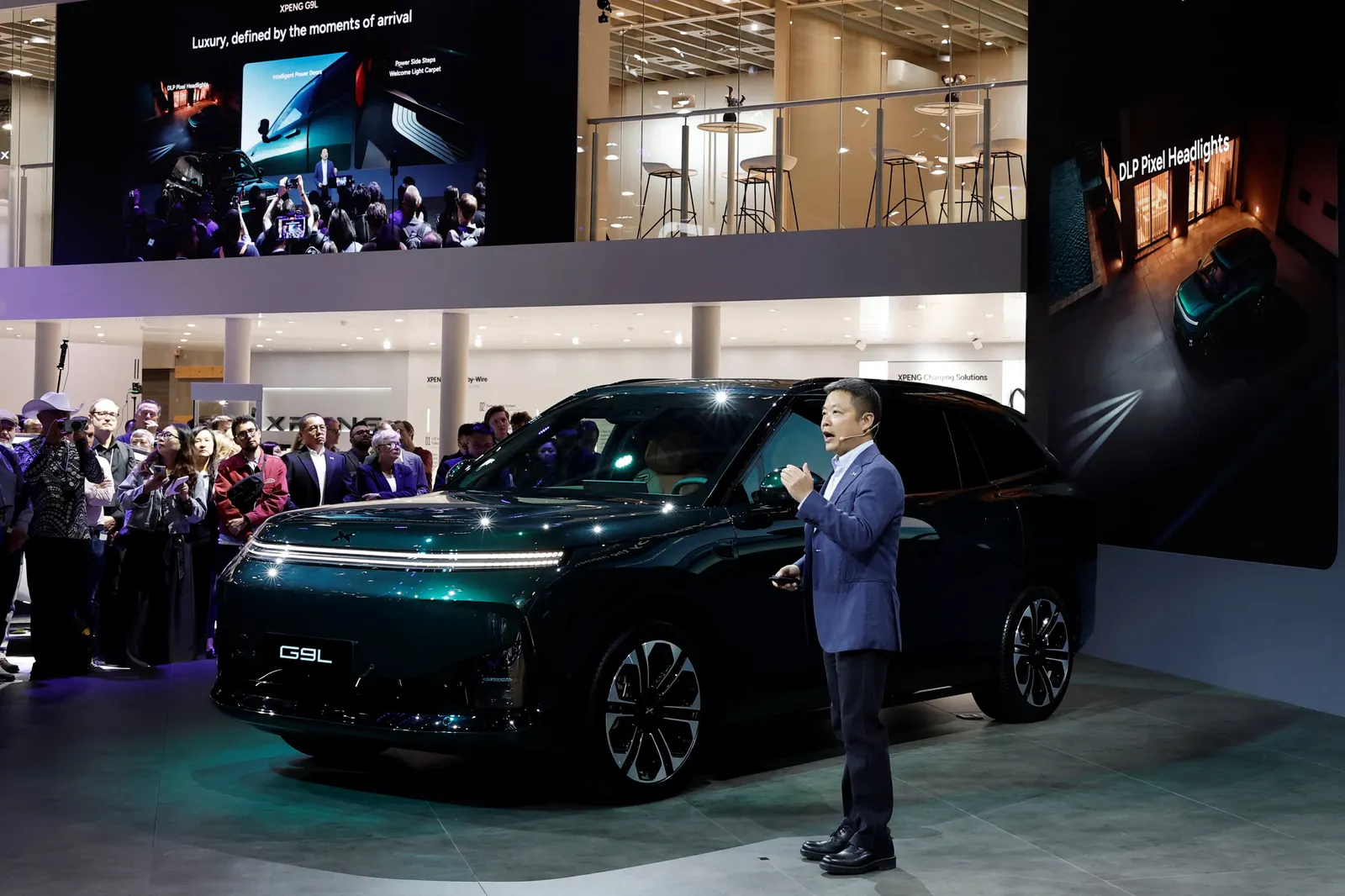
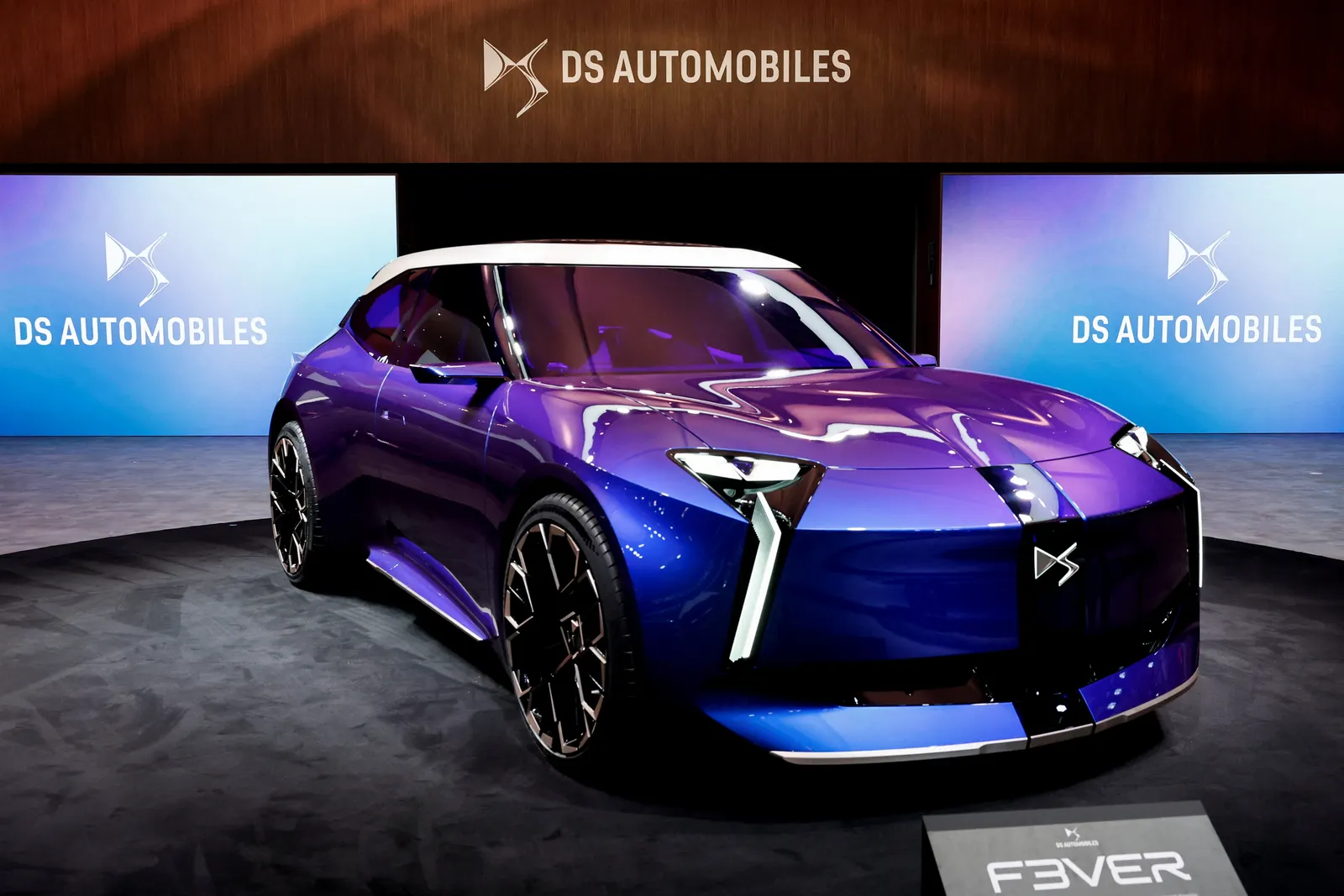
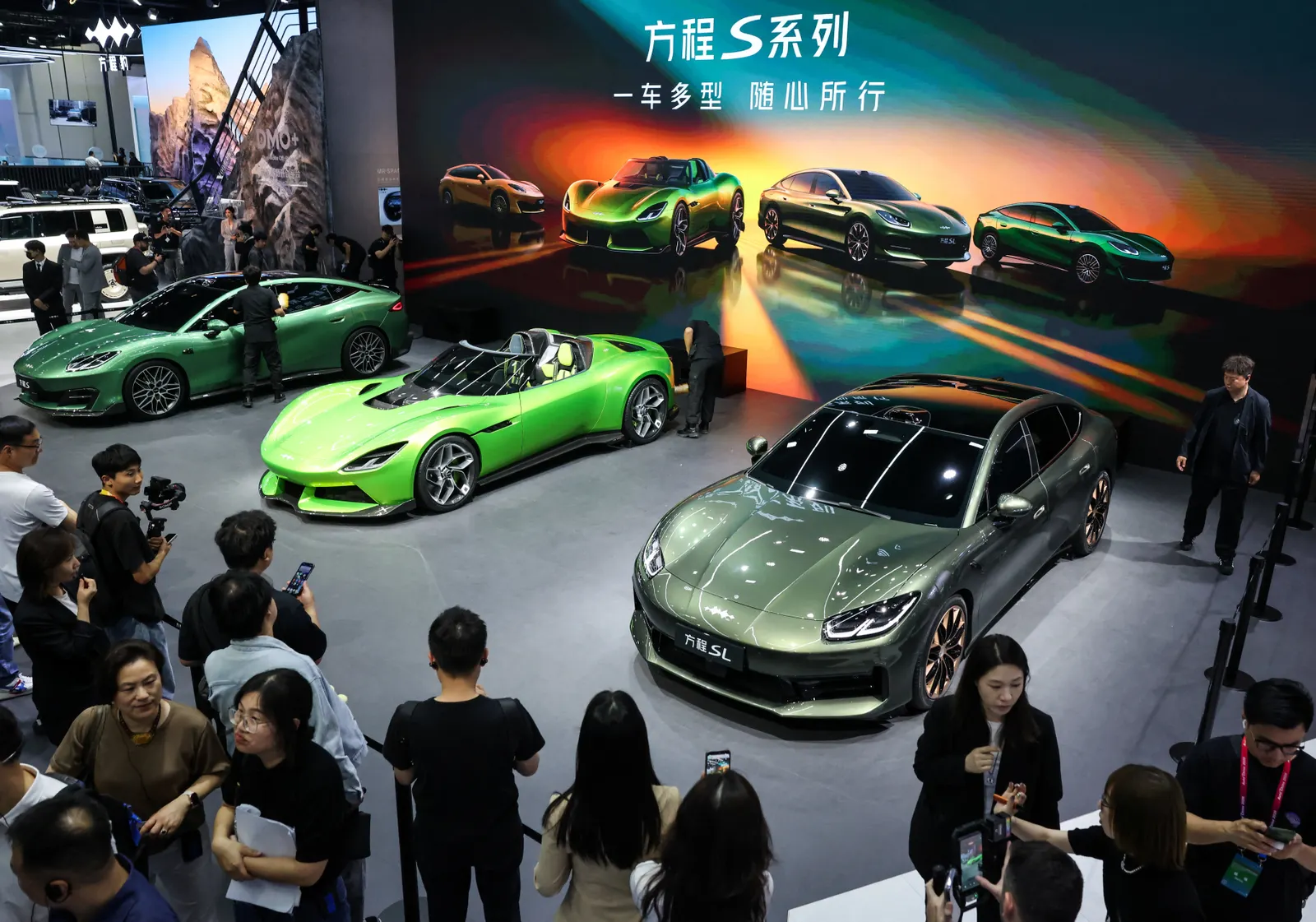
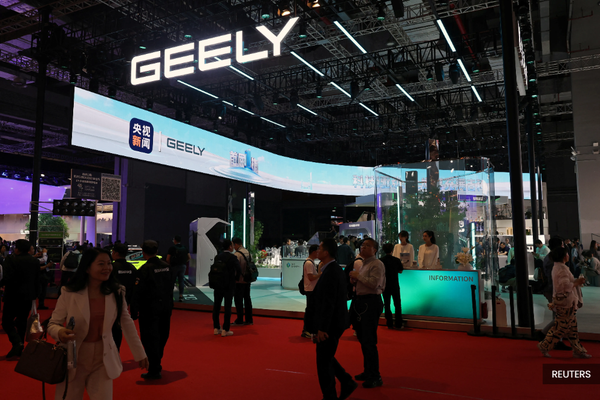
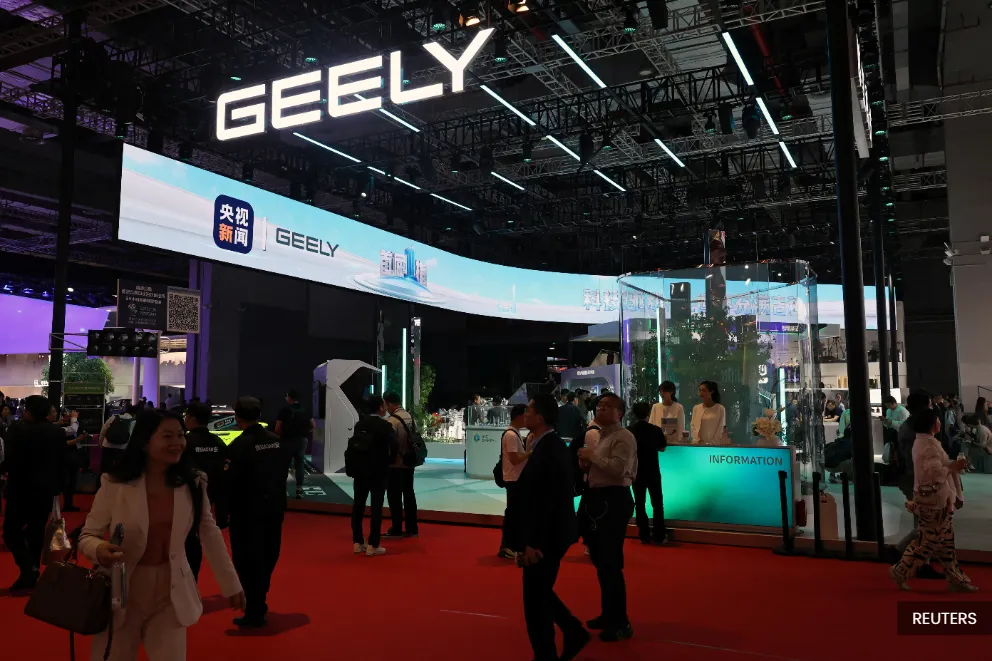
At this year's Beijing Auto Show, which kicks off on Friday (April 24), the industry is set to debut 181 models and 71 concept cars, including a "flood" of big, premium "9-series" SUVs, according to industry group China Passenger Car Association's (CPCA) secretary-general Cui Dongshu.
The fight for the premium market spells further trouble for German automakers in China. According to data from S&P Global Mobility, German automakers' cumulative sales in China fell by nearly 25 per cent, to 3.85 million vehicles, from 5.1 million in 2019.
Mercedes-Benz, BMW, and Volkswagen units Porsche and Audi all posted sales declines in China in the first quarter.
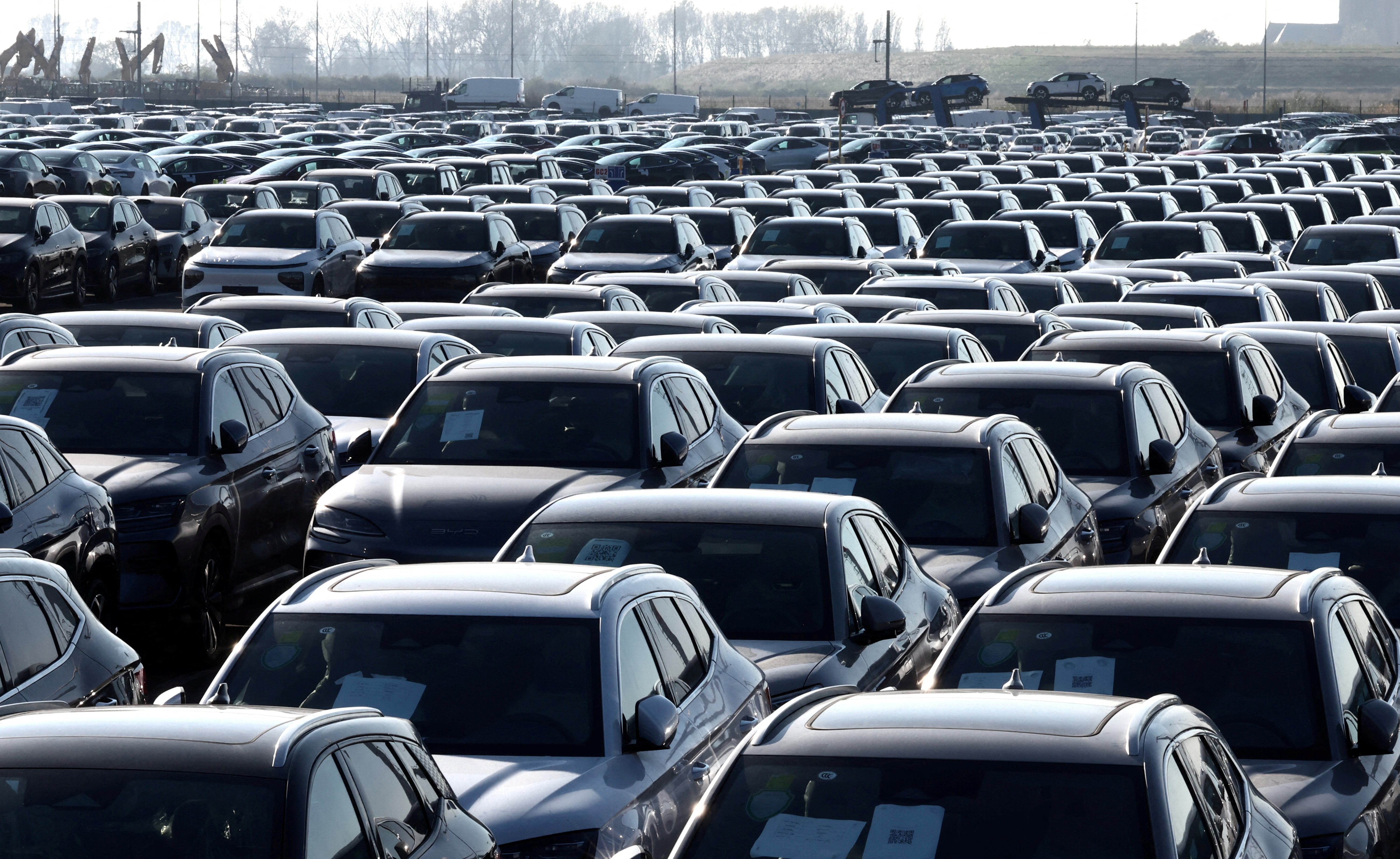
The upmarket push will also intensify competition overseas. Chinese automakers are increasingly looking to go abroad after the price war left the domestic market flooded with cars.
China's EV makers have been able to absorb European Union (EU) tariffs on Chinese-made electric cars and keep them priced below similar models from European rivals. Chinese hybrids and combustion-engine cars are not subject to EU duties.
"I expect more Chinese companies to double down on premiumisation. To differentiate themselves at home, but also to prepare for going global," said consultancy AlixPartners' Asia automotive practice head Stephen Dyer.
Car sales in China fell about 18 per cent from a year earlier in the first quarter and are expected to remain flat or down for the foreseeable future.
"New king of the road"
Geely's premium brand Zeekr unveiled the 8X last week, a full-size, long-range plug-in hybrid SUV laden with safety, infotainment, and tech features.
The 8X can tilt upward before a side collision to protect passengers. If the car is parked in a tight spot, the driver can wave at it, and it will drive itself out of the space to allow passengers easy access.
Geely showed a video of the 8X, which starts at under US$53,000 (RM209,774), vanquishing both the Porsche Cayenne and the BMW 5M — German premium models starting at around US$135,000 (RM534,330) and US$205,000 (RM811,390) respectively — in speed trials.
"This is the new king of the road," Geely Automobile chief executive officer Gan Jiayue told the audience at an event in Ningbo, about 200km south of Shanghai.
Consultancy Sino Auto Insights' managing director Tu Le said that by launching large premium SUVs, Chinese automakers are sending "a shot across the bow" of Detroit automakers General Motors, Ford Motor, and Stellantis, which have specialised in these highly profitable models.
At the moment, United States customers cannot buy Chinese cars, although many industry watchers expect that to change eventually.
"Detroit's cash cow is no longer safe," he said.
"Unthinkable five years ago"
The rise of Chinese premium cars comes as consumer demographics and tastes have shifted.
CPCA's Cui said the average age of Chinese car buyers has risen to over 40 from 30, while families want larger premium models, leading to falling demand for entry-level cars.
Meanwhile, JATO Dynamics' Bo noted that Chinese consumers are also increasingly drawn to the industry-leading technology of China's EV makers, while younger buyers have no interest in the heritage that is a key strength of German premium brands in Europe.
"German brands are stuck in the past. But Chinese consumers want to embrace the future," she said.
Auto consultant Felipe Munoz said that while it was "unthinkable five years ago" that Chinese consumers would prefer premium local models over established German rivals, "foreign luxury and premium brands are now going to find it harder to survive in China."
"The question is whether this will be the case outside China. In Europe, German premium brands are a reference for quality.
"That is going to be hard to change," he said.