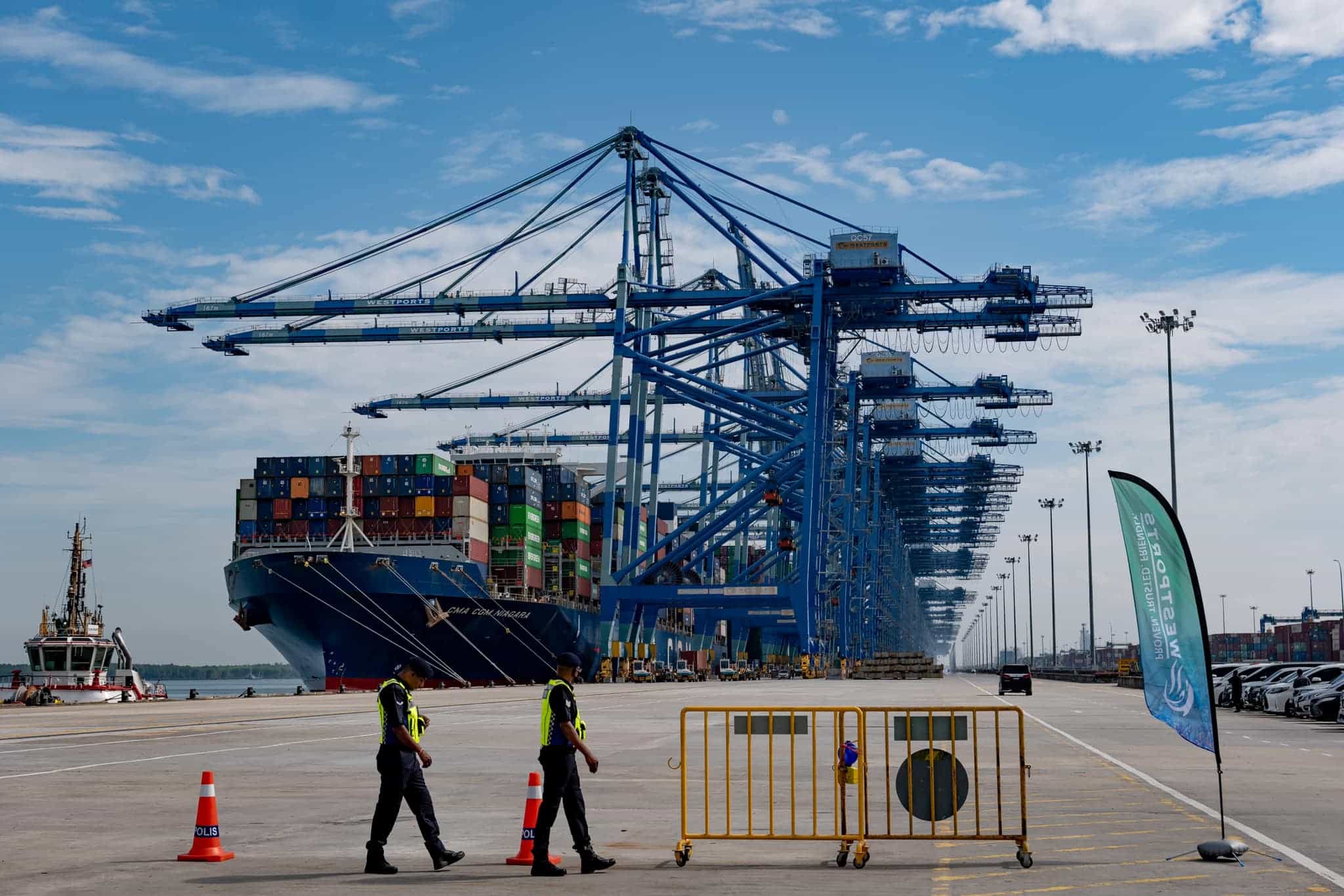
SHAH ALAM, April 21 — Selangor approved 4,569 investment projects worth RM185.04 billion between 2024 and 2025, reflecting strong investor confidence in the state’s economic ecosystem and its ability to generate jobs and support local businesses.
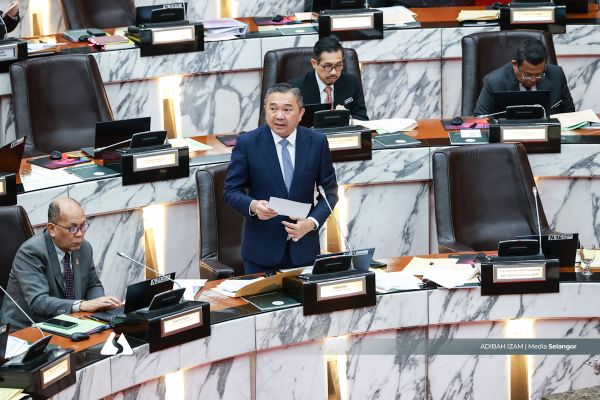
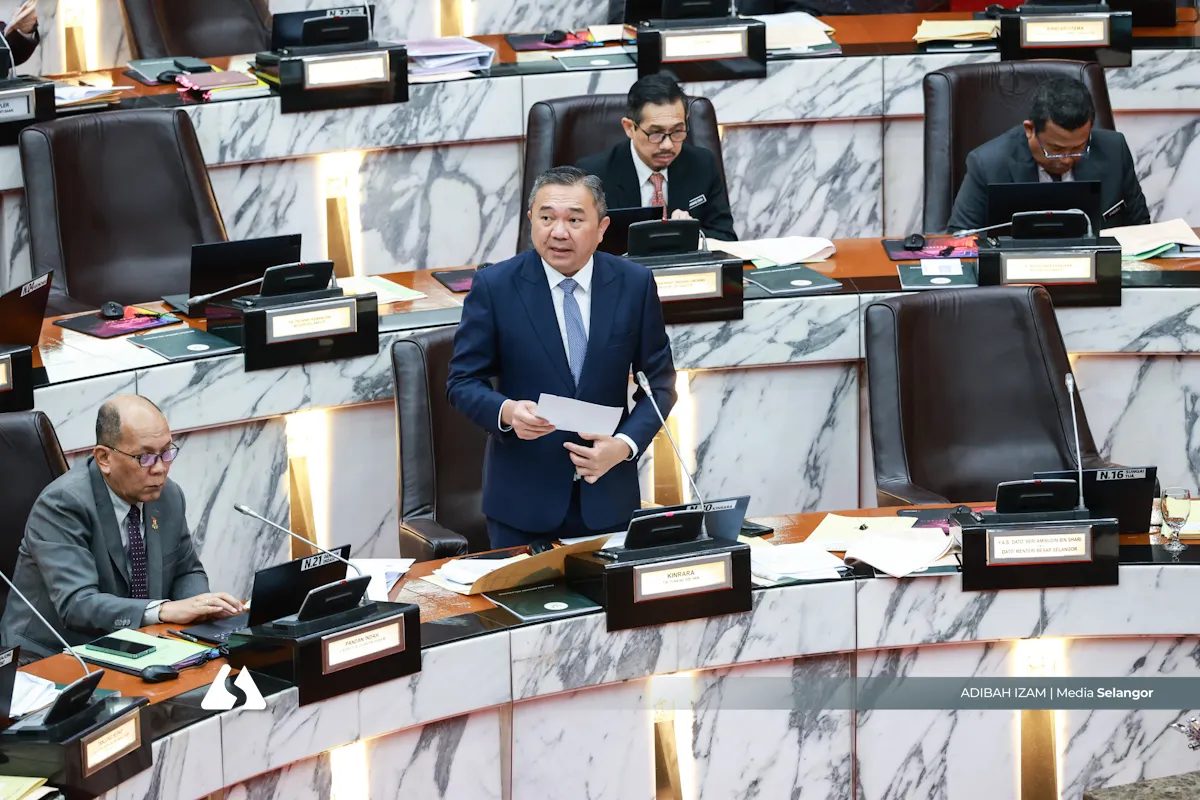
State executive councillor for investment, trade, and mobility Ng Sze Han said the projects involved various sectors, including primary, services, and manufacturing.
“Of the total, RM124.09 billion comprised domestic investments, while RM60.96 billion was foreign investments,” he said during the State Legislative Assembly today.
Ng was responding to Pandamaran state assemblyman Tony Leong Tuck Chee’s question on the total investments recorded in Selangor from 2024 to 2025.
In response to a separate question from Sentosa state assemblyman Gunarajah George, he said they continue to implement various initiatives to attract new investments while strengthening opportunities for small and medium enterprises (SMEs) and local workers, including in Bandar Sentosa, Klang.
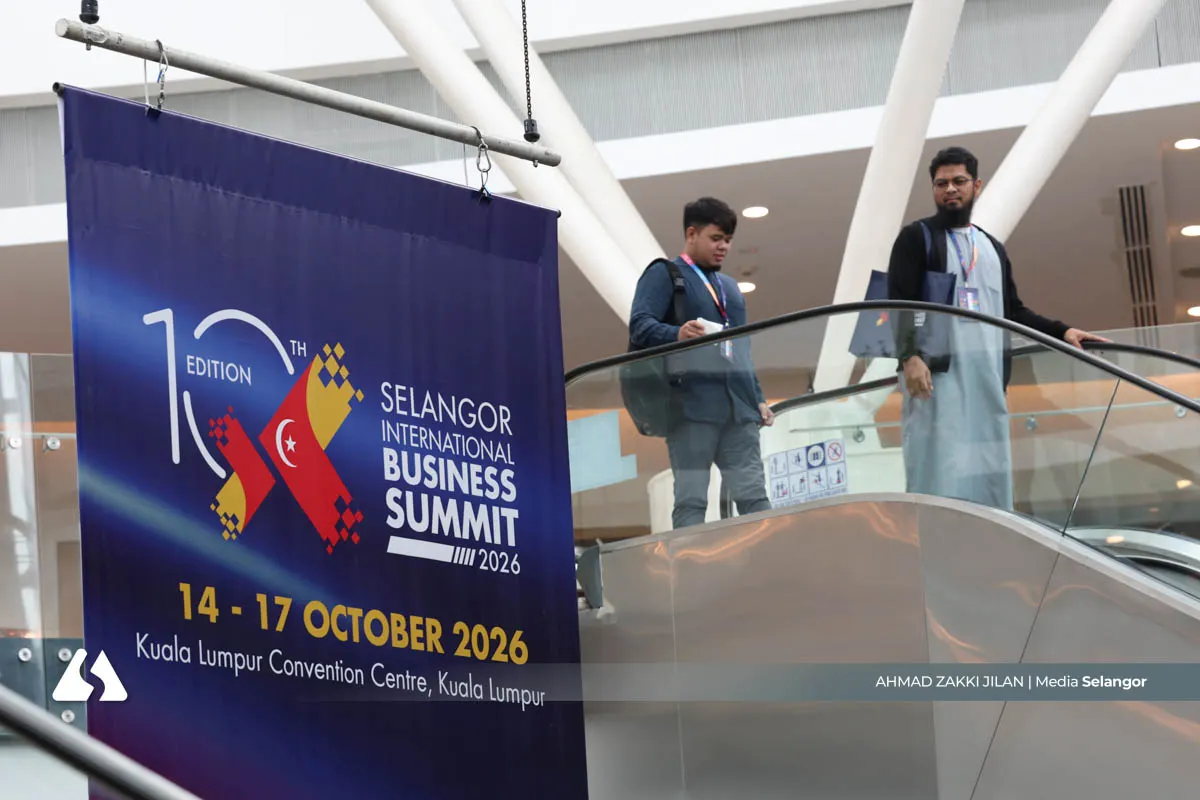
“Among the initiatives are overseas investment promotion missions, the organisation of the Selangor International Business Summit, and the Selangor Soft Landing Programme,” Ng said.
Invest Selangor Bhd has also introduced a new initiative this year, called Local Business Connect (LBC), aimed at linking SMEs, multinational corporations, and local talent in specific areas.
The first LBC programme was successfully held in the Batu Tiga state constituency, involving 74 companies, comprising 46 local entrepreneurs and six foreign investors.
“The state government, through Invest Selangor, welcomes assembly members who are interested in collaborating via the Local Business Connect programme to strengthen SMEs in their areas while creating higher-value job opportunities for local communities,” he said.
Meanwhile, areas such as Bandar Sentosa have strong potential to support industrial expansion due to population growth and workforce availability.
“Bandar Sentosa has recorded steady growth over the past decade, with its population increasing from 132,500 in 2017 to 141,300 in 2020, representing a 6.64 per cent rise, before climbing another 11 per cent to 157,300 people,” Ng said.