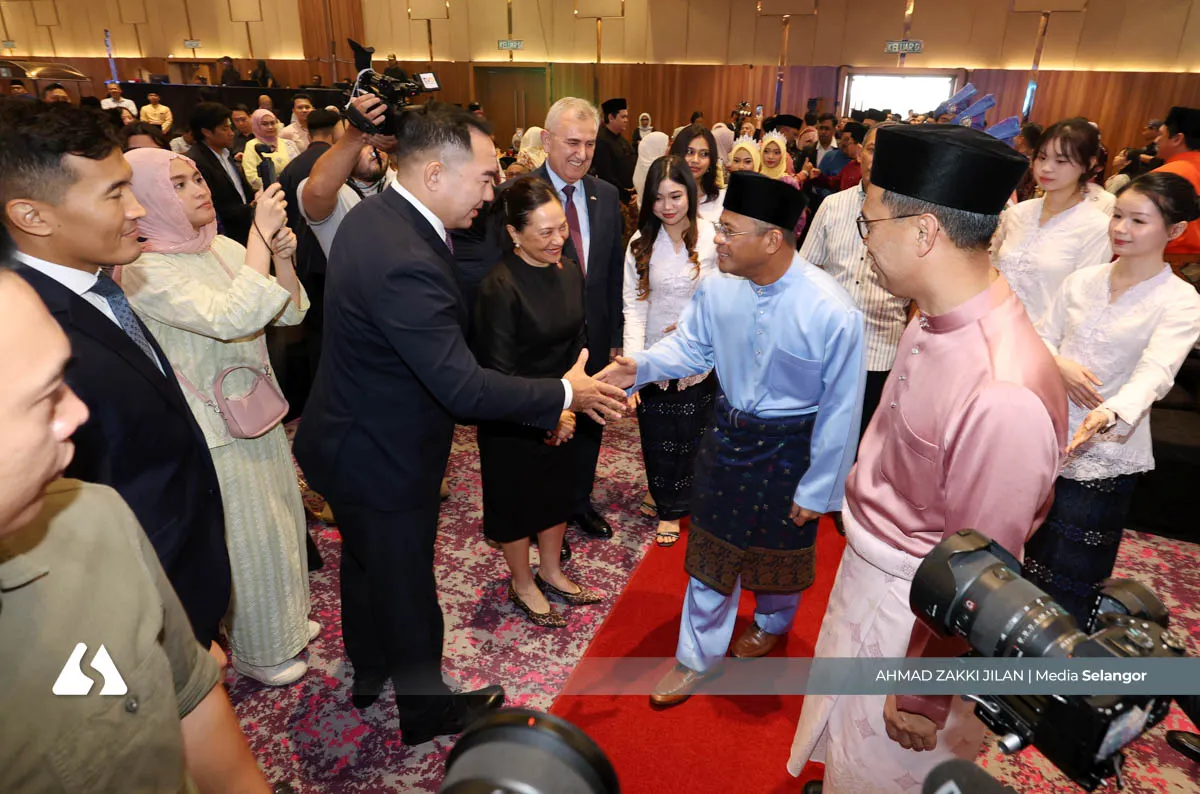
SHAH ALAM, April 22 — Selangor and the country as a whole continue to be regarded as stable and attractive investment destinations despite global uncertainties stemming from the conflict in West Asia, according to foreign ambassadors to Malaysia.
They highlighted strong economic fundamentals, policy stability, and investor-friendly ecosystems as the main reasons for sustained confidence in the state and the country.
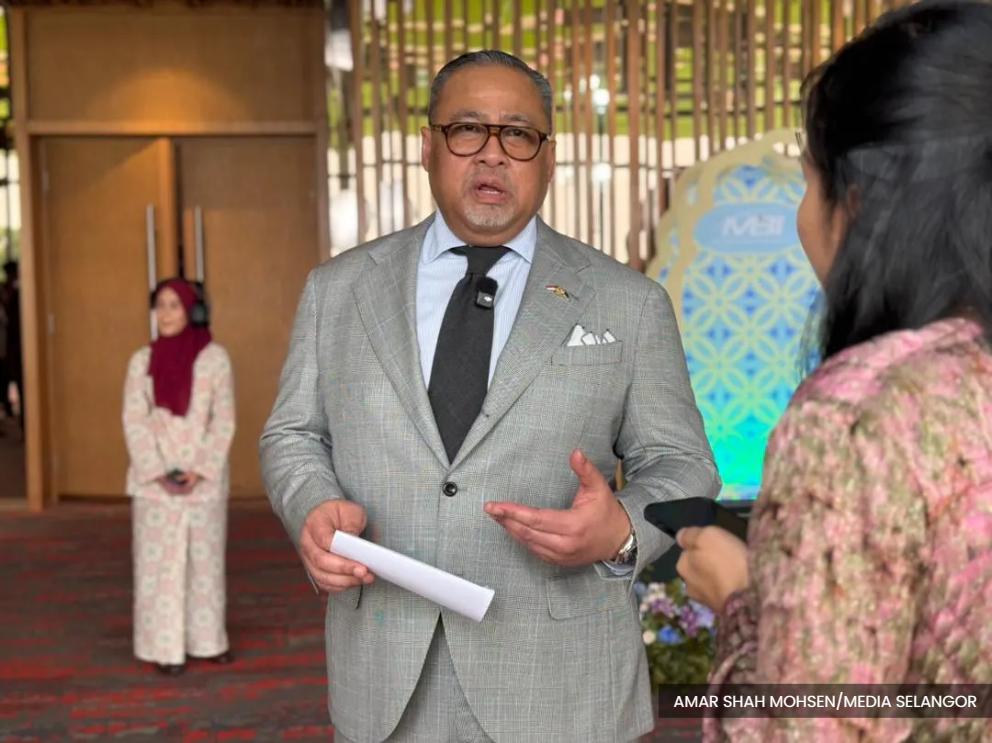
Indonesian Ambassador to Malaysia Raden Dato’ Mohammad Iman Hascarya said that amid global uncertainty, the country remains a stable investment destination, with Selangor in particular offering investor-friendly regulations, strong connectivity, and well-developed ports, distribution centres, and business hubs.
“Malaysia has been very stable, with strong economic fundamentals and sound fiscal policies,” he said, adding that Selangor remains an attractive destination for Indonesian investors.
Relations between the two countries, and especially with Selangor, are long-standing, well-established and very mature, with both nations also sharing strong cultural and people-to-people ties.
These form a solid foundation that continues to support mutual investment flows.
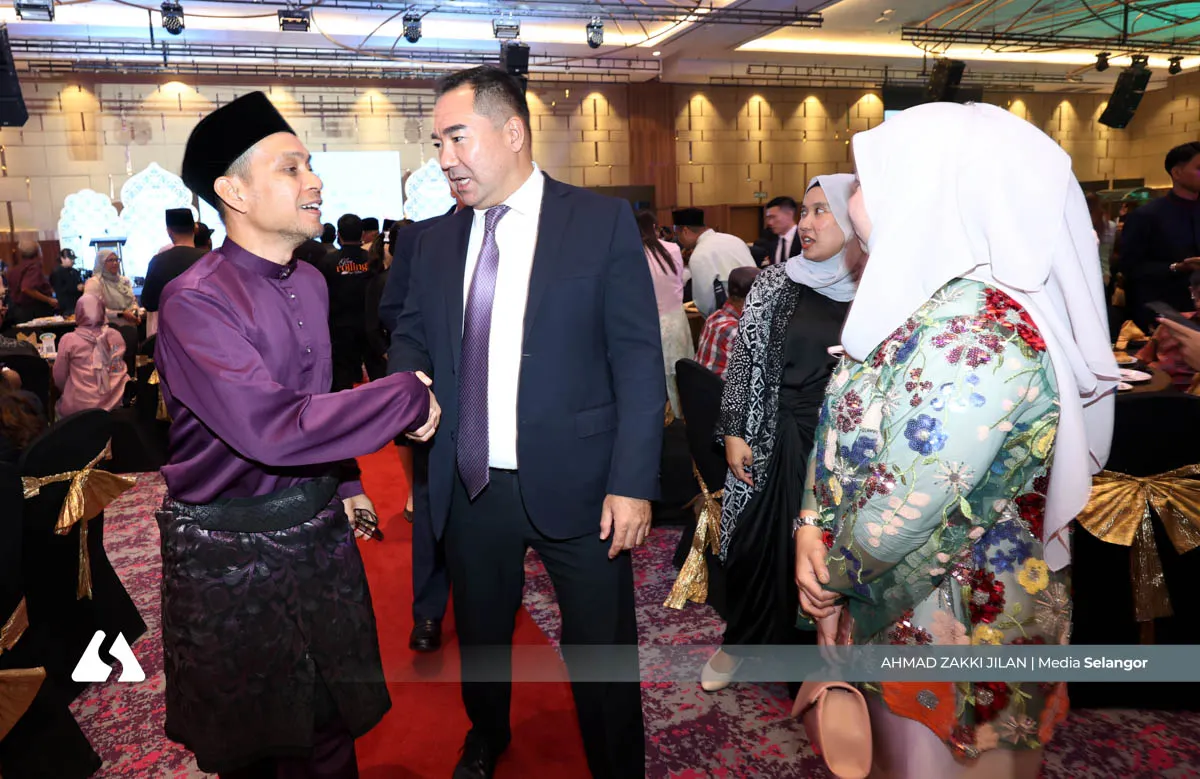
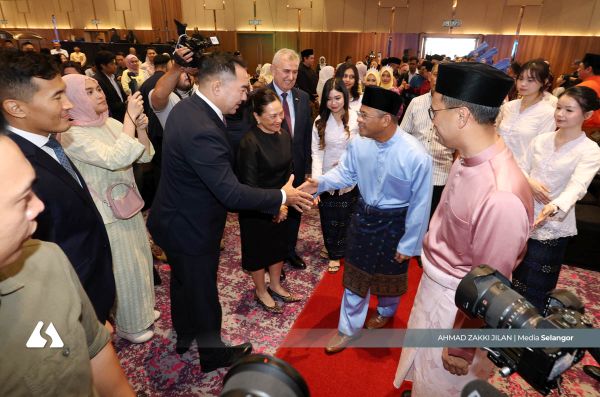
“It is very promising for Selangor to invest in Indonesia and likewise for Indonesia to invest (in Selangor). There are many areas of mutual interest that could work both ways,” he told Media Selangor during the Tautan Muhibah event organised by Menteri Besar Selangor (Incorporation), or MBI, on Monday.
Future economic cooperation between Indonesia and Malaysia is expected to be broad-based and multi-sectoral, covering areas like the creative economy, energy, green economy, tourism, education, and healthcare.
He noted that Indonesia’s ongoing urban development plans, including the construction of new cities, also present additional opportunities for collaboration.
Selangor very sustainable
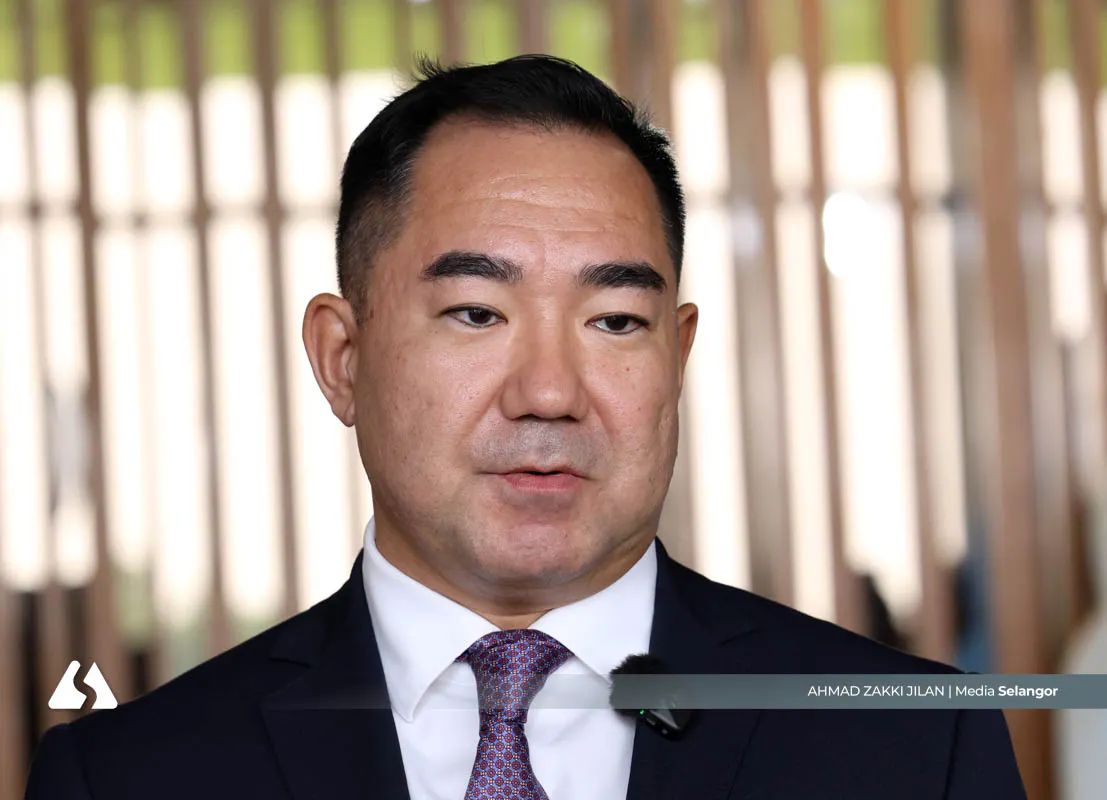
Meanwhile, Kazakhstan’s Ambassador Bulat Sugurbayev described Selangor as central to Malaysia’s economy, and views the state as a long-term partner.
“We see it as the biggest powerhouse of the Malaysian economy. Selangor is a very sustainable economic area for us.
“It does not depend on external geopolitical situations. The policies here, same as in Kazakhstan, are very stable,” he told Media Selangor.
Sugurbayev also highlighted growing bilateral engagement between Malaysia and Kazakhstan, saying that economic ties between the two countries have strengthened significantly over the years.
Direct connectivity, including flights between Kuala Lumpur International Airport and Almaty, has supported growing trade, with bilateral trade doubling from US$120 million (RM474.4 million) to US$220 million (RM869.7 million) in 2025.
High-level visits, including an official trip by Prime Minister Datuk Seri Anwar Ibrahim to Kazakhstan in 2024, as well as engagements by Selangor representatives, have given a new momentum to bilateral trade and economic relations.
Attractive destination
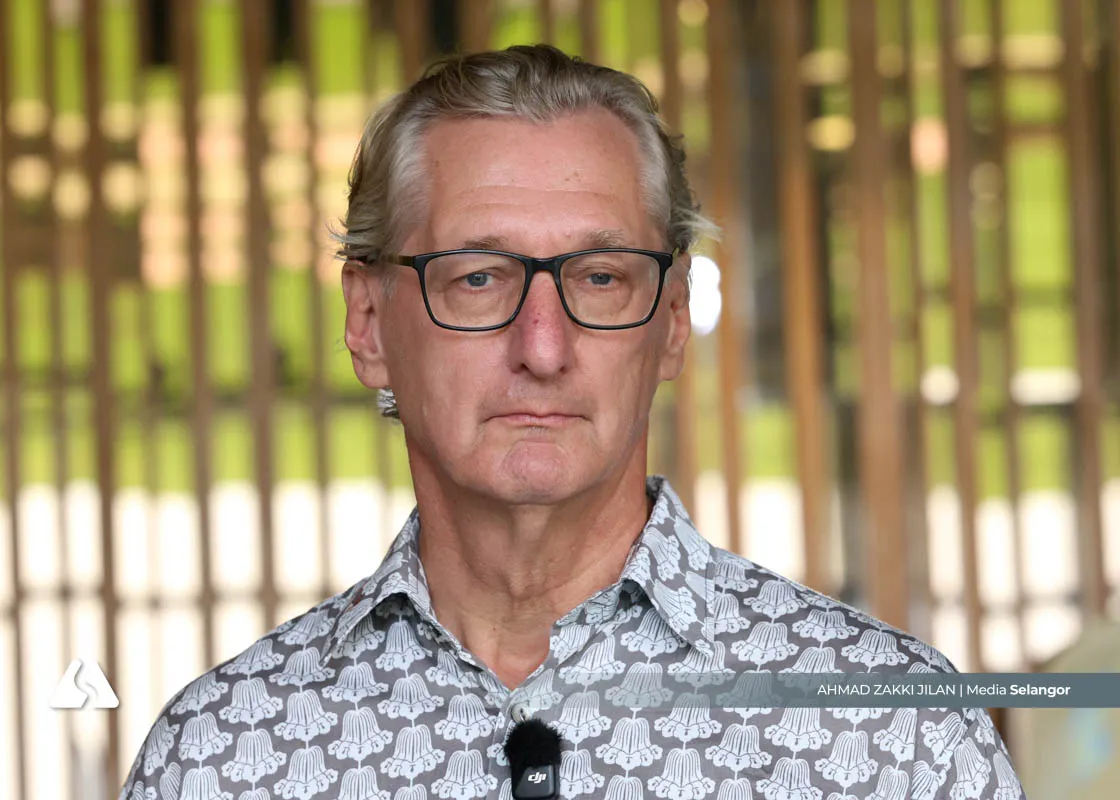
Similarly, the Netherlands’ Ambassador to Malaysia Jacques Werner said Malaysia, and in particular Selangor, is gaining importance as a regional investment hub, especially in advanced manufacturing.
“I must say that Malaysia is really starting to stand out as a very interesting investment destination, driven by its English-speaking population and strong education levels.
“So, the appetite for Malaysia is increasing. And within Malaysia, Selangor is actually doing very well,” he said, adding that Selangor is already attracting many Dutch investors, including firms involved in advanced manufacturing.
Commenting on the global risks and challenges amid the geopolitical conflict in West Asia, Werner said Malaysia remains a strong and stable investment destination, highlighting its economic and political stability as well as its role as an oil-producing country.
The country’s rule of law and governance framework are also key factors supporting long-term reliability, with growing cooperation between Malaysia and the European Union.
“I think Malaysia holds very strong prospects to be a reliable partner for the future. We need each other on the opposite sides of the world more than ever, especially given the crisis in the Middle East and the uncertainty coming from the United States,” he said.