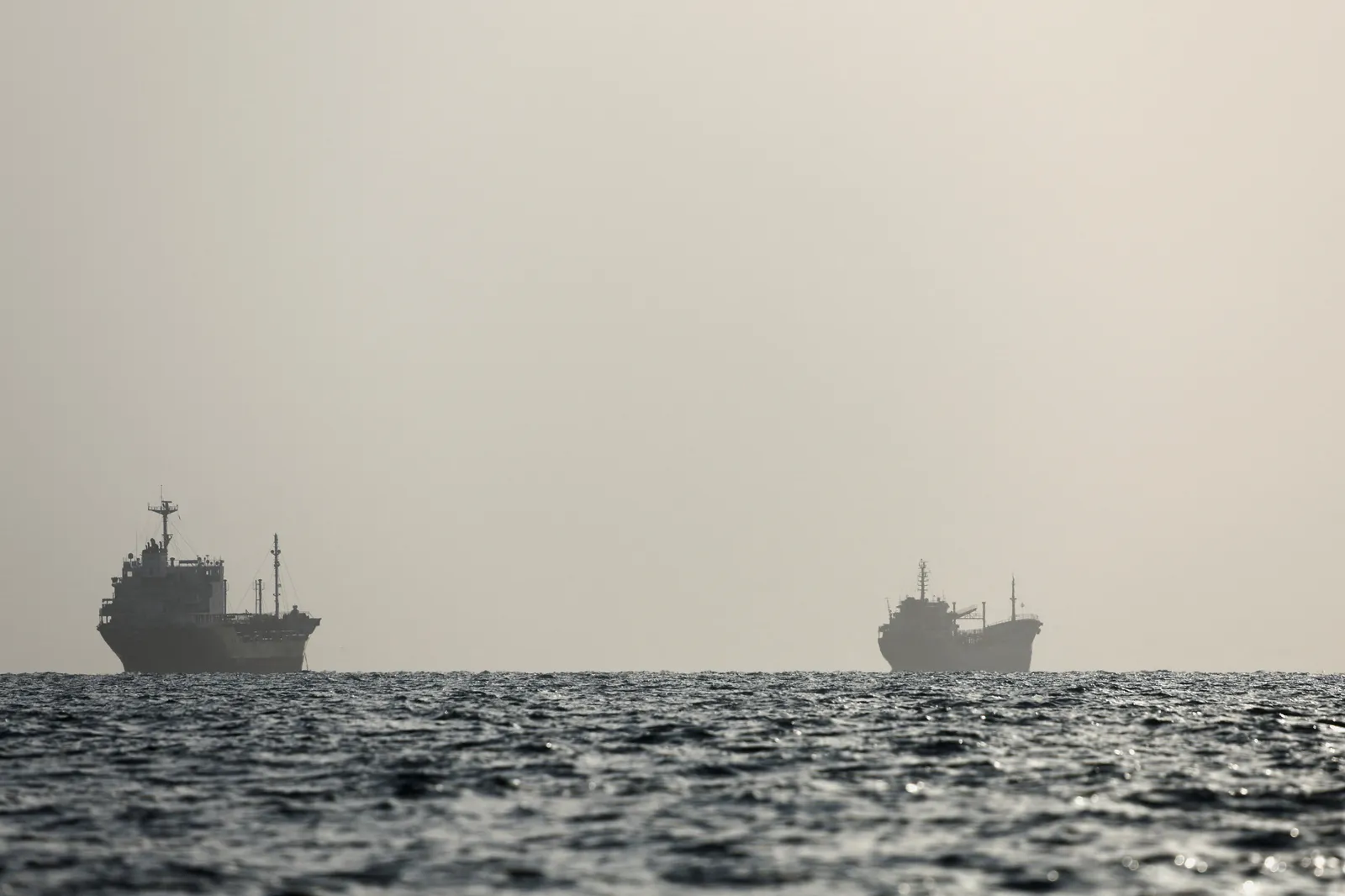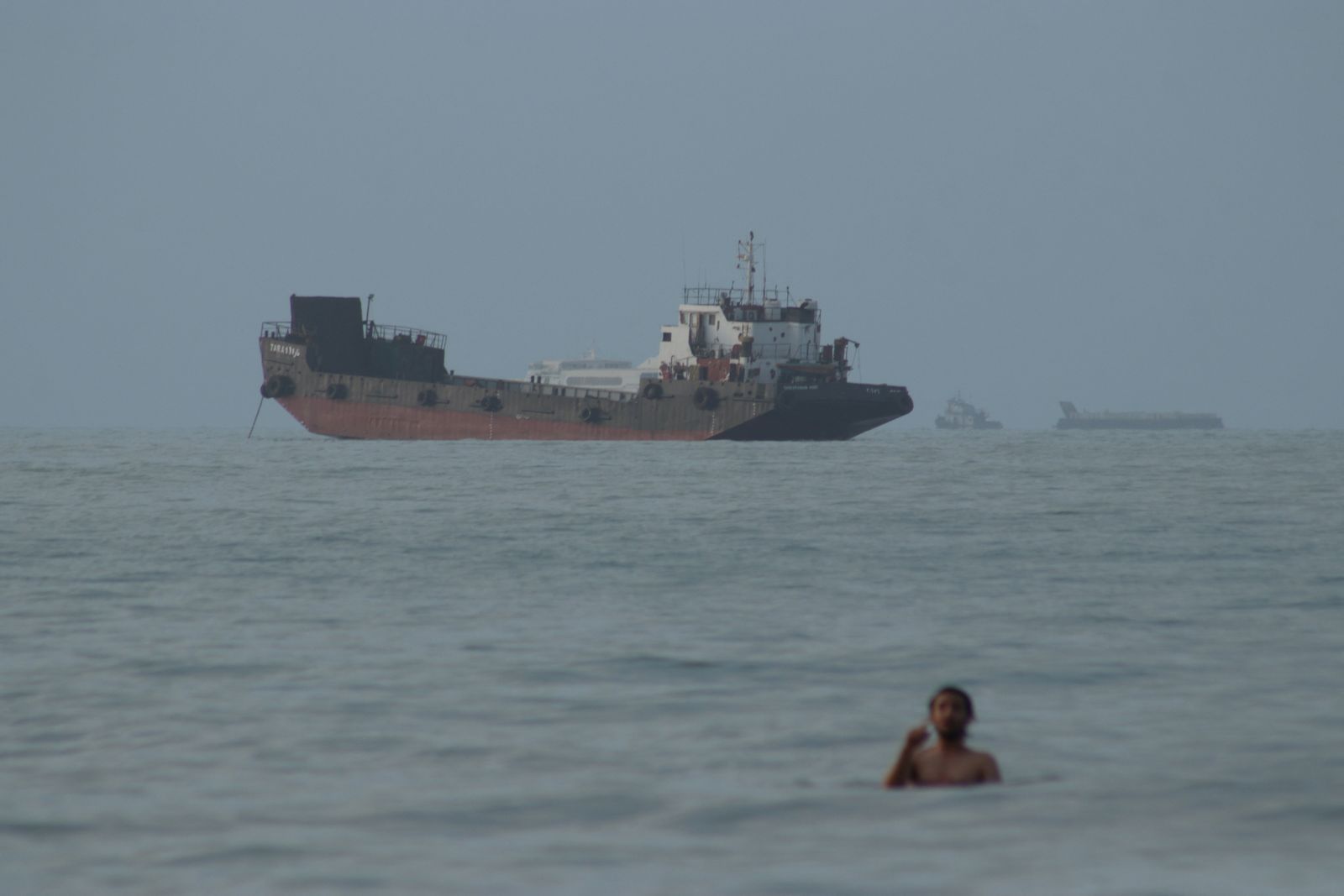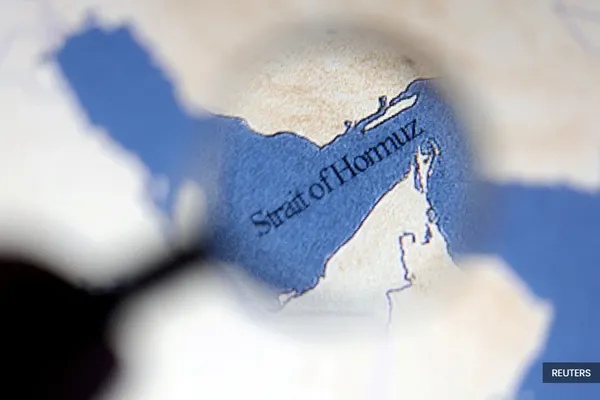
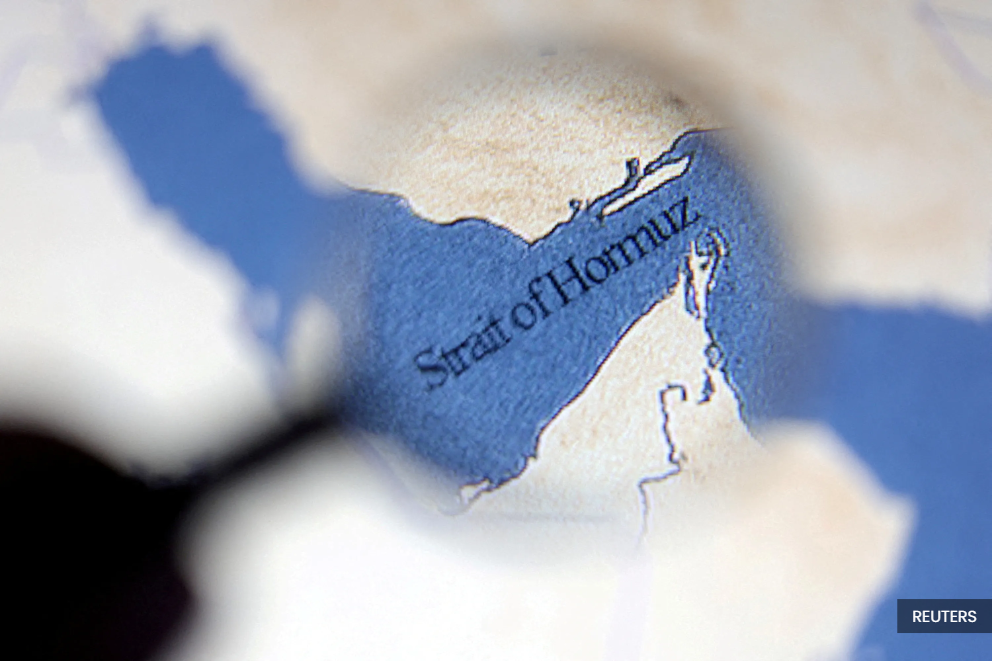
WASHINGTON/ISLAMABAD, April 18 — A convoy of eight tankers was transiting the Strait of Hormuz on Saturday in the first major movement of ships since the United States (US)-Israeli war on Iran began seven weeks ago, even as Tehran moved to tighten control of the waterway.
Iran said it was reimposing strict military controls on the vital route, the conduit before the war of about a fifth of global oil trade, stirring fresh uncertainty over whether such traffic would be allowed to continue through the waterway.
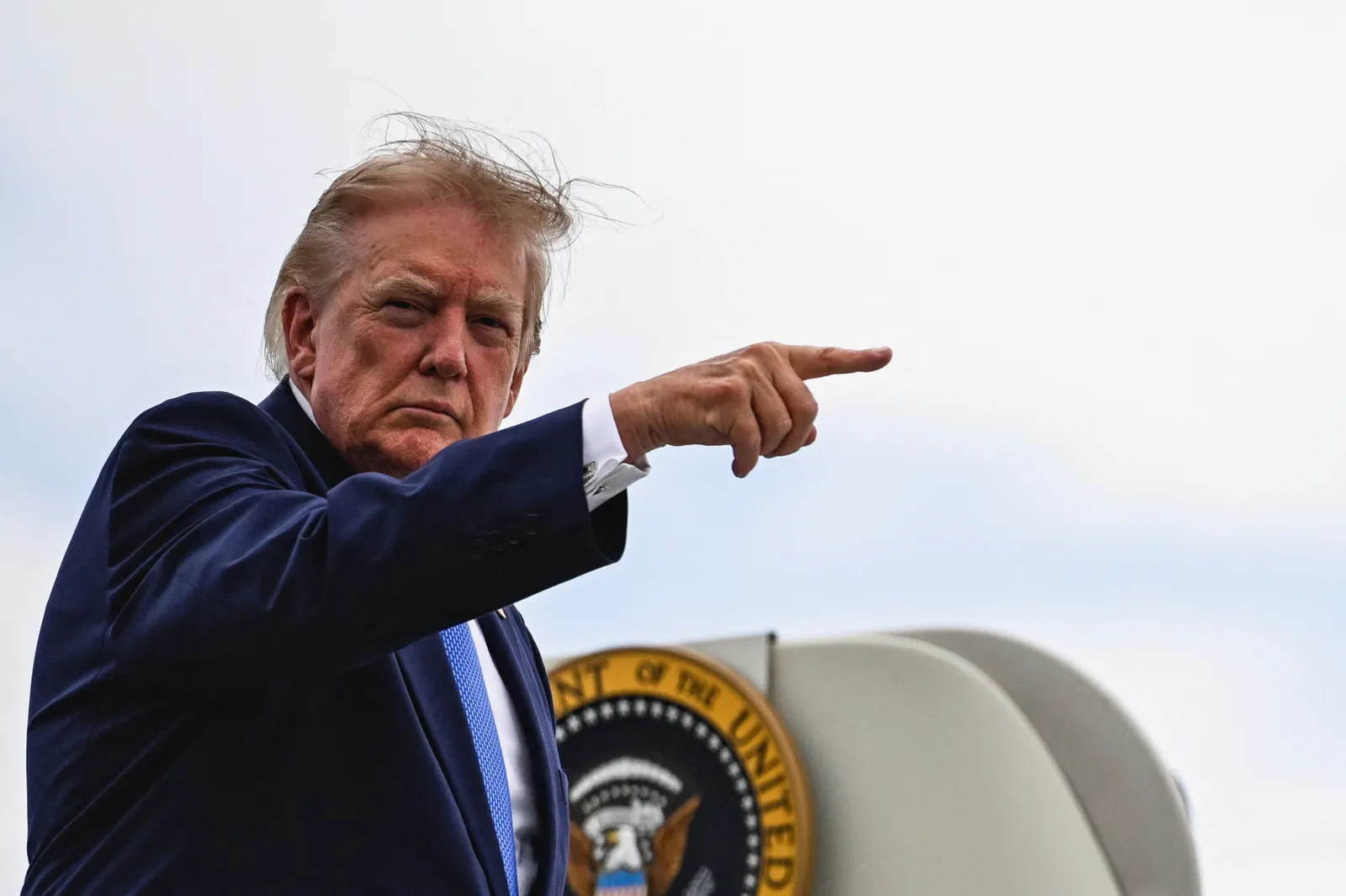
Hours earlier, US President Donald Trump had cited "some pretty good news" about Iran, declining to elaborate. But he also said fighting might resume without a peace deal by Wednesday, when a two-week ceasefire expires.
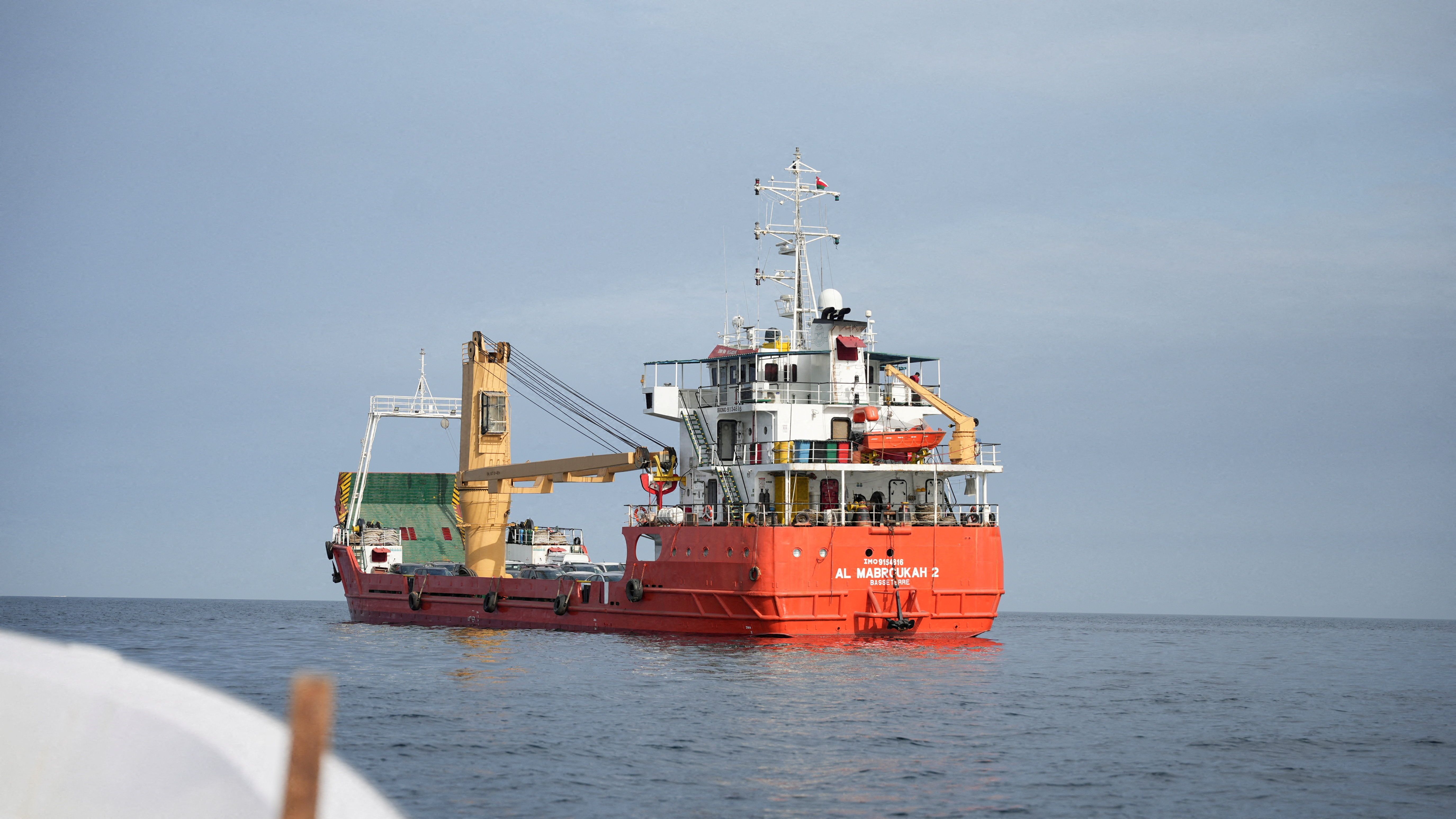
Tankers moving through Iranian waters
According to MarineTraffic data, a group of four liquefied petroleum gas carriers and several oil product and chemical tankers was passing through Iranian waters south of Larak Island with more tankers following from the Gulf.
Iran had announced its temporary reopening of the Strait of Hormuz following a separate US-brokered 10-day ceasefire agreement on Thursday between Israel and Lebanon.
But on Saturday, its Armed Forces Command said transit through the strait had reverted to a state of strict Iranian military control, citing what it described as repeated US violations and acts of “piracy” under the guise of a blockade.
The spokesman said Iran had earlier agreed, “in good faith,” to the managed passage of a limited number of oil tankers and commercial vessels following negotiations, but said continued US actions had forced Tehran to restore tighter controls on shipping through the strategic chokepoint.
There was no immediate comment from Washington.
Unclear if any direct talks this weekend
The war with Iran, which began on February 28 with a US-Israeli attack on the Islamic Republic, has killed thousands, spread to Israeli attacks in Lebanon, and sent oil prices surging because of the de facto closure of the strait.
Despite the initial movement of ships, prospects remained unclear on a resumption of high-level US-Iran talks or any agreement over Iran's nuclear ambitions, a key sticking point.
"It seems to be going very well in the Middle East with Iran. We ae negotiating over the weekend.
"I expect things to go well; many of these things have been negotiated and agreed to. The main thing is that Iran will not have a nuclear weapon.
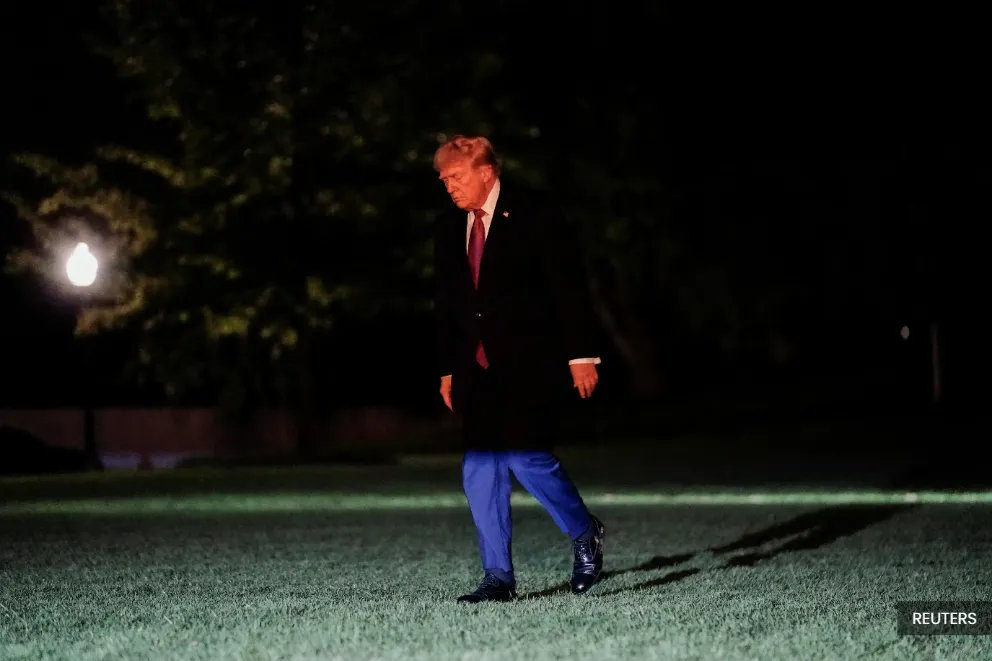
"You cannot let Iran have a nuclear weapon, and that supersedes everything else," Trump told reporters on Air Force One while returning to Washington from Phoenix, Arizona.
But in sharp contrast, the President said he might end the ceasefire with Iran unless a long-term deal to end the war was agreed before it expires on Wednesday, adding that a US blockade of Iranian ports would continue.
Pressure for a way out of the war has mounted as Trump’s fellow Republicans defend narrow majorities in Congress in the November midterm elections, with US gasoline prices high, inflation rising, and his own approval ratings down.
Trump told Reuters there would probably be more direct talks between Iran and the US this weekend. Some diplomats said that was unlikely given the logistics of gathering in Islamabad, where the talks are expected to take place.
There were no signs of preparations early on Saturday for talks in the Pakistani capital, where the highest-level US-Iran negotiations since the 1979 Islamic Revolution ended without agreement last weekend.
The key Pakistani mediator, Army Chief Field Marshal Asim Munir, has concluded three days of talks in Tehran, the Pakistani military said. Pakistani Prime Minister Shehbaz Sharif was also returning to Islamabad after talks this week in Qatar, Saudi Arabia, and Turkiye.
A Pakistani source aware of mediation efforts said a meeting between Iran and the US could produce an initial memorandum of understanding, followed by a comprehensive peace agreement within 60 days.
Among complicating factors, Iran's Parliament Speaker and senior negotiator Mohammad Baqer Qalibaf posted on social media that the Strait of Hormuz "will not remain open" if the US blockade continued.
Foreign Minister Abbas Araqchi also announced on social media that the strait was open for all commercial vessels for the remainder of the 10-day truce that was agreed on Thursday by Israel and Lebanon, which was invaded by Israel after the Iran-allied Hezbollah militant group joined the fighting.
No clarity on Iran's nuclear programme
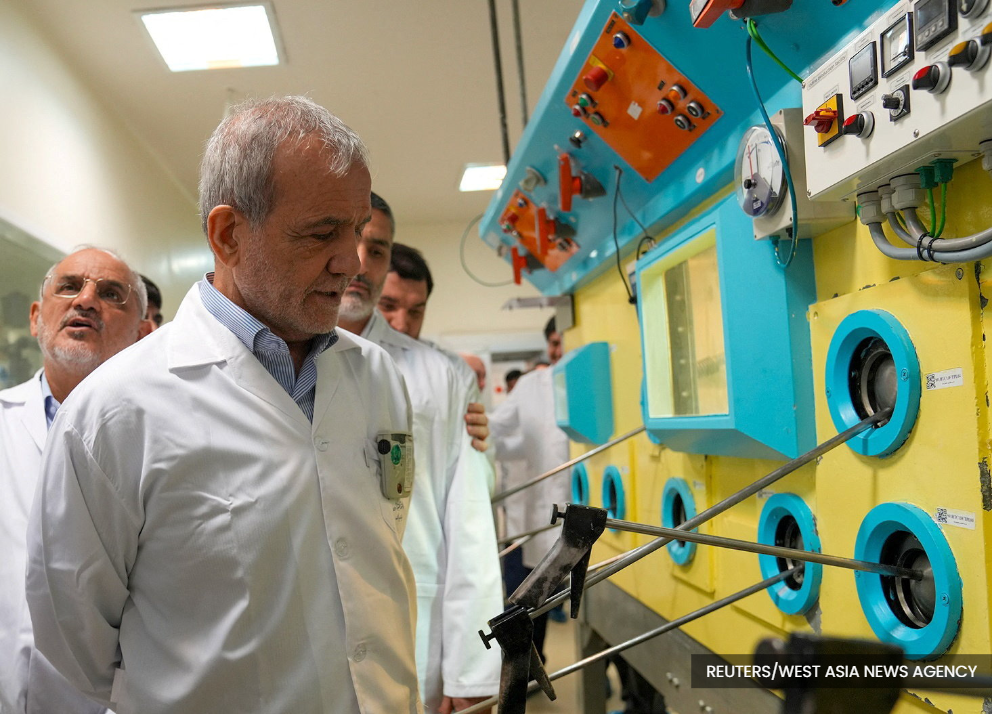
Differences remained over Tehran's nuclear programme, which has been a sticking point in peace talks, with Iran defending its right to what it says is a civilian nuclear energy programme.
Trump told Reuters that the US would remove Iran's stockpiles of enriched uranium. Iran's Foreign Ministry spokesman told state TV the material would not be transferred anywhere.
Separately, a senior Iranian official said Tehran hoped to reach a preliminary agreement in the coming days.
Oil prices fell about 10 per cent and global stocks jumped on Friday on the prospect of marine traffic resuming through the strait.
At last weekend's talks, the US proposed a 20-year suspension of all Iranian nuclear activity, while Iran suggested a halt of three to five years, according to people familiar with the proposals.
Two Iranian sources have said there were signs of a compromise that could remove part of the stockpile.