
SHAH ALAM, April 18 — Selangor’s newly announced stimulus package is set to boost confidence among businesses and investors, as the state looks to navigate economic uncertainties triggered by the West Asia conflict, said an economist.
Bank Muamalat Malaysia Bhd chief economist Mohd Afzanizam Abdul Rashid said the move reflects the state government’s proactive approach in managing its macroeconomic conditions despite factors beyond its control.
He described the stimulus package as a strategic response that signals the government’s awareness of emerging risks and its readiness to act.
“Selangor has been proactively managing its macroeconomy. The current economic shocks stemming from the war in Iran are beyond the state government’s control.
“It (stimulus package) is a strategic move as it will instil confidence among businesses and investors that the state government is acknowledging the problem and reacting accordingly,” Afzanizam told Media Selangor recently.
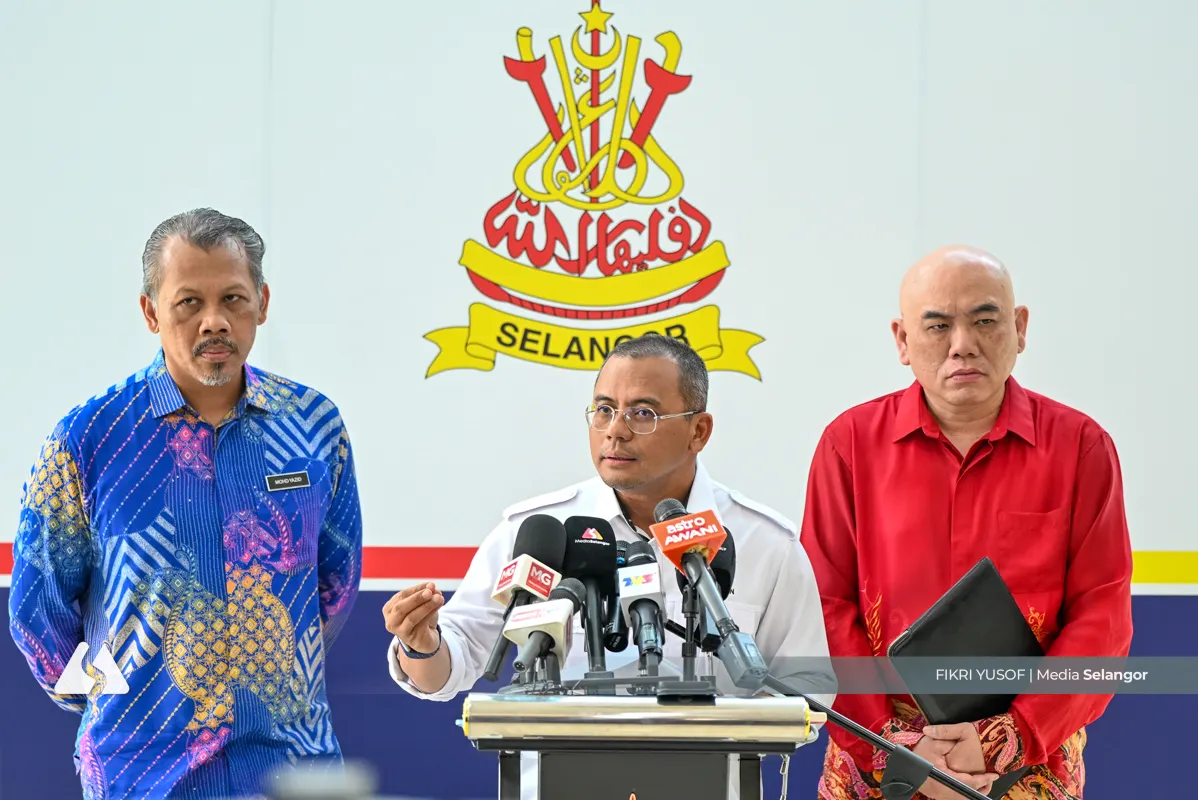
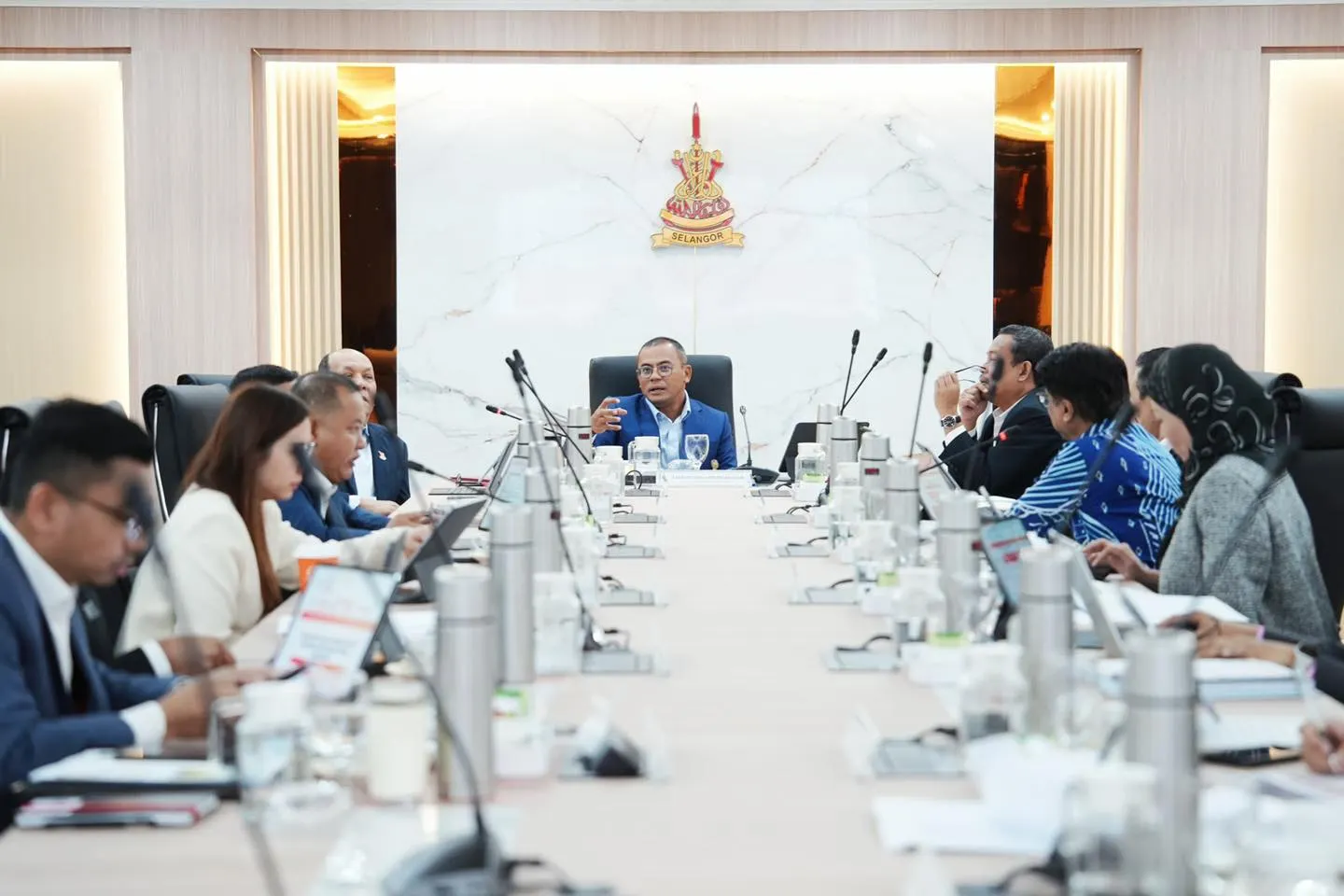
On Thursday (April 16), Menteri Besar Dato’ Seri Amirudin Shari announced a RM131 million stimulus package, dubbed the Selangor Resilience Enhancement Package (Pakej Pengukuhan Daya Tahan Selangor) Phase One, aimed at strengthening the state’s economic resilience amid global uncertainties.
The package, which will be rolled out beginning in June, was formulated following a review of its annual budget and the implementation of several cost-saving measures.
Among other things, Selangor will provide RM100 in cash aid for six months to 50,000 residents through the Kita Sekangor Voucher initiative and launch a free breakfast programme in schools, with one school in each local authority receiving the assistance each day.

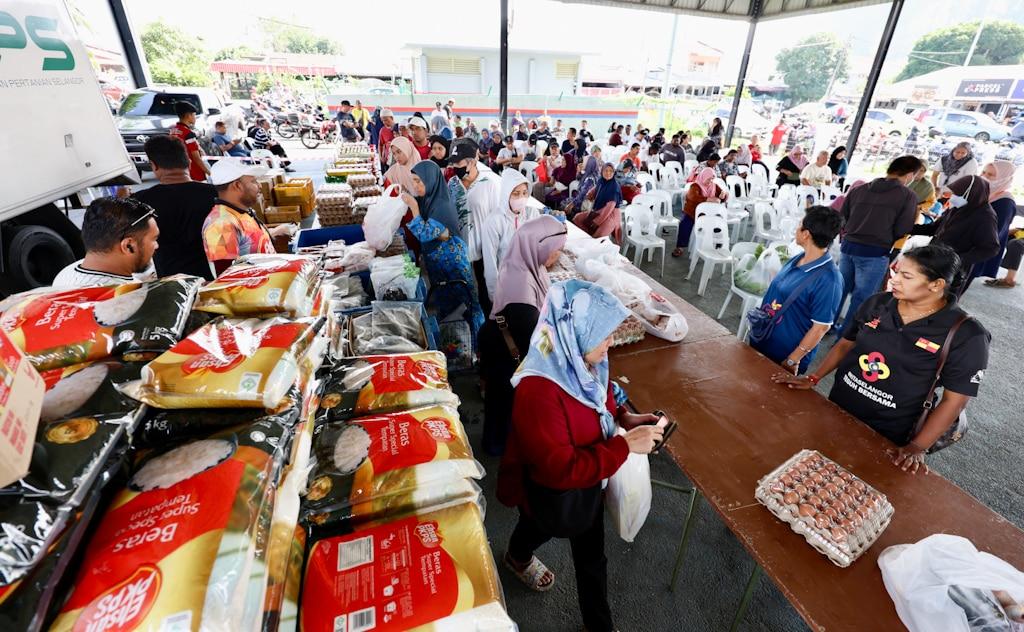
The stimulus package also includes an additional RM5 million allocated for the Jelajah Ehsan Rahmah (JER) programme, implemented through Selangor Agricultural Development Corporation, while RM50 million has been earmarked for the Selangor Food Warehouse.
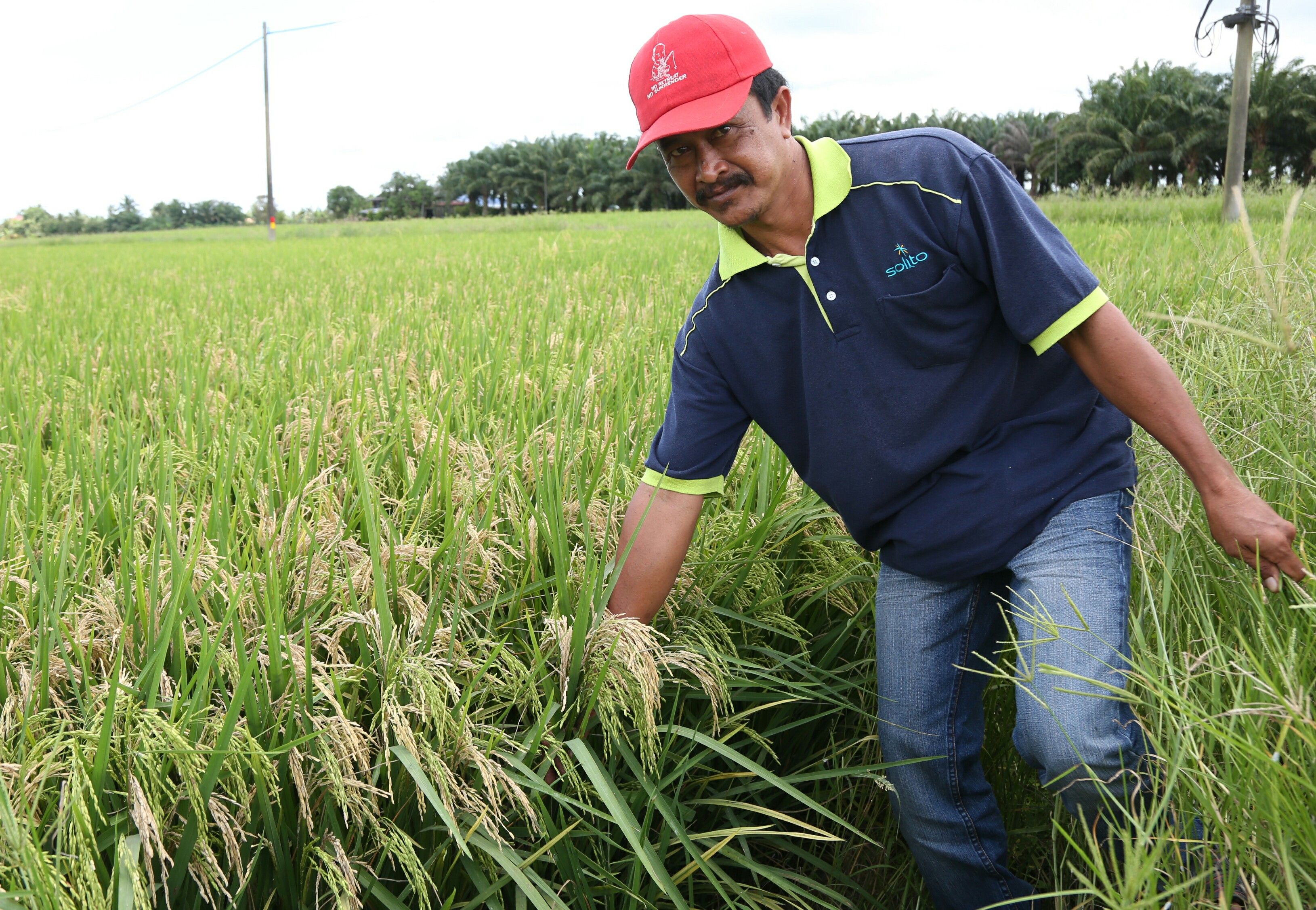
Additionally, RM25 million has been allocated to farmers, fishermen, livestock breeders, and aquaculture operators to help absorb rising costs and prevent increases in food prices, while RM6 million was set aside for micro and small businesses, especially in the retail sector, to be channelled through KoHIJRAH.
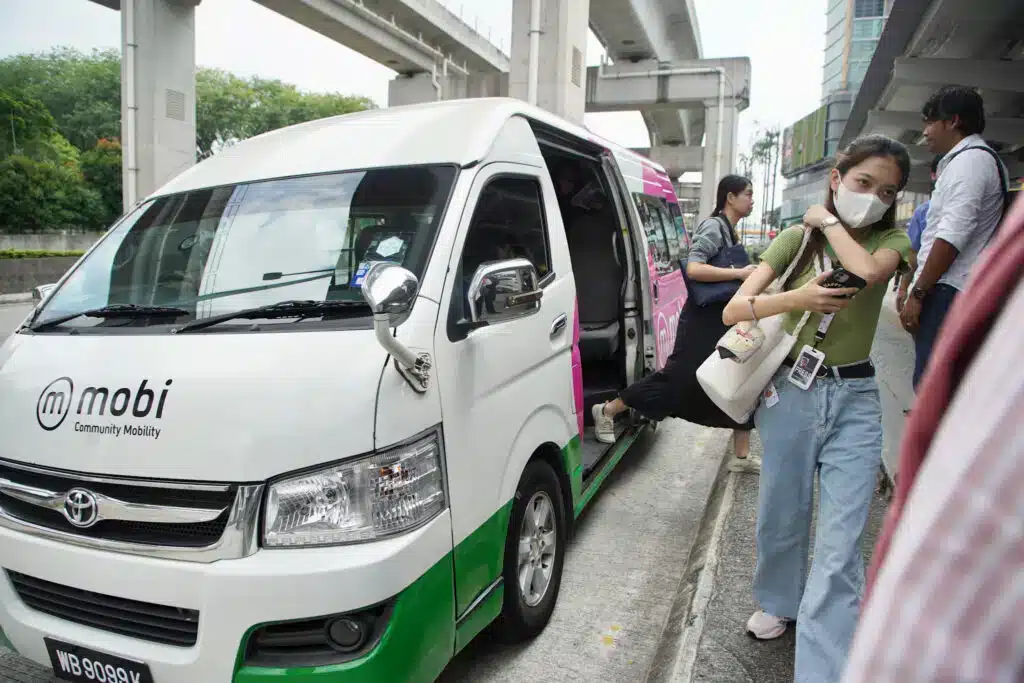
To promote public transport usage, he also announced that RM30 in monthly support for 50,000 residents over six months will be provided to offset commuting costs for demand-responsive transit vans, buses, and trains.
Meanwhile, Afzanizam said that in the current climate of global uncertainties, especially with external shocks stemming from the West Asia conflict, maintaining confidence among businesses and investors is vital, as it helps sustain economic activity and serves as a stabilising force against potential downturns.
“The next step is to ensure the financial assistance reaches the intended recipients in a timely manner. Communication and coordination among government agencies are the prerequisites for an effective rollout of fiscal stimulus,” he said.

Tougher times ahead?
Economist Prof Geoffrey Williams said Selangor’s assistance measures, which will be rolled out formally from June, signal that the state government may be anticipating more challenging economic conditions ahead.
“If the assistance starts in June, it is a bad sign because it signals that there is bad news coming later in the year. But at least, the Selangor government is preparing in advance,” he told Media Selangor.
Yet Williams noted that the measures may be limited in scale and could be viewed more as targeted financial assistance than as a full-fledged economic stimulus.
“The total value is 0.03 per cent of the state's GDP, so it does not provide much stimulus. It would be better described as a welfare programme than a stimulus package,” he said.
The overall scale of the measures also appears relatively modest, with their reach and impact across the whole population likely to be limited.
Williams added that while initiatives such as the RM100 aid for 50,000 households provide some support, the coverage remains limited relative to the state’s population.
Meanwhile, he said that allocations for initiatives such as JER are relatively small in value and may therefore offer only limited relief to households facing higher living costs.
Similarly, the RM30 public transport incentive could provide some relief, although it is unlikely to shift behaviour, particularly those currently using private vehicles.