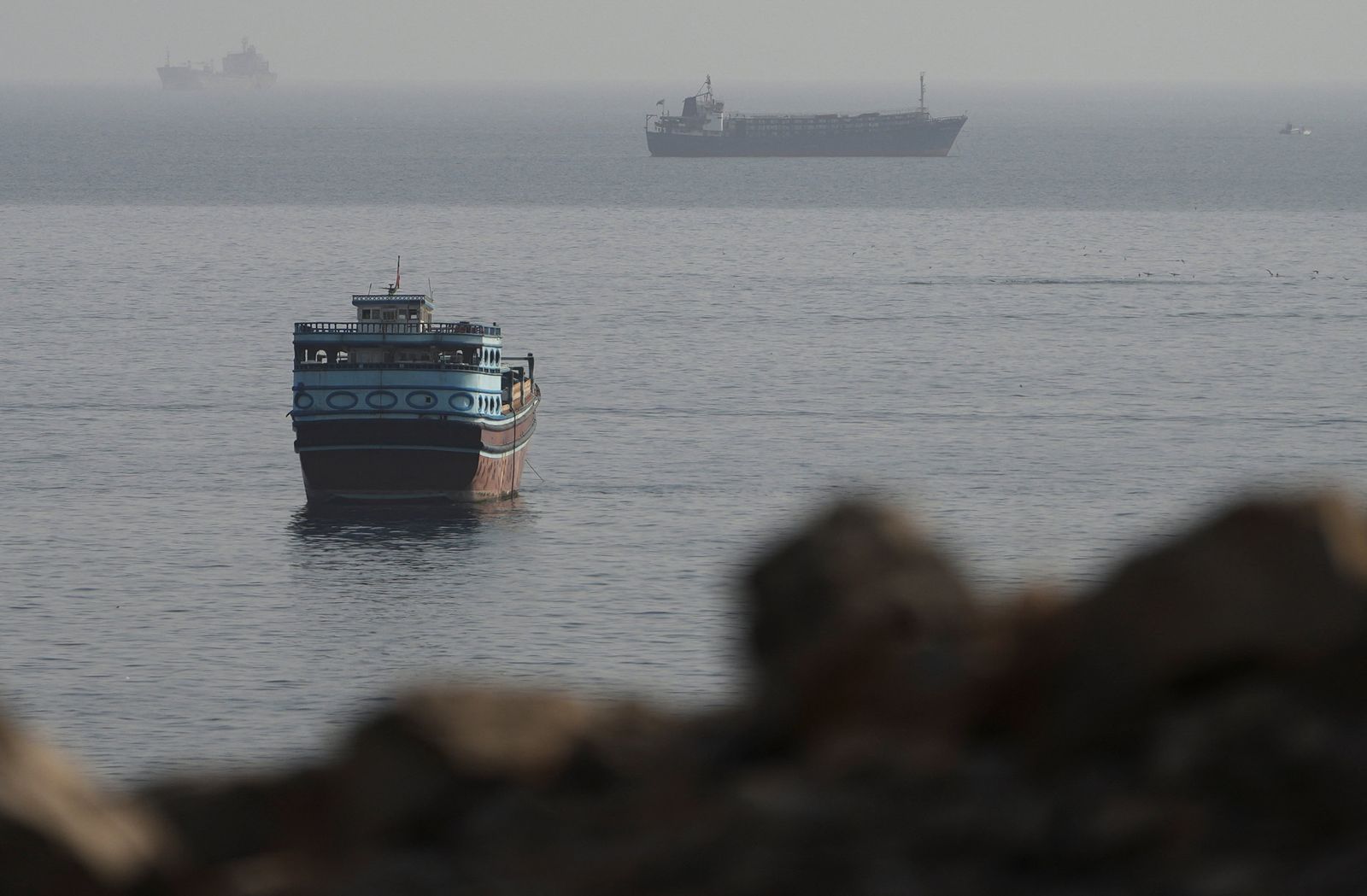
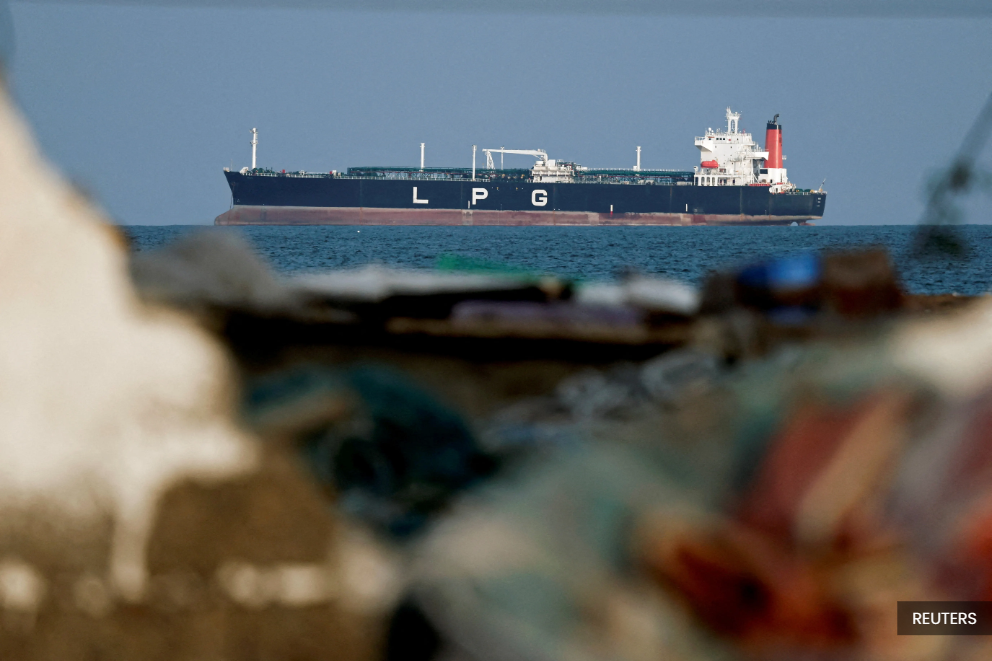

SHAH ALAM, April 17 — A Malaysian vessel carrying fuel from the Strait of Hormuz has arrived safely in the country, said Prime Minister Datuk Seri Anwar Ibrahim.
Another vessel is now approaching Malaysian waters, bringing the number of ships that have successfully navigated the strategic route to two.
However, he said that one of the seven vessels involved suffered a technical fault and was unable to depart from a port in the Strait of Hormuz.
At present, the government is also monitoring the movement of five other vessels that have yet to pass through the strait.
“One vessel has already arrived, another is nearly here and entering Malaysian waters, meaning there are two (vessels). As for the others, despite having passed, we are still monitoring them as developments unfold.
“In terms of approval, Iran has granted clearance for all seven of our vessels to pass through the Strait of Hormuz, but one (vessel) encountered damage and could not depart from the port.
“Due to the current situation, we are facing some minor difficulties,” he told the media after performing his Friday prayers at the Cyberjaya Fire and Rescue Station's surau today.
The narrow maritime route between the Persian Gulf and the Arabian Sea, a vital artery for the global oil trade, is now at risk of disruption following armed conflict involving Iran, the United States, and Israel.
For the record, nearly 20 per cent of the world’s crude oil trade passes through the Strait each day, and any disruption due to war could prevent large oil tankers from leaving major producing countries, including Saudi Arabia, Kuwait, and Iraq.
The International Maritime Organisation estimates that the ongoing West Asia conflict has left nearly 20,000 seafarers and around 2,000 vessels stranded in the Strait of Hormuz.
Evacuation efforts cannot be carried out simultaneously, as the narrow route — approximately 30km wide — requires careful coordination between countries and poses significant security risks.