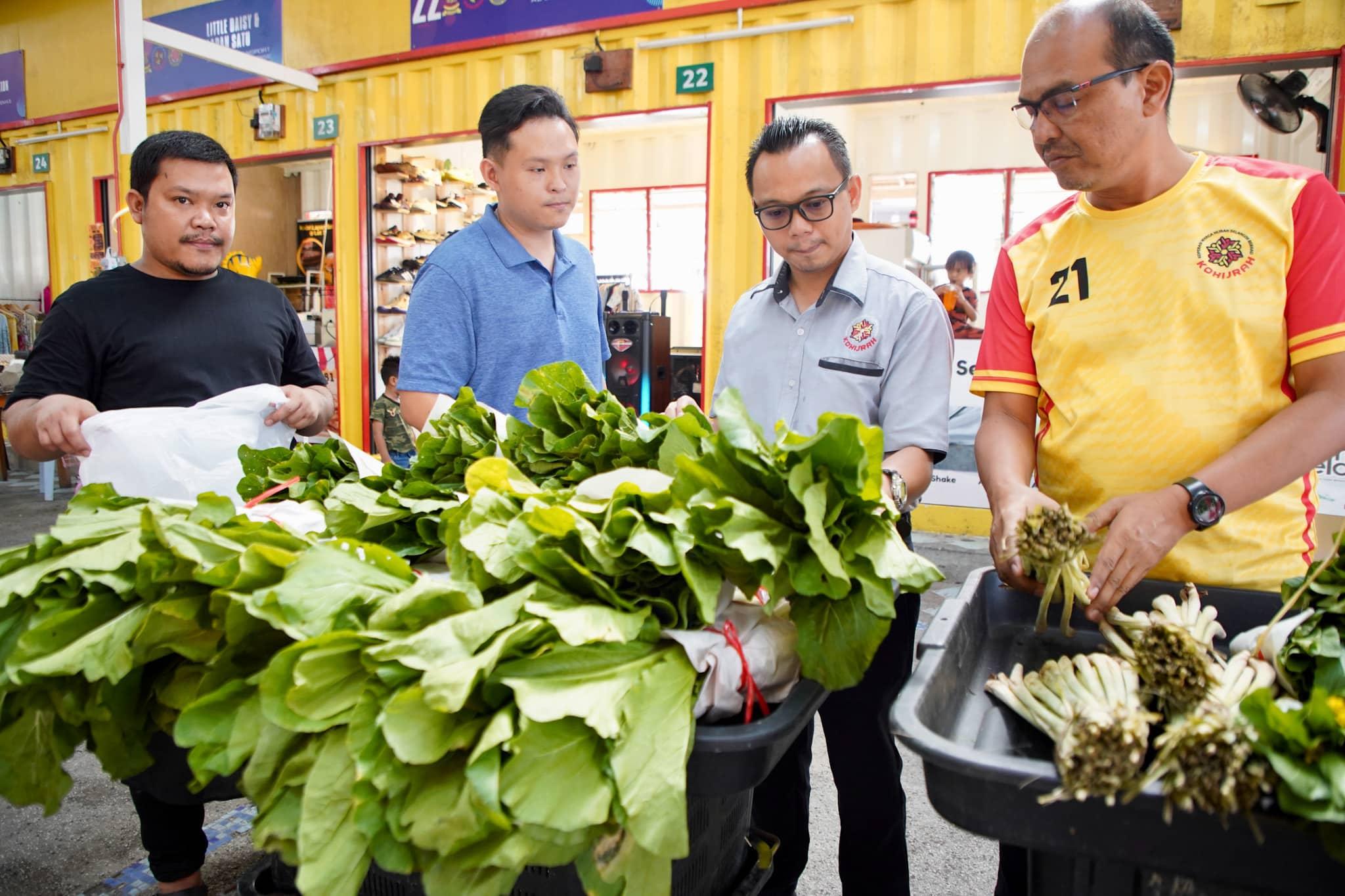
SHAH ALAM, Apr 17 — Koperasi Warga Hijrah (KoHijrah) Selangor has managed to maintain prices of essential goods despite rising operating costs, thanks to early planning implemented over the past two years.
Its general manager, Dato’ Dr Mohammad Syukri Ismail, said careful planning, including the implementation of a cluster-based business model, has been a key factor in controlling prices and ensuring sufficient supply.
“From the outset, we anticipated the possibility of an economic crisis and rising costs as seen today. Therefore, various plans were made early on.
“Through a cluster-based business approach, we structured the supply chain from producers directly to the corporate platform without involving middlemen,” he told Media Selangor.
He said although KoHijrah is facing cost increases of between 25 and 35 per cent, particularly in logistics and facilities, internal adjustments have helped cushion the impact on consumers.
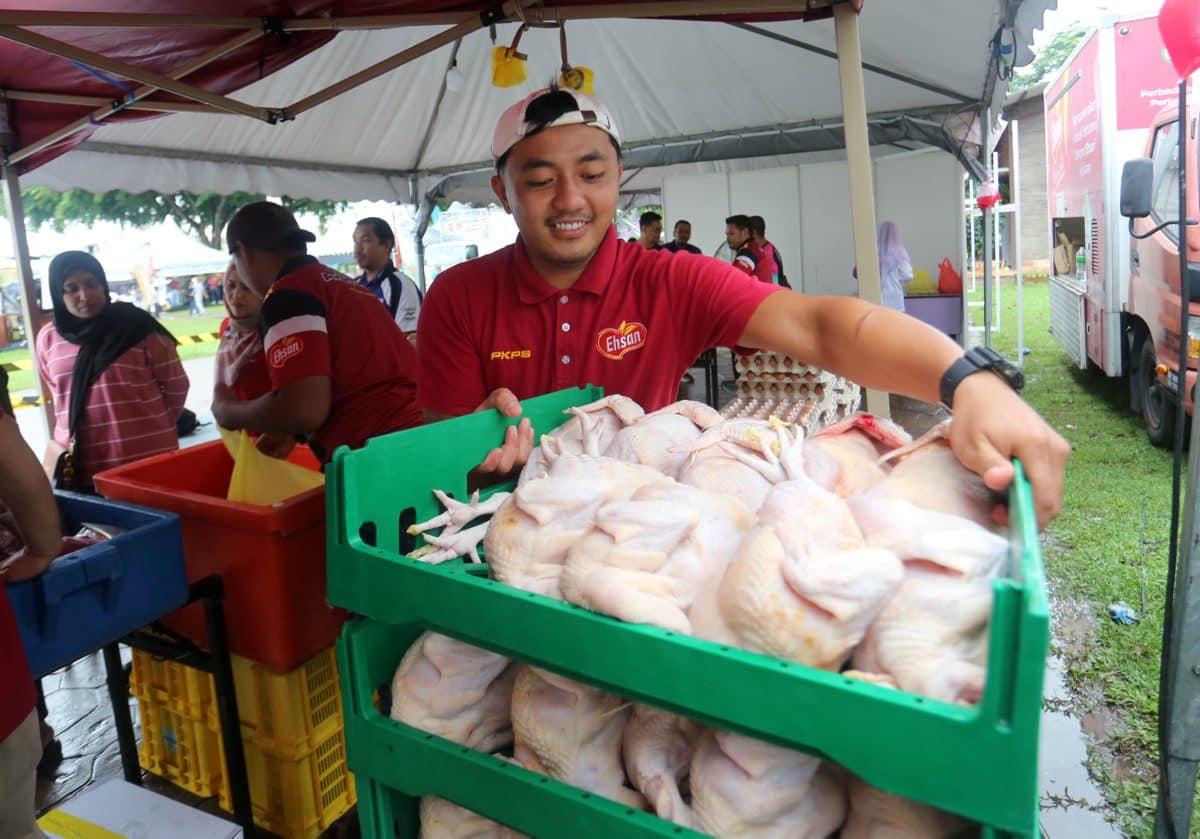
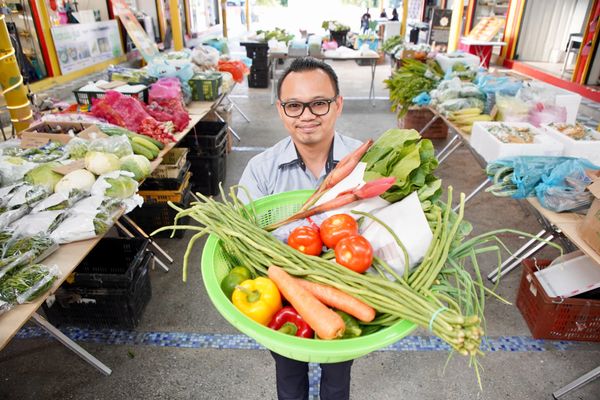
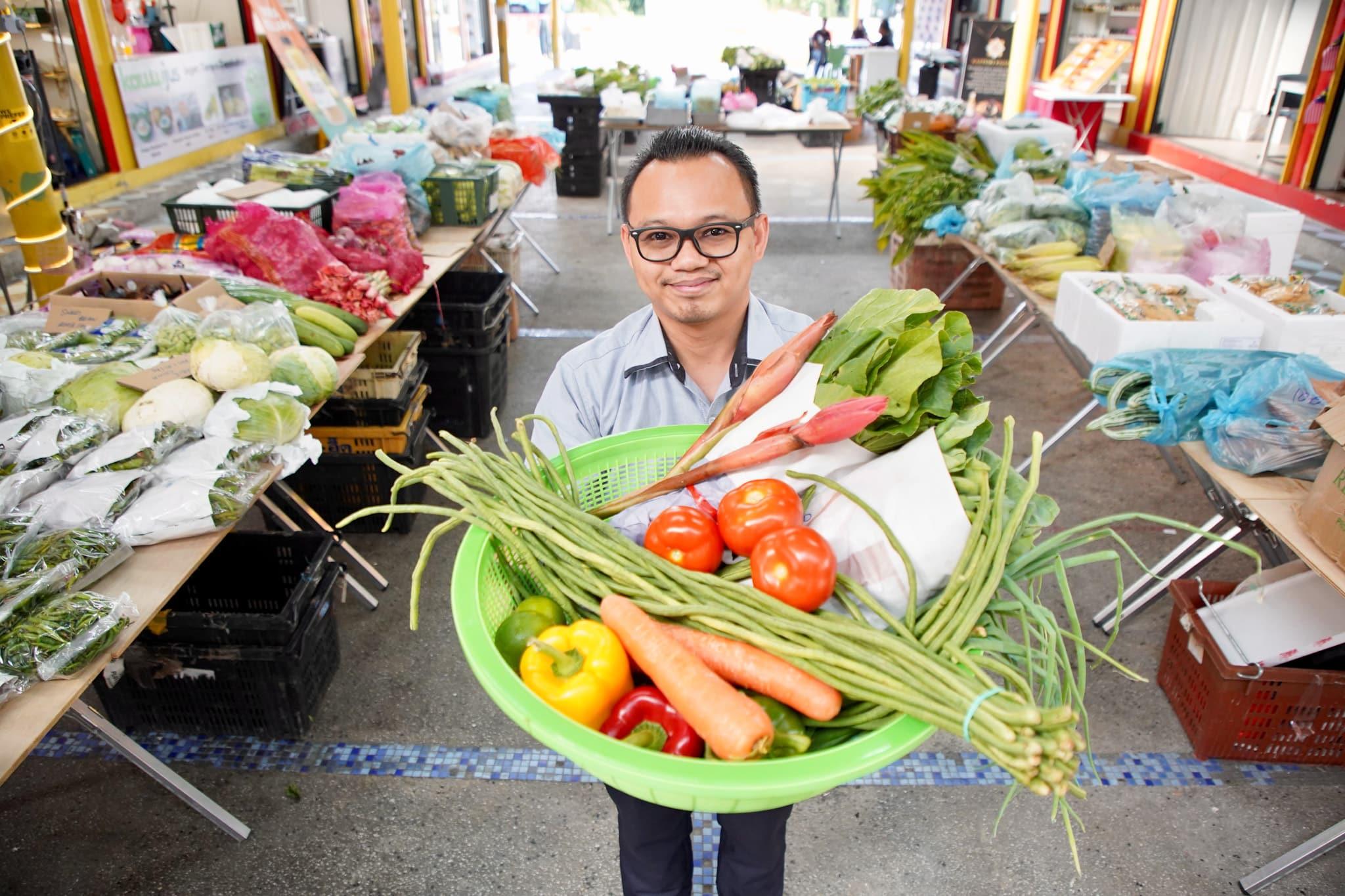
“Despite operational challenges, prices of essential goods such as rice, chicken, cooking oil and vegetables have been maintained at reasonable levels.
“This is because supplies are sourced directly from our own members involved in agriculture, livestock and fisheries,” he said.

According to him, the approach not only stabilises prices but also ensures consistent supply without major market disruptions.
“More than 10,000 of our members produce various products that are channelled directly to the KoHijrah platform.
“This allows us to control costs and avoid sudden price increases,” he explained.
At the same time, Mohammad Syukri said various initiatives are being continued to help the public obtain essential goods at lower prices compared to the current market.
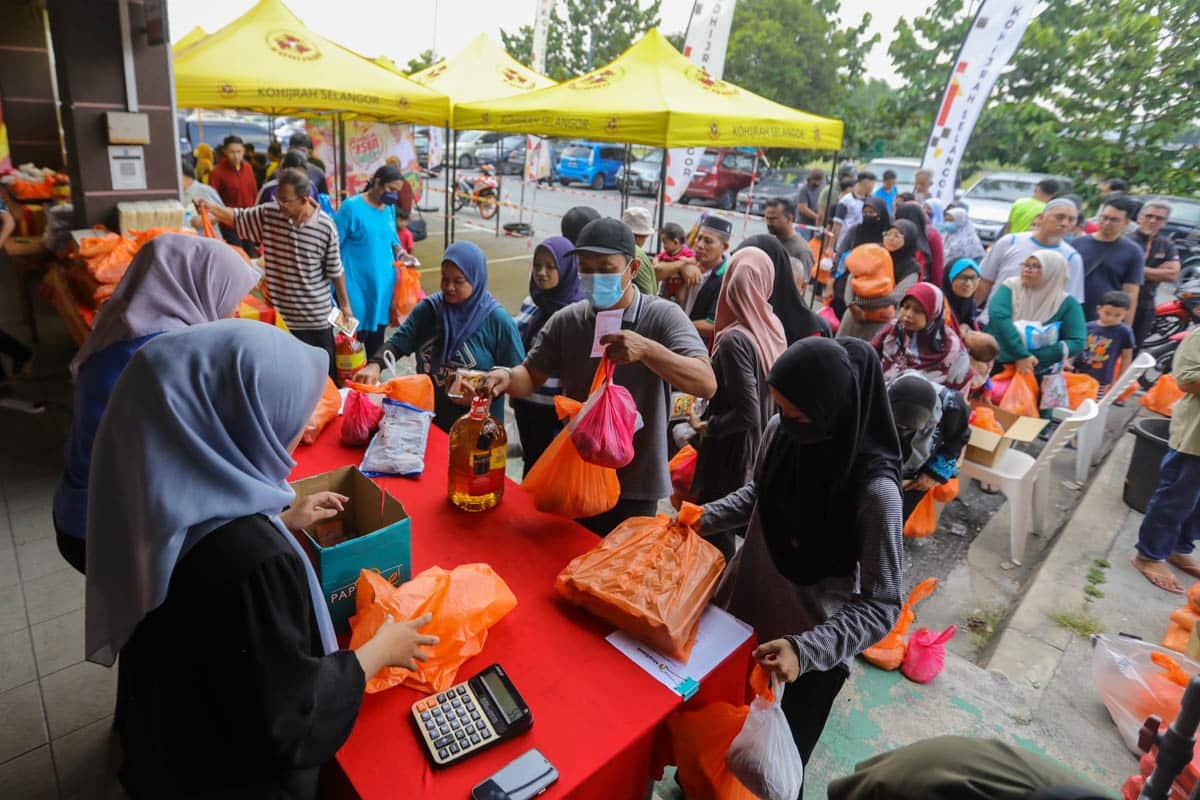
“At KoHijrah premises, direct sales programmes are carried out in collaboration with the federal government, the state government and corporate partners.
“Among the ongoing initiatives are Jualan Ehsan Rahmah (JER) and other discounted sales, which provide opportunities for consumers to purchase essential goods at lower prices,” he added.
He said KoHijrah has also optimised operations through cost-saving measures and operational restructuring to improve efficiency.
“Cost-saving measures such as reducing electricity usage and reorganising operational schedules have successfully lowered utility costs by between 30 and 35 per cent.
“This approach ensures smooth operations without affecting services to consumers,” he said.
He added that the cooperative will continue to monitor developments, including potential future cost increases, to ensure existing strategies remain relevant.
“If there is a further increase in costs, we will reassess our plans to ensure prices remain controlled.
“For now, we are confident that with the preparations made, KoHijrah can continue to offer reasonable prices to the public,” he said.