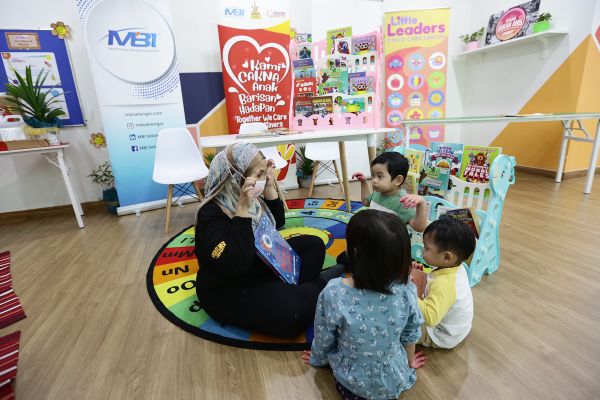
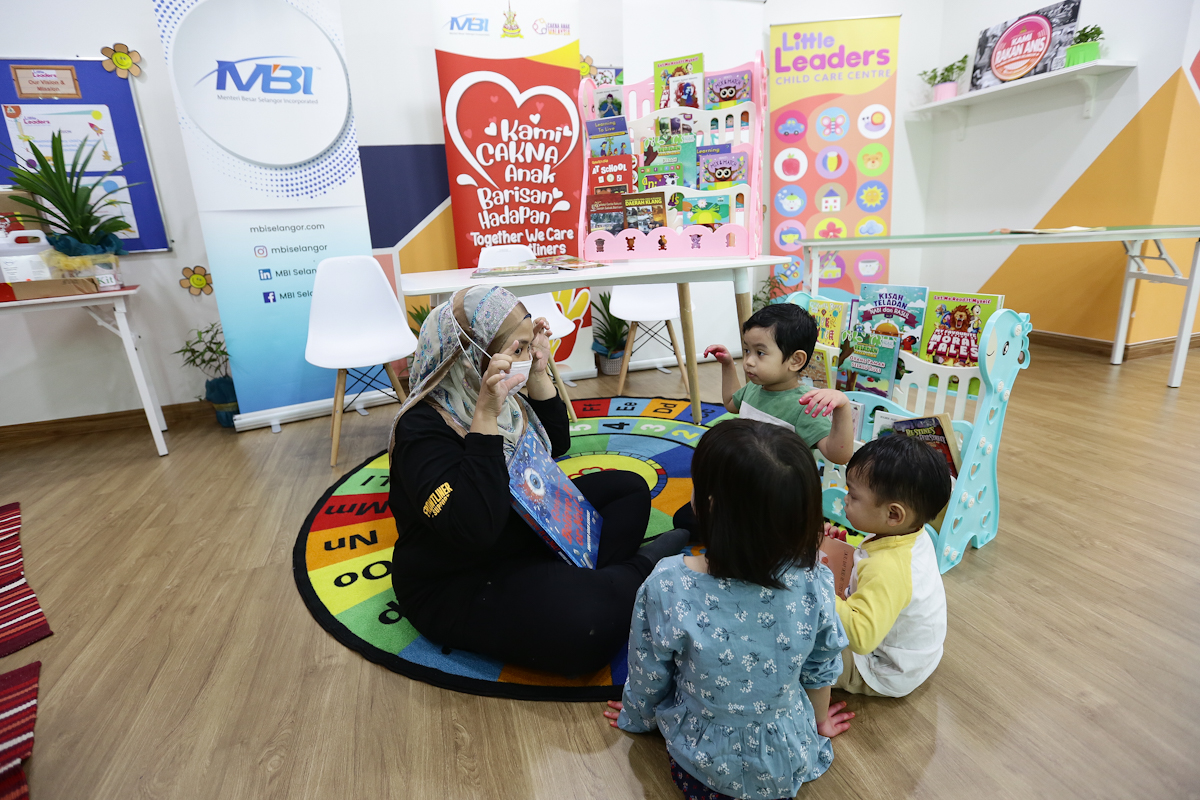
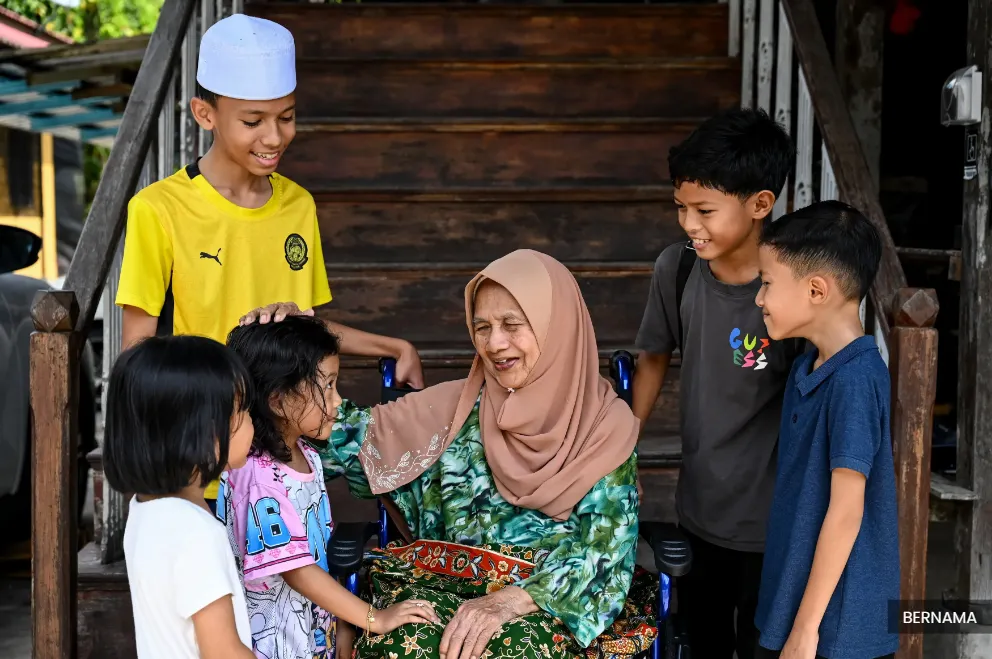
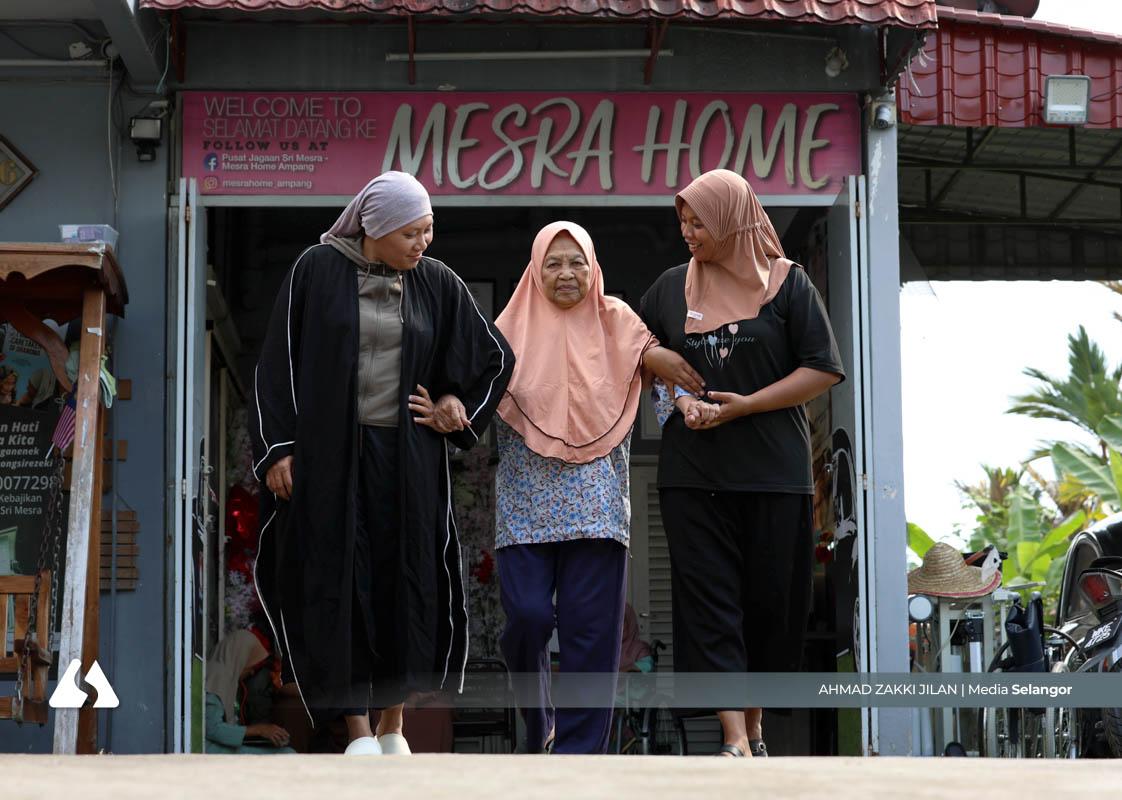
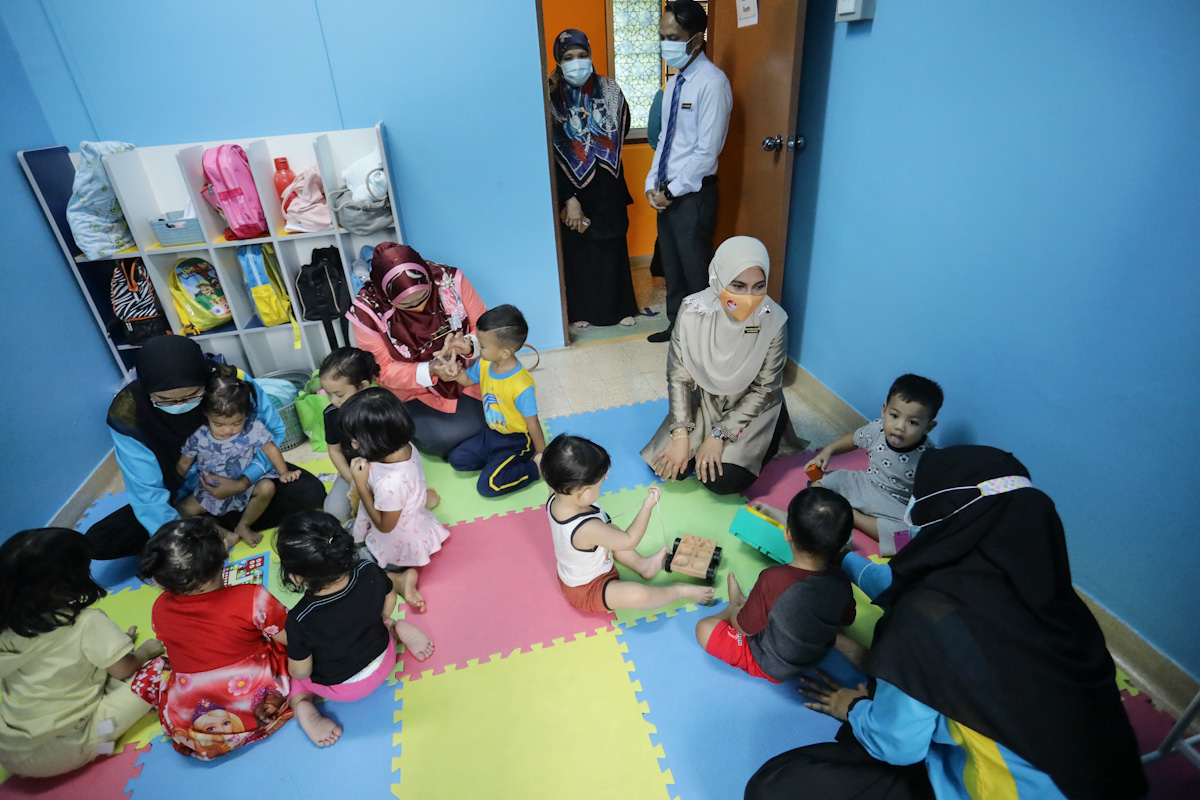
SHAH ALAM, April 16 — The state government has introduced new guidelines for care centres and nurseries serving the elderly, children, and disabled persons as part of efforts to improve governance in the care economy sector.
The Improvement, Services, and Care Committee chairman Michelle Ng Mei Sze said the guidelines were approved by the State Executive Council in February.
The new approach allows more types of premises to be used as care centres compared to previous requirements.
“End-lot terrace houses with side space, as well as strata units and industrial lots, are now permitted to operate as care centres. Previously, only corner lots, terrace houses, detached houses, or bungalows were allowed.
“As a result, many operators found the requirements too stringent due to high rental costs. This is also one of the reasons why many childcare operators have been operating without approval.
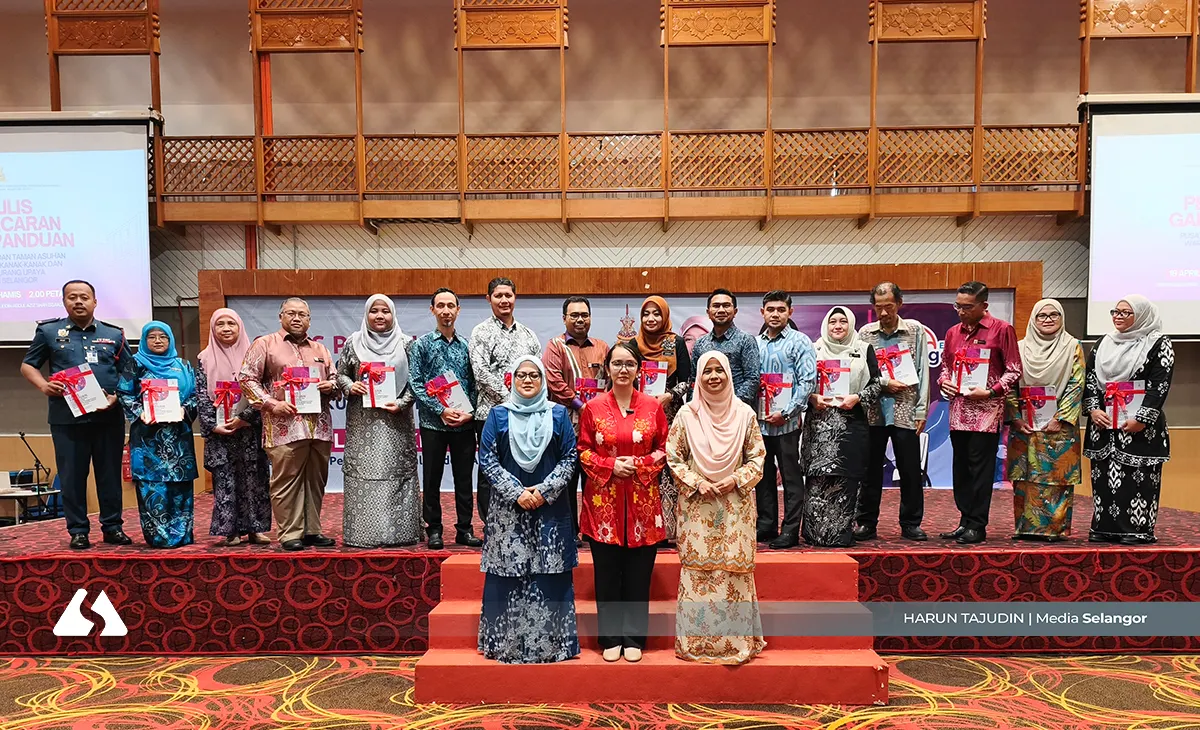
“As of March, 176 nurseries and care centres for children, disabled persons, and the elderly have been identified as unregistered with the Selangor Social Welfare Department,” she said when launching the guidelines today.
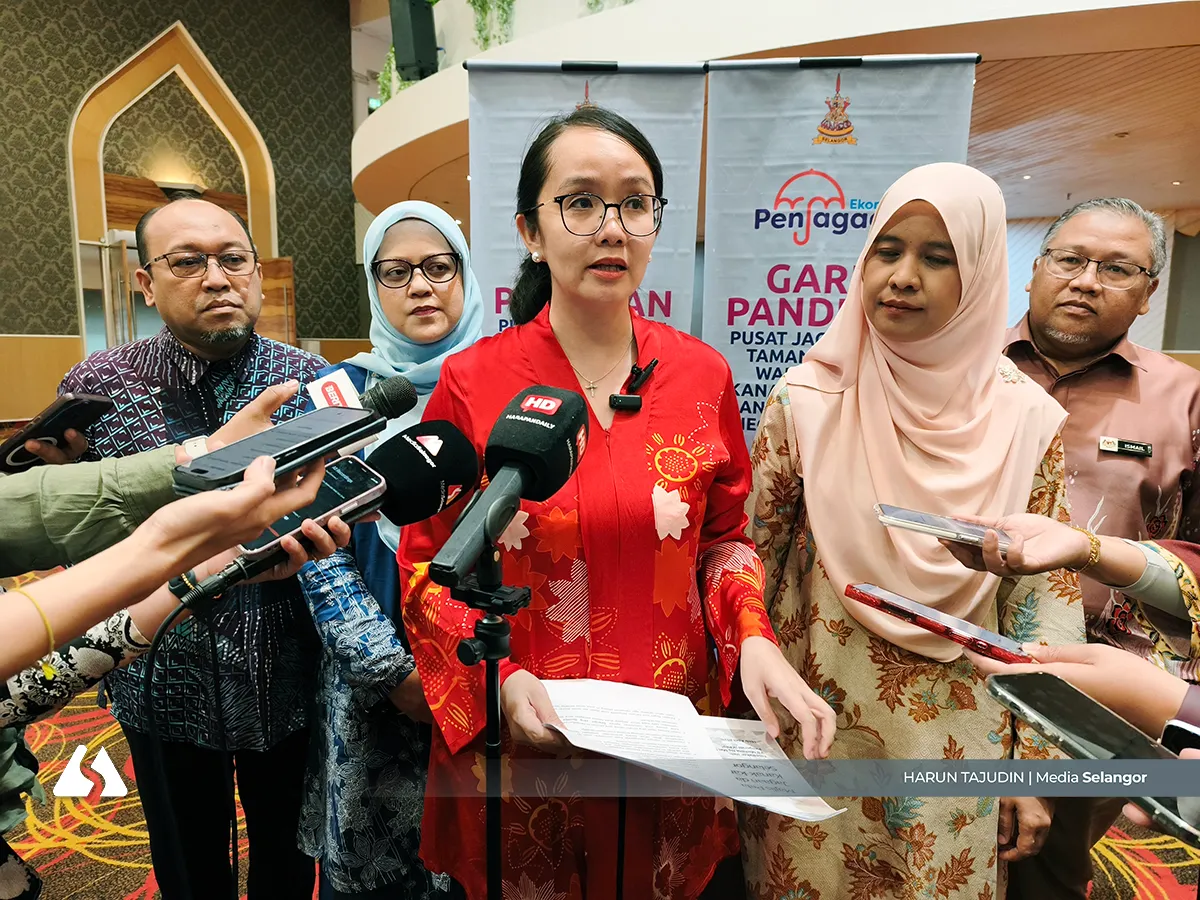
Ng added that the guidelines introduce a ‘one-door policy’ approach to simplify the registration process, reduce bureaucratic constraints, and ensure compliance with legal requirements.
“This approach can increase the number of legally registered care centres, expand public access to quality care services, and strengthen families’ confidence in registered centres.
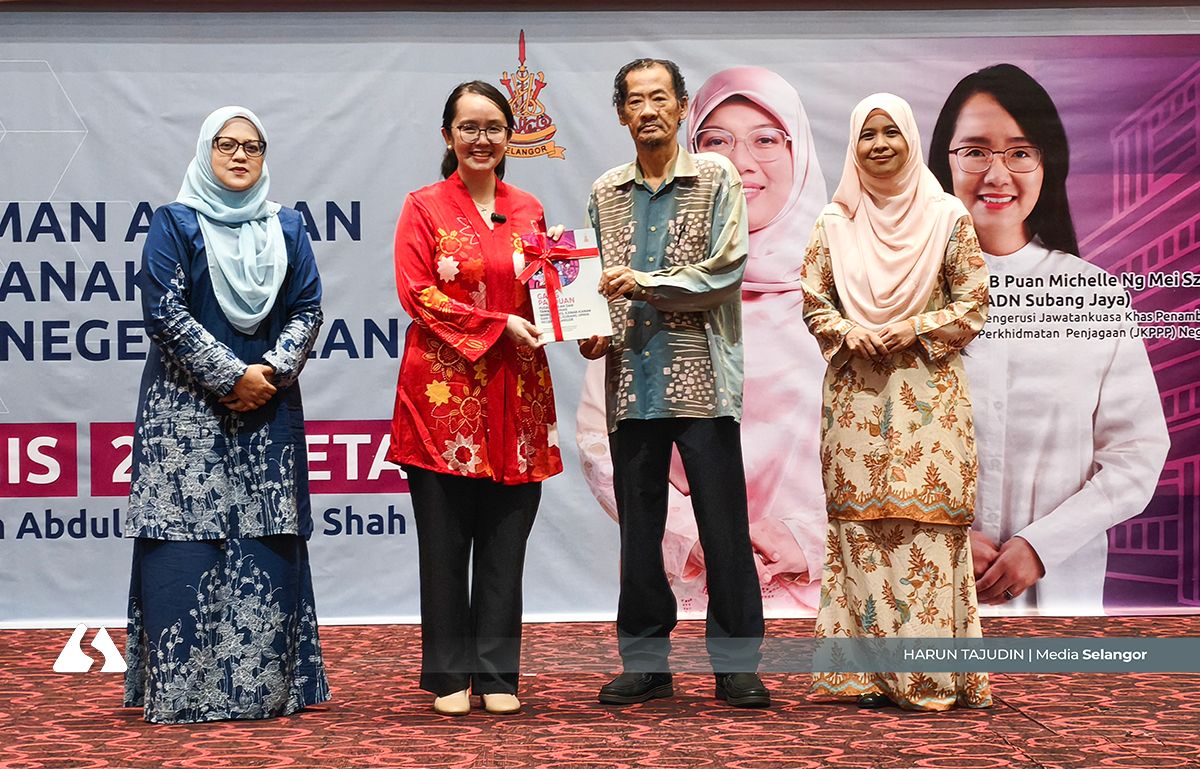
“The guidelines are expected to be enforced across all local authorities within the next two months. This is an important social investment to make Selangor more liveable and to ensure no one is left behind in accessing safe and quality care,” she said.
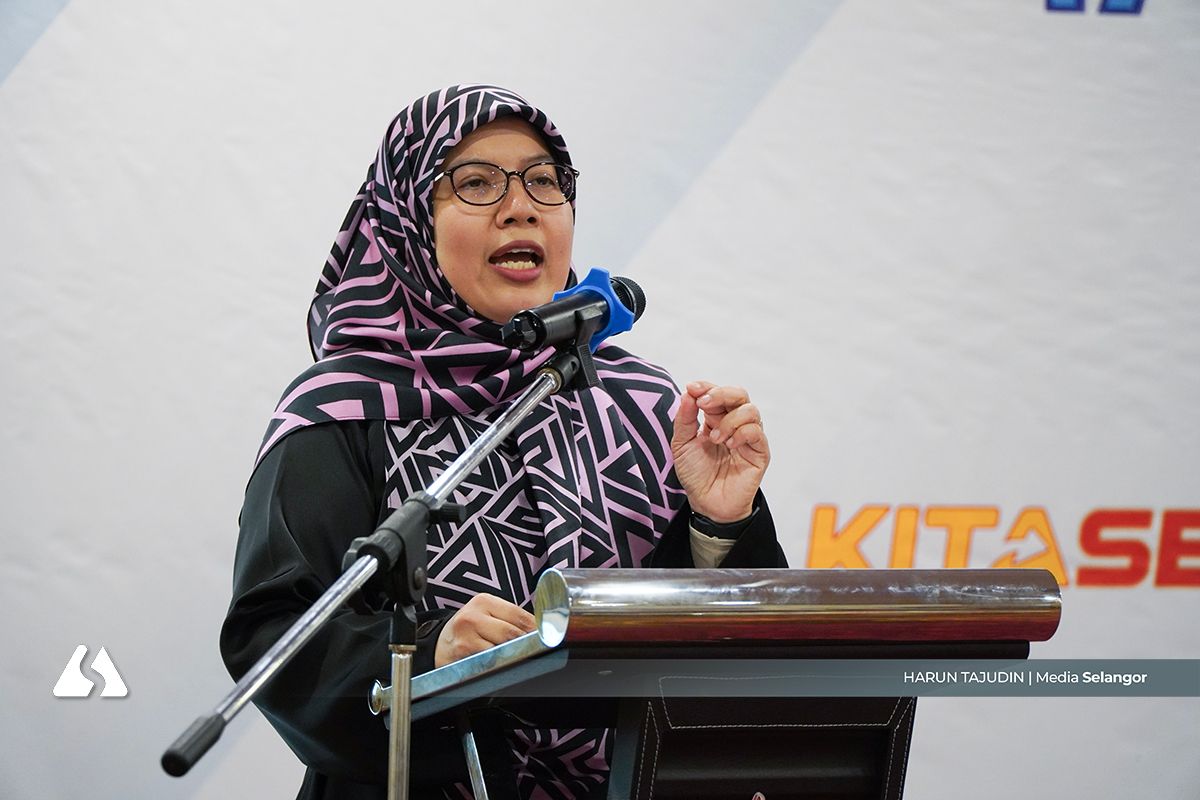
During the event, when delivering a speech on behalf of the state councillor for women's development and social welfare Anfaal Saari, Ng said that Selangor is facing rising demand for care centres but continues to encounter service constraints.
A gap remains in the number of registered care centres, skilled workforce availability, compliance with standards, and access to a streamlined registration pathway.
“On average, out of every 10 elderly persons and children in the state, three require care. That is why these guidelines have been introduced to help expand the sector’s supply in a legal and quality-assured manner,” she said.