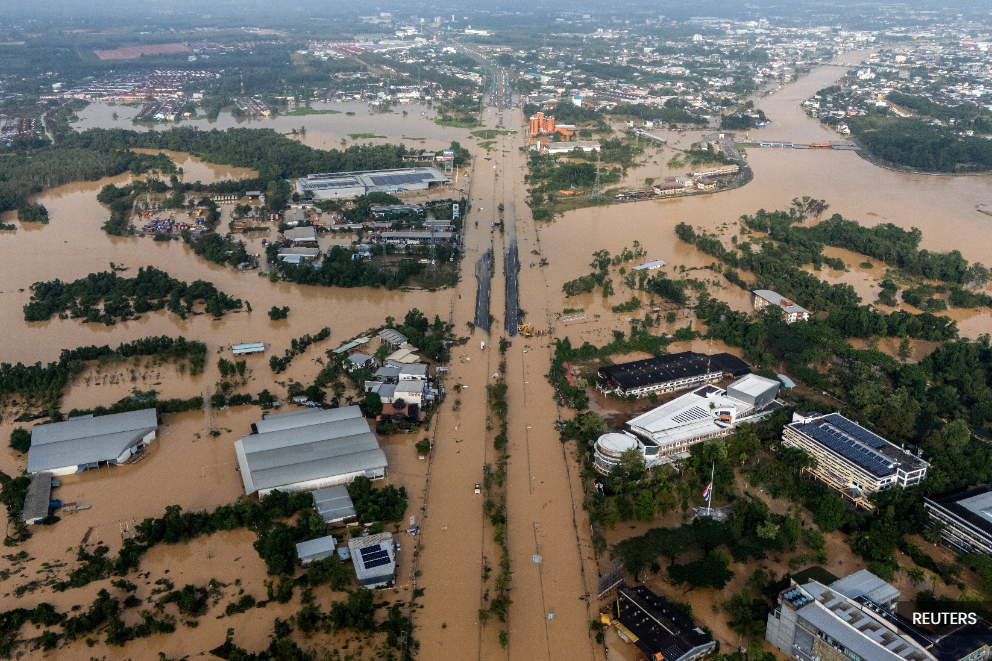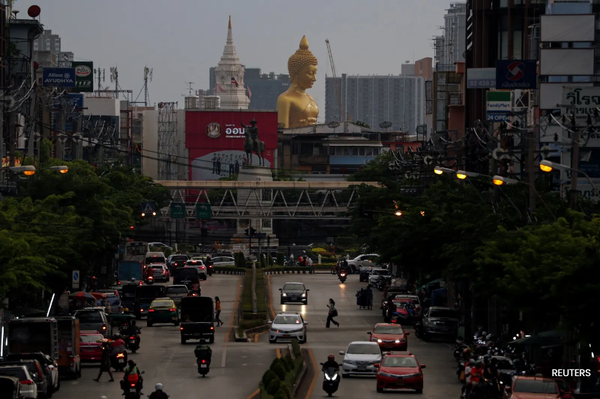
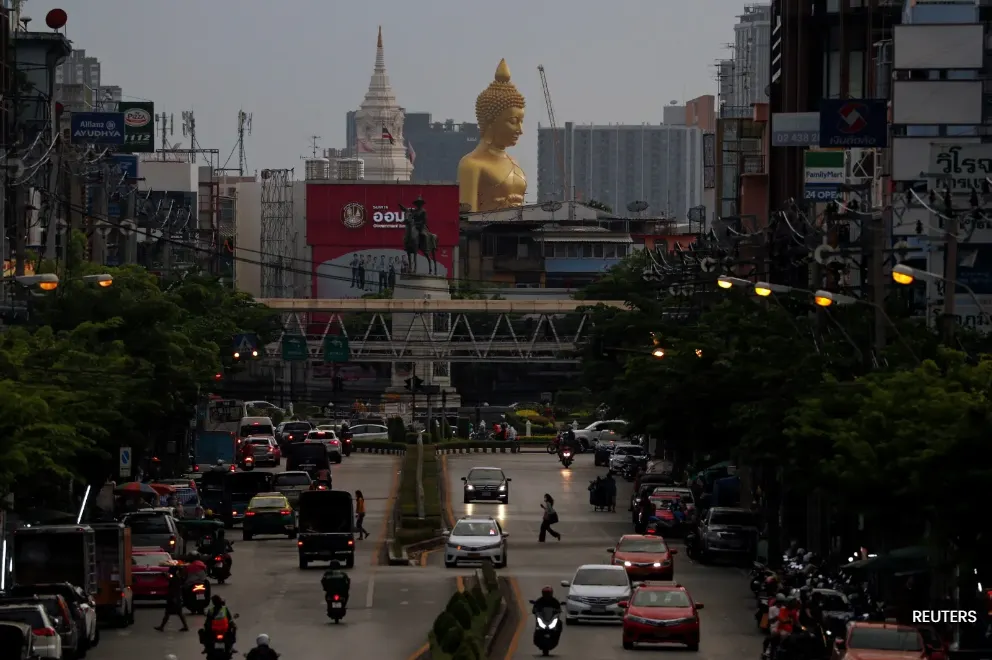
SINGAPORE, Apr 16 — Foreign investors are selling Thai assets as an energy shock from the US-Israeli war on Iran threatens to derail hopes for an economic revival under Prime Minister Anutin Charnvirakul and exposes policy constraints in Bangkok, Reuters reported.
The conflict has pushed global oil prices close to US$100 per barrel, heightening concerns over Asia’s reliance on Gulf energy supplies. Thailand is among the most exposed, with nearly half of its oil and gas coming from the Middle East, according to Krungsri Research.
With public debt nearing the government’s 70 per cent ceiling and the economy already in deflation before the conflict, Thailand’s challenges have deepened despite earlier optimism over political stability and reform prospects.
Foreign investors had bought US$1.7 billion worth of Thai stocks in February, but sentiment reversed after the war began at the end of that month. March saw an US$823 million net equity outflow and US$705 million in bond outflows — the largest combined exit since October 2024.
A brief ceasefire this month lifted markets, but analysts warn risks remain if oil prices stay elevated.
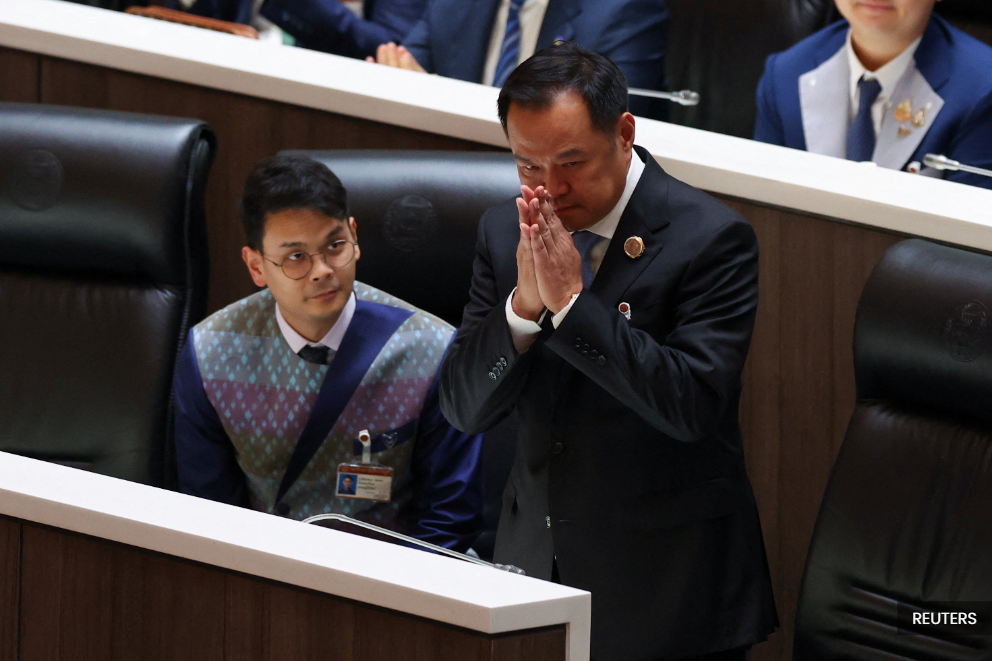
“The risk remains that markets are complacent about the long-term impact of the energy shock,” said Daniel Tan, portfolio manager at Grasshopper Asset Management, noting risks to consumption, exports and tourism.
JPMorgan’s ASEAN equity strategist Khoi Vu said Thailand remains underweight as the energy shock has yet to be fully priced in by markets.
Unlike many peers, Thailand’s exposure extends beyond fuel prices, with more than half of power generation dependent on gas and rising liquefied natural gas imports.
The economy grew just 2.4 per cent last year, while inflation fell for 12 straight months before a central bank rate cut in February.
“There’s a broad consensus that Thailand is in a policy bind,” said Gary Tan of Allspring Global Investments, noting limited room for either tightening or easing.
Every one baht rise in fuel prices is estimated to reduce economic growth by two basis points, according to state planners, reinforcing government caution on subsidies.
The baht has fallen about 2.8 per cent since the war began, though it has recovered part of its losses following the ceasefire announcement.
Fiscal pressures are also mounting, with public debt at 66 per cent of GDP, close to the 70 per cent ceiling. Officials have ruled out raising the limit for now.
Analysts warn that if the shock persists, it could begin affecting day-to-day economic activity beyond financial markets.