
KUALA LUMPUR, April 15 — The proposed increase in the country’s biodiesel blend from B10 to B15, starting with B12, can reduce dependence on diesel and extend the lifespan of the nation’s fuel supply following the crisis in West Asia, said Economy Minister Akmal Nasrullah Mohd Nasir.
Although the increase from B10 to B15 may seem small, it would have a significant impact, as biodiesel usage is expected to rise by up to 50 per cent.
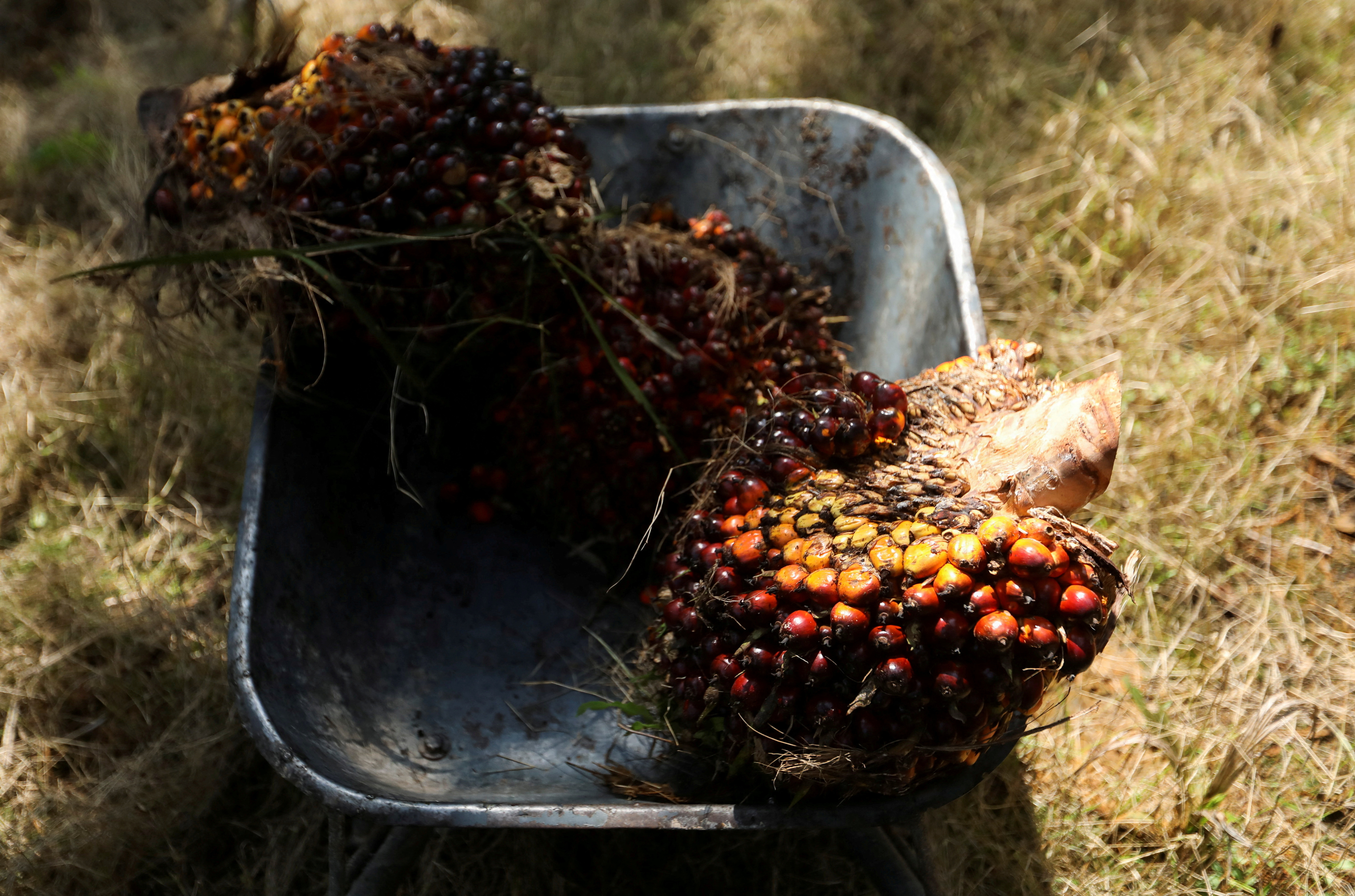
In terms of supply, Malaysia’s crude palm oil (CPO) production is estimated at around 18-20 million tonnes per year, but only about 500,000 tonnes are currently used for biodiesel.
To achieve a B15 blend, biodiesel demand is expected to increase to about 800,000 tonnes, representing about four per cent of the country’s total CPO production.
“Existing biodiesel production capacity is also sufficient, with local plants capable of producing around 23 million to 24 million tonnes, but current utilisation is only about 40 per cent, indicating that the capacity has not been fully optimised,” he said during the 'Agenda Awani' programme titled 'Global Energy Crisis: Accelerating the Biodiesel Transition' on Astro Awani today.
Akmal added that the upgrade to B15 is expected to be implemented without new infrastructure, relying instead on operational efficiency in the blending process.
The move is also expected to benefit oil palm smallholders and is supported by a confirmed sufficient supply that does not affect palm oil usage in the food sector.
“The government is currently assessing the readiness of biodiesel blending and production facilities to ensure that the implementation of the higher blend rate does not disrupt the existing supply chain.
“The B15 implementation is expected to be realised within a short period, as early as between one and one and a half months, as it does not require large-scale infrastructure upgrades,” he said.
In 2025, Malaysia’s biodiesel output totalled 975,207 metric tonnes despite having a production capacity of 2.36 million metric tonnes.