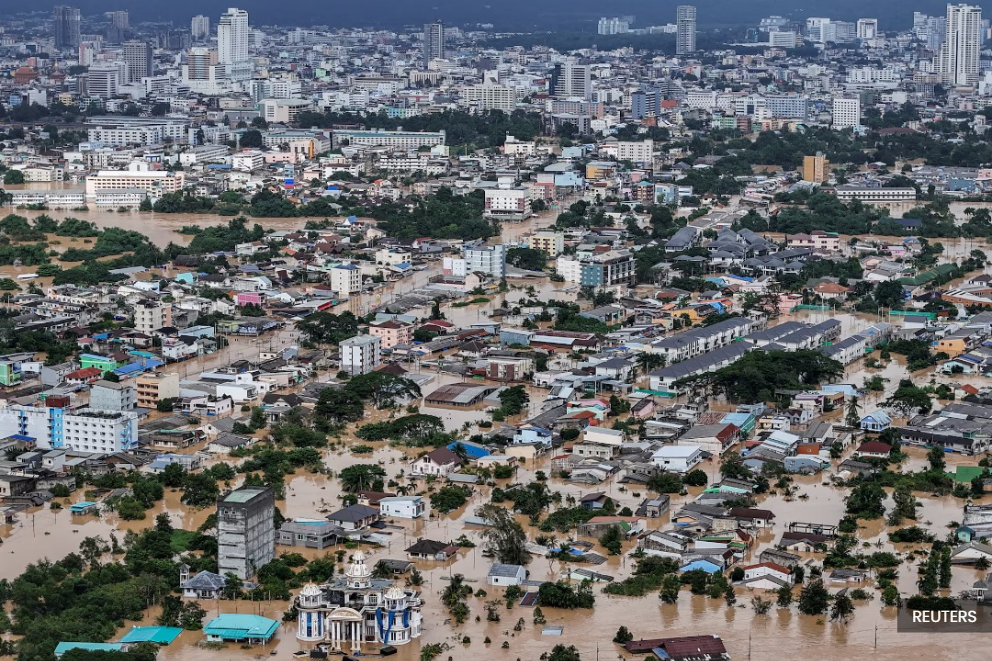
PUTRAJAYA, April 15 — Malaysia’s flood-related losses in 2025 dropped to RM636.9 million compared with RM933.4 million in 2024, equivalent to 0.03 per cent of the nominal gross domestic product (GDP), said the Statistics Department (DOSM) today.
In a statement following the release of the Special Report on Impact of Floods in Malaysia 2025 today, chief statistician Datuk Seri Mohd Uzir Mahidin said public assets and infrastructure accounted for the highest losses, rising to RM380.2 million (2024: RM303.4 million).
This was followed by residences, which declined to RM183.8 million (2024: RM372.2 million).
“The agriculture sector’s losses also declined to RM52.6 million (2024: RM185.2 million), while business premises recorded RM13.4 million (2024: RM54.1 million) in losses,” he said.
Uzir said vehicle damage amounted to RM6.8 million (2024: RM17.3 million) and the manufacturing sector recorded the lowest impact at RM100,000 (2024: RM1.2 million).
“For residences, the highest losses were in Sarawak at RM32.6 million, followed by Sabah (RM27.7 million) and Johor (RM26.2 million),” he said, while adding that losses to business premises were relatively higher in Sarawak at RM2.7 million, followed by Johor (RM2.1 million) and Sabah (RM1.8 million).
Meanwhile, based on case studies carried out by DOSM, Uzir noted that more than 51.2 per cent of flood victims adopted proactive measures by maintaining reserves of daily necessities to ensure their survival during emergency situations.
“Additionally, 5.5 per cent of victims had insurance coverage as a form of financial protection against potential damage or losses. However, 22.5 per cent of victims made no prior preparations, which may increase their vulnerability during and after the flood,” he shared.
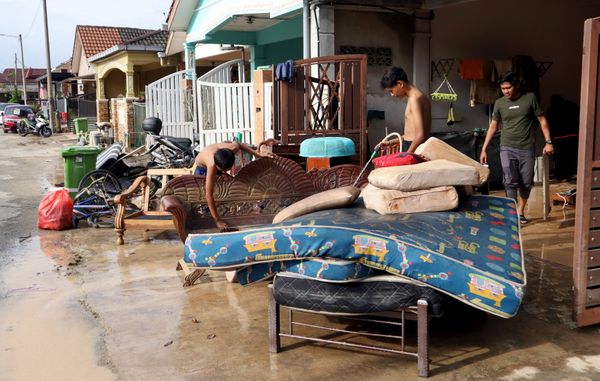
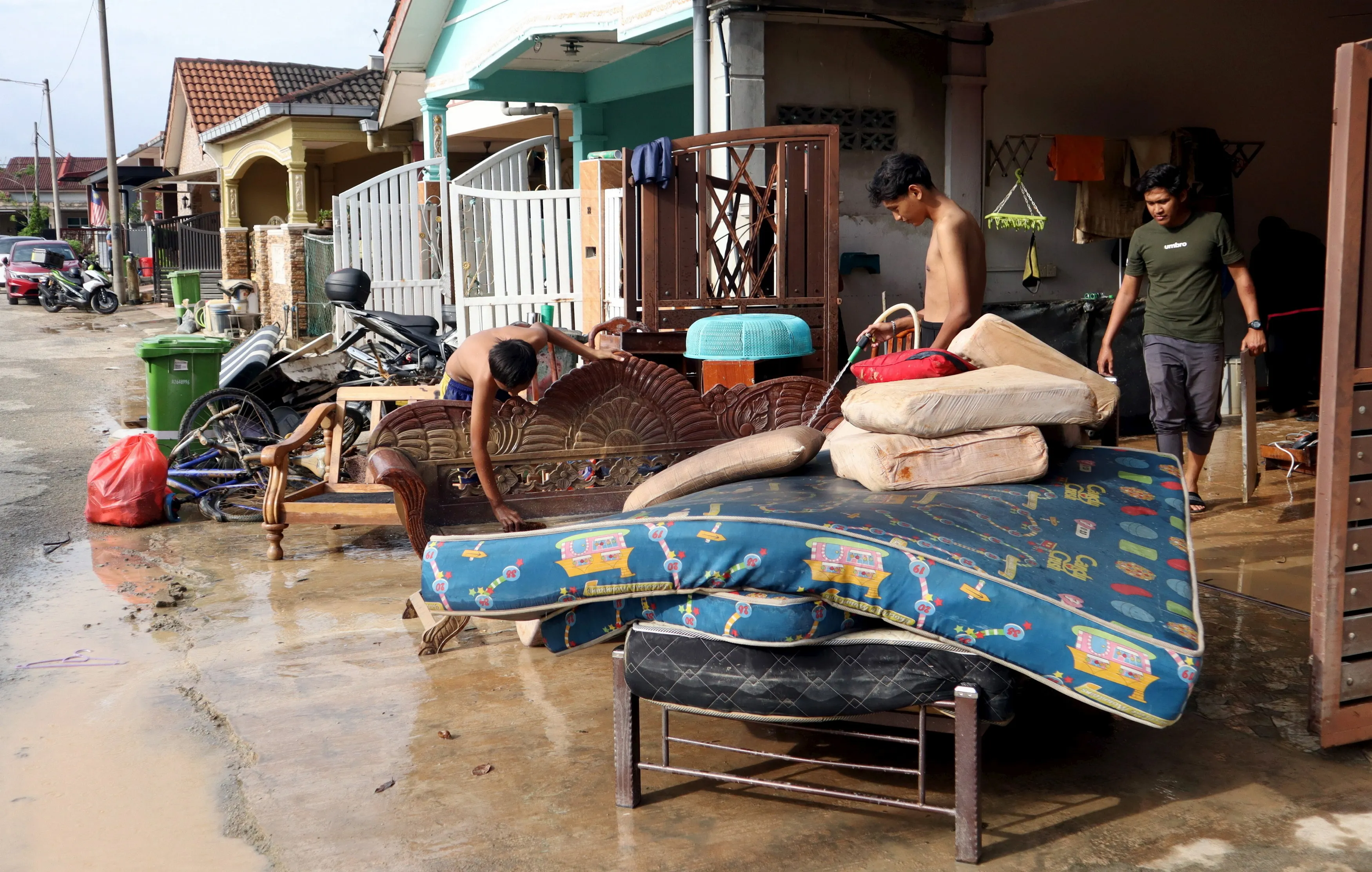
He revealed that the study also found that furniture damage accounted for 42.8 per cent of the total losses incurred. Other household items represented 29.4 per cent of the recorded damage, while electrical appliances such as washing machines, refrigerators, and televisions contributed 27.8 per cent.
“Overall, the findings highlighted the importance of strengthening preparedness, enhancing financial protection, and building household resilience to mitigate the impact of future floods,” Uzir added.