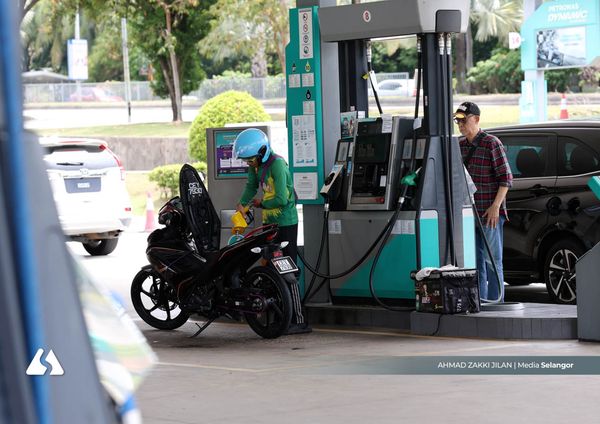
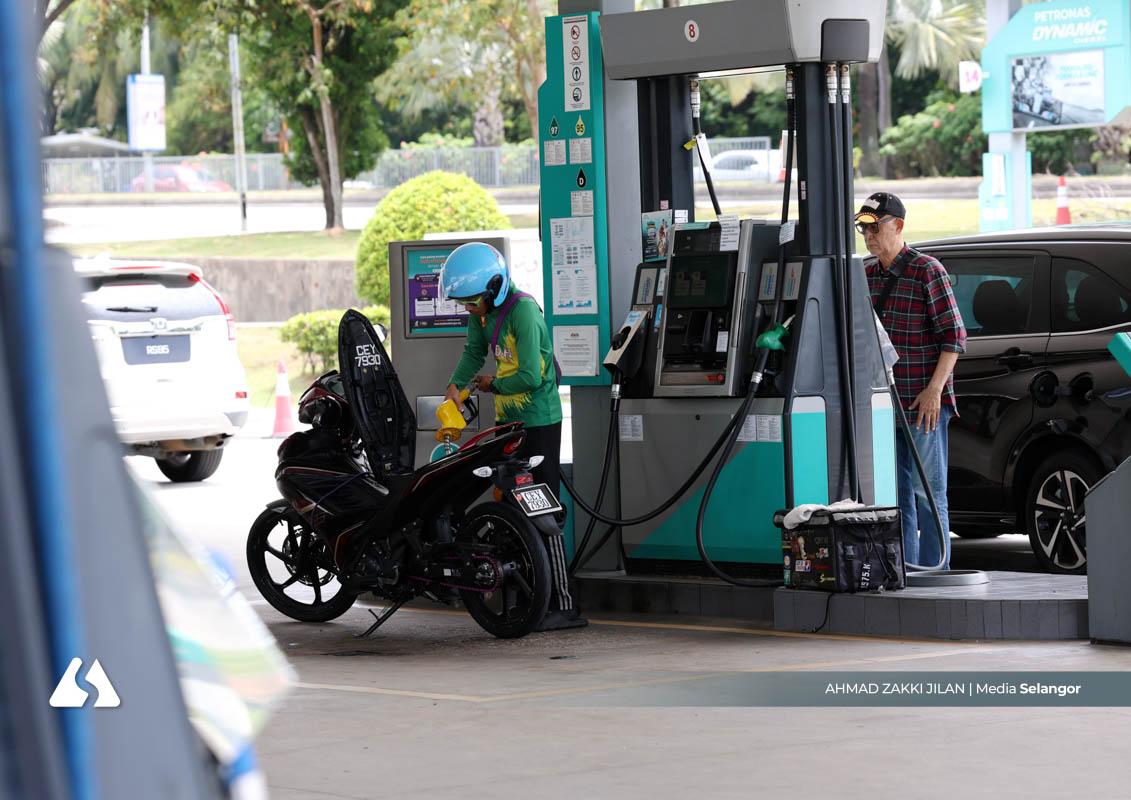
KUALA LUMPUR, April 14 — The nation needs to strengthen its fuel security amid rising geopolitical tensions, with a greater focus on managing strategic petroleum reserves and diversifying energy import sources.
Universiti Malaya's Arts and Social Sciences Faculty associate professor Khoo Ying Hooi said this should form part of a broader strategy to ensure fuel supply stability and shield the public from rising oil prices driven by geopolitical tensions in West Asia.
“For the medium and long term, the government needs to accelerate the shift towards alternative energy to reduce dependence on global oil.
“Overall, sound stock management, diversified sources and energy transition are key to maintaining a stable fuel supply,” she told Bernama.
On measures to ease the cost of living, the most practical approach at present is targeted subsidies and cash assistance, supported by temporary price controls to curb sudden increases.
Khoo said targeted subsidies ensure support reaches those who need it most, while cash assistance provides immediate relief to households facing rising daily expenses.
“However, subsidies are not sustainable in the long term. While they ease pressure temporarily, they also increase the government’s fiscal burden.
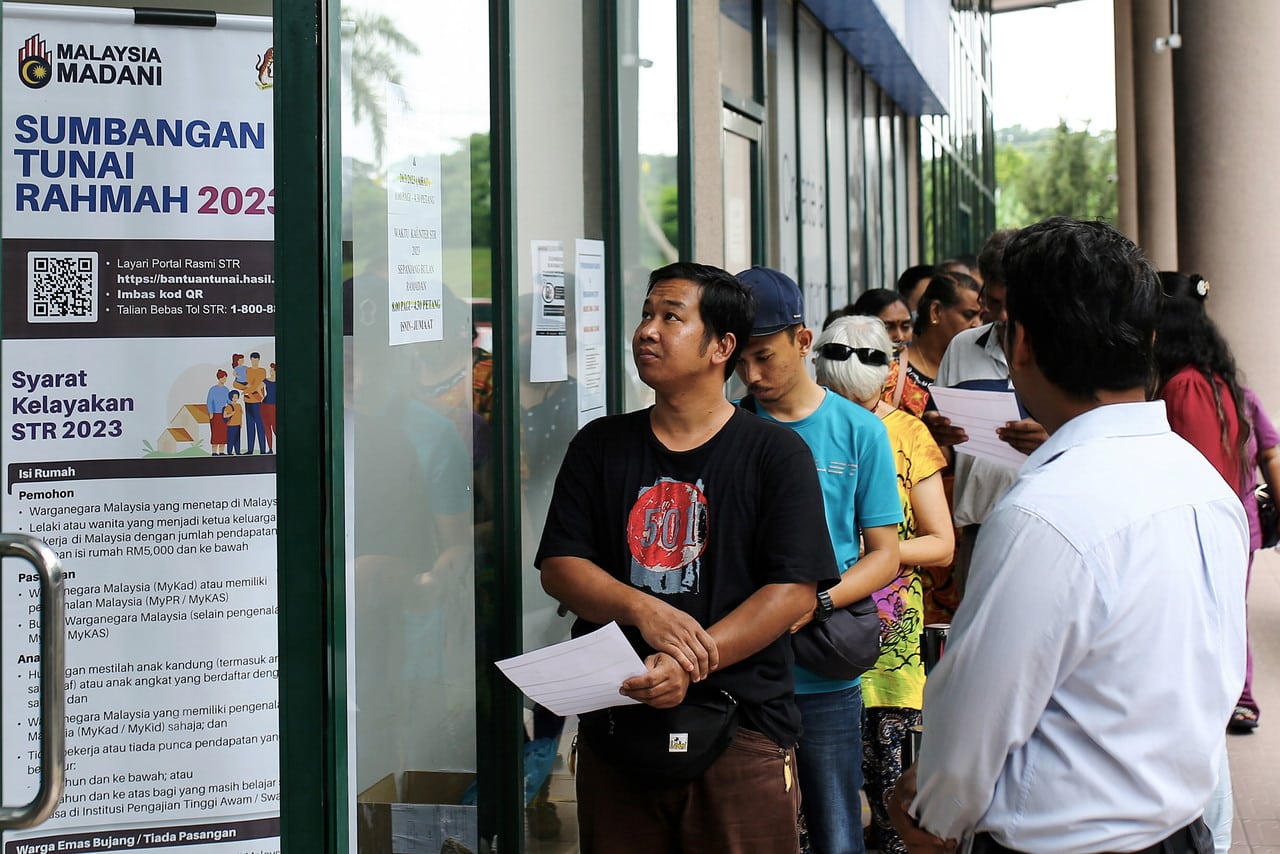
“These measures should be viewed as short-term responses. Over time, the situation highlights the need to reassess current approaches, including reliance on subsidies, and to pursue structural reforms such as strengthening social protection systems,” she said.
Khoo also warned that failed negotiations between Iran and the United States (US) could lead to prolonged tensions and a higher risk of escalation.
Both sides now appear to be shifting from negotiations to strategic and military pressure, including sanctions and retaliatory threats that could destabilise the global situation.
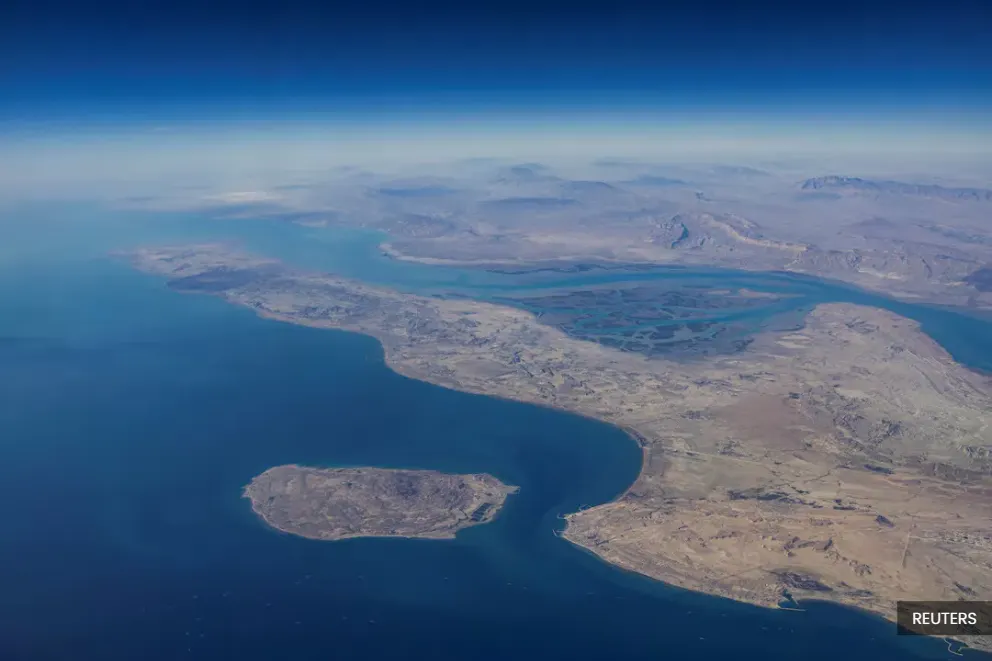
She outlined several possible scenarios, including an escalation of the conflict in the form of limited attacks, disruptions to commercial shipping, or prolonged tensions in the Strait of Hormuz, which could heighten global economic pressure due to rising oil prices and supply chain disruptions
“Negotiations may resume, but usually only after both sides face significant economic or military pressure.
“Overall, the situation points to prolonged uncertainty, marked by sustained pressure rather than an immediate resolution,” Khoo said.
Iran and the US began talks in Islamabad, Pakistan, on Saturday (April 11) after US President Donald Trump announced a two-week ceasefire agreement with Tehran.
On Sunday, US delegation head Vice President J.D. Vance confirmed that both sides failed to reach an agreement, with the delegation returning without a deal.
Following this, Trump announced sanctions on vessels entering or leaving the Strait of Hormuz, and ordered the US Navy to track and intercept ships paying Iran for passage.
Meanwhile, Nusantara Strategic Research Academy senior fellow and geostrategist Prof Azmi Hassan said Malaysia is well-positioned with an efficient oil and gas supply chain managed by Petroliam Nasional Berhad (Petronas).
This is supported by strong diplomatic ties with Tehran, allowing some Malaysian oil shipments to continue passing through the Strait of Hormuz despite regional tensions.
“These factors help ensure continuity of the country’s energy supply. Our supply chain is highly efficient compared to neighbouring countries, enabling oil supply to last until May if there are no disruptions,” he said.
Azmi added that the government has also taken proactive steps to reduce energy use, including implementing work-from-home arrangements as a short-term measure to ease demand.
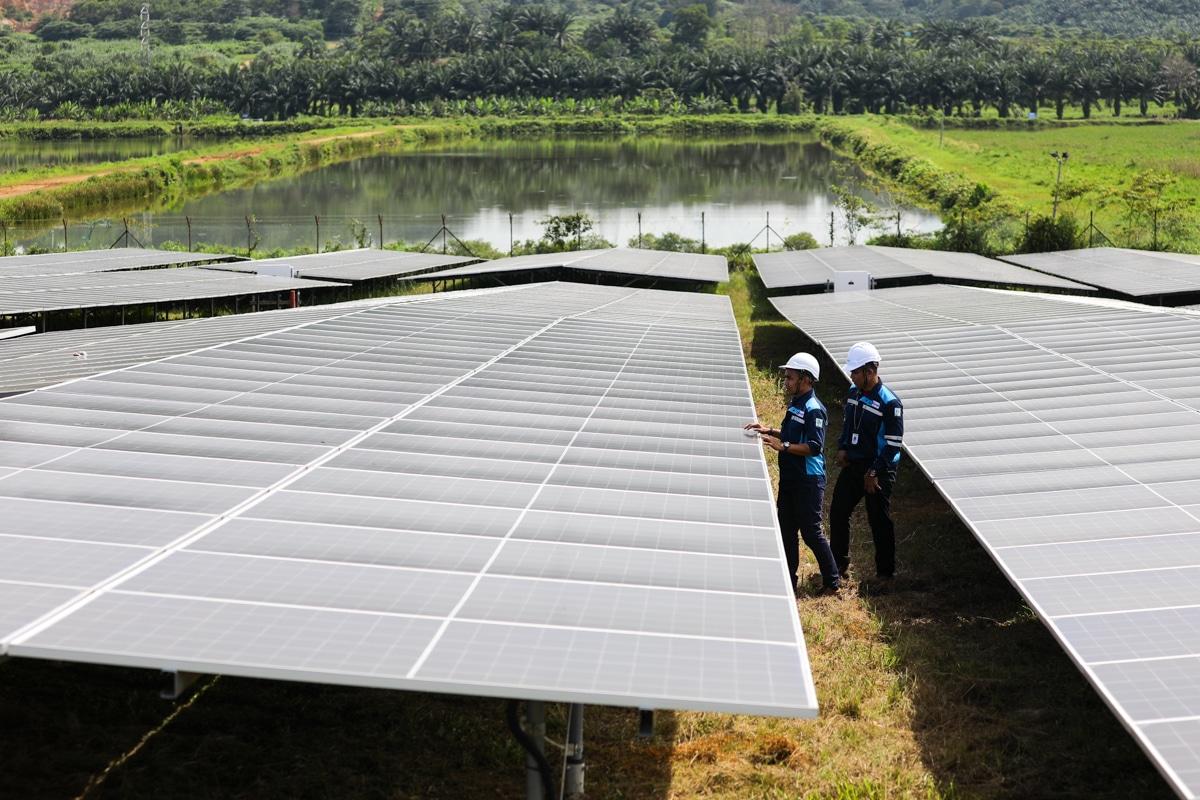
He agreed that Malaysia should reduce reliance on fossil fuels and accelerate the shift to renewable energy, such as hydro, solar and wind, to strengthen long-term energy security.
Meanwhile, Universiti Teknologi Mara's Administrative Science and Policy Studies Faculty senior lecturer and associate professor Suseela Devi Chandran said Putrajaya has been actively monitoring developments and maintaining diplomatic engagement with Iran, although long-term strategic preparedness remains a key challenge.
“Although Malaysia is a net exporter of oil and gas, a global energy crisis will still affect the country, as about 50 per cent of its domestic supply traditionally passes through the Strait of Hormuz. Malaysia’s neutral but principled foreign policy should provide some cushion for the time being,” she said.
Short-term measures, including expanded fuel subsidies and supply diversification, are helping to manage the immediate impact of rising energy costs.
“In the short term, the steps taken by Malaysia are encouraging. The expansion of fuel subsidies and Petronas’ efforts to diversify supply beyond the Persian Gulf should help cushion the domestic impact of the energy crisis,” Suseela said.
She noted that Malaysia must also strengthen its long-term strategies through regional cooperation and sustained efforts to enhance energy security.